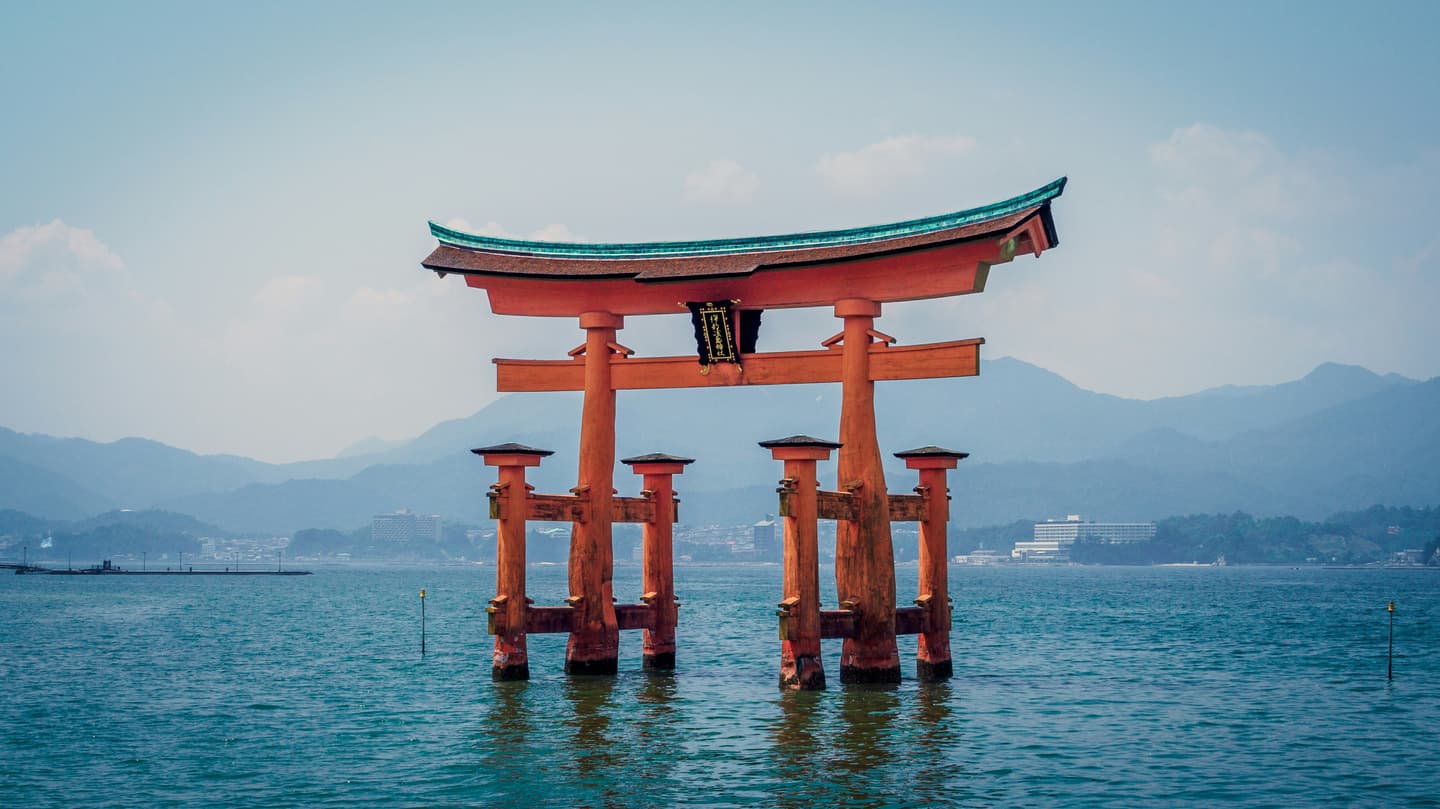
 City postcard
Tokyo
Where ancient temples meet neon-lit skyscrapers — Tokyo is the world's most thrillingly layered megacity.
Where ancient temples meet neon-lit skyscrapers — Tokyo is the world's most thrillingly layered megacity.
Tokyo is a city of mesmerizing contrasts: serene Shinto shrines tucked between glass towers, Michelin-starred ramen counters beside century-old izakayas, and neighborhoods that each feel like a distinct city unto themselves. As the world's most populous metropolitan area, it rewards every kind of traveler with an unmatched depth of culture, food, design, and innovation. The city's legendary public transit, world-class safety, and obsessive attention to hospitality make it one of the most effortlessly navigable destinations on earth.
City postcardWhere ancient temples meet neon-lit skyscrapers — Tokyo is the world's most thrillingly layered megacity.
 Top sight
A signature stop locals and returning travelers point to in Tokyo.
 Top sight
A signature stop locals and returning travelers point to in Tokyo.
 Top sight
A signature stop locals and returning travelers point to in Tokyo.
A signature stop locals and returning travelers point to in Tokyo.
A signature stop locals and returning travelers point to in Tokyo.
A signature stop locals and returning travelers point to in Tokyo.
Photo: Kakidai · CC BY-SA 3.0
A signature stop locals and returning travelers point to in Tokyo.
A signature stop locals and returning travelers point to in Tokyo.
A signature stop locals and returning travelers point to in Tokyo.
A signature stop locals and returning travelers point to in Tokyo.
Photo: Wiiii · CC BY-SA 3.0
A signature stop locals and returning travelers point to in Tokyo.
Photo: Wikimedia Commons · CC BY-SA 3.0
A visual anchor inside Tokyo worth building into the route.
A pocket of Tokyo with its own temperament — worth a deliberate detour when you're in the area.
A pocket of Tokyo with its own temperament — worth a deliberate detour when you're in the area.
A pocket of Tokyo with its own temperament — worth a deliberate detour when you're in the area.
A pocket of Tokyo with its own temperament — worth a deliberate detour when you're in the area.
Wanderlust Pro
Pro members see insider tips for Tokyo: a short list of restaurants, cafés and sights, picked by AI as local suggestions to double-check before you go.
The quick answers travelers want before they commit to flights, neighborhoods, and how long to stay.
Tokyo is served by two international airports. Haneda Airport (HND) sits just 15–20 km from central Tokyo — trains via the Tokyo Monorail reach Hamamatsucho Station in about 13 minutes (¥490), and the Keikyu Line connects to Shinagawa in roughly 15 minutes. Limousine buses run directly to major hotels and stations; the Keikyū bus to Shibuya takes 50 min (¥1,300) and to Tokyo Station 55 min (¥1,200). Narita International Airport (NRT) is ~60 km from the city. The fastest train option is the Keisei Skyliner to Ueno in 36–41 minutes (¥2,570). The JR Narita Express (N'EX) runs to Tokyo Station in ~60 minutes (¥3,140 one-way; foreigners can buy the ¥5,200 round-trip discount ticket). Limousine buses to Tokyo Station cost ~¥3,100 and take about 100 minutes. Budget buses (Airport Bus TYO-NRT) run to Tokyo/Ginza for ¥1,500 during the day. Public transport stops around midnight at both airports — plan accordingly for late arrivals.
Tokyo's public transit network is world-class. The backbone is the JR Yamanote Line loop (linking Shinjuku, Shibuya, Harajuku, Ueno, and Akihabara) combined with 13 Tokyo Metro and 4 Toei Subway lines covering the entire city. A single Metro ride costs ¥180–¥330 depending on distance. The essential tool for all visitors is a Suica or PASMO IC card — prepaid, rechargeable, and accepted on virtually every train, subway, bus, and monorail in Japan, plus convenience stores and vending machines. As of March 2025, the Welcome Suica Mobile app (iOS) lets you set up a digital IC card before landing — no physical card or ¥500 deposit required. For heavy sightseeing days, the Tokyo Subway Ticket offers unlimited rides on all Tokyo Metro + Toei Subway lines: 24 hrs (¥800), 48 hrs (¥1,200), or 72 hrs (¥1,500). JR East raised base fares ~7.1% in March 2026 (minimum fare now ¥160). Taxis are available but expensive; buses (flat ¥210 fare, or IC card tap) fill gaps not covered by the rail network. Use Google Maps or Navitime for real-time routing.
Spring (late March to early May) and autumn (October to November) are Tokyo's twin sweet spots, each offering mild temperatures and breathtaking seasonal scenery. Late March and early April bring cherry blossom (sakura) season — arguably the most iconic spectacle in Japan — when Ueno Park, Meguro River, and Shinjuku Gyoen transform into pink-and-white wonderlands. Expect peak hotel prices and crowds; book accommodation three or more months in advance. May is a wonderful shoulder month as blossoms fade and temperatures stay comfortable, though Golden Week (late April to early May) drives domestic travel surges. Autumn rewards with crisp, dry days and spectacular foliage: golden ginkgo avenues at Meiji Jingu Gaien and fiery maples at Rikugien peak through November. October is arguably Tokyo's best-kept secret — warm, dry, and less crowded than spring, with a growing Halloween scene in Shibuya. Summer (June–August) is hot and humid with highs around 31–35°C, but comes alive with fireworks festivals and matsuri; the June–July rainy season is also a genuine budget window, with lower hotel rates and smaller crowds. Winter (December–February) is cold but dry, with sparkling city illuminations, near-empty sightseeing spots, and the lowest prices of the year — plus clear-sky views of Mount Fuji.
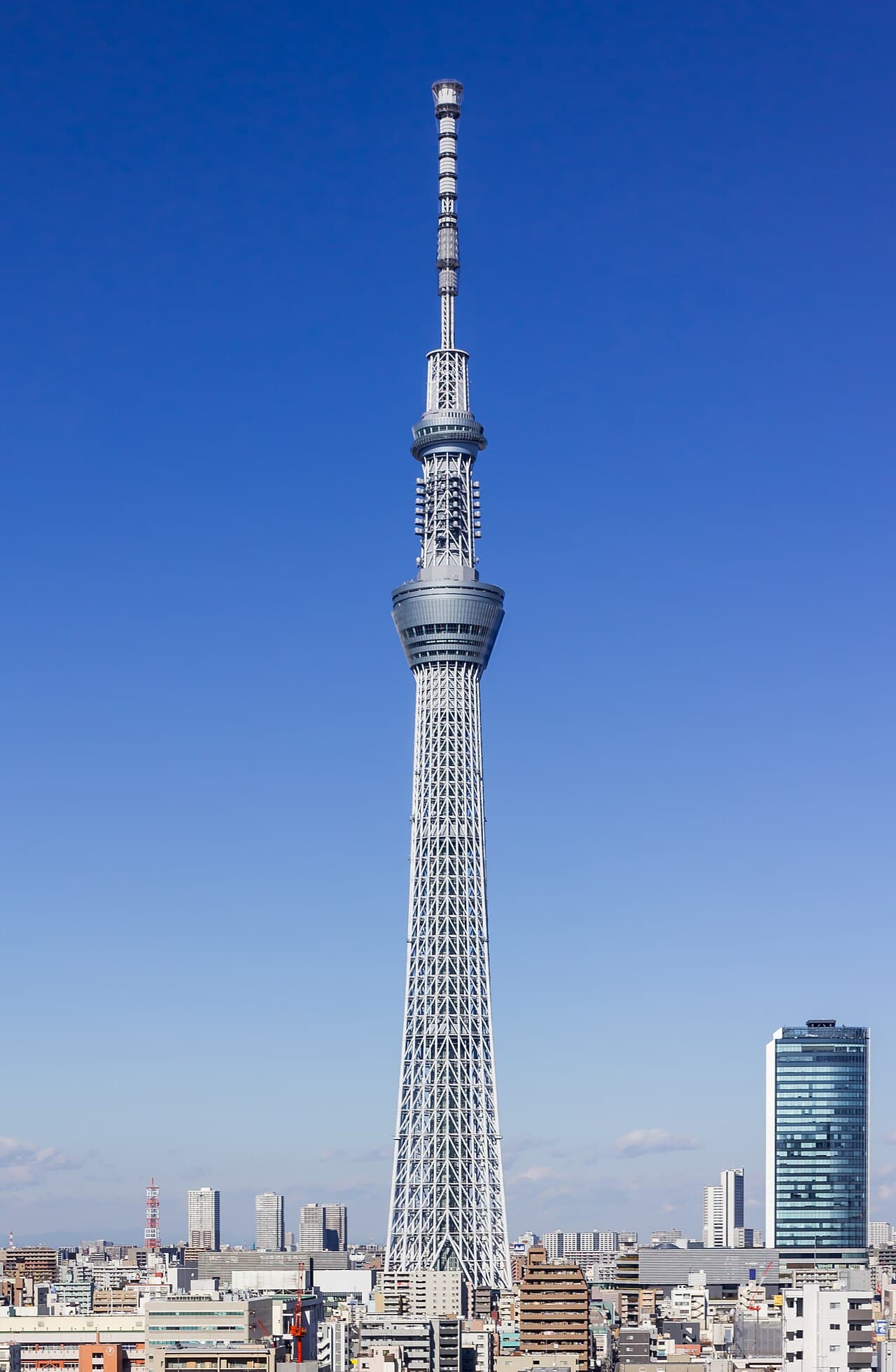
Start at Senso-ji Temple in Asakusa — arrive before 8am to beat the crowds and explore Nakamise-dori shopping street. Walk to the nearby Tokyo Skytree for panoramic city views.
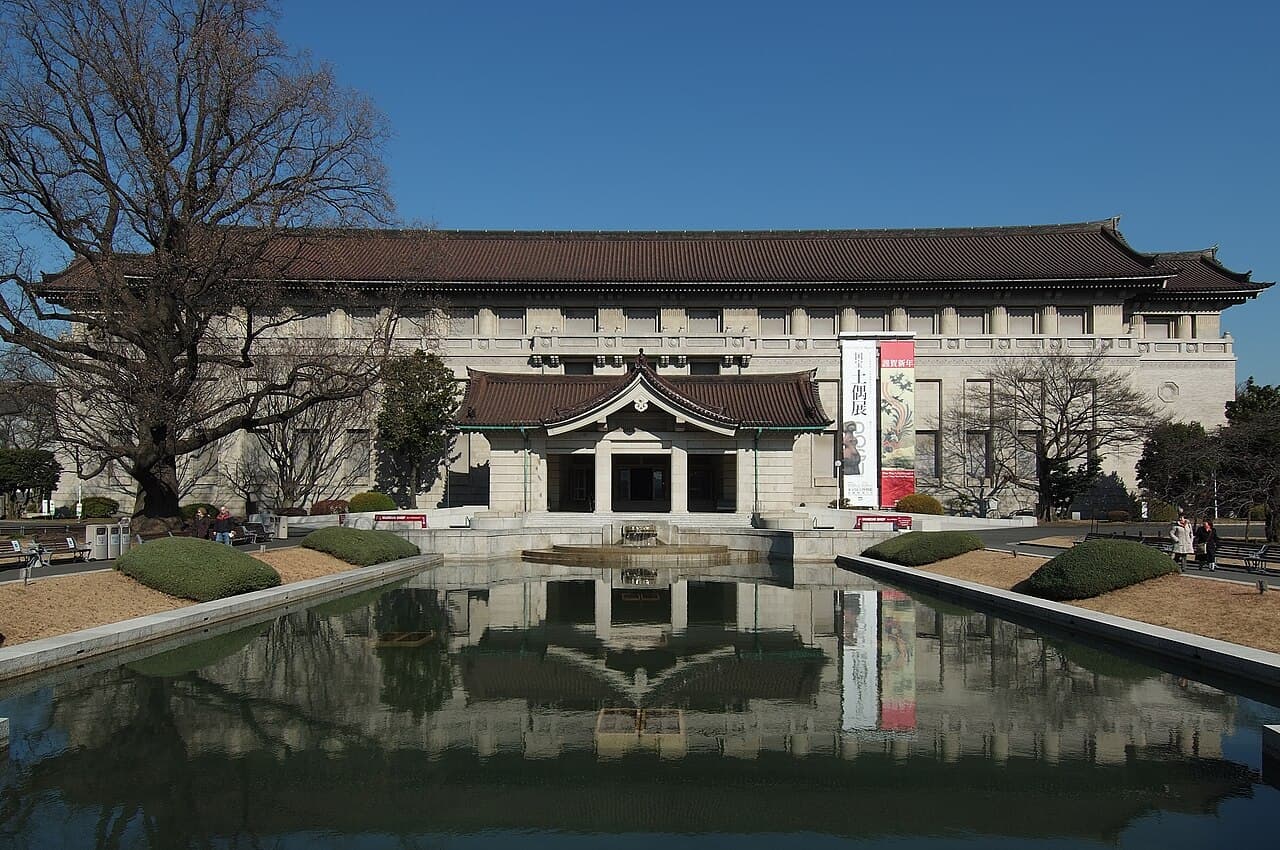
Head to Ueno: browse the Tokyo National Museum, stroll Ueno Park, and duck into the Ameya-Yokocho market for street food and local atmosphere.
Return to Asakusa for dinner along Hoppy Street. End the night with a riverside walk along the Sumida River with views of the illuminated Skytree.
Take the JR Yamanote Line to Harajuku. Visit Meiji Shrine through its forested torii-gate path, then explore Takeshita-dori and Cat Street for Tokyo's avant-garde fashion scene.
Walk south to Shibuya: experience the famous Scramble Crossing, then ride the elevator to Shibuya Sky observatory for 360° views. Browse the new Scramble Square and Miyashita Park shopping complexes.
Head to Shinjuku for the evening. Explore the neon labyrinth of Kabuki-cho, grab yakitori under the train tracks at Omoide Yokocho (Memory Lane), and end with cocktails in a high-rise bar overlooking the city.
Begin in Ginza: visit the MUJI and Uniqlo flagships, browse the Ginza Graphic Gallery (free), and pick up premium produce or bento at the Tsukiji Outer Market.
Take the subway to Roppongi for the art triangle: Mori Art Museum (with its incredible Tokyo Tower views), the National Art Center, and 21_21 Design Sight. Lunch at Roppongi Hills.
Finish in Akihabara — Tokyo's electric town for anime, retro gaming, and tech. Browse multi-floor electronics shops and end the trip at a themed cafe or game arcade before catching the last train.
Real coworking spaces, laptop-friendly cafés, and libraries mapped near the center of the city — the closest, best-rated desks first.
No coworking-ready spots surfaced for this city yet.
Pick a different category or check back once we’ve indexed more desks for this city.
Ask for cafés, quiet neighborhoods, date-night spots, or a first 48-hour plan.
Mention calls, Wi-Fi needs, or how much of the day has to stay laptop-friendly.
Get faster answers on where to stay, when to move neighborhoods, and what to skip.
Neighborhood explainers, cost breakdowns, and field notes if you want more than the quick brief.
Block off the weeks you're free. Wanderlust turns this dossier — flights, lodging, neighborhoods, timing — into a single draft itinerary in about ninety seconds.
Wanderlust Pro
Insider tips for Tokyo, unlimited AI-built itineraries, and travel companions you can invite to plan a trip together. From $5.00/month, billed annually.
Wanderlust Pro
Pro members see insider tips for Tokyo: a short list of restaurants, cafés and sights, picked by AI as local suggestions to double-check before you go.
