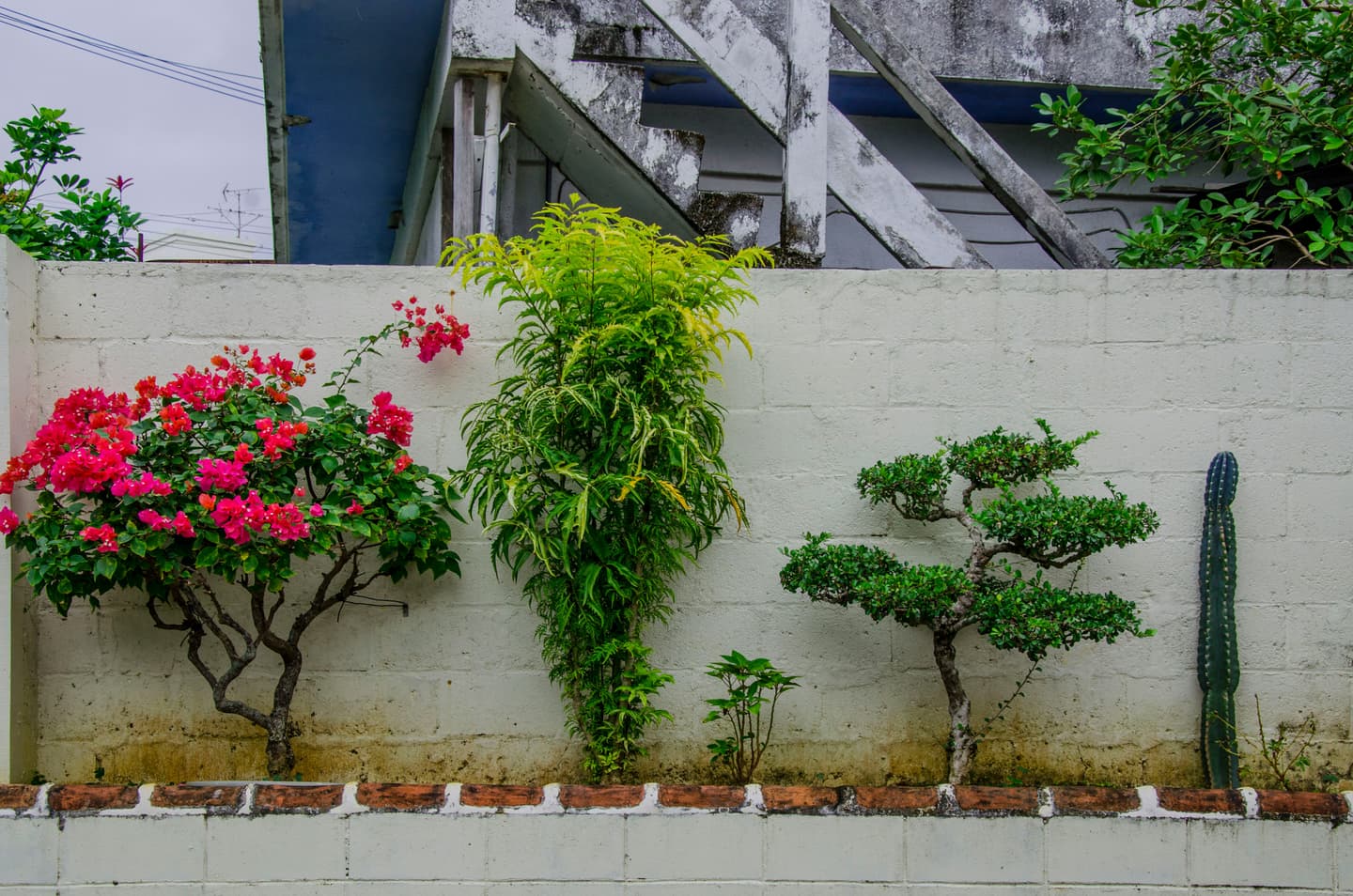
 City postcard
Okinawa City
Japan's rock-and-eisa capital — where Okinawan soul, American swagger, and subtropical beaches collide.
Japan's rock-and-eisa capital — where Okinawan soul, American swagger, and subtropical beaches collide.
Officially known as Okinawa City but beloved by locals as Koza, this central-island metropolis is Okinawa's second-largest city, shaped by decades of American military influence from adjacent Kadena Air Base. Its eclectic streetscape — neon-lit Gate 2 Street, live music clubs, and Okinawan folk bars — sits alongside subtropical botanical gardens, eisa dance festivals, and sun-soaked coastlines. Koza is the undisputed home of Okinawan rock music and the legendary Zento Eisa Matsuri, drawing hundreds of thousands of spectators each summer. With a relaxed pace, affordable living, and bilingual signage, it rewards curious travellers who venture beyond Naha.
City postcardJapan's rock-and-eisa capital — where Okinawan soul, American swagger, and subtropical beaches collide.
 Top sight
A signature stop locals and returning travelers point to in Okinawa City.
 Top sight
A signature stop locals and returning travelers point to in Okinawa City.
A signature stop locals and returning travelers point to in Okinawa City.
A signature stop locals and returning travelers point to in Okinawa City.
A signature stop locals and returning travelers point to in Okinawa City.
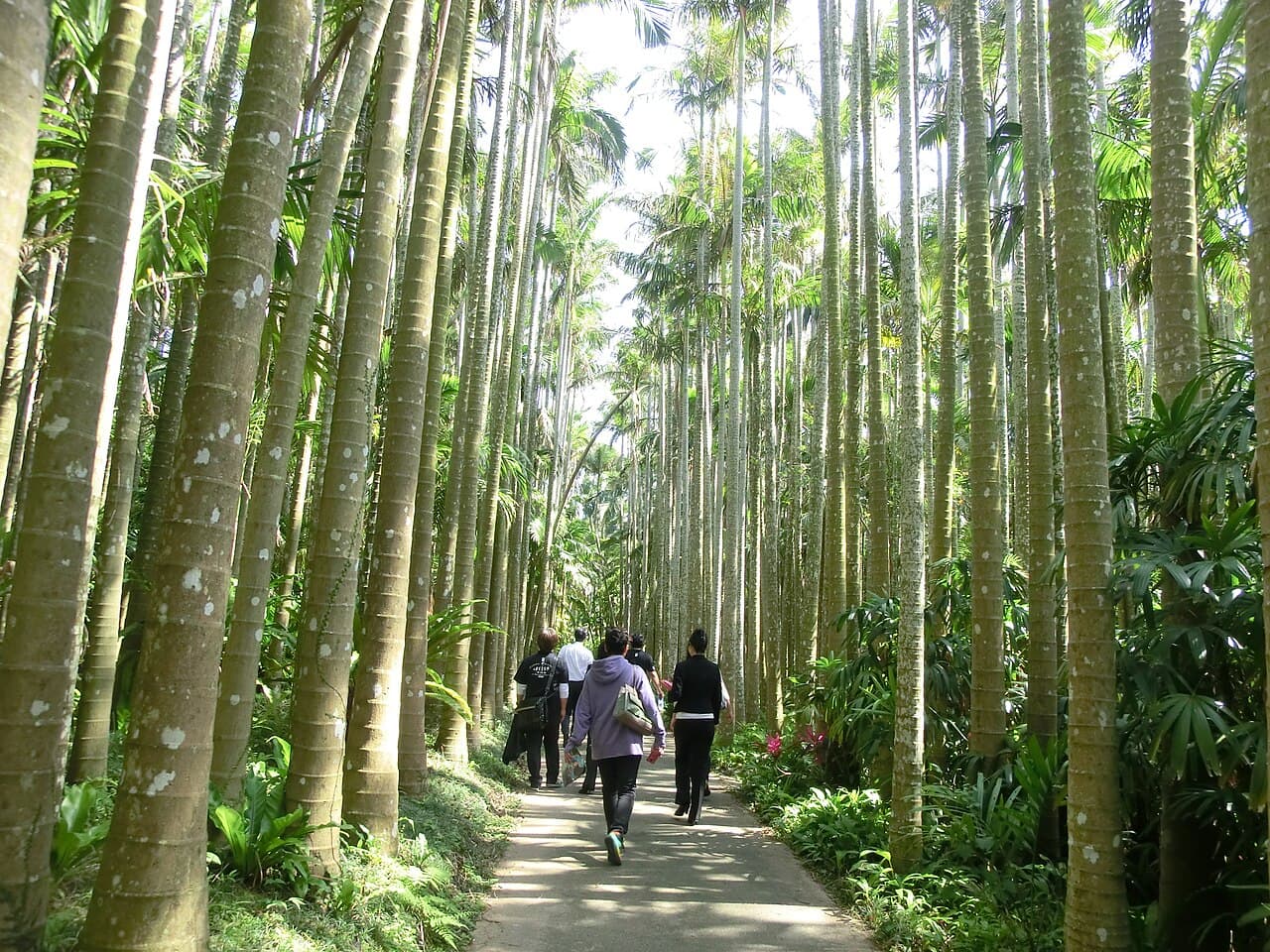
Photo: HKRMSK · CC BY-SA 3.0
A signature stop locals and returning travelers point to in Okinawa City.
A signature stop locals and returning travelers point to in Okinawa City.
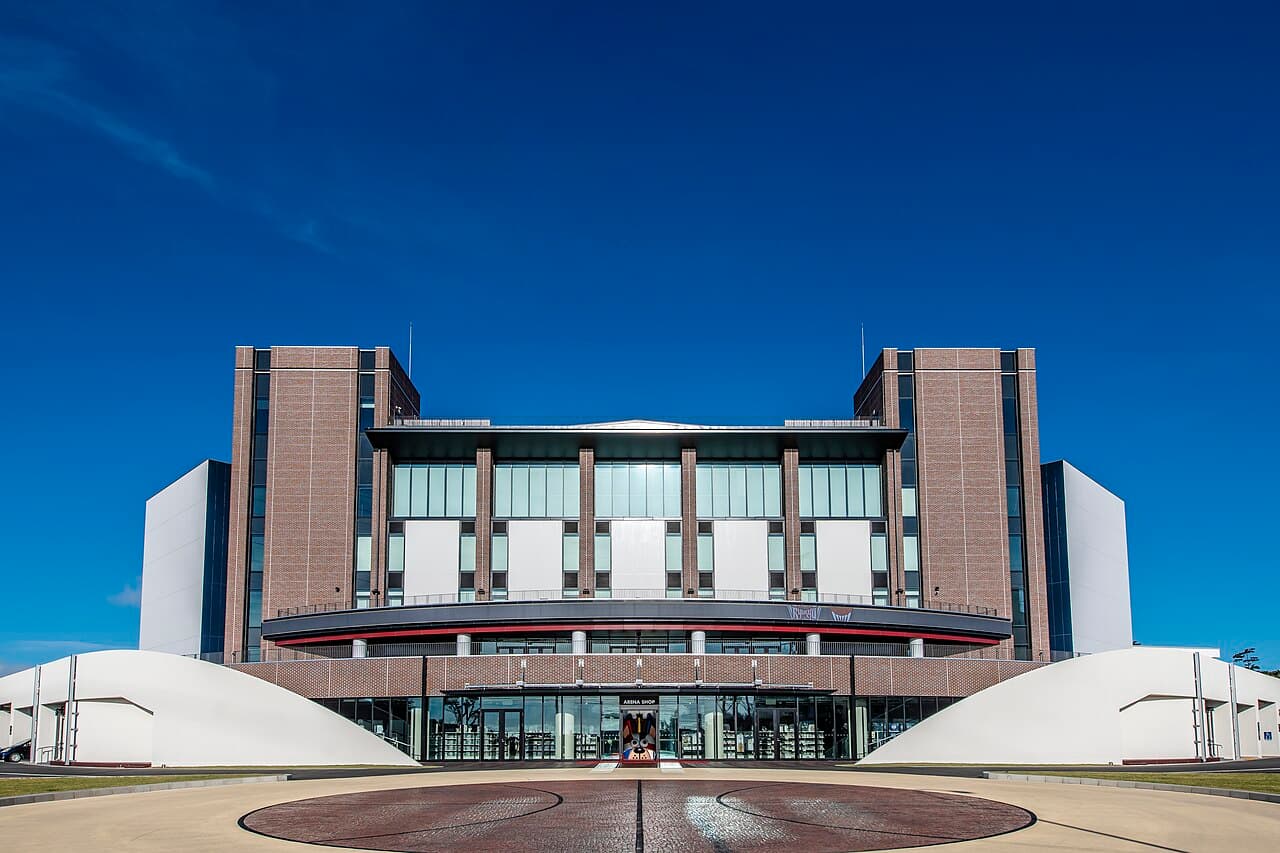
Photo: 沖縄アリーナ · CC BY-SA 4.0
A signature stop locals and returning travelers point to in Okinawa City.
A signature stop locals and returning travelers point to in Okinawa City.
A signature stop locals and returning travelers point to in Okinawa City.
A pocket of Okinawa City with its own temperament — worth a deliberate detour when you're in the area.
A pocket of Okinawa City with its own temperament — worth a deliberate detour when you're in the area.
A pocket of Okinawa City with its own temperament — worth a deliberate detour when you're in the area.
A pocket of Okinawa City with its own temperament — worth a deliberate detour when you're in the area.
Wanderlust Pro
Pro members see insider tips for Okinawa City: a short list of restaurants, cafés and sights, picked by AI as local suggestions to double-check before you go.
The quick answers travelers want before they commit to flights, neighborhoods, and how long to stay.
The main gateway to Okinawa is Naha Airport (OKA), located about 20 km south of Okinawa City. Most domestic flights arrive from Tokyo (approx. 2.5 hrs) and Osaka, with international connections via Tokyo. From Naha Airport, Okinawa City (Koza) is best reached by car — rental cars are available near the terminal and the drive takes roughly 40 minutes via Route 330 in normal traffic. By public bus, take bus #23 (Gushikawa Line) from Naha Bus Terminal and alight at Goya; the ride takes approximately one hour. The Yui Rail monorail connects the airport to central Naha in 15–20 minutes but does not extend to Okinawa City. Cruise ships dock at Naha Port, which is also served by long-distance ferries from Kagoshima on mainland Japan.
Okinawa City has no train or metro service; a rental car is the most practical way to explore at your own pace and is strongly recommended. Car rental agencies cluster near Naha Airport — you book at the terminal counter then shuttle to the off-site lot. Expect fuel costs of roughly ¥1,000–¥2,000 (~$7–$14 USD) per day for island driving, and city parking around ¥200–¥500/hour (~$1.50–$4 USD). Local buses connect the city to Naha and other towns but run infrequently. Within the Koza entertainment district, Gate 2 Street, Park Avenue (BC Street), and Koza Music Town are all easily walkable. Taxis are widely available for short hops. Many shop and restaurant signs in the Gate 2 area are in English, reflecting the city's long-standing American military community.
Spring (late March to early May) and Autumn (October–November) are the sweet spots for visiting Okinawa City. Spring brings pleasantly warm temperatures of 19–21°C (66–70°F), pre-rainy-season skies, and beaches beginning to open — though Golden Week (late April to early May) should be avoided, as prices spike and accommodation books out fast. Autumn is often called the 'golden season': by October the brutal summer humidity has eased, ocean temperatures hover around 25–28°C, typhoon risk drops sharply, and summer crowds have dissolved. The annual Zento Eisa Matsuri, held the weekend after Obon (typically August), is a spectacular reason to brave summer heat — over 300,000 spectators descend on Koza Sports Park to watch eisa troupes from across the island. Winter (December–February) is the quietest and cheapest period; the weather is mild (~17–19°C) with Japan's earliest cherry blossoms in January–February, but too cool for casual swimming. Typhoon season runs June through October, peaking in August–September — flexible itineraries and travel insurance are advisable during this window.
Arrive and check in near Gate 2 Street. Begin with coffee and a stroll along Park Avenue (BC Street), browsing the vintage military-surplus shops and local boutiques that define Koza's character.
Head to Koza Music Town (Oto Ichiba) to visit the Eisa Museum and learn about Okinawa's signature drum dance tradition. Grab lunch at one of the food stalls inside, then wander to Sun City indoor market opposite for quirky local shopping.
As the sun sets, the neon of Gate 2 Street comes alive. Explore the bars, live houses, and clubs — catch a set of Okinawan folk music or rock at one of the storied live venues. Finish with Okinawa taco rice or champuru at a nearby izakaya.
Spend the morning at the Southeast Botanical Gardens, home to over 1,300 plant varieties accumulated over more than 53 years, plus colourful seasonal displays.
Walk or drive to the adjacent Okinawa Zoo & Museum, beloved by families for its wide animal collection, Wonder Museum light-and-sound exhibits, and seasonal flower festivals.
Return to central Koza and explore Nakanomachi for dinner. Look for live eisa performances or check the schedule at Okinawa Arena for concerts or sporting events.
Drive south to the historic Nakagusuku Castle ruins (a 30-min drive from Koza), reachable by bus #30 from Naha Bus Terminal to Ishido followed by a 20-min uphill walk. The panoramic views over central Okinawa are rewarding.
Visit the Okinawa Post-War Cultural Material Museum (Histreet) back in Koza for a poignant look at post-WWII life on the island. Then head to the Awase coastal area for beach time along the east coast.
Wrap up your Okinawa City stay with a farewell dinner on Gate 2 Street. Look for live music at one of the folk music bars that trace their roots to Koza's golden era of Okinawan rock in the 1960s–70s.
Real coworking spaces, laptop-friendly cafés, and libraries mapped near the center of the city — the closest, best-rated desks first.
No coworking-ready spots surfaced for this city yet.
Pick a different category or check back once we’ve indexed more desks for this city.
Ask for cafés, quiet neighborhoods, date-night spots, or a first 48-hour plan.
Mention calls, Wi-Fi needs, or how much of the day has to stay laptop-friendly.
Get faster answers on where to stay, when to move neighborhoods, and what to skip.
Neighborhood explainers, cost breakdowns, and field notes if you want more than the quick brief.
Block off the weeks you're free. Wanderlust turns this dossier — flights, lodging, neighborhoods, timing — into a single draft itinerary in about ninety seconds.
Wanderlust Pro
Insider tips for Okinawa City, unlimited AI-built itineraries, and travel companions you can invite to plan a trip together. From $5.00/month, billed annually.
Wanderlust Pro
Pro members see insider tips for Okinawa City: a short list of restaurants, cafés and sights, picked by AI as local suggestions to double-check before you go.
