Top sight
Top sight
Japan's historic port city where waterfront modernity meets deep multicultural roots.
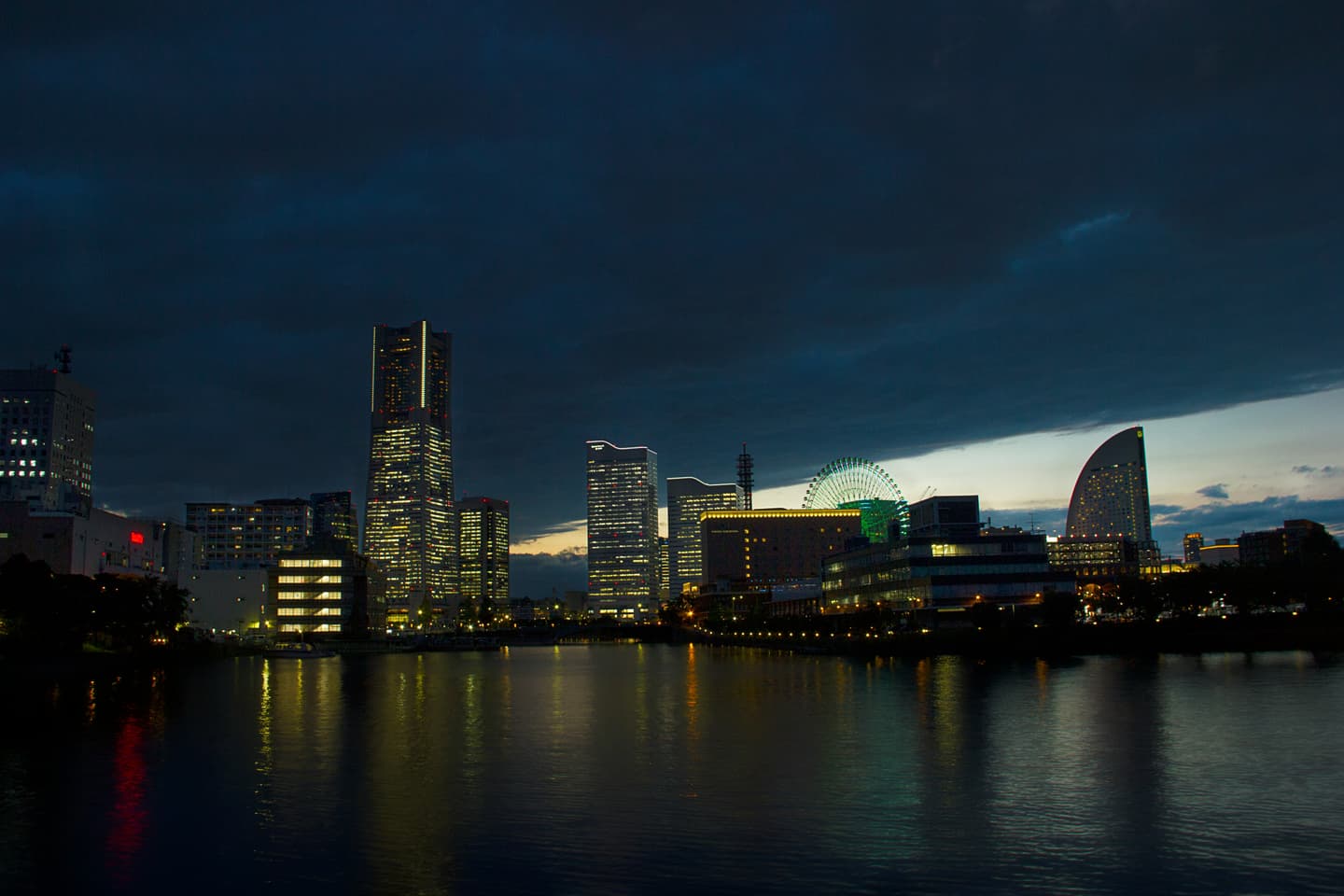
Yokohama is Japan's second-largest city, home to over three million people and one of the world's most storied international ports. First opened to foreign trade in 1859, it grew rapidly from a fishing village into a cosmopolitan metropolis credited with Japanese "firsts" — from the country's first gas lamps and newspaper to its first bakery and ice cream. Today the Minato Mirai 21 waterfront district, Asia's largest Chinatown, historic Sankeien Garden, and a world-class ramen museum make it a destination in its own right, not merely a Tokyo day-trip.
More cities for these months: Where to go in March · Where to go in April · Where to go in May · Where to go in September · Where to go in October · Where to go in November
Insider tips · Wanderlust Pro
Practical tips on the sights and neighbourhoods in this Yokohamaguide — when to go, what most visitors miss. Written with AI about the guide's own places; double-check details before you go. Pro members see every tip.
The quick answers travelers want before they commit to flights, neighborhoods, and how long to stay.
Haneda Airport (HND) is the easiest gateway. The Keikyu Line runs directly to Yokohama Station in about 30 minutes with no transfers, costing just ¥397 with an IC card (roughly ¥400 with a paper ticket). A limousine bus from Haneda also runs to Yokohama Station/YCAT and Minato Mirai stops in about 30–40 minutes. From Narita Airport (NRT), the Narita Express (N'EX) runs direct to Yokohama Station in approximately 90 minutes; tickets average around USD $28–$34. A shuttle bus from Narita takes roughly the same time. From central Tokyo (Shinjuku), the Shōnan-Shinjuku Line reaches Yokohama in just over 30 minutes for ¥580. From Osaka, take the Shinkansen from Shin-Osaka to Shin-Yokohama Station in about 2 hours 40 minutes.
Yokohama's local transit is efficient and affordable. The Yokohama Municipal Subway has two lines — the Blue Line (north–south, linking Shin-Yokohama, Yokohama Station, Sakuragicho, and Kannai) and the Green Line (west–east). The subway base fare starts at ¥210 for the first 3 km. City buses run on about 140 routes with a flat fare of ¥220 for adults. For day-trippers, the Minato Burari Ticket (¥550) covers unlimited bus and subway rides including major tourist spots such as Minato Mirai 21, Yamashita Park, and Chinatown. A One-Day Bus & Subway Pass is available for ¥830. Load a Suica or PASMO IC card for tap-and-go travel on all lines — these are accepted on buses, subways, and the private Minato Mirai Line. The city's official 'my route' app supports digital one-day passes and route planning. For sightseers, the Akai Kutsu tourist bus loops key waterfront attractions at the same ¥220 flat fare. Walking between Minato Mirai, Chinatown, and Yamashita Park is easy and scenic.
Spring (March–May) is Yokohama's most celebrated season — mild temperatures of 52–66°F make strolling the waterfront and Sankeien Garden ideal, and late March to early April brings stunning cherry blossoms. Autumn (September–November) is equally rewarding, with cool, clear days of 58–66°F, golden ginkgo trees lining Nihon Odori street, and vivid autumn foliage. Summer (June–August) is hot and humid (73–83°F) with a higher chance of typhoons and heavy rainfall — fine if you enjoy fireworks and festivals, but dress lightly and prepare for rain. Winter (December–February) is cold and dry (45–48°F), quiet by comparison, but the illuminations season sparkles across the city and surrounding Kanagawa region. Cherry blossom and autumn foliage seasons are the most visited periods — book accommodation early.
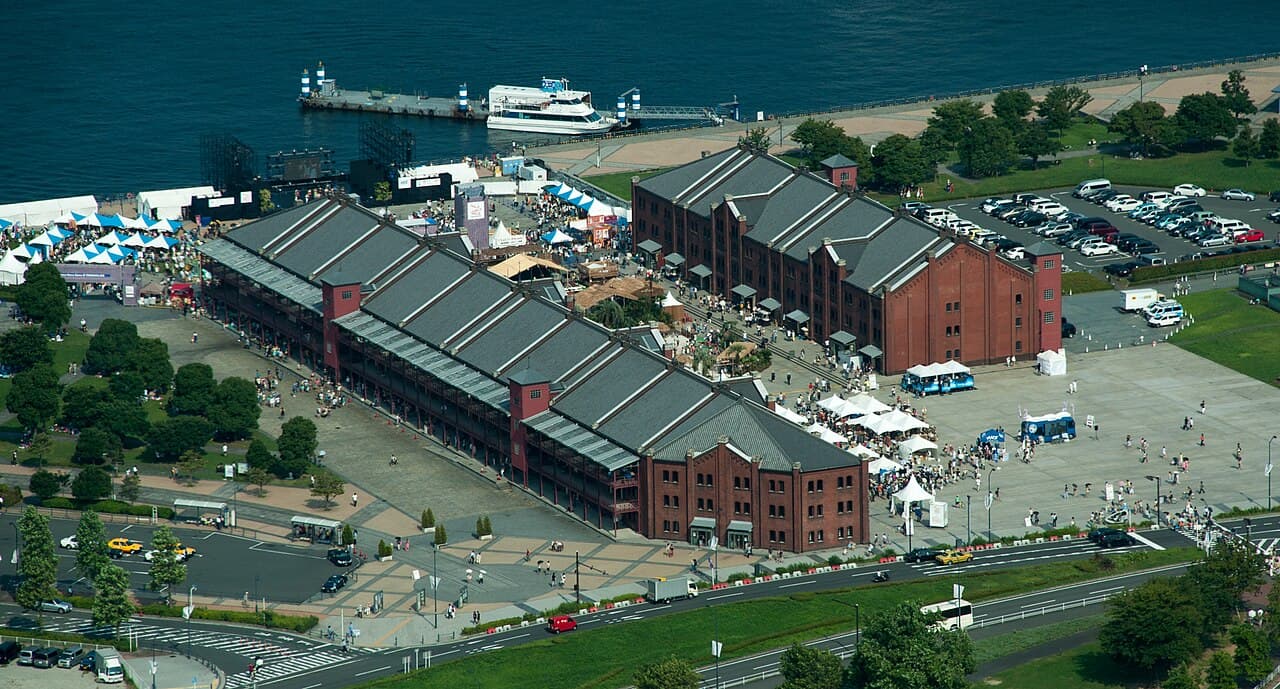
Arrive via Keikyu Line from Haneda and check in near Sakuragicho or Minato Mirai. Start with the iconic Red Brick Warehouse (Akarenga) — browse its shops, cafes, and harbor views from the third-floor balcony.
Walk along the waterfront to Osanbashi Pier for sweeping bay views, then head to Yamashita Park. Board an afternoon bay cruise to see Yokohama's skyline from the water.
Ride the Cosmo Clock 21 Ferris Wheel at dusk for panoramic city lights, then enjoy dinner at a harborside restaurant in Minato Mirai 21.
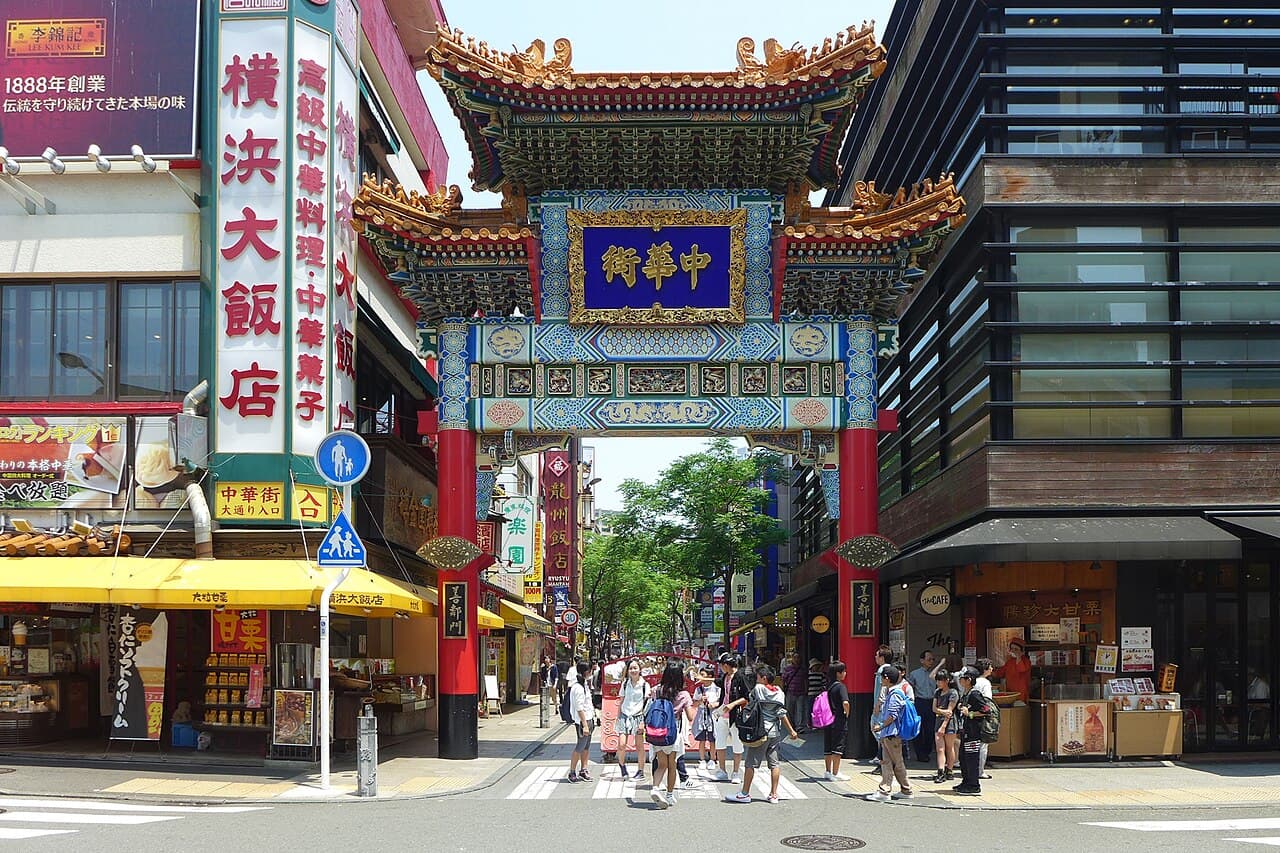
Take the Minato Mirai Line to Motomachi-Chukagai Station and spend the morning grazing through Yokohama Chinatown — the largest in Japan, with over 600 restaurants and food stalls. Try dim sum and custard buns for breakfast.
Stroll up to the Yamate district to see preserved 19th-century Western residences and the Yokohama Archives of History (former British consulate, built 1931). Then take a bus south to Sankeien Garden for a tranquil afternoon among historic buildings, teahouses, and a three-story pagoda.
Return to Noge for dinner at an atmospheric local izakaya in the cozy pub district west of Sakuragicho Station.
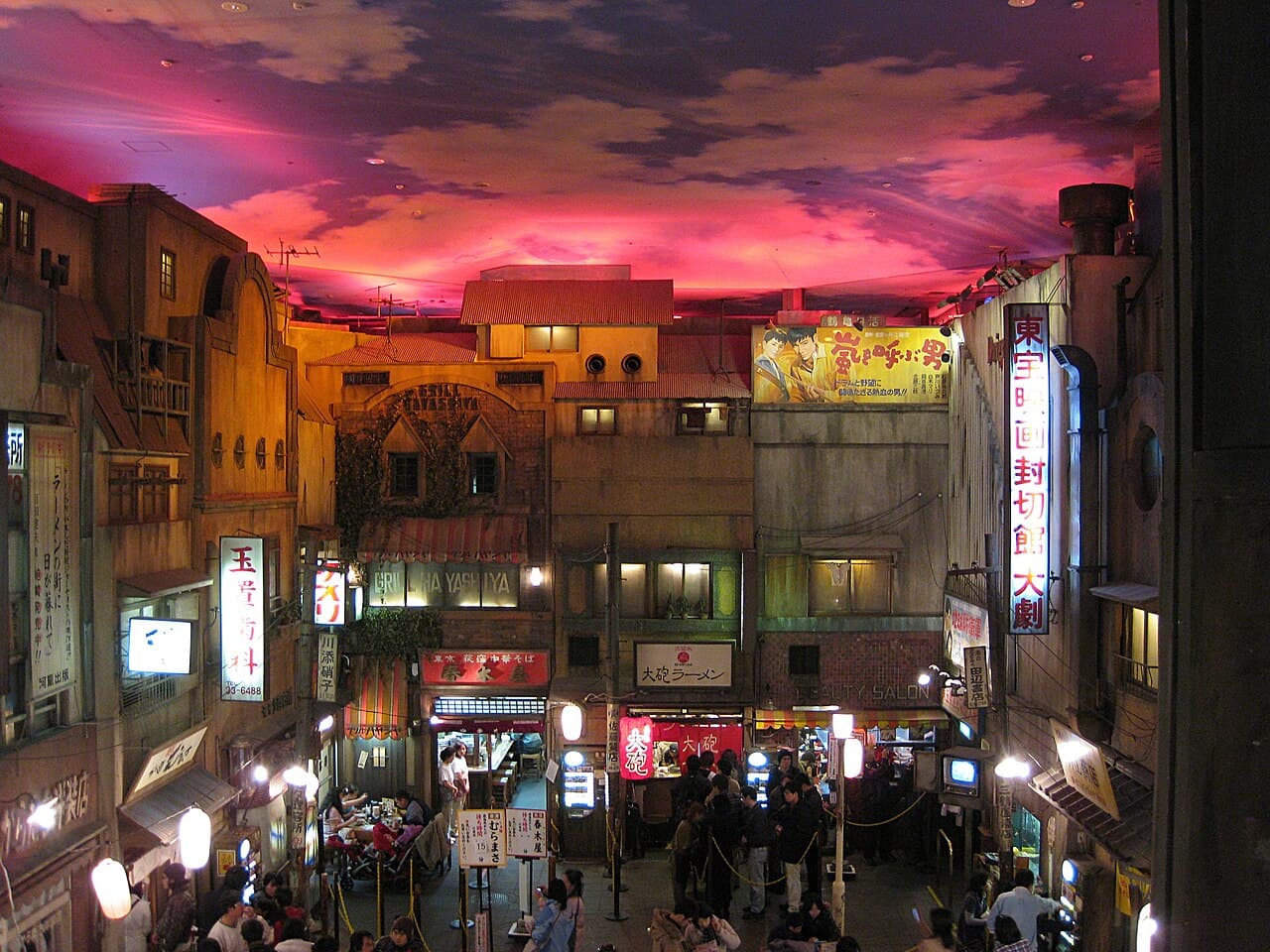
Head to Shinyokohama on the Blue Line to visit the Shin-Yokohama Ramen Museum — an underground replica 1958 food hall where you can sample regional ramen styles from across Japan.
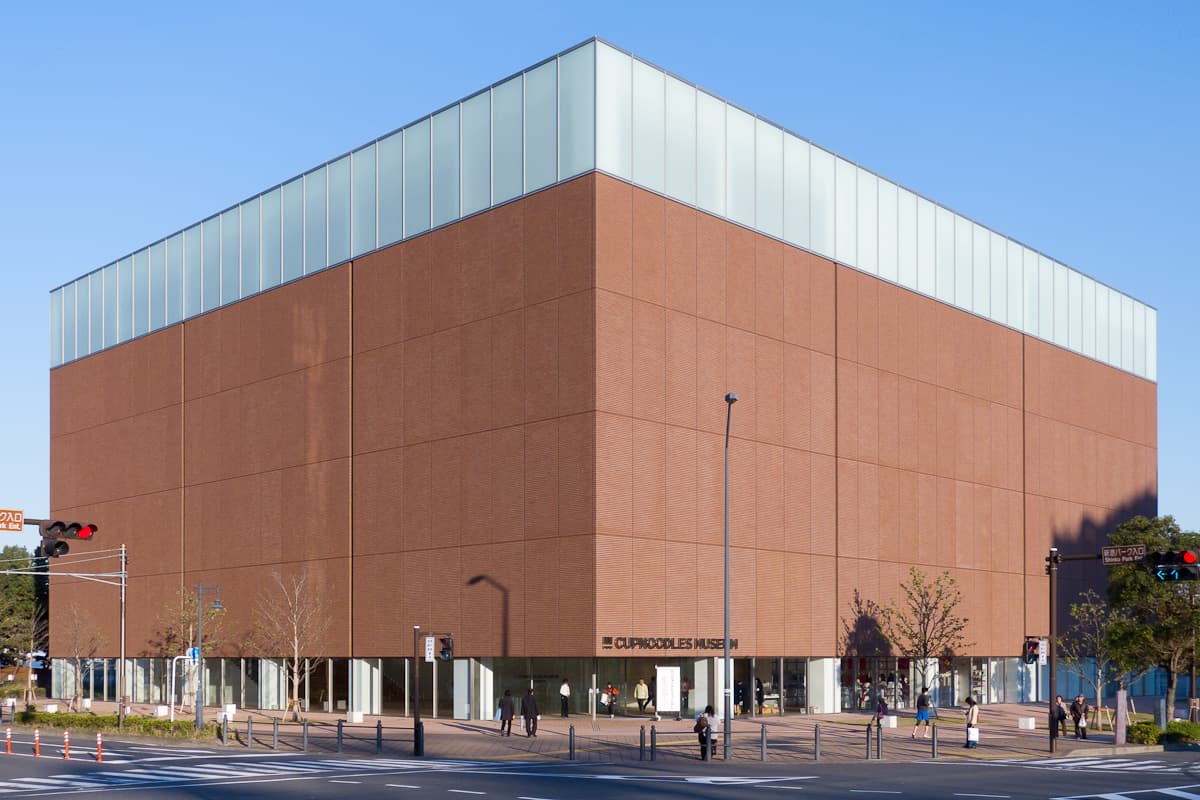
Return downtown and spend the afternoon at the CupNoodles Museum in Minato Mirai, where you can design your own instant ramen cup. Afterwards, explore the BankART1929 gallery and dockside creative hub for contemporary art and local culture.
Catch the Sea-Bass ferry along the waterfront for one final view of the illuminated skyline, then head to Yokohama Station for shopping at Takashimaya or Sogo before departing.
Real coworking spaces, laptop-friendly cafés, and libraries mapped near the center of the city — the closest, best-rated desks first.
No coworking-ready spots surfaced for this city yet.
Pick a different category or check back once we’ve indexed more desks for this city.
Ask for cafés, quiet neighborhoods, date-night spots, or a first 48-hour plan.
Mention calls, Wi-Fi needs, or how much of the day has to stay laptop-friendly.
Get faster answers on where to stay, when to move neighborhoods, and what to skip.
Written by signed-in Wanderlust members. We don't check that a reviewer has visited.
No reviews of Yokohama yet.
Tell the planner your dates, who's coming, your budget and pace, and it drafts a day-by-day itinerary you can edit.
Wanderlust Pro
Insider tips for Yokohama, unlimited AI-built itineraries, and travel companions you can invite to plan a trip together. From $5.00/month, billed annually.
Insider tips · Wanderlust Pro
Practical tips on the sights and neighbourhoods in this Yokohamaguide — when to go, what most visitors miss. Written with AI about the guide's own places; double-check details before you go. Pro members see every tip.