Top sight
Top sight
Okinawa's subtropical capital — where Ryukyu heritage, tropical beaches, and izakaya nightlife meet.
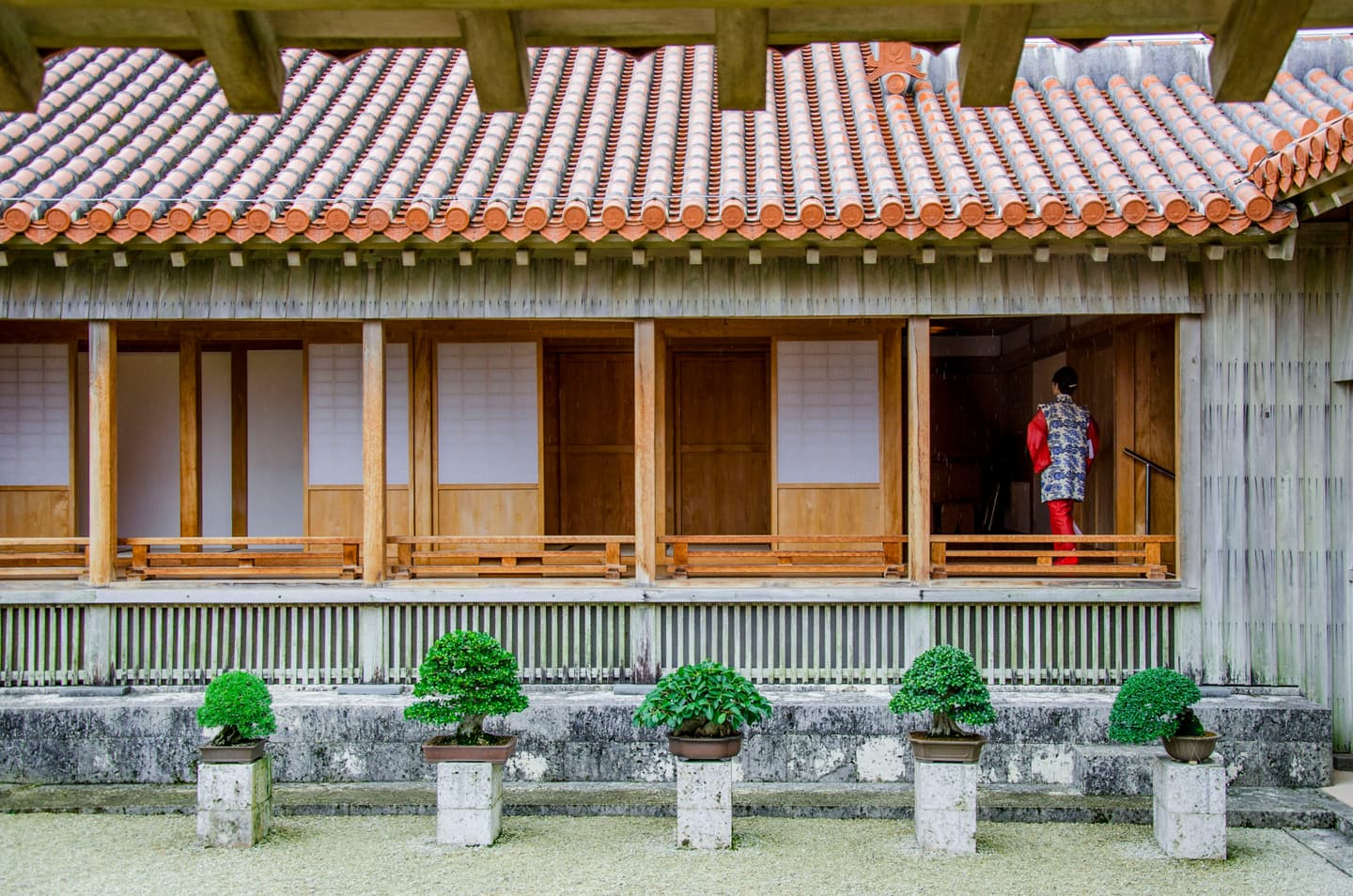
Naha is the vibrant capital of Okinawa Prefecture and the gateway to Japan's southernmost islands, blending a rich Ryukyu Kingdom past with lively urban energy. The city is anchored by Kokusai Street's bustling 1.6 km strip of shops and restaurants, the UNESCO-listed Shuri Castle, and a cuisine unlike anywhere else in Japan — fusing Japanese, Chinese, and American influences. As Okinawa's only city with a public rail system, Naha is easy to navigate and serves as the perfect launchpad for island-hopping across the Kerama and Ryukyu archipelagos.
More cities for these months: Where to go in March · Where to go in April · Where to go in October · Where to go in November
Insider tips · Wanderlust Pro
Practical tips on the sights and neighbourhoods in this Nahaguide — when to go, what most visitors miss. Written with AI about the guide's own places; double-check details before you go. Pro members see every tip.
The quick answers travelers want before they commit to flights, neighborhoods, and how long to stay.
Naha is served exclusively by Naha Airport (OKA), Okinawa's only commercial airport. Direct flights from Tokyo (Haneda/Narita) take approximately 2 hours 30 minutes, and from Osaka roughly 1 hour 45 minutes. International connections serve Taiwan, Hong Kong, and South Korea. From the airport, the Yui Rail monorail departs from a station directly connected to the domestic terminal — a ride to central Naha (Asahibashi/Makishi stations) takes about 10–15 minutes and costs ¥230–¥330 depending on distance. Taxis to the city center take about 15 minutes. Ferries depart from Tomari Wharf for the Kerama Islands and other Okinawan islands, and from Naha Wharf for Kagoshima and the Amami Islands.
The Okinawa Urban Monorail — branded Yui Rail — is the city's transit backbone and the only public rail system in Okinawa Prefecture. Its 19 stations span 17 km from Naha Airport to Tedako-Uranishi, stopping twice along Kokusai Street (Asahibashi and Makishi stations) and continuing to Shuri Station (a 15–20 minute walk from Shuri Castle). Trains run daily 06:00–23:30, roughly every 7–15 minutes. Single fares range from ¥230 to ¥330 by distance; a 1-day pass (¥800) and 2-day pass (¥1,400) offer unlimited rides plus discounts at major attractions including Shuri Castle and the Prefectural Museum. Pay with OKICA (the local IC card, available at station machines), or major IC cards such as Suica. Note: major IC cards cannot be used on buses — get an OKICA for bus travel too. City buses have a flat fare of ¥240–¥260 within central Naha; fares rise by distance beyond that zone. For day trips outside the city, rental cars are strongly recommended — a small car typically costs ¥30–¥35 USD/day at the airport.
Naha enjoys a humid subtropical climate with gloriously long summers and mild winters — temperatures range from a cool 21°C (70°F) in February to a sweltering 30°C (86°F) in August. The sweet spots for most visitors are spring (March–May) and autumn (October–November). Spring brings pleasant warmth, the tail end of Okinawa's early cherry blossom season, and the lively Naha Haarii dragon boat races in May. Autumn sees temperatures settle into a comfortable 20–25°C range with lower humidity and the calendar packed with events: the massive Naha Great Tug-of-War Festival in October (one of the world's largest), and the spectacular Shuri Castle Festival at the end of October. Avoid late May through early June (rainy season) and August through September (peak typhoon season and extreme humidity). Winter (December–February) is quieter, prices dip, crowds thin, and Japan's earliest cherry blossoms bloom from mid-January — a unique tropical twist on the classic sakura experience.
Arrive via Yui Rail from the airport and check in near Makishi or Asahibashi Station. Head straight to Makishi Public Market to browse the fishmongers and sample fresh local produce at the upstairs restaurant floor.
Stroll the full length of Kokusai Street, ducking into the covered arcade side streets for Okinawan crafts, kariyushi shirts, and awamori tasting. Visit the Okinawa Prefectural Museum & Art Museum at Omoromachi for an introduction to Ryukyu Kingdom history.
Return to Kokusai Street for dinner at an izakaya — try goya champuru, Okinawa soba, and taco rice washed down with Orion beer or local awamori spirits. Explore the lively bars and live music venues after dark.
Ride the Yui Rail to Shuri Station and walk up to Shurijo Castle Park. Tour the castle gates, stone walls, and scenic viewpoints over the city. Note: the main hall's reconstruction is ongoing but the grounds and exhibits remain open and impressive.
Walk or take a short bus back toward Tsuboya Yachimun Pottery Street — a district lined with traditional ceramics studios and shops selling distinctive Okinawan yachimun pottery. Pick up handmade pieces as authentic souvenirs.
Head to Naminoue Beach for sunset — the only swimming beach within Naha city, set below the dramatic Naminoue Shrine clifftop. Cap the night with a steak dinner; Naha has an abundance of quality steakhouses, a legacy of its American cultural influence.
Take a short taxi or bus to Tomari Wharf and catch an early high-speed ferry to the Kerama Islands (approx. 30–50 min journey). The Keramas are renowned for some of the clearest water in Japan, with visibility up to 40 m.
Snorkel or dive the coral reefs teeming with sea turtles and tropical fish. In winter months, join a whale-watching tour to spot humpback whales in the surrounding waters. Pack a picnic or eat at a small island cafe.
Return to Naha by late afternoon ferry. Wind down with Okinawan doughnuts and a browse of the second-hand shops around Kokusai Street, or catch a traditional Ryukyu dance performance at one of the dinner-theater restaurants near the city center.
Real coworking spaces, laptop-friendly cafés, and libraries mapped near the center of the city — the closest, best-rated desks first.
No coworking-ready spots surfaced for this city yet.
Pick a different category or check back once we’ve indexed more desks for this city.
Ask for cafés, quiet neighborhoods, date-night spots, or a first 48-hour plan.
Mention calls, Wi-Fi needs, or how much of the day has to stay laptop-friendly.
Get faster answers on where to stay, when to move neighborhoods, and what to skip.
Written by signed-in Wanderlust members. We don't check that a reviewer has visited.
No reviews of Naha yet.
Tell the planner your dates, who's coming, your budget and pace, and it drafts a day-by-day itinerary you can edit.
Wanderlust Pro
Insider tips for Naha, unlimited AI-built itineraries, and travel companions you can invite to plan a trip together. From $5.00/month, billed annually.
Insider tips · Wanderlust Pro
Practical tips on the sights and neighbourhoods in this Nahaguide — when to go, what most visitors miss. Written with AI about the guide's own places; double-check details before you go. Pro members see every tip.