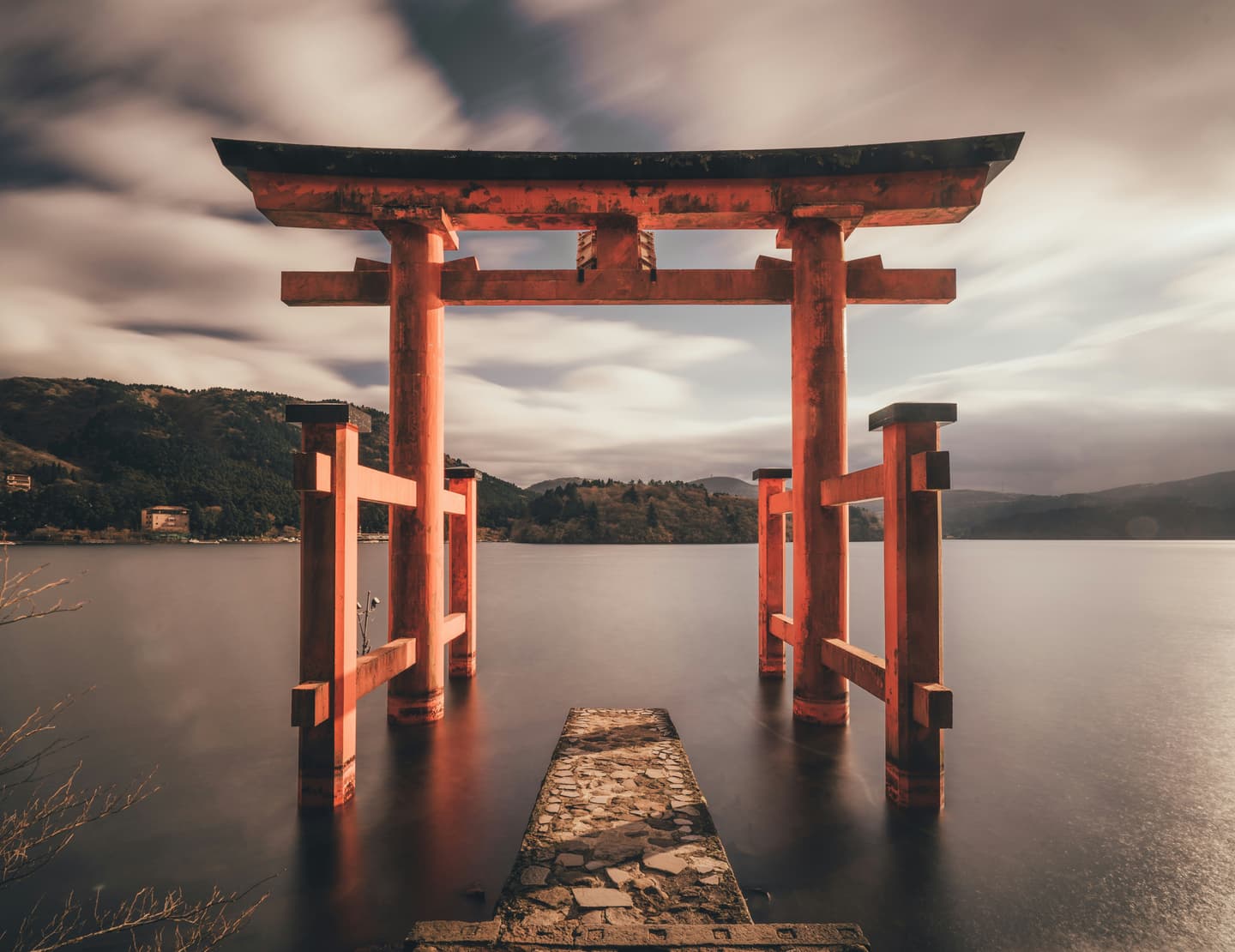
 City postcard
Kyoto
Japan's ancient capital — 1,200 years of temples, tea ceremony, and timeless beauty.
Japan's ancient capital — 1,200 years of temples, tea ceremony, and timeless beauty.
Kyoto is Japan's cultural soul, home to over 1,600 Buddhist temples and Shinto shrines, UNESCO World Heritage palaces, and a living geisha tradition that has endured for centuries. Surrounded by mountains, the city pairs Zen gardens and bamboo groves with world-class kaiseki cuisine and a buzzing café scene rooted in centuries-old machiya townhouses. Newer attractions like TeamLab Biovortex Kyoto (opened October 2025) show the city is still evolving, while neighborhood efforts to manage overtourism are making it easier to find quiet corners even at peak season.
City postcardJapan's ancient capital — 1,200 years of temples, tea ceremony, and timeless beauty.
 Top sight
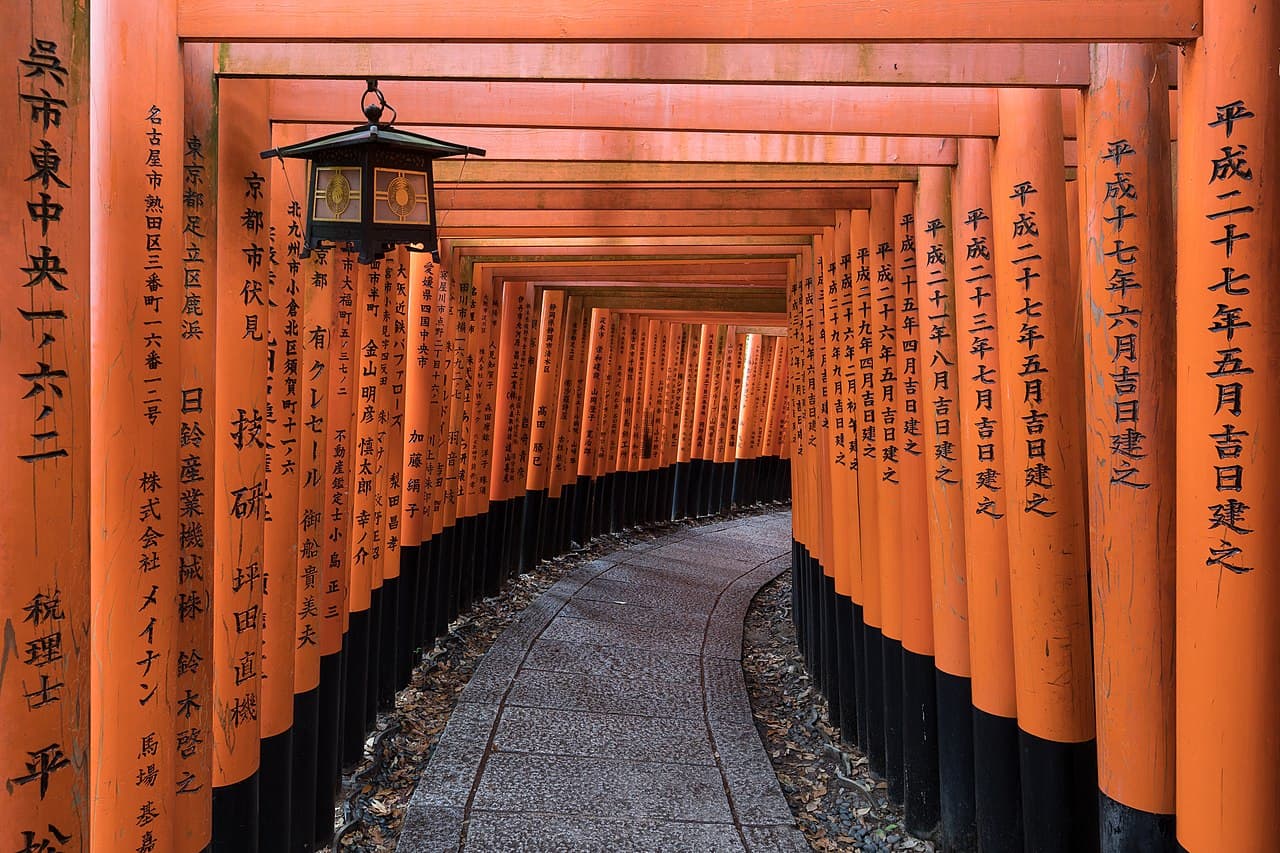
A signature stop locals and returning travelers point to in Kyoto.
 Top sight
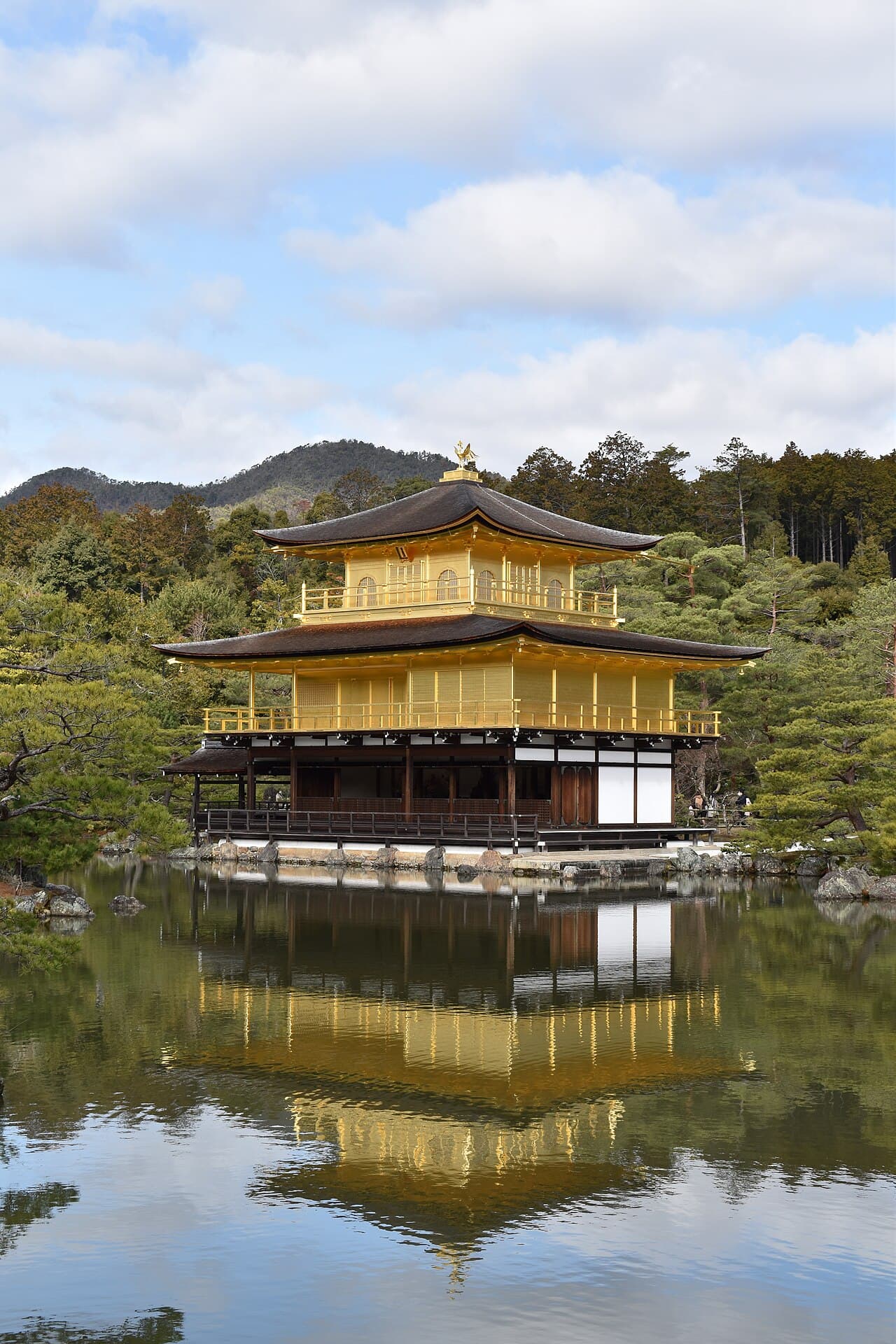
A signature stop locals and returning travelers point to in Kyoto.
 Top sight
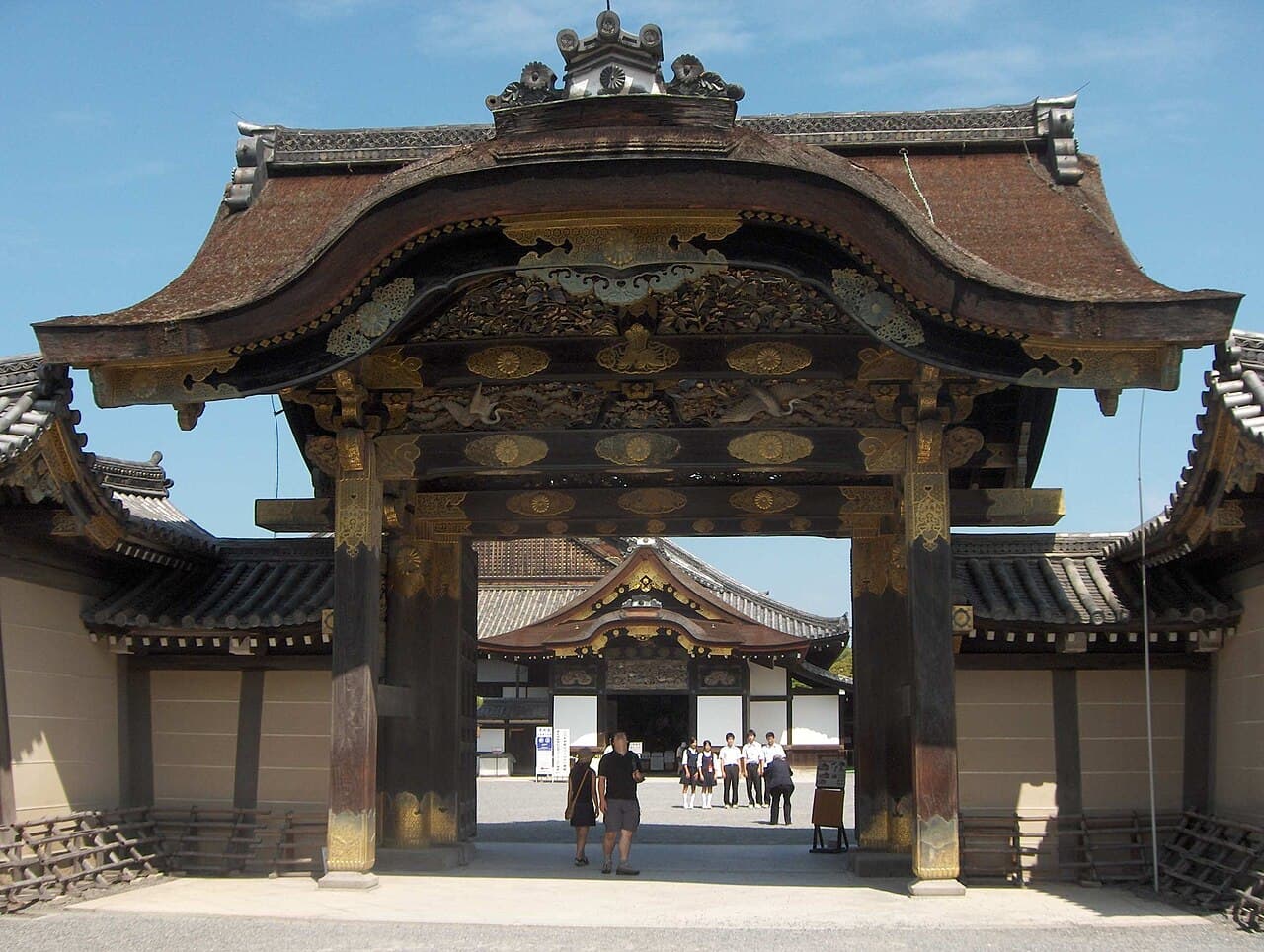
A signature stop locals and returning travelers point to in Kyoto.
A signature stop locals and returning travelers point to in Kyoto.
Photo: Basile Morin · CC BY-SA 4.0
A signature stop locals and returning travelers point to in Kyoto.
A signature stop locals and returning travelers point to in Kyoto.
Photo: Nacaru · CC BY-SA 4.0
A signature stop locals and returning travelers point to in Kyoto.
A signature stop locals and returning travelers point to in Kyoto.
A signature stop locals and returning travelers point to in Kyoto.
A signature stop locals and returning travelers point to in Kyoto.
Photo: Wikimedia Commons · Public domain
A signature stop locals and returning travelers point to in Kyoto.
A visual anchor inside Kyoto worth building into the route.
A pocket of Kyoto with its own temperament — worth a deliberate detour when you're in the area.
A pocket of Kyoto with its own temperament — worth a deliberate detour when you're in the area.
A pocket of Kyoto with its own temperament — worth a deliberate detour when you're in the area.
A pocket of Kyoto with its own temperament — worth a deliberate detour when you're in the area.
Wanderlust Pro
Pro members see insider tips for Kyoto: a short list of restaurants, cafés and sights, picked by AI as local suggestions to double-check before you go.
The quick answers travelers want before they commit to flights, neighborhoods, and how long to stay.
Kyoto has no airport of its own. The primary gateway is Kansai International Airport (KIX), ~75 km to the southwest. The fastest and most convenient option is the JR Haruka Limited Express, which runs directly to Kyoto Station in approximately 75 minutes with no transfers, departing every 30 minutes (first service ~06:31, last at 22:16). A non-reserved seat costs ¥3,060; a reserved seat is ¥3,590. JR Pass holders ride free. Foreign visitors on a Temporary Visitor visa can purchase a discounted Haruka One-Way Ticket (around ¥2,200) via JR West or platforms like Klook. A slower but cheaper option is the JR Airport Rapid + Special Rapid combination (transfer at Osaka Station) for ¥1,860, taking about 100 minutes. The Limousine Bus is a luggage-friendly alternative, running roughly every 30–60 minutes direct to Kyoto Station's Hachijo-guchi exit in about 85–100 minutes for ¥2,800. Osaka Itami Airport (ITM) is the closer domestic airport (~45 km) with bus and taxi access of about 1 hour. From Tokyo, the Tokaido Shinkansen Hikari service reaches Kyoto Station in roughly 2 hours 40 minutes (JR Pass valid); the faster Nozomi takes ~2 hours 15 minutes but is not JR Pass-eligible.
Kyoto's city bus network is the backbone of sightseeing — virtually every major attraction is reachable by bus. The flat fare within central Kyoto is ¥230 per ride (cash or IC card). Note that the bus-only day pass has been discontinued; instead, the Subway & Bus 1-Day Pass (¥1,100 adults / ¥550 children) covers unlimited rides on city buses, both subway lines, and select other lines, and is the recommended pass for most visitors. The municipal subway has two lines: the Karasuma Line (north–south through Kyoto Station) and the Tozai Line (east–west, serving Nijo Castle and Higashiyama). Subway fares start at ¥220. All major IC cards — ICOCA, Suica, Pasmo — work seamlessly on buses, subways, JR local trains, and private railways including Keihan, Hankyu, and Kintetsu. For Arashiyama, the fastest option is the JR Sagano Line from Kyoto Station to Saga-Arashiyama (15 minutes, ¥240). Bicycles are an excellent and popular way to explore flat central Kyoto; rental shops are widespread. Taxis start at ¥500 for the first kilometer, then ¥100 per 279 meters — useful for groups or late-night travel.
Kyoto is a year-round destination, but two seasons reign supreme. Spring (late March to early May) draws enormous crowds for sakura season — cherry blossom peak in Kyoto typically falls in early to mid-April, and the city's parks, temple grounds, and canal paths transform into pink corridors. Autumn (mid-October through late November) is equally spectacular, with fiery maple foliage at its peak in mid-to-late November. Both peak seasons are genuinely breathtaking, but also genuinely crowded; arriving early at popular sights (at opening time or before) makes a significant difference. Shoulder windows just before or after these peaks — late March before full bloom, or early October — can offer good colour without the worst congestion. Summer (June–August) brings hot, humid weather and is considered an off-peak period, but it hosts major festivals including the famous Gion Matsuri in July. Winter (December–February) is quiet, affordable, and occasionally dusted with snow that transforms temple gardens into rare beauty. Use the official Kyoto Travel Congestion Forecast map and live cameras to time visits to specific sights in real time.
Start at Fushimi Inari Taisha at dawn to beat the crowds on the iconic vermillion torii gate trails. Take the Keihan Line back north to Gojozaka and hike up to Kiyomizu-dera Temple for panoramic city views.
Descend through the Higashiyama historic district — browse the Ninenzaka and Sannenzaka stone-paved lanes lined with craft shops and matcha cafés. Continue north along the Philosopher's Path, especially stunning if cherry blossoms or autumn colour are in season.
Arrive in Gion at dusk. Stroll Hanamikoji-dori and the atmospheric back lanes to spot a geiko or maiko heading to an engagement. Dinner at one of the district's traditional kaiseki or yakitori restaurants.
Take bus 101 or 205 from Kyoto Station to Kinkaku-ji (the Golden Pavilion) — arrive early before tour groups. Walk or bus to Ryoan-ji Temple to contemplate Japan's most famous rock garden in quiet morning light.
Head to Arashiyama via the JR Sagano Line (15 min, ¥240 from Kyoto Station). Walk through the Bamboo Grove, ideally at midday when the light filters through the canopy. Explore the riverbank, Tenryu-ji garden, and the charming Sagano neighbourhood shops.
Return to central Kyoto and explore Nishiki Market ('Kyoto's Kitchen') for street snacks — grilled tofu skewers, fresh yuba, pickled vegetables. Evening drinks in the Kawaramachi / Pontocho riverside alley district.
Visit Nijo Castle (Subway Tozai Line to Nijojo-mae) — a World Heritage shogunate palace with 'nightingale floors' and spectacular garden. Pick up an ICOCA card at Kyoto Station if you haven't already, topping it up for the day.
Head to TeamLab Biovortex Kyoto (opened October 2025) for an immersive digital-art experience unlike anything else in the city — allow 2+ hours to explore the interactive installations. Afterwards, browse the artisan shops and galleries of the Karasuma / Shijo central district.
Catch a sunset view from the rooftop area near Kyoto Station or Kyoto Tower. End with a final dinner in one of the many restaurants inside Kyoto Station's upper floors, then depart via the Haruka or Shinkansen.
Real coworking spaces, laptop-friendly cafés, and libraries mapped near the center of the city — the closest, best-rated desks first.
No coworking-ready spots surfaced for this city yet.
Pick a different category or check back once we’ve indexed more desks for this city.
Ask for cafés, quiet neighborhoods, date-night spots, or a first 48-hour plan.
Mention calls, Wi-Fi needs, or how much of the day has to stay laptop-friendly.
Get faster answers on where to stay, when to move neighborhoods, and what to skip.
There aren’t any, yet!
Block off the weeks you're free. Wanderlust turns this dossier — flights, lodging, neighborhoods, timing — into a single draft itinerary in about ninety seconds.
Wanderlust Pro
Insider tips for Kyoto, unlimited AI-built itineraries, and travel companions you can invite to plan a trip together. From $5.00/month, billed annually.
Wanderlust Pro
Pro members see insider tips for Kyoto: a short list of restaurants, cafés and sights, picked by AI as local suggestions to double-check before you go.