Top sight
Top sight
Japan's cosmopolitan port city — where mountain hikes, Michelin-starred beef, and harbor sunsets collide.
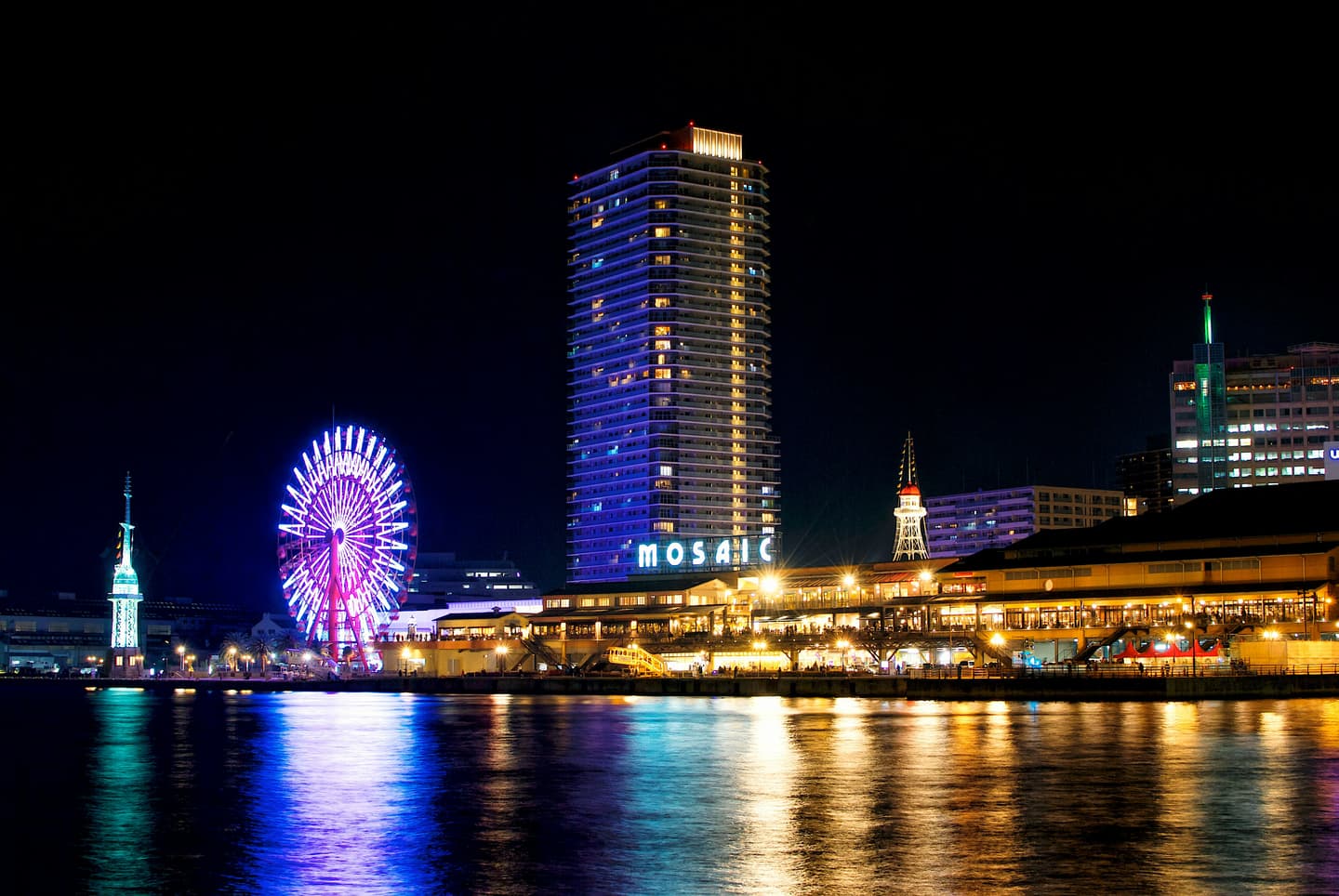
Kobe is the capital of Hyogo Prefecture, nestled between the Rokko mountain range and Osaka Bay — a setting that makes it one of Japan's most scenically striking cities. Its port was among the first opened to foreign trade in the 19th century, giving the city a uniquely international DNA expressed in its Ijinkan mansions, Nankinmachi Chinatown, and world-famous Kobe beef. Compact and walkable, Kobe pairs cosmopolitan flair with easy day-trip access to Osaka, Kyoto, and the hot-spring town of Arima Onsen. The city's remarkable post-earthquake revival has produced innovative urban design and a resilient, welcoming community.
More cities for these months: Where to go in March · Where to go in April · Where to go in May · Where to go in October · Where to go in November


Insider tips · Wanderlust Pro
Practical tips on the sights and neighbourhoods in this Kobeguide — when to go, what most visitors miss. Written with AI about the guide's own places; double-check details before you go. Pro members see every tip.
The quick answers travelers want before they commit to flights, neighborhoods, and how long to stay.
The primary international gateway is Kansai International Airport (KIX). There is no direct train — all rail routes require at least one transfer, typically at Osaka Station. By train, the JR Kansai Airport Rapid takes approximately 75 minutes to Sannomiya for around ¥1,180. By airport limousine bus (Hankyu Kanko/KATE), direct nonstop service from KIX Terminal 1 to Kobe Sannomiya takes approximately 65 minutes; buses depart every 30 minutes and cost around ¥1,800–¥2,000. The fastest option is the high-speed Bay Shuttle ferry from KIX to Kobe Airport, which takes approximately 30 minutes for ¥1,880; a shuttle bus connects the KIX terminal to the ferry pier. From Kobe Airport, the Port Liner monorail reaches Sannomiya in under 20 minutes for ¥340. Travelers from Tokyo can take the Tokaido-Sanyo Shinkansen directly to Shin-Kobe Station, a short subway ride north of downtown Sannomiya. From Kyoto, the JR Special Rapid on the JR Kyoto Line reaches Sannomiya in 51 minutes for ¥1,080. Osaka to Sannomiya via the JR Kobe Line takes about 20 minutes for ¥410.
Kobe is compact and highly walkable, especially around Sannomiya, Motomachi, and Kitano-cho. The city's hub is Sannomiya Station, served by JR, Hankyu, Hanshin, the Kobe Municipal Subway, and the Port Liner — all intersecting at adjacent stations. Train fares within Kobe start at around ¥140–¥210; a trip between Kobe and Osaka on the JR line costs around ¥410. The Kobe Municipal Subway runs two lines (Seishin-Yamate and Kaigan), with fares from ¥210 and trains every 5–10 minutes from 5:30 AM to midnight. For tourists, the City Loop bus (green retro-style) stops at 15 major attractions between Shin-Kobe and Harborland, with a single ride at ¥300 and a day pass for ¥800. The Kobe Meguri 1-Day Coupon (¥1,000) offers unlimited rides on subways, non-JR trains, and select buses, plus an ¥800 coupon for tourist attraction admission. Taxis are plentiful, with a base fare of around ¥660 for the first 2 km. Load an ICOCA or Suica IC card to tap-pay across trains, subways, buses, and even convenience stores. Google Maps and the Jorudan app provide reliable real-time route planning.
Spring (March–May) is Kobe's most photogenic season, with cherry blossoms lighting up parks and the mountain slopes of Rokko, and temperatures ranging from a mild 10–20°C. May sees the highest spring rainfall, so pack a compact umbrella. Autumn (October–November) brings equally pleasant weather of 14–25°C, brilliant foliage on Mount Rokko, and a festive atmosphere in Nankinmachi. Both seasons are peak travel periods in Japan — expect crowds and higher accommodation prices, particularly during Golden Week (late April to early May). Summer (June–August) is hot and humid, averaging 28–35°C, with typhoon risk in late summer; compensate with beach visits at Suma or a cable-car trip to the cooler heights of Rokko. Winter (December–February) is cold and dry (3–13°C), but ideal for soaking in Arima Onsen's famous gold and silver hot-spring waters, and crowds are thinnest. Budget travelers and those avoiding crowds may find November or early March the sweet spot.
Take the Nunobiki Ropeway up to the Kobe Nunobiki Herb Gardens, home to over 200 plant species, and enjoy sweeping views over the city and bay from the mountaintop.
Walk down to the historic Kitano-cho district to explore the Ijinkan Western-style mansions built by Meiji-era foreign merchants. Stroll Tor Road's cafés and boutiques, then visit the ancient Ikuta Shrine, founded in 201 AD, in the heart of downtown.
Head to Meriken Park for sunset views of the harbor, scale the 108-meter Kobe Port Tower for panoramic night views, and dine on certified Kobe beef at a restaurant near Harborland.
Explore Nankinmachi (Chinatown), one of Japan's three largest, for breakfast dim sum and street food. Browse the historic Motomachi shopping arcade nearby.
Head east to the Nada district, Japan's premier sake-brewing area (Nada-gogo). Visit the Hakutsuru Sake Brewery Museum for multilingual audio tours and free tastings of freshly-brewed sake.
Return to Sannomiya for dinner at a local izakaya. Sample Akashiyaki (Kobe's savory egg-ball specialty) and fresh port-side seafood, then explore Kobe's bar scene along Kitanozaka.
Take the Rokko Cable Car up to Mount Rokko for panoramic views stretching from Kobe's harbor to Osaka Bay. Hike the ridge trails and visit the Rokko Alpine Botanical Garden.
Descend via the Rokko-Arima Ropeway into Arima Onsen, a celebrated hot-spring resort within Kobe city limits. Soak in the iron-rich 'gold spring' (kinsen) or colorless 'silver spring' (ginsen) baths at one of the historic bathhouses.
Return to Sannomiya (30–40 min by bus or ropeway connection) for a final dinner. Pick up souvenir Kobe beef jerky, sake, and Arima's famous sansen sembei crackers before departing.
Real coworking spaces, laptop-friendly cafés, and libraries mapped near the center of the city — the closest, best-rated desks first.
No coworking-ready spots surfaced for this city yet.
Pick a different category or check back once we’ve indexed more desks for this city.
Ask for cafés, quiet neighborhoods, date-night spots, or a first 48-hour plan.
Mention calls, Wi-Fi needs, or how much of the day has to stay laptop-friendly.
Get faster answers on where to stay, when to move neighborhoods, and what to skip.
Written by signed-in Wanderlust members. We don't check that a reviewer has visited.
No reviews of Kobe yet.
Tell the planner your dates, who's coming, your budget and pace, and it drafts a day-by-day itinerary you can edit.
Wanderlust Pro
Insider tips for Kobe, unlimited AI-built itineraries, and travel companions you can invite to plan a trip together. From $5.00/month, billed annually.
Insider tips · Wanderlust Pro
Practical tips on the sights and neighbourhoods in this Kobeguide — when to go, what most visitors miss. Written with AI about the guide's own places; double-check details before you go. Pro members see every tip.