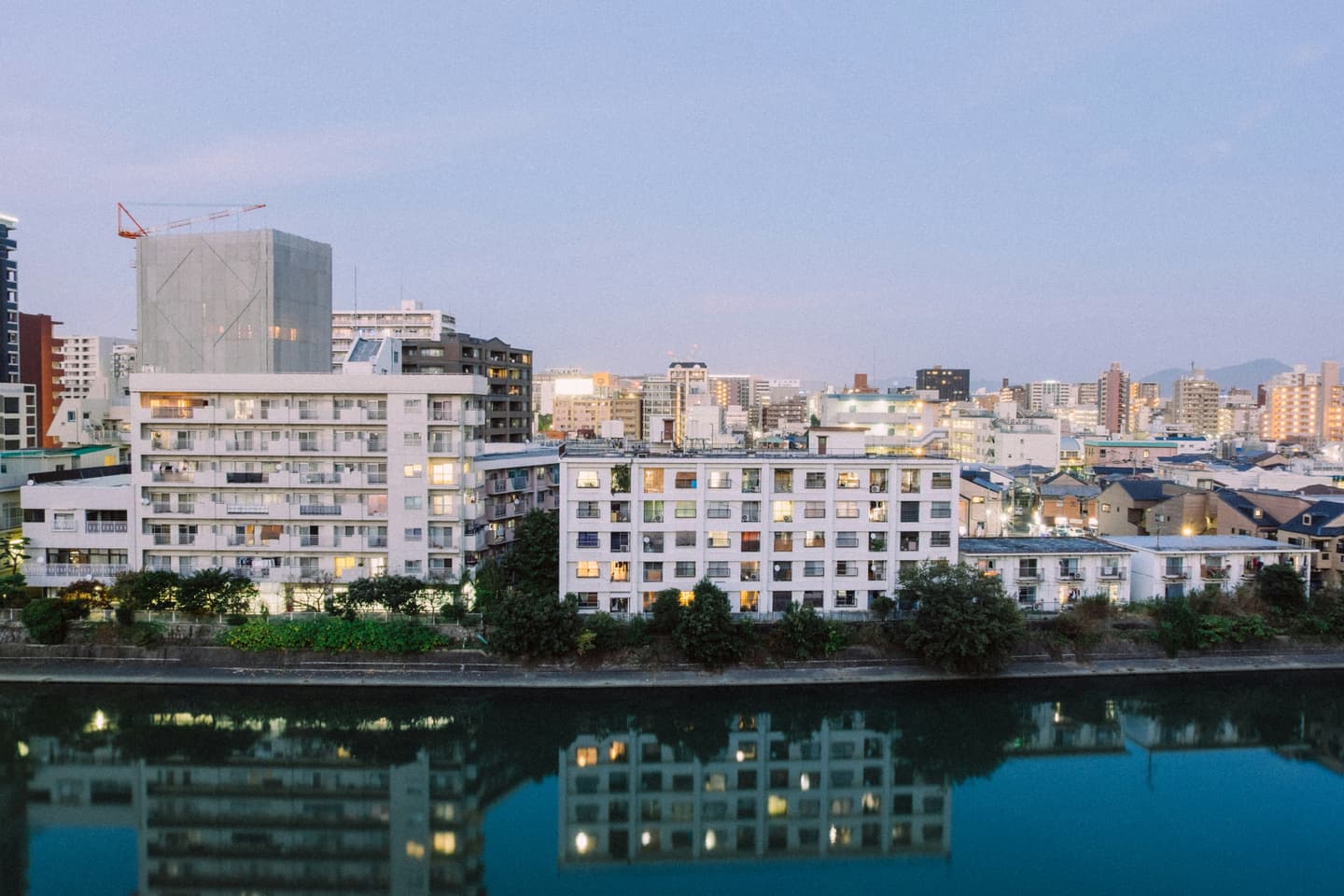
 City postcard
Fukuoka
Japan's laid-back southern gem — world-class ramen, buzzing yatai stalls, and an airport that drops you downtown in five minutes.
Japan's laid-back southern gem — world-class ramen, buzzing yatai stalls, and an airport that drops you downtown in five minutes.
Fukuoka is the largest city on Kyushu island and one of Japan's most livable urban centres, striking a rare balance between big-city energy and an unhurried, walkable pace. Its food culture is legendary — from tonkotsu ramen and Hakata-style offal hot pot to the open-air yatai stalls that earned a spot in The New York Times' 52 Places. Increasingly popular with digital nomads and startups, the city pairs excellent coworking infrastructure with a compact downtown and remarkable proximity to nature, beaches, and Kyushu's wider historic sites.
City postcardJapan's laid-back southern gem — world-class ramen, buzzing yatai stalls, and an airport that drops you downtown in five minutes.
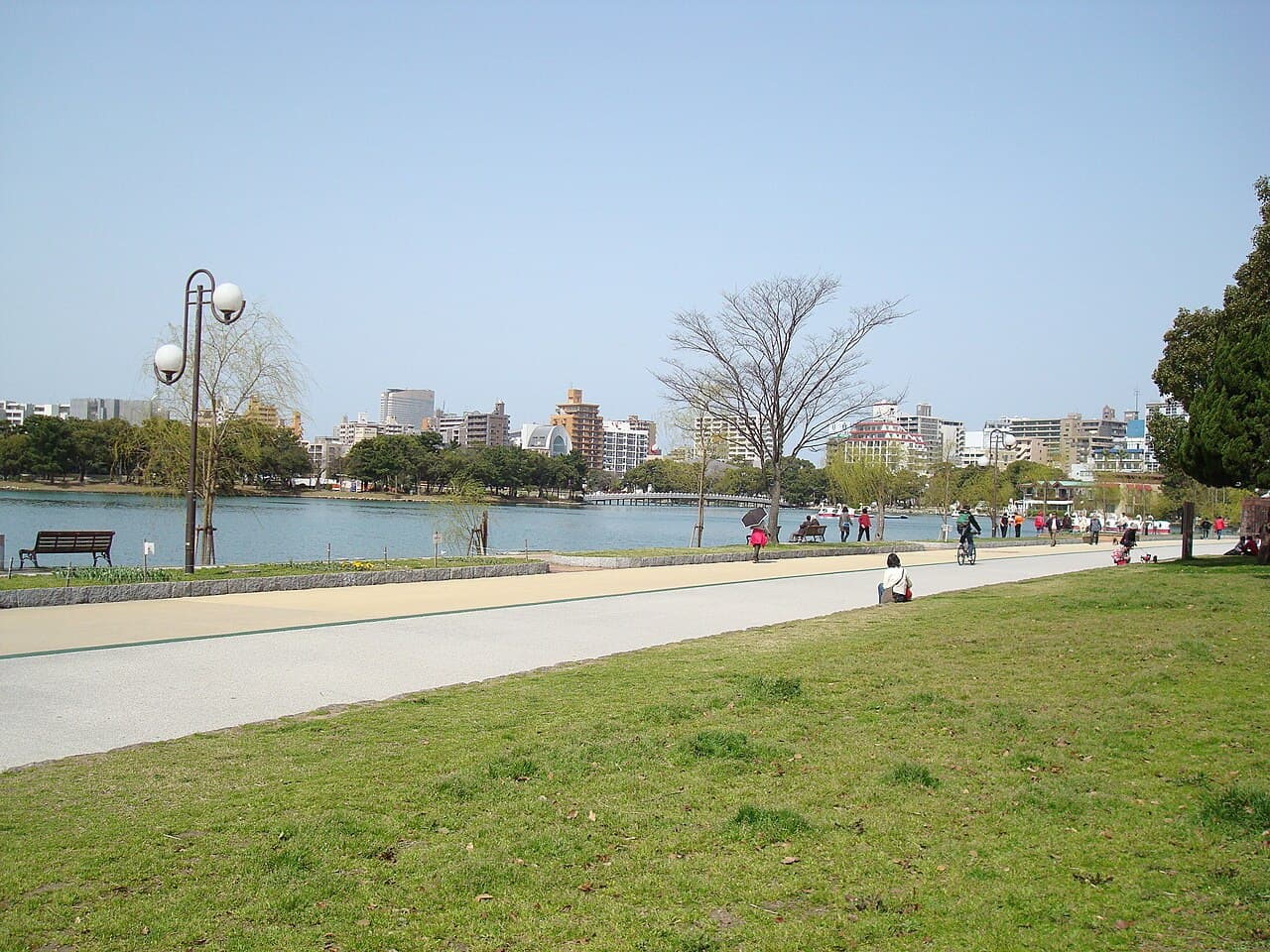 Top sight
A signature stop locals and returning travelers point to in Fukuoka.
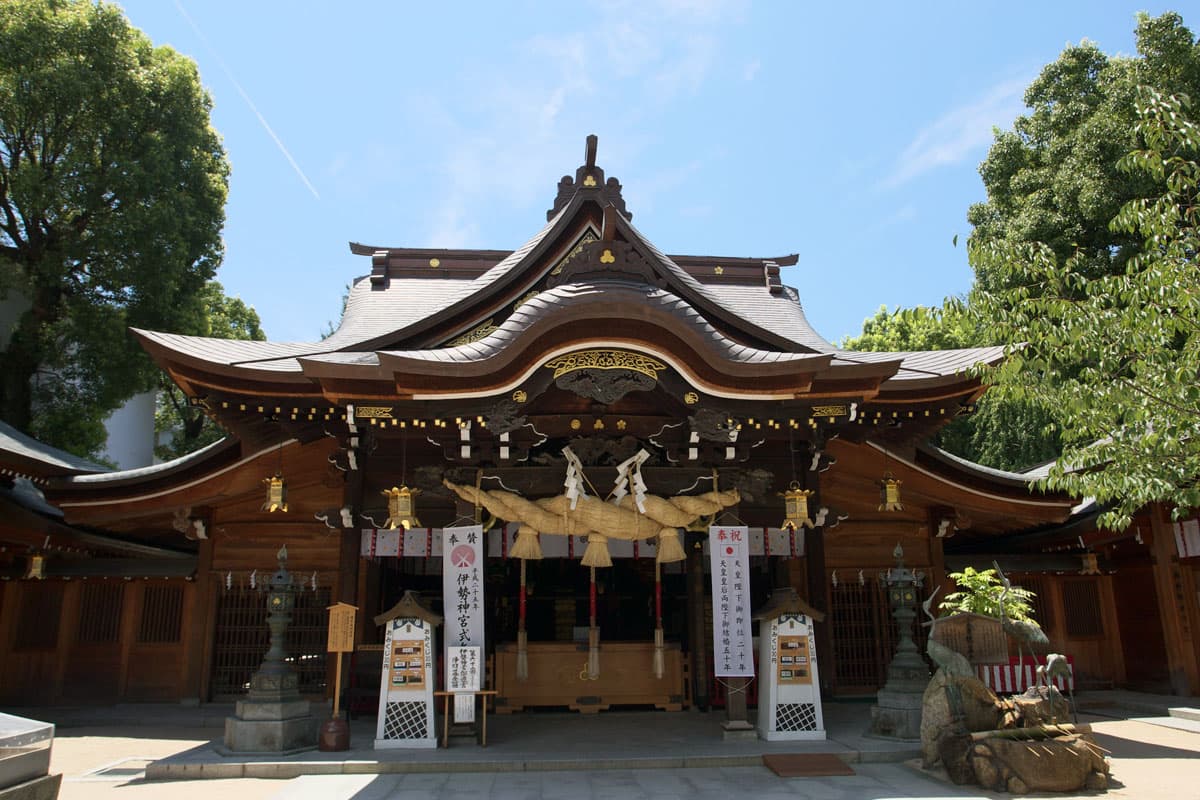 Top sight
A signature stop locals and returning travelers point to in Fukuoka.
A signature stop locals and returning travelers point to in Fukuoka.
A signature stop locals and returning travelers point to in Fukuoka.
A signature stop locals and returning travelers point to in Fukuoka.
Photo: Pontafon · CC BY-SA 3.0
A signature stop locals and returning travelers point to in Fukuoka.
A signature stop locals and returning travelers point to in Fukuoka.
A signature stop locals and returning travelers point to in Fukuoka.
A signature stop locals and returning travelers point to in Fukuoka.
A signature stop locals and returning travelers point to in Fukuoka.
A pocket of Fukuoka with its own temperament — worth a deliberate detour when you're in the area.
A pocket of Fukuoka with its own temperament — worth a deliberate detour when you're in the area.
A pocket of Fukuoka with its own temperament — worth a deliberate detour when you're in the area.
A pocket of Fukuoka with its own temperament — worth a deliberate detour when you're in the area.
Wanderlust Pro
Pro members see insider tips for Fukuoka: a short list of restaurants, cafés and sights, picked by AI as local suggestions to double-check before you go.
The quick answers travelers want before they commit to flights, neighborhoods, and how long to stay.
Fukuoka Airport (FUK) is one of Japan's most conveniently located airports, sitting just 2.6 km east of Hakata Station. The subway is the fastest and cheapest way into the city: the Kūkō (Airport) Line connects the domestic terminal to Hakata Station in roughly 5 minutes for ¥260 (~$1.70), and continues to Tenjin in about 11 minutes for the same fare. The international terminal is linked to the domestic terminal by a free shuttle bus before you board the subway. Airport Limousine Buses run directly to major hotels and Hakata/Tenjin stations for around ¥1,000. Taxis take 10–15 minutes but cost considerably more. From the rest of Japan, the Tokaido-Sanyo Shinkansen connects Tokyo to Hakata Station in approximately 5 hours and Shin-Osaka to Hakata in about 2.5 hours — both routes are covered by the Japan Rail Pass. Domestic flights from Tokyo take around 2 hours.
Fukuoka's subway system operates three lines covering all major visitor areas: the Airport Line (red) is the workhorse, linking the airport, Hakata Station, and Tenjin. For areas beyond the subway's reach — such as Dazaifu or southern Fukuoka — Nishitetsu (Nishi-Nippon Railroad) operates both trains and an extensive bus network. The Nimoca IC card is the standard rechargeable transit pass, accepted on the subway, Nishitetsu trains, and most buses, and eliminates the need for single-ride ticket queues. Suica, Pasmo, and ICOCA are also accepted. Avoid renting a car for central Fukuoka sightseeing — parking is limited and costly, and public transit serves all main attractions well. Taxis are readily available but best saved for late-night travel or heavy luggage situations.
Spring (March–May) and autumn (October–November) are the consensus sweet spots. Spring brings cherry blossoms from late March to early April, pleasant temperatures of 15–25°C, and the city's lively festival calendar kicks off with Hakata Dontaku. Autumn delivers cooler, stable weather perfect for walking and food-hunting, colourful foliage at Ohori Park and Dazaifu, and significantly fewer crowds than spring. April and October in particular offer the best balance of good weather, reasonable accommodation prices, and an authentic local atmosphere. Summer (June–August) is hot and humid — often exceeding 30°C — with a heavy rainy season in June-July and typhoon risk through October; the legendary Hakata Gion Yamakasa festival in July is a compelling reason to brave the heat. Winter is mild by Japanese standards with only occasional snow, fewer tourists, and lower prices.
Drop your bags in Hakata and head to Kushida Shrine, Fukuoka's oldest and most atmospheric shrine. Walk through the Hakata Machiya Folk Museum nearby to get a feel for the neighbourhood's merchant heritage.
Explore Canal City Hakata for lunch, then visit Tochoji Temple to see its striking giant Buddha. Stroll through the Nakasu entertainment district along the Naka River.
Pull up a stool at one of the iconic yatai food stalls lining the Nakasu riverbank — order tonkotsu ramen, motsunabe, and yakitori washed down with cold draft beer under the open sky.
Start at Ohori Park for a lakeside morning walk or jog. Explore the adjacent Fukuoka Castle ruins at Maizuru Park and the small but charming Japanese garden.
Head to the Momochi waterfront district: climb Fukuoka Tower for panoramic bay views, then wander along Momochi Seaside Park. Browse the Fukuoka City Museum for local history.
Spend the evening in Tenjin — Fukuoka's commercial and nightlife hub. Explore the Tenjin Underground Shopping Mall, then dine at one of the area's excellent izakayas or try hakata-style gyoza.
Take the Nishitetsu train to Dazaifu (approx. 40 min from Tenjin) to visit the stunning Dazaifu Tenmangu Shrine, dedicated to the god of learning. Try umegae mochi (grilled rice cakes with red bean) from the stalls lining the approach.
Return to Fukuoka and visit teamLab Forest Fukuoka in Canal City for an hour and a half to three hours of immersive digital art.
Wind down with a craft beer at one of Tenjin's artisanal bars or a final bowl of ramen at a celebrated Hakata ramen shop before heading home.
Real coworking spaces, laptop-friendly cafés, and libraries mapped near the center of the city — the closest, best-rated desks first.
No coworking-ready spots surfaced for this city yet.
Pick a different category or check back once we’ve indexed more desks for this city.
Ask for cafés, quiet neighborhoods, date-night spots, or a first 48-hour plan.
Mention calls, Wi-Fi needs, or how much of the day has to stay laptop-friendly.
Get faster answers on where to stay, when to move neighborhoods, and what to skip.
There aren’t any, yet!
Block off the weeks you're free. Wanderlust turns this dossier — flights, lodging, neighborhoods, timing — into a single draft itinerary in about ninety seconds.
Wanderlust Pro
Insider tips for Fukuoka, unlimited AI-built itineraries, and travel companions you can invite to plan a trip together. From $5.00/month, billed annually.
Wanderlust Pro
Pro members see insider tips for Fukuoka: a short list of restaurants, cafés and sights, picked by AI as local suggestions to double-check before you go.