Top sight
Top sight
Japan's sun-drenched "Land of Sunshine" — home to one of the country's three great gardens and a gateway to art islands and historic canal towns.
Okayama is the capital of Okayama Prefecture in western Japan's Chugoku region, renowned as the "Land of Sunshine" for having the fewest rainy days of any Japanese city. The city pairs its iconic black-walled Crow Castle and Korakuen Garden — one of Japan's three greatest landscape gardens — with effortless shinkansen connections to Hiroshima, Kyoto, and the art island of Naoshima. Its compact, walkable core, slower pace, and lower cost compared to Osaka or Tokyo make it an increasingly appealing base for travellers and expats seeking authentic Japan without the crowds.
More cities for these months: Where to go in March · Where to go in April · Where to go in May · Where to go in October · Where to go in November
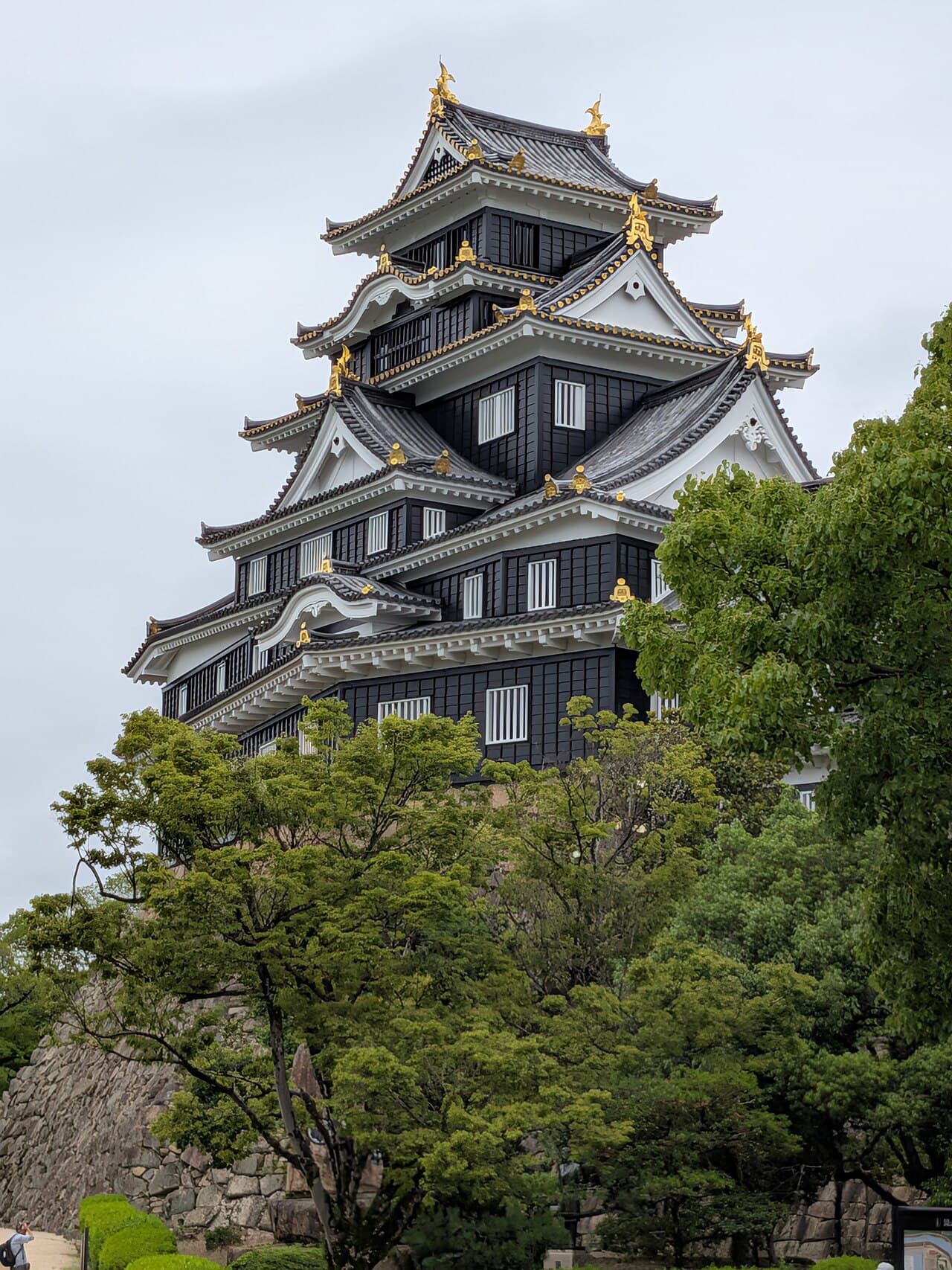
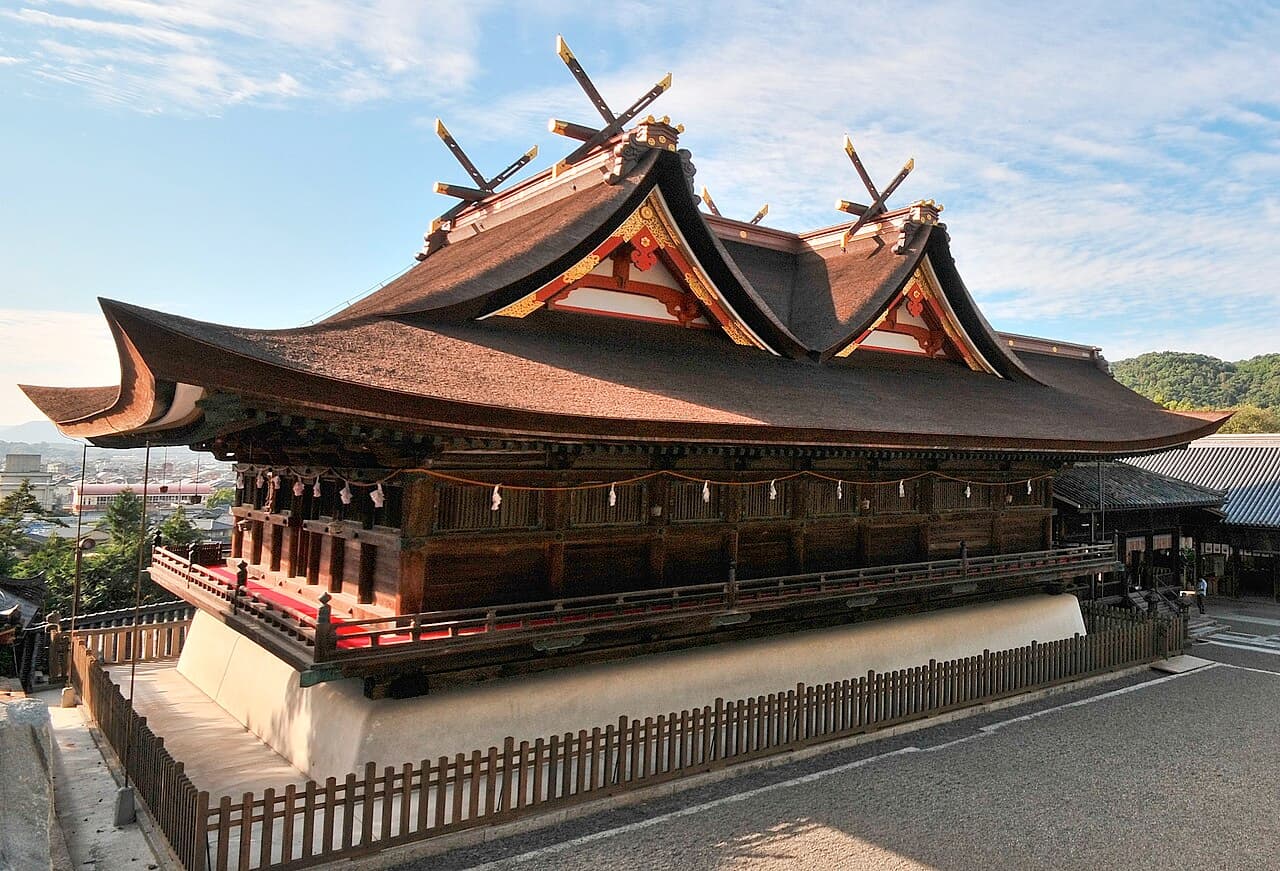
Photo: Kibitsu_Jinja_10.JPG : Reggaeman derivative work: Urashimataro ( talk ) · CC BY-SA 3.0
Insider tips · Wanderlust Pro
Practical tips on the sights and neighbourhoods in this Okayamaguide — when to go, what most visitors miss. Written with AI about the guide's own places; double-check details before you go. Pro members see every tip.
The quick answers travelers want before they commit to flights, neighborhoods, and how long to stay.
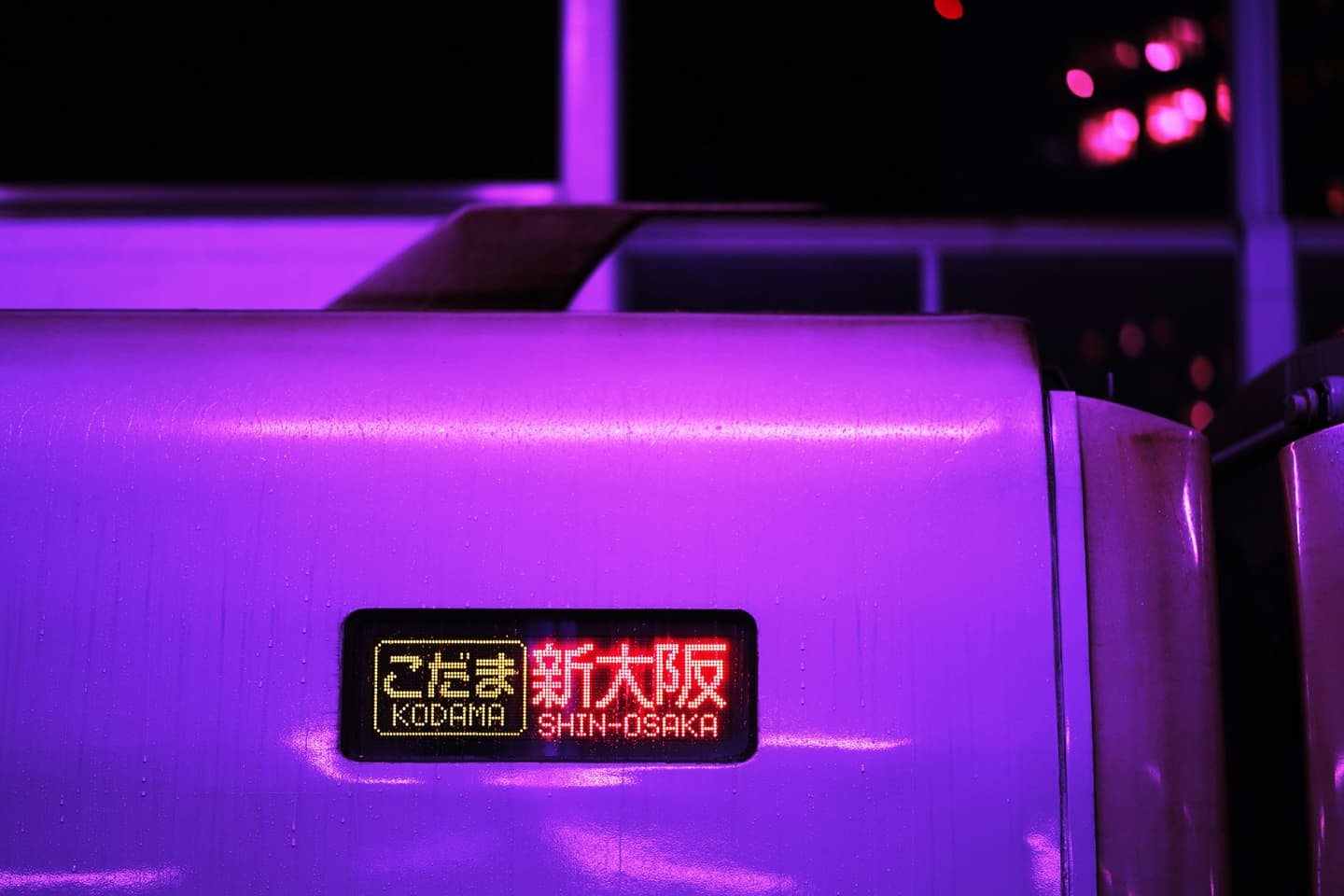
Okayama is one of western Japan's most accessible cities. By shinkansen, it sits about 45 minutes from Osaka, roughly 1 hour from Kyoto, and about 1 hour from Hiroshima on the JR Sanyo Shinkansen Line — all services are covered by the Japan Rail Pass (Hikari trains only; Nozomi requires a supplement). From Tokyo, the Hikari shinkansen takes approximately 4 hours (≈¥17,000 one-way). Flying into Okayama Momotaro Airport (OKJ), located 15 km northwest of the city centre, is also straightforward: JAL and ANA operate multiple daily flights from Tokyo Haneda (75-minute flight, discount fares ≈¥13,000–18,000). From the airport, Okaden Bus runs directly to Okayama Station in about 30 minutes for ¥1,000. Night buses from Tokyo (≈10 hours, ¥6,000–13,000) are a budget alternative.
Central Okayama is very walkable, and most major sights are within a 20–25-minute walk of JR Okayama Station. Two retro tram lines — the Higashiyama and Sekibashi lines — depart from the station and offer a flat ¥100 fare per ride, making them the easiest and most atmospheric way to reach the castle and garden quarter (alight at Shiroshita). For day trips, local JR trains connect to Kurashiki in about 15 minutes. The city's shared bike scheme 'Momachari' has been recently upgraded, providing a convenient cycling option. For rural areas of the prefecture, a rental car is recommended as public transit becomes infrequent outside city centres. The Okayama Hare Tabi Passport digital pass bundles multiple sightseeing admissions at a discount.
Spring (March–May) is widely considered the best time to visit Okayama. Cherry blossoms transform Korakuen Garden and the Asahi River Sakura Road — where around 200 trees are illuminated at night — into a magical spectacle without the overwhelming crowds of Kyoto or Tokyo. The Kurashiki Haruyoi Akari lantern festival and the Okayama Sakura Carnival both take place in March. Autumn (October–November) offers a close second: maple leaves turn brilliant red and gold around the city, and Korakuen hosts evening illuminations of the foliage. Summer (June–August) is warm (25–30°C) and perfect for Seto Inland Sea coastline visits, peach picking (late June–early September), and the energetic Momotaro Festival. Winter is mild compared to much of Japan and ideal for hot-spring retreats at Yunogo, Yubara, or Okutsu Onsen. As Japan's least rainy prefecture, Okayama is a genuinely all-season destination.
Start at Okayama Castle (Crow Castle) — allow 1.5–2 hours for the interactive exhibits, rooftop city views, and optional Bizen pottery workshop (book ahead). Stroll across the Tsurumi Bridge to Korakuen Garden.
Spend 2 hours wandering Korakuen's teahouses, lawns, koi ponds, and seasonal flower beds — one of Japan's three greatest landscape gardens. Grab a bento from a local kiosk. In the afternoon, explore the Nishigawa Canal Park and Omotecho arcade for shopping and kibidango millet dumplings.
Dine near the station on Okayama's local specialties — barachirashi sushi or Seto Inland Sea oysters. If visiting spring or autumn, return to Korakuen for the seasonal evening illumination event.
Take the 15-minute local JR train to Kurashiki Station. Walk 10 minutes to the Bikan Historical Quarter and spend the morning exploring its white-walled Edo-era storehouses, willow-lined canal, and artisan cafes. Don't miss a ride on the canal boat.
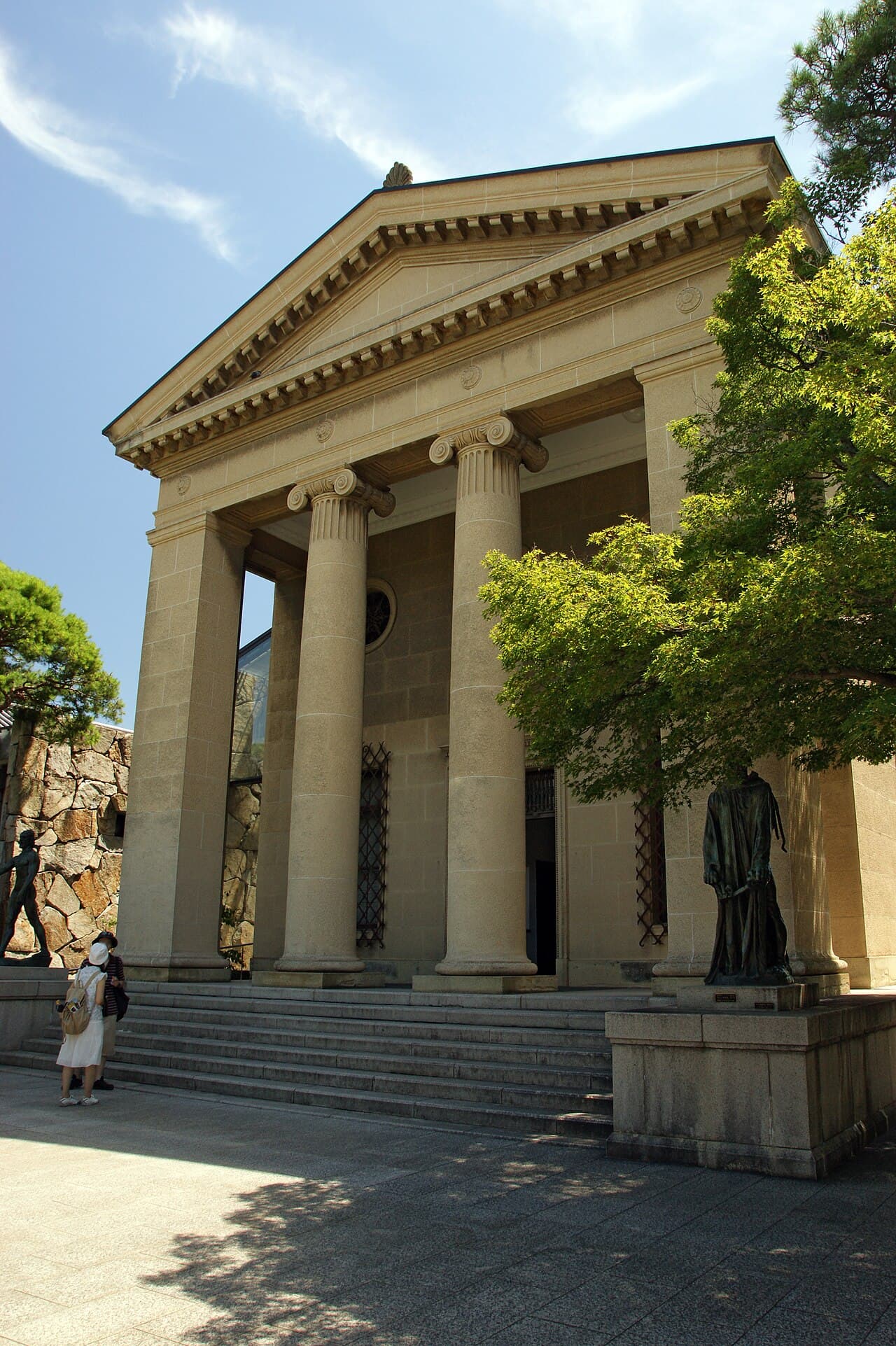
Visit the Ohara Museum of Art — Japan's first Western art museum — housed in a neo-classical building within the quarter. Browse Kurashiki Hampu canvas goods and the area's famed denim shops. Stop by Mitsui Outlet Park Kurashiki (3 min walk from the station) for discounts with a passport coupon.
Return to Okayama City for dinner. Try the Urakajicho izakaya district near the station for craft sake and seasonal small plates.
Head to Bizen-Ichinomiya Station (a short local train ride) and rent a bicycle for the flat 22 km Kibiji Cycling Trail through rice fields, ancient burial mounds, and rural temples. The route ends at Soja Station with one-way bike return available.
Detour to Kibitsu Shrine — an almost 600-year-old complex with a famous 360-metre covered corridor tied to the Momotaro legend. Experience or observe the unique Narukama Shinji ritual if timing allows.
Back in Okayama City, pick up souvenir white peaches or Bizen pottery at a local market or department store, then enjoy a final dinner at a teppanyaki or tonkatsu restaurant near the station.
Real coworking spaces, laptop-friendly cafés, and libraries mapped near the center of the city — the closest, best-rated desks first.
No coworking-ready spots surfaced for this city yet.
Pick a different category or check back once we’ve indexed more desks for this city.
Ask for cafés, quiet neighborhoods, date-night spots, or a first 48-hour plan.
Mention calls, Wi-Fi needs, or how much of the day has to stay laptop-friendly.
Get faster answers on where to stay, when to move neighborhoods, and what to skip.
Written by signed-in Wanderlust members. We don't check that a reviewer has visited.
No reviews of Okayama yet.
Tell the planner your dates, who's coming, your budget and pace, and it drafts a day-by-day itinerary you can edit.
Wanderlust Pro
Insider tips for Okayama, unlimited AI-built itineraries, and travel companions you can invite to plan a trip together. From $5.00/month, billed annually.
Insider tips · Wanderlust Pro
Practical tips on the sights and neighbourhoods in this Okayamaguide — when to go, what most visitors miss. Written with AI about the guide's own places; double-check details before you go. Pro members see every tip.