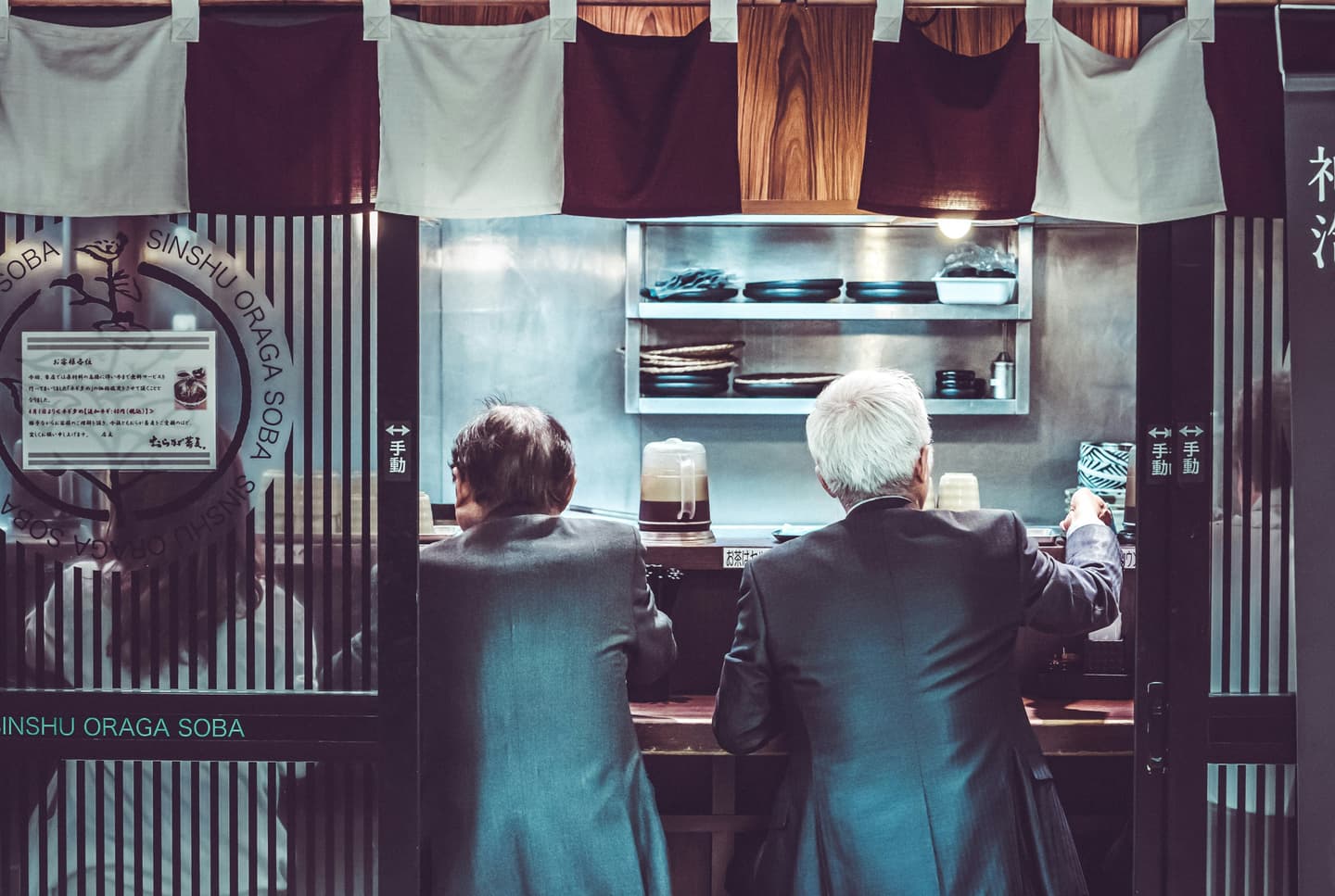
 City postcard
Nagoya
Japan's industrial heartland with samurai heritage, world-class food culture, and easy access to Ghibli Park.
Japan's industrial heartland with samurai heritage, world-class food culture, and easy access to Ghibli Park.
Nagoya is Japan's fourth-largest city and the capital of Aichi Prefecture, sitting at the geographic center of Honshu. It blends feudal history — from its iconic castle and Atsuta Shrine to the Tokugawa Art Museum — with cutting-edge industry as the home of Toyota Motor Corporation. Its distinctive food scene, known locally as Nagoya Meshi, rivals any Japanese city, and its status as a Shinkansen hub makes it an ideal base for day trips to Kyoto, Tokyo, and Ghibli Park.
City postcardJapan's industrial heartland with samurai heritage, world-class food culture, and easy access to Ghibli Park.
 Top sight
A signature stop locals and returning travelers point to in Nagoya.
 Top sight
A signature stop locals and returning travelers point to in Nagoya.
 Top sight
A signature stop locals and returning travelers point to in Nagoya.
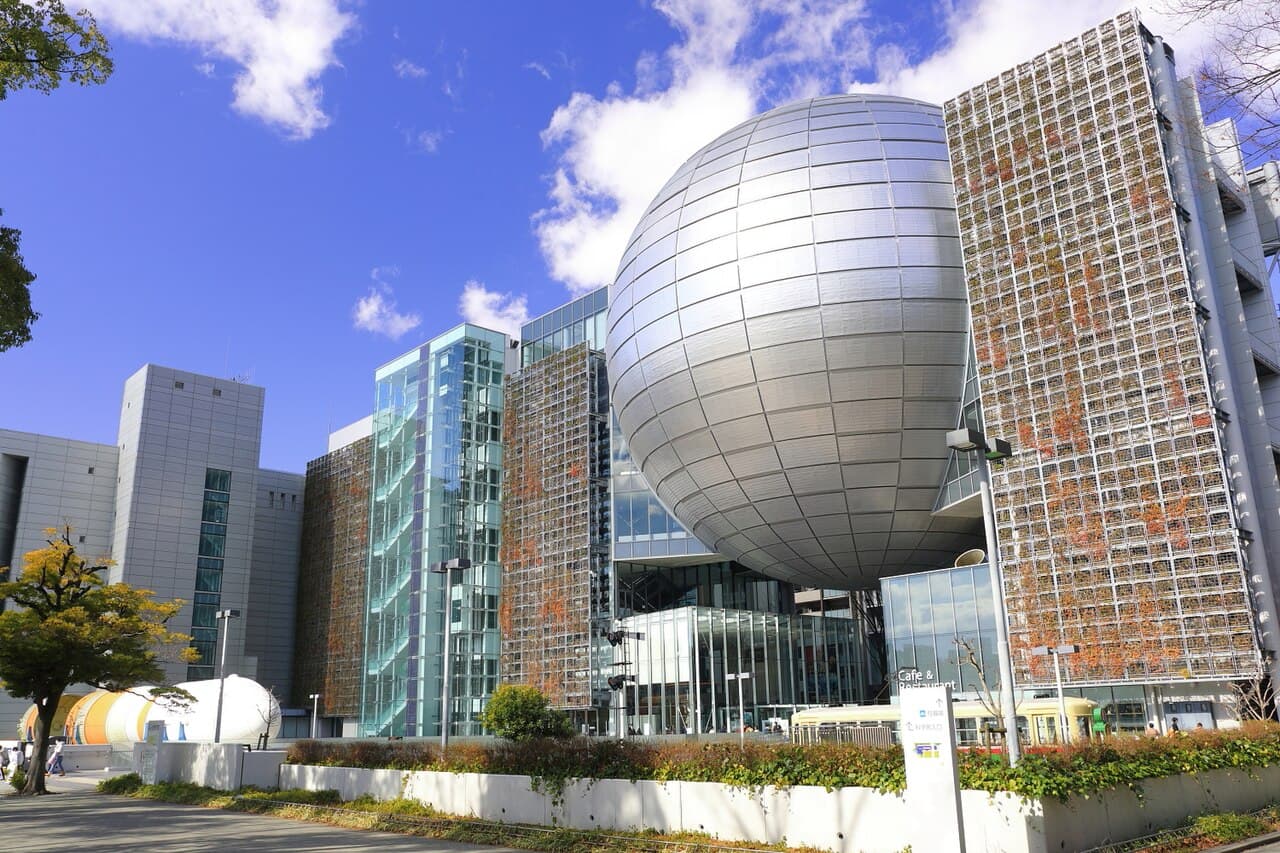 Top sight
A signature stop locals and returning travelers point to in Nagoya.
A signature stop locals and returning travelers point to in Nagoya.
Photo: Bariston · CC BY-SA 4.0
A signature stop locals and returning travelers point to in Nagoya.
Photo: Bariston · CC BY-SA 4.0
A signature stop locals and returning travelers point to in Nagoya.
A signature stop locals and returning travelers point to in Nagoya.
Photo: Bariston · CC BY-SA 4.0
A signature stop locals and returning travelers point to in Nagoya.
A signature stop locals and returning travelers point to in Nagoya.
A signature stop locals and returning travelers point to in Nagoya.
Photo: Tomio344456 · CC BY-SA 4.0
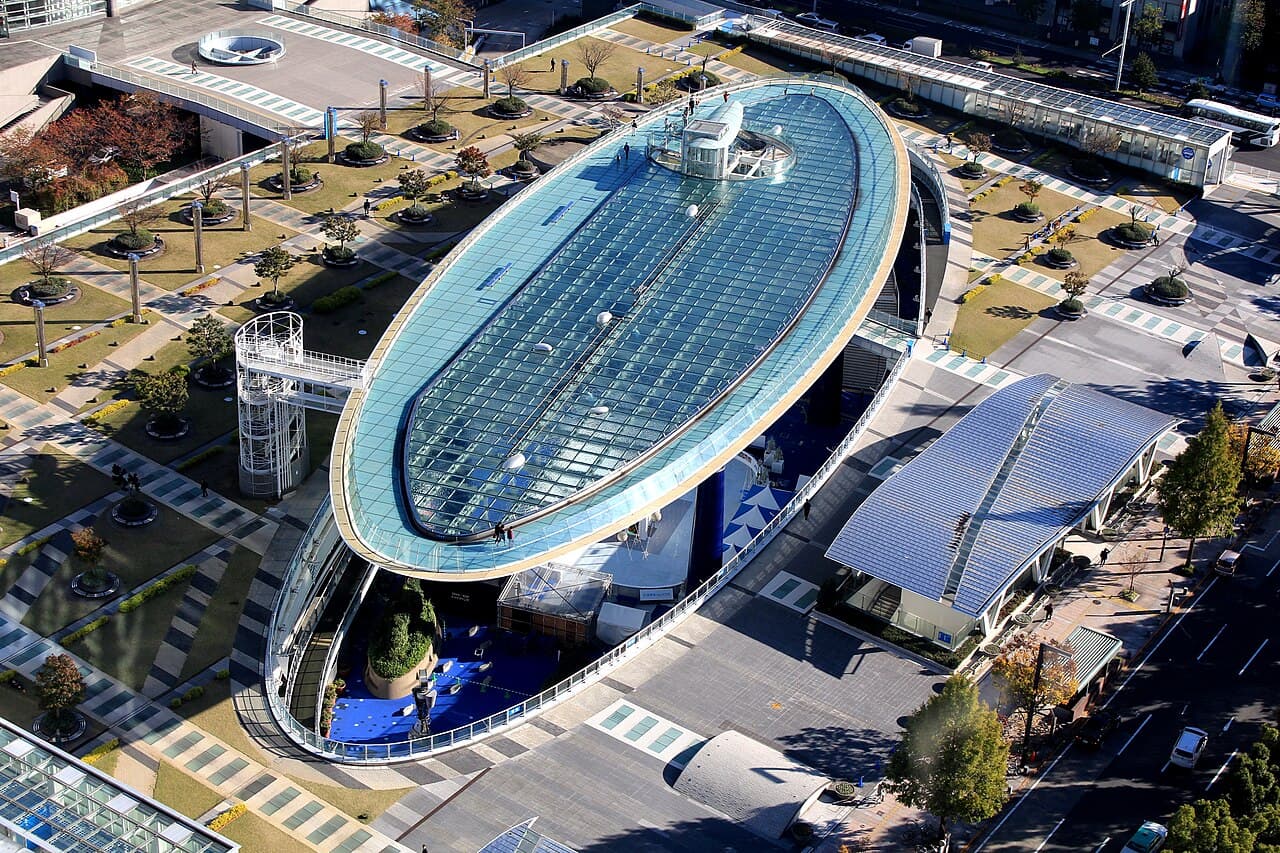
A signature stop locals and returning travelers point to in Nagoya.
Photo: Alpsdake · CC BY-SA 4.0
A pocket of Nagoya with its own temperament — worth a deliberate detour when you're in the area.
A pocket of Nagoya with its own temperament — worth a deliberate detour when you're in the area.
A pocket of Nagoya with its own temperament — worth a deliberate detour when you're in the area.
A pocket of Nagoya with its own temperament — worth a deliberate detour when you're in the area.
The quick answers travelers want before they commit to flights, neighborhoods, and how long to stay.
Nagoya is served by Chubu Centrair International Airport (NGO), located on an artificial island in Ise Bay, 35 km south of the city center. The fastest link into the city is the Meitetsu μSky Limited Express, which reaches Nagoya Station in about 28–30 minutes for ¥1,250–¥1,350 (plus a ¥450 reserved-seat μTicket). Standard Meitetsu Limited/Express trains take 40–60 minutes and cost around ¥980. The Centrair Limousine Bus is another option, taking roughly 60–75 minutes for ¥1,000–¥1,200, with stops at major city-center hotels. Taxis cover the journey in about 45 minutes but cost around ¥15,000. From Tokyo, the Tokaido Shinkansen (Nozomi) connects Tokyo Station to Nagoya Station in approximately 1 hour 40 minutes for around ¥11,500 one-way.
The Nagoya City Subway is the backbone of local transport — far more practical than JR for in-city travel. Six color-coded lines (Higashiyama/Yellow, Meijo/Purple loop, Meiko/Purple branch, Tsurumai/Blue, Sakuradori/Red, and Kamiiida/Pink) link virtually every major attraction, with the Meijo Line functioning as Japan's first subway loop line. Trains run from around 5:30 AM to midnight, every 3–10 minutes. Subway fares range from ¥210 to ¥340 per journey based on zones. A combined bus-and-subway one-day pass costs ¥870 (subway only: ¥760); on weekends and public holidays, the Donichi Eco Kippu pass drops to ¥620. Tap-to-ride IC cards (Manaca or Suica) are accepted on subways, city buses, Meitetsu trains, and most shops. For sightseeing, the Me~guru Nagoya Sightseeing Route Bus circles major attractions Tuesday–Sunday with a handy one-day pass for ¥500. City bus flat fare is ¥210. Taxis start at ¥480 for the first 1.2 km with a 20% night surcharge after 10 PM.
Spring (late March to May) and autumn (October to November) are the sweet spots for visiting Nagoya. In spring, cherry blossoms peak around April 1st, with mild temperatures of 10–20°C (50–68°F) perfect for exploring Nagoya Castle grounds and the city's parks. Autumn brings equally comfortable weather (15–25°C / 59–77°F), vivid koyo (autumn foliage) at Tokugawa Garden, and the festive Nagoya Festival parade in mid-October. Summer (June–August) is hot, humid, and frequently wet — daytime highs can reach 33°C (91°F) with intense humidity, and June–July mark the rainy season. Heat stroke advisories are common in August, and typhoons can disrupt travel from August through early October. Winter (December–February) is cold (around 5–10°C / 41–50°F) and dry, but Nagoya's underground shopping network and heated museums make it manageable for visitors who prefer smaller crowds.
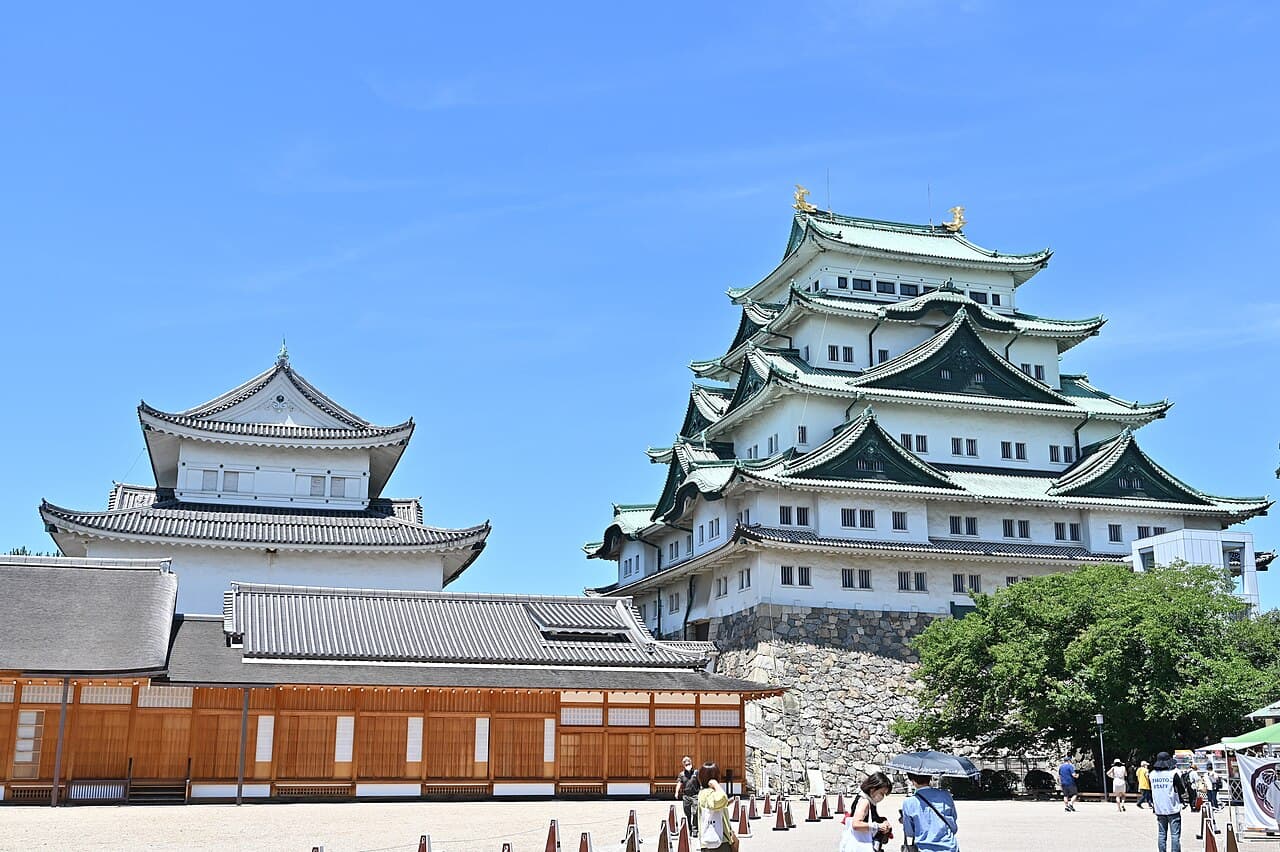
Start at Nagoya Castle, exploring the Honmaru Palace (restored in 2018) and the golden shachihoko atop the main keep. Take the Me~guru sightseeing bus to save on transport.
Head to the Osu shopping district to browse vintage stores, electronics, and street food stalls around Osu Kannon Temple. Pick up Nagoya's famous tebasaki (chicken wings) at a local spot.
Head to Sakae for dinner — try hitsumabushi (grilled eel over rice) at a traditional restaurant, then take a stroll past the glowing Oasis 21 space-age canopy and the Nagoya TV Tower.
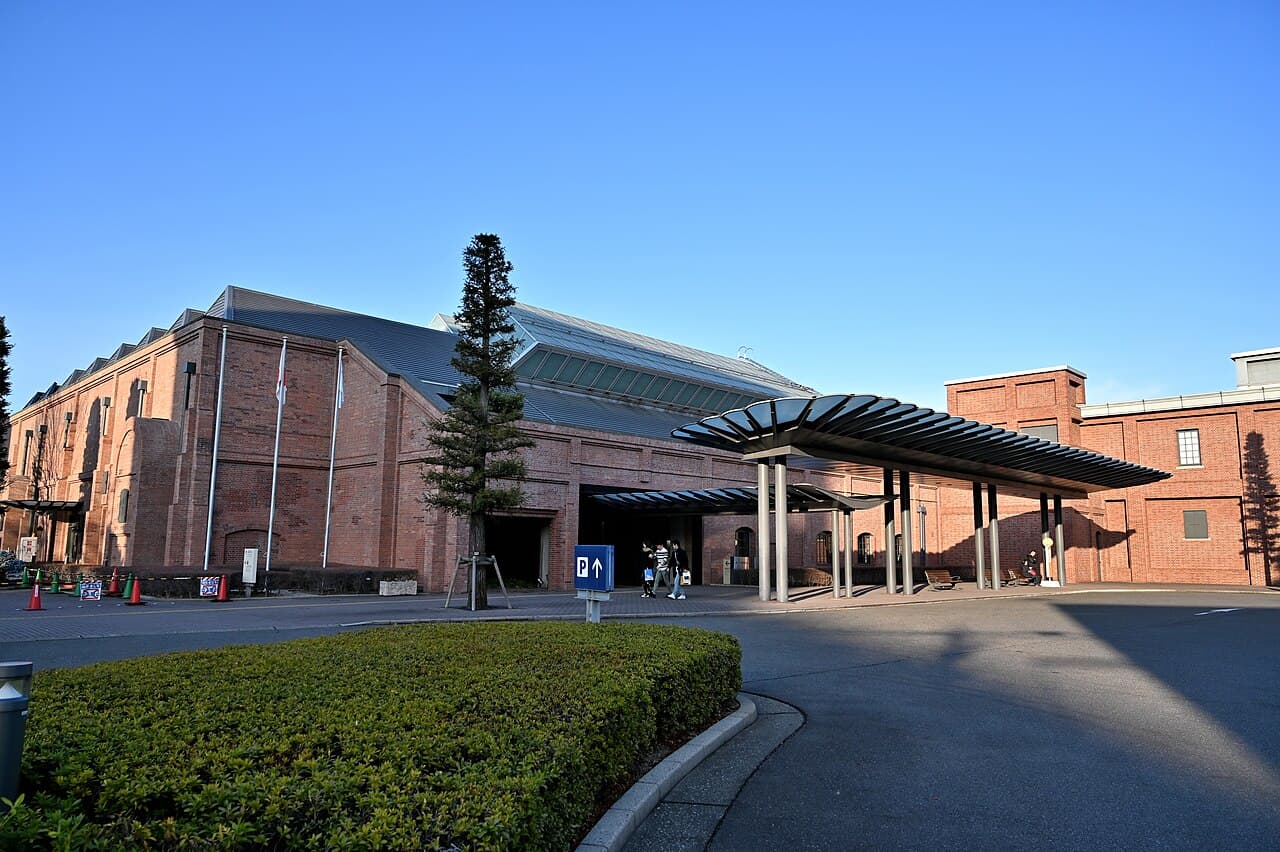
Visit the Toyota Commemorative Museum of Industry and Technology in the morning, diving into the story of how Japan's most powerful automaker grew from a textile loom company.
Explore the Tokugawa Art Museum and its adjoining Tokugawa Garden — home to priceless samurai artifacts and one of Nagoya's most beautiful traditional Japanese gardens, especially spectacular in autumn.
Dine in the Fushimi or Kanayama area. Try miso katsu (pork cutlet in Nagoya's signature red miso sauce) before catching live music or checking out a bar in the Sakae entertainment district.
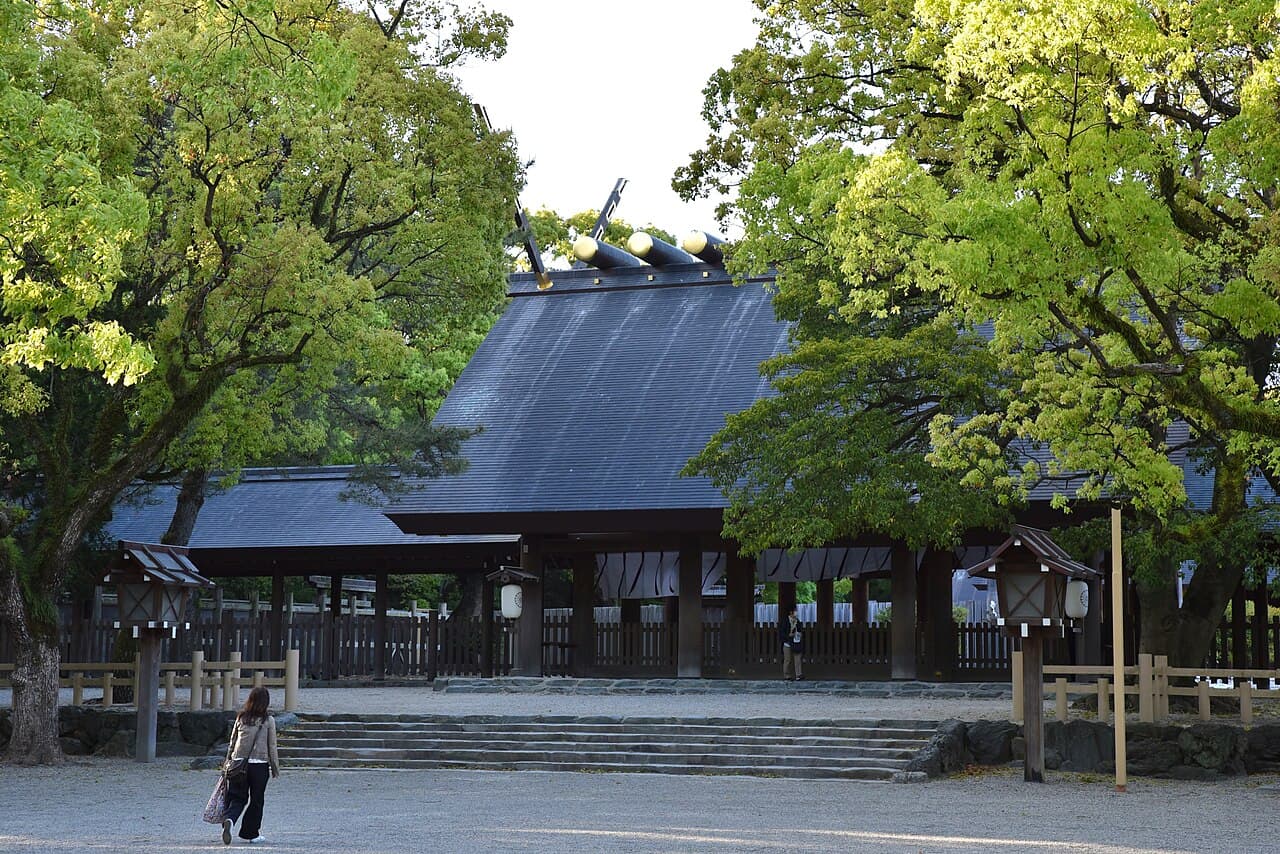
Begin with an early visit to Atsuta Shrine — one of Japan's most sacred Shinto sites, housing the legendary Kusanagi sword. The forested grounds are peaceful and atmospheric in the early hours.
Take the Higashiyama subway line toward Fujigaoka and connect to Linimo for Ghibli Park in Nagakute (about one hour total from Nagoya Station). Explore recreated worlds from Spirited Away, Princess Mononoke, and Howl's Moving Castle — book tickets well in advance.
Return to Nagoya Station for a farewell dinner in one of the station's underground dining floors, browsing Nagoya's famous department store food halls for omiyage (souvenir sweets) before departure.
Real coworking spaces, laptop-friendly cafés, and libraries mapped near the center of the city — the closest, best-rated desks first.
No coworking-ready spots surfaced for this city yet.
Pick a different category or check back once we’ve indexed more desks for this city.
Ask for cafés, quiet neighborhoods, date-night spots, or a first 48-hour plan.
Mention calls, Wi-Fi needs, or how much of the day has to stay laptop-friendly.
Get faster answers on where to stay, when to move neighborhoods, and what to skip.
There aren’t any, yet!
Block off the weeks you're free. Wanderlust turns this dossier — flights, lodging, neighborhoods, timing — into a single draft itinerary in about ninety seconds.
Wanderlust Pro
Go deeper than the highlights — premium Nagoya intel with hidden gems, top stays, and offline access on the ground. From $5.00/month, billed annually.