City guide · Updated November 2026
AsiaJapan33.9° · 130.6°
Kitakyushu,Japan.
Japan's #1 new night-view city where castle culture meets Meiji-era port charm and steel heritage.
Kitakyushu · JP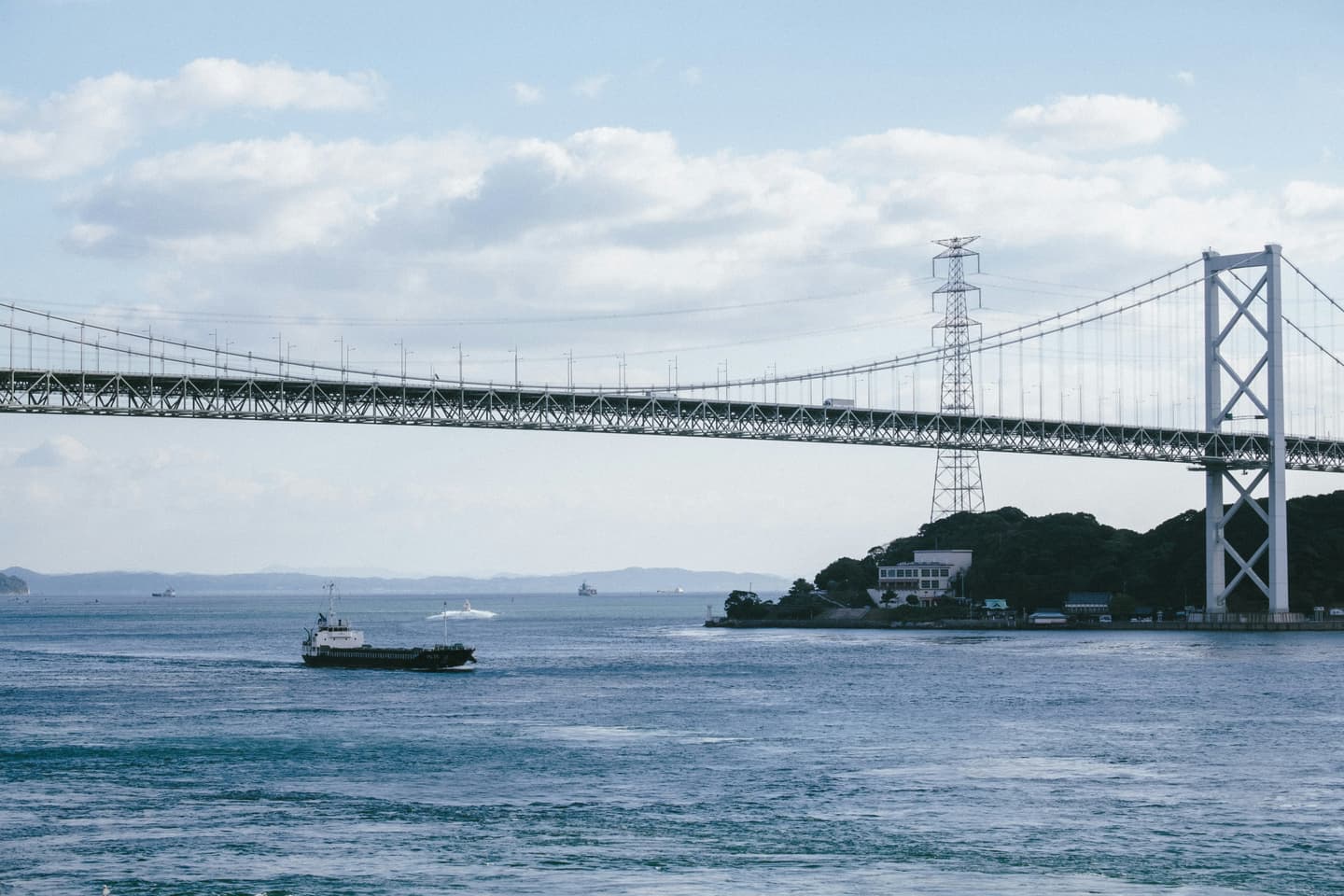
KitakyushuJapan
★
Kitakyushu Airport (KKJ)NEAREST AIRPORT
Population
990,124.6
Total residents
Global rank
#53
Wanderlust index
Best time
Spring (mid-April to mid-May) for…
Peak window
Time zone
Asia/Tokyo
Local time
Currency
Japanese Yen (JPY)
Money in use
Language
Japanese
Spoken locally
01 · Overview
About Kitakyushu
Japan's #1 new night-view city where castle culture meets Meiji-era port charm and steel heritage.
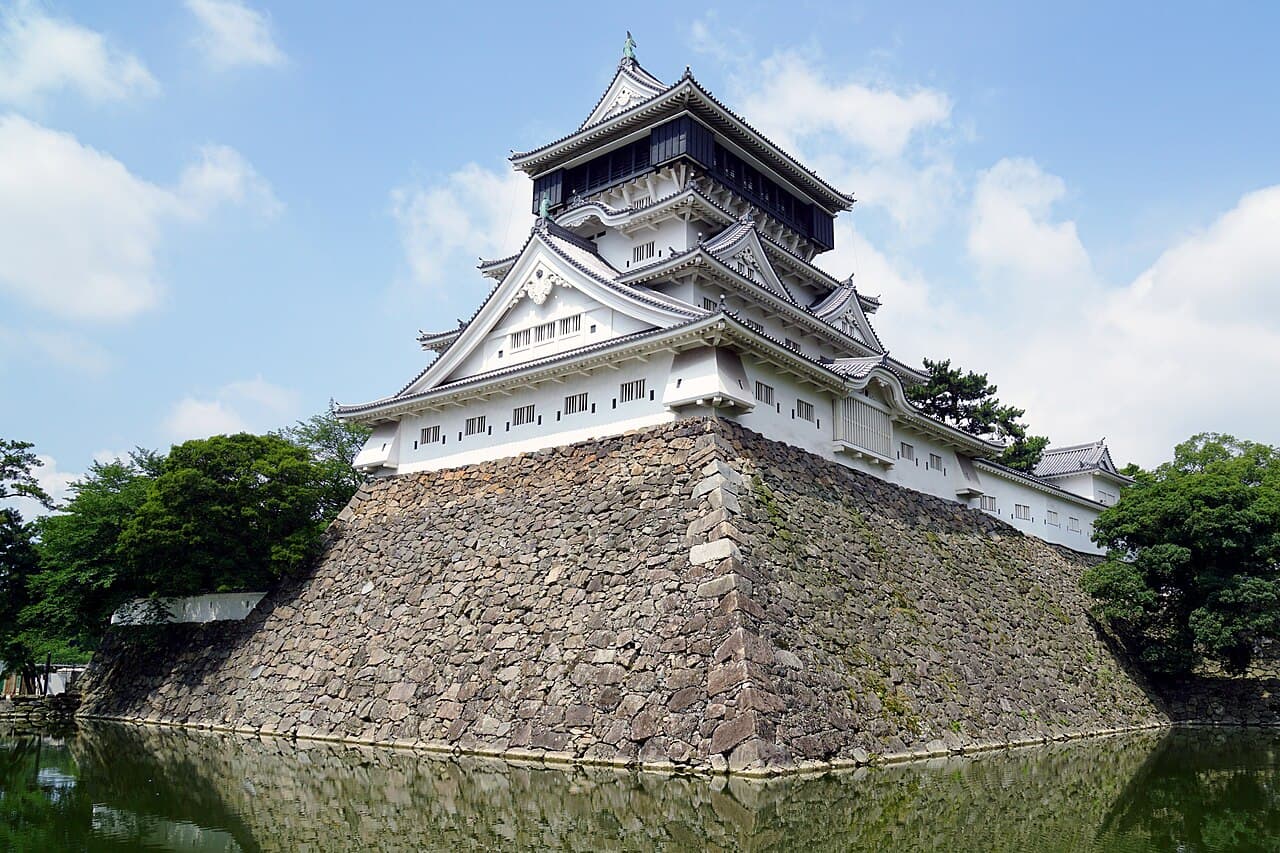
Perched at the northern tip of Kyushu, Kitakyushu is the low-key gateway city most Shinkansen travelers skip on their way to Fukuoka — and that's the appeal. Three distinct clusters (castle-town Kokura, retro port Moji, and industrial Yahata) pack in a reconstructed castle, a UNESCO steelworks heritage site, wisteria tunnels, and one of Japan's officially designated "new three" great night views from Mount Sarakura. It's also a food city, famed for champon noodles, Moji baked curry, and fresh Kanmon Strait seafood.
02 · Wanderlust scorecard
How Kitakyushu scores
Ratings run 0 to 5 unless marked. They come from our AI-assisted research and are refreshed on a rolling basis.
3.5
/ 5
Cost of living
Affordability, 0–5. Higher means cheaper.
3
/ 5
Leisure
Leisure rating, 0–5.
24
Mbps
Connectivity
Median internet speed.
5
/ 5
Safety
Safety rating, 0–5. Higher is safer.
3.5
/ 5
Overall livability
Overall rating, 0–5.
5
/ 5
Air quality
Air-quality rating, 0–5. Higher is cleaner.
8.3
index
Index score
Wanderlust ranking, 0–10: overall, safety, internet, cost, leisure and air quality, weighted.
03 · Weather & when to go
Best time to visit Kitakyushu
Current weather and the forecast, and the months our research rates best for a visit.
Month by month
Best months Either side Other months
Jan
Feb
Mar
Apr
May
Jun
Jul
Aug
Sep
Oct
Nov
Dec
Sweet spot: Spring (mid-April to mid-May) for wisteria blooms and mild weather, or autumn (mid-October to mid-November) for cooler temperatures and clear night-view conditions..
More cities for these months: Where to go in April · Where to go in May · Where to go in October · Where to go in November
04 · Things to do
Things to do in Kitakyushu
Top sights from our AI-assisted research, and other places we have photos of.
Top sight
Top sight
Mount Sarakura Observation Point
Top sight
Top sight
Mojiko Retro District
Top sight
Top sight
Kanmon Straits & Pedestrian Tunnel
Top sight
Top sight
TOTO Museum
Top sight
Top sight
Hiraodai Karst Plateau
Top sight
Top sight
Kitakyushu Manga Museum
05 · Monthly cost of living
Cost of living in Kitakyushu
Estimated monthly totals in USD from our AI-assisted research, one per profile. Treat them as a starting point for a budget, not a quote.
$2,231
estimated monthly spend · USDProfileExpat
Price references — vs. profile benchmarks
Nomadmonthly spend · USD
$2,973
+33%
Expatmonthly spend · USD
$2,231
baseline
Familymonthly spend · USD
$4,787.9
+115%
Localmonthly spend · USD
$1,254.3
-44%
Median fiber speeddownload · Mbps
24
Mbps
06 · Neighborhoods
Where to stay in Kitakyushu
Neighborhoods our AI-assisted research lists as popular with visitors.
Kokura
Moji
Yahatahigashi
Yahatanishi
07 · Insider tips
Sights and neighbourhoods, with a tip each.
Practical tips on places from this Kitakyushu guide, written with AI. One is free; Pro members see the rest. Double-check details before you go.
Insider tips · Wanderlust Pro
Practical tips on the sights and neighbourhoods in this Kitakyushuguide — when to go, what most visitors miss. Written with AI about the guide's own places; double-check details before you go. Pro members see every tip.
08 · Practical notes
Practical information for Kitakyushu
The essentials from this guide's data, in one place.
01
Getting there
- Nearest airport — Kitakyushu Airport (KKJ)
02
Money
- Currency — Japanese Yen (JPY)
- Affordability — 3.5/5 on the Wanderlust index (higher is cheaper)
03
Internet
- Median speed — 24 Mbps
- Internet score — 5/5
04
Safety
- Safety score — 5/5 from our AI-assisted research
05
Language
- Primary language — Japanese
06
Timing
- Best window — Spring (mid-April to mid-May) for wisteria blooms and mild weather, or autumn (mid-October to mid-November) for cooler temperatures and clear night-view conditions.
- Time zone — Asia/Tokyo
Questions
Frequently asked, plainly answered.
The quick answers travelers want before they commit to flights, neighborhoods, and how long to stay.
Is Kitakyushu safe for travelers?+
Kitakyushu has a safety rating of 5 out of 5.
What is the best time to visit Kitakyushu?+
The best time to visit Kitakyushu is Spring (mid-April to mid-May) for wisteria blooms and mild weather, or autumn (mid-October to mid-November) for cooler temperatures and clear night-view conditions..
What are the top things to do in Kitakyushu?+
Top sights in Kitakyushu include Kokura Castle, Mount Sarakura Observation Point, Mojiko Retro District, Kanmon Straits & Pedestrian Tunnel, Kawachi Wisteria Garden, and TOTO Museum.
Where should I stay in Kitakyushu?+
Popular neighborhoods for visitors to Kitakyushu include Kokura, Moji, Yahatahigashi, Yahatanishi, and Kokuraminami.
How expensive is Kitakyushu?+
Kitakyushu has an affordability score of 3.5 out of 5, where 5 is most affordable.
How much does it cost to live in Kitakyushu per month?+
Estimated monthly costs in Kitakyushu are about $2,973 for a digital nomad, $2,231 for an expat, $4,788 for a family, and $1,254 for a local resident (USD).
What is the nearest airport to Kitakyushu?+
The nearest airport to Kitakyushu is Kitakyushu Airport (KKJ).
What is the internet speed in Kitakyushu?+
Kitakyushu has an average internet speed of 24 Mbps.
What currency does Kitakyushu use?+
The currency used in Kitakyushu is Japanese Yen (JPY).
What language is spoken in Kitakyushu?+
The primary language spoken in Kitakyushu is Japanese.
What time zone is Kitakyushu in?+
Kitakyushu is in the Asia/Tokyo time zone.
Researched city guide
Getting there, getting around and when to go
Written with AI-assisted web research. Where we have sources, they are listed under each part.
What works
- Just 15-20 minutes from Hakata by Shinkansen, so it slots easily into a Kyushu or wider Japan itinerary
- One of Japan's officially designated 'new three' great night views from Mount Sarakura
- Fraction of the crowds found on Tokyo-Osaka-Kyoto's Golden Route
- Rich mix of castle-town, Meiji-era port, and UNESCO-listed industrial heritage in one city
- Strong food scene: champon noodles, Moji baked curry, fresh Kanmon Strait seafood
- Excellent safety and air quality even by Japanese standards
What to weigh
- Sights are split across three separate clusters (Kokura, Moji, Yahata), requiring transit between them
- Less English signage and tourist infrastructure than Fukuoka or Tokyo
- Wisteria blooms and some seasonal highlights only last a few weeks a year
- Nightlife and dining options are quieter than nearby Fukuoka city
- Kitakyushu Airport has limited international connections, so most travelers transit via Fukuoka
Getting in
How to arrive
Most visitors arrive via Fukuoka's Hakata Station. The Sanyo Shinkansen is the fastest option, running Hakata to Kokura Station in roughly 16–20 minutes, with a non-reserved seat costing around ¥2,160–3,000. JR Kyushu's limited express Sonic and Kirameki services cover the same route in about 45 minutes for roughly ¥2,000–2,500 and are included in the JR Kyushu Rail Pass. Budget travelers can take ordinary or rapid trains on the Kagoshima Main Line, which take about 80 minutes and cost around ¥1,300 with no surcharge. From Fukuoka Airport, the quickest route is subway to Hakata (about 5 minutes, ¥260) then Shinkansen to Kokura, roughly 20 minutes total transit and about ¥2,420 all-in for a non-reserved seat. Kitakyushu Airport (KKJ) also operates domestic flights with bus connections into Kokura.
Getting around
Moving through the city
Kitakyushu is best understood as three clusters linked by rail: Kokura (Shinkansen station, castle, nightlife), Moji (retro port, about 15 minutes east by local train), and Yahata (industrial heritage and the Mount Sarakura cable car, about 15 minutes west). Within Kokura, the elevated Kitakyushu Urban Monorail runs 13 stations over 8.8 km south from Kokura Station, with fares starting from ¥50 and a one-day pass available for around ¥700; it accepts mono SUGOCA plus all major national IC cards (Suica, PASMO, ICOCA, nimoca). Nishitetsu buses cover routes the monorail and JR lines don't reach, also accepting IC card tap-on/tap-off payment, and the operator sells unlimited-ride day passes (around ¥1,000 for 24 hours) for the metro area. A cable car and slope car climb 622 metres up Mount Sarakura for the famous night view.
When to go
Timing your trip
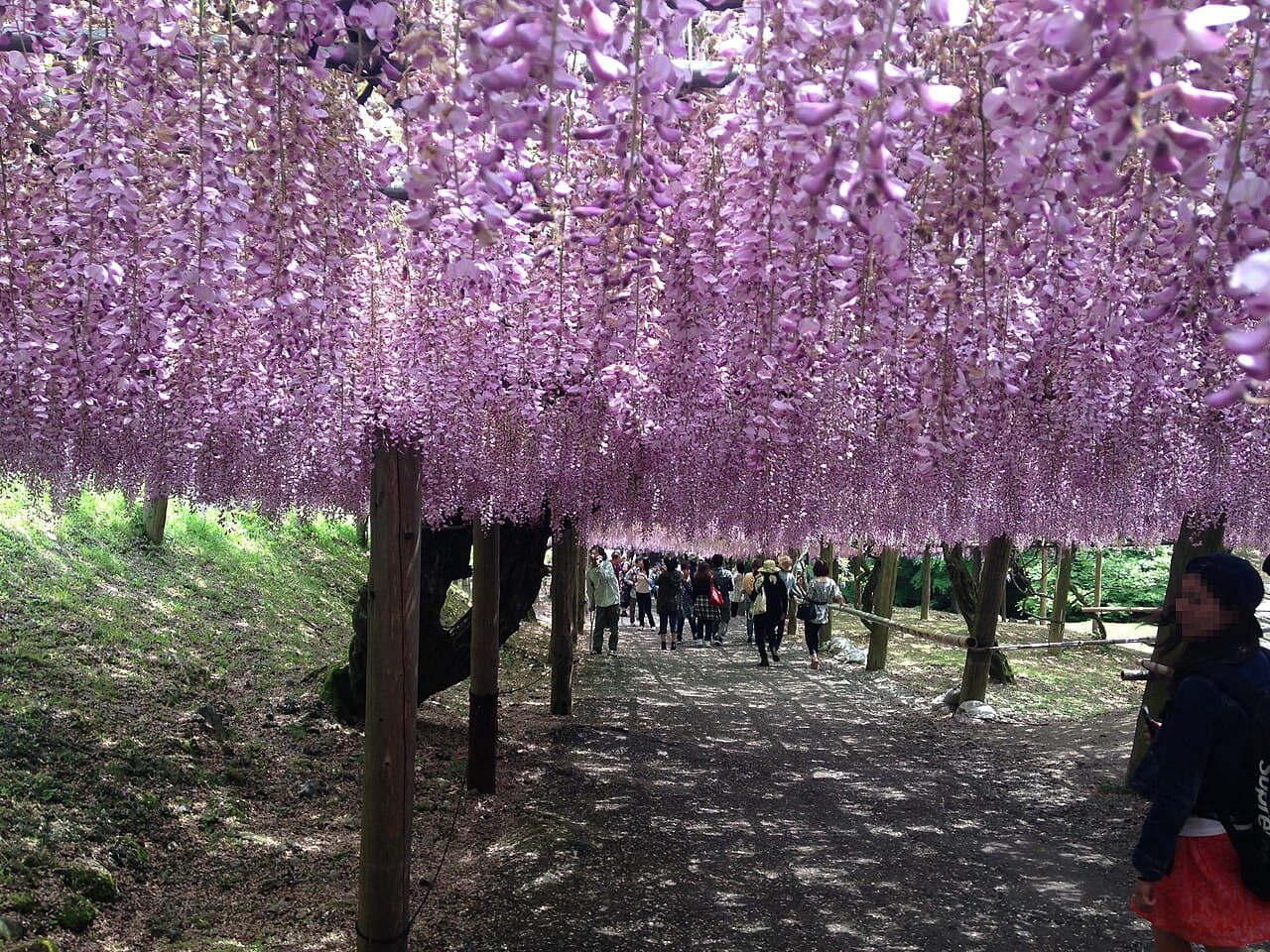
Spring is the headline season: the Kawachi Wisteria Garden's tunnels bloom in a short window, with wisteria blossom strongest between April and May, drawing crowds who plan trips around the flowering dates. This coincides with peak tourist season generally running March through May, when mild weather also suits walking the castle grounds and Mojiko's waterfront. Autumn (mid-October to mid-November) offers similarly comfortable temperatures and clearer skies for the Mount Sarakura night view, while summer is hot and humid and winter is mild but gray — making the shoulder seasons the sweet spot for combining sightseeing with the city's outdoor viewpoints.
Plan your trip
3 days in Kitakyushu: a sample itinerary
A ready-made starting point. Make it your own — clone it into an editable journey and reshape every stop.
Day 01
Day 1 — Kokura: Castle Town & Night View
Morning
Explore Kokura Castle and its garden, then browse the retro stalls of Tanga Market for a local lunch.
Afternoon
Visit the Kitakyushu Manga Museum next to Kokura Station, then wander the Shinkansen-side shopping arcades.
Evening
Ride the cable car and slope car up Mount Sarakura for Japan's celebrated night view over Kokura, Tobata, and the Kanmon Straits.
Day 02
Day 2 — Moji: Retro Port & the Strait
Morning
Take the local train to Moji (about 15 minutes) and stroll the Meiji- and Taisho-era buildings of Mojiko Retro.
Afternoon
Walk (or cycle) the Kanmon Pedestrian Tunnel beneath the strait to Shimonoseki for a quick side trip, then return for the Kyushu Railway History Museum.
Evening
Dine on Moji's signature baked curry at a harborfront cafe with views of the Kanmon Bridge lit up at night.
Day 03
Day 3 — Yahata: Industry & Nature
Morning
Head west to Yahata to tour the TOTO Museum and glimpse the UNESCO-listed Yawata Steel Works heritage sites.
Afternoon
Visit the Kawachi Wisteria Garden in season, or substitute the limestone formations of the Hiraodai Karst Plateau if wisteria isn't blooming.
Evening
Return to Kokura for a farewell dinner of champon noodles in the city center.
Work-ready layer
Coworking spots and laptop-friendly anchors.
Real coworking spaces, laptop-friendly cafés, and libraries mapped near the center of the city — the closest, best-rated desks first.
Spots surfaced2
Categories2
Mapped2
Concierge
Ask the Kitakyushu concierge.
Share your travel style, must-see spots, or work schedule and the concierge will help turn this guide into something personal.
Personal trip brief
Tell it what kind of trip you're trying to have, and it will tighten the plan.
01
Travel style
Ask for cafés, quiet neighborhoods, date-night spots, or a first 48-hour plan.
02
Work constraints
Mention calls, Wi-Fi needs, or how much of the day has to stay laptop-friendly.
03
Real tradeoffs
Get faster answers on where to stay, when to move neighborhoods, and what to skip.
Traveler reviews
Reviews of Kitakyushu
Written by signed-in Wanderlust members. We don't check that a reviewer has visited.
No reviews of Kitakyushu yet.
Plan a trip to Kitakyushu.
Tell the planner your dates, who's coming, your budget and pace, and it drafts a day-by-day itinerary you can edit.
Wanderlust Pro
Insider tips for Kitakyushu, unlimited AI-built itineraries, and travel companions you can invite to plan a trip together. From $5.00/month, billed annually.