Top sight
Top sight
Kyushu's volcanic southern gem — where Sakurajima's smoke, samurai history, and Satsuma cuisine converge on a warm, sea-kissed coast.
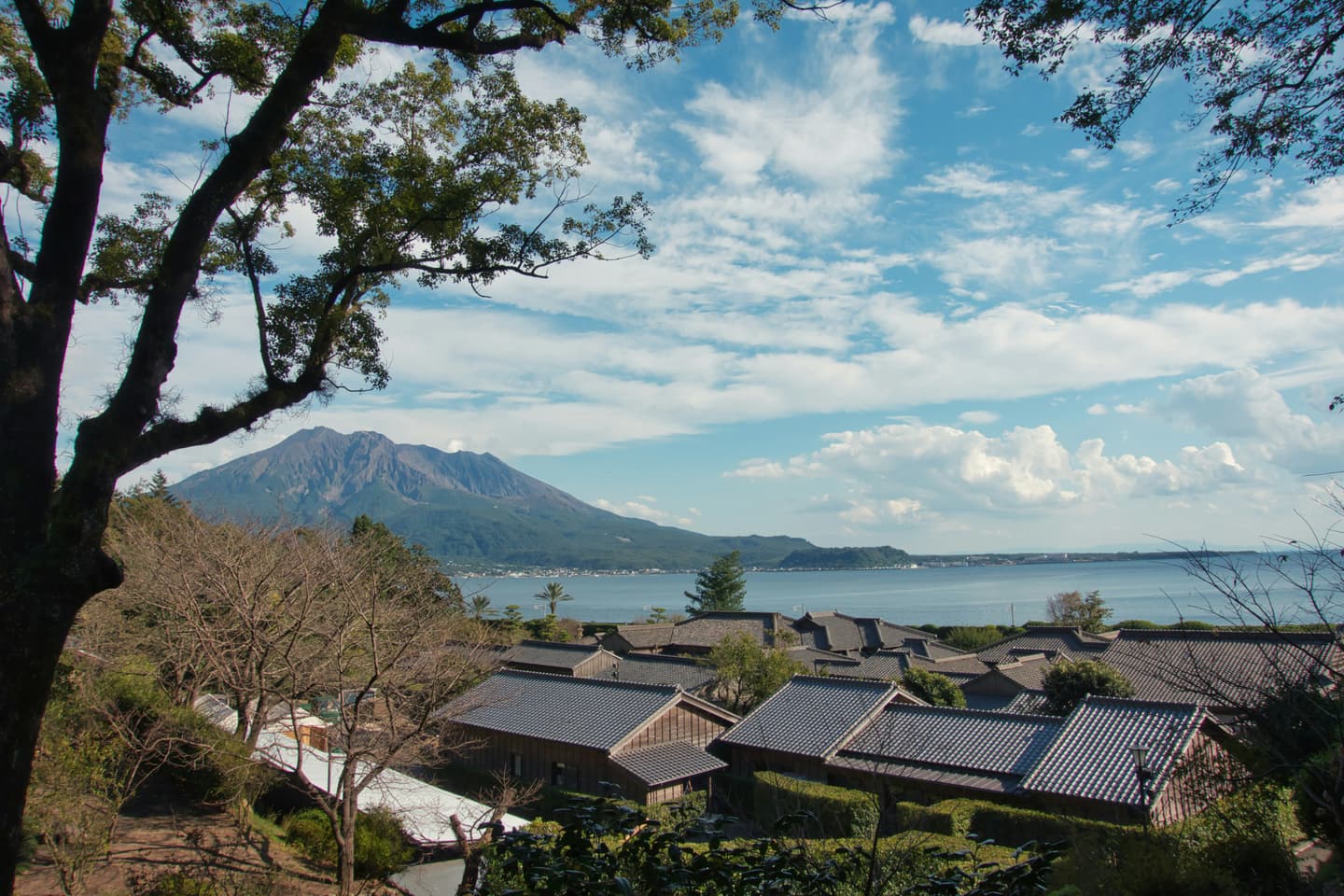
Kagoshima is Kyushu's southernmost major city, often likened to Naples for its mild climate, palm-lined streets, and brooding active volcano looming over the bay. The city carries a rich feudal legacy as the former stronghold of the powerful Shimazu clan and a cradle of the Meiji Restoration. Beyond its urban core, it serves as the gateway to world-heritage Yakushima Island, the Kirishima mountains, and the sand-bath hot springs of Ibusuki. Fresh seafood, Kagoshima wagyu, black-pork ramen, and sweet-potato shochu round out a destination that rewards slow, curious exploration.
More cities for these months: Where to go in March · Where to go in April · Where to go in May · Where to go in October · Where to go in November
Insider tips · Wanderlust Pro
Practical tips on the sights and neighbourhoods in this Kagoshimaguide — when to go, what most visitors miss. Written with AI about the guide's own places; double-check details before you go. Pro members see every tip.
The quick answers travelers want before they commit to flights, neighborhoods, and how long to stay.
The main gateway is Kagoshima Airport (KOJ), located about 29.6 km northeast of the city center — roughly an hour by road. The airport handles frequent domestic flights from Tokyo Haneda (approx. 2 hours), Osaka Itami/Kansai, Nagoya, and Naha; international visitors typically connect through one of these major hubs. From the airport, the Kagoshima Airport Limousine Bus runs directly to the city center, with taxis and car rentals also available. By rail, the Kyushu Shinkansen (Sakura service) links Kagoshima-Chuo Station to Shin-Osaka; the full journey from Tokyo — via Shinkansen to Shin-Osaka, then transfer — takes approximately 7 hours. Long-distance highway buses from Fukuoka, Kumamoto, and Miyazaki are a slower but more economical alternative. A Japan Rail Pass can reduce intercity rail costs significantly.
Kagoshima's compact city center is well-served by two tram lines (Lines 1 and 2) that run from around 6:00 AM to 10:30 PM on a flat-fare system — IC cards (Suica, SUGOCA) are accepted, though the JR Rail Pass is not valid on the city tram. The Welcome Cute Pass (1-day tourist pass) covers unlimited tram and city-bus rides and is ideal for sightseeing. For island excursions, the Sakurajima Ferry departs from Kagoshima Port roughly every 15 minutes and is one of Japan's most iconic short crossings. Kagorin city-share bikes are available near tram stations for last-mile hops. Trains to Ibusuki on the Satsuma Peninsula take about an hour from Kagoshima-Chuo. Taxis and ride-hail apps are available but Japanese road signs and local norms mean an International Driving Permit is required for car rentals.
Spring (April–May) is Kagoshima's showpiece season: cherry blossoms — including the deep-pink Kanhizakura that blooms as early as February at Sengan-en — pair with comfortable temperatures of 13–22°C (55–72°F) and the Dai-hanya dance festival. Autumn (October–November) is the quieter, arguably more rewarding alternative, with balmy temperatures around 18–24°C, rarer rainfall, the Ohara Matsuri festival in early November, and lower prices than the spring peak. Both windows neatly sidestep the June–July rainy season and the August–September typhoon and intense-humidity period. Winter (December–February) is mild enough for relaxed sightseeing and uncrowded onsen visits, while summer is best reserved for those specifically drawn to marine activities. Locals carry umbrellas year-round — Sakurajima's ash drifts across the bay with little warning.
Take the 15-minute Sakurajima Ferry from Kagoshima Port to the active volcano. Hike the Yunohira Lookout trail for panoramic crater views, then walk the Lava Trail along the shoreline.
Return by ferry and stroll to the Kagoshima City Aquarium (Ioworld) near the port, home to a whale shark tank and dolphin shows. Then visit the Museum of the Meiji Restoration in the Tenmonkan area to understand Kagoshima's outsized role in shaping modern Japan.
Dinner in Tenmonkan — southern Kyushu's largest entertainment and dining district — sampling Kagoshima ramen (tonkotsu with local black pork) or tonkatsu from one of the covered arcade restaurants.
Visit Sengan-en, the stunning 17th-century Shimazu clan garden estate (¥1,600 adult entry as of 2025), with sweeping views of Sakurajima across Kinko Bay and traditional teahouses to explore.
Head to Shiroyama Observatory via tram and city bus for a panoramic cityscape and volcano view. Pause at the Saigo Takamori statue en route — the heroic Meiji-era figure who is Kagoshima's most celebrated son.
Explore the Izuro-dori bar and izakaya strip for craft shochu tastings and small plates of kurobuta (black pork) dishes. Kagoshima's sweet-potato shochu is considered some of Japan's best.
Take a bus south to Chiran (approx. 1 hour), where a preserved Edo-period samurai district — nicknamed 'Little Kyoto of Satsuma' — showcases 500+ traditional residences with koi ponds and manicured gardens. Also visit the moving Chiran Peace Museum dedicated to the young kamikaze pilots who trained here.
Continue south by train to Ibusuki (about 1 hour from Kagoshima-Chuo) for the famous natural black-sand baths at Saraku or Sayuri, where geothermal heat warms the beach and attendants bury you in warm sand — a deeply relaxing and wholly unique wellness experience.
Return to Kagoshima city for a final dinner featuring Satsuma-age (fried fish cakes) and fresh Pacific seafood at the waterfront market stalls near Kagoshima Port.
Real coworking spaces, laptop-friendly cafés, and libraries mapped near the center of the city — the closest, best-rated desks first.
No coworking-ready spots surfaced for this city yet.
Pick a different category or check back once we’ve indexed more desks for this city.
Ask for cafés, quiet neighborhoods, date-night spots, or a first 48-hour plan.
Mention calls, Wi-Fi needs, or how much of the day has to stay laptop-friendly.
Get faster answers on where to stay, when to move neighborhoods, and what to skip.
Written by signed-in Wanderlust members. We don't check that a reviewer has visited.
No reviews of Kagoshima yet.
Tell the planner your dates, who's coming, your budget and pace, and it drafts a day-by-day itinerary you can edit.
Wanderlust Pro
Insider tips for Kagoshima, unlimited AI-built itineraries, and travel companions you can invite to plan a trip together. From $5.00/month, billed annually.
Insider tips · Wanderlust Pro
Practical tips on the sights and neighbourhoods in this Kagoshimaguide — when to go, what most visitors miss. Written with AI about the guide's own places; double-check details before you go. Pro members see every tip.