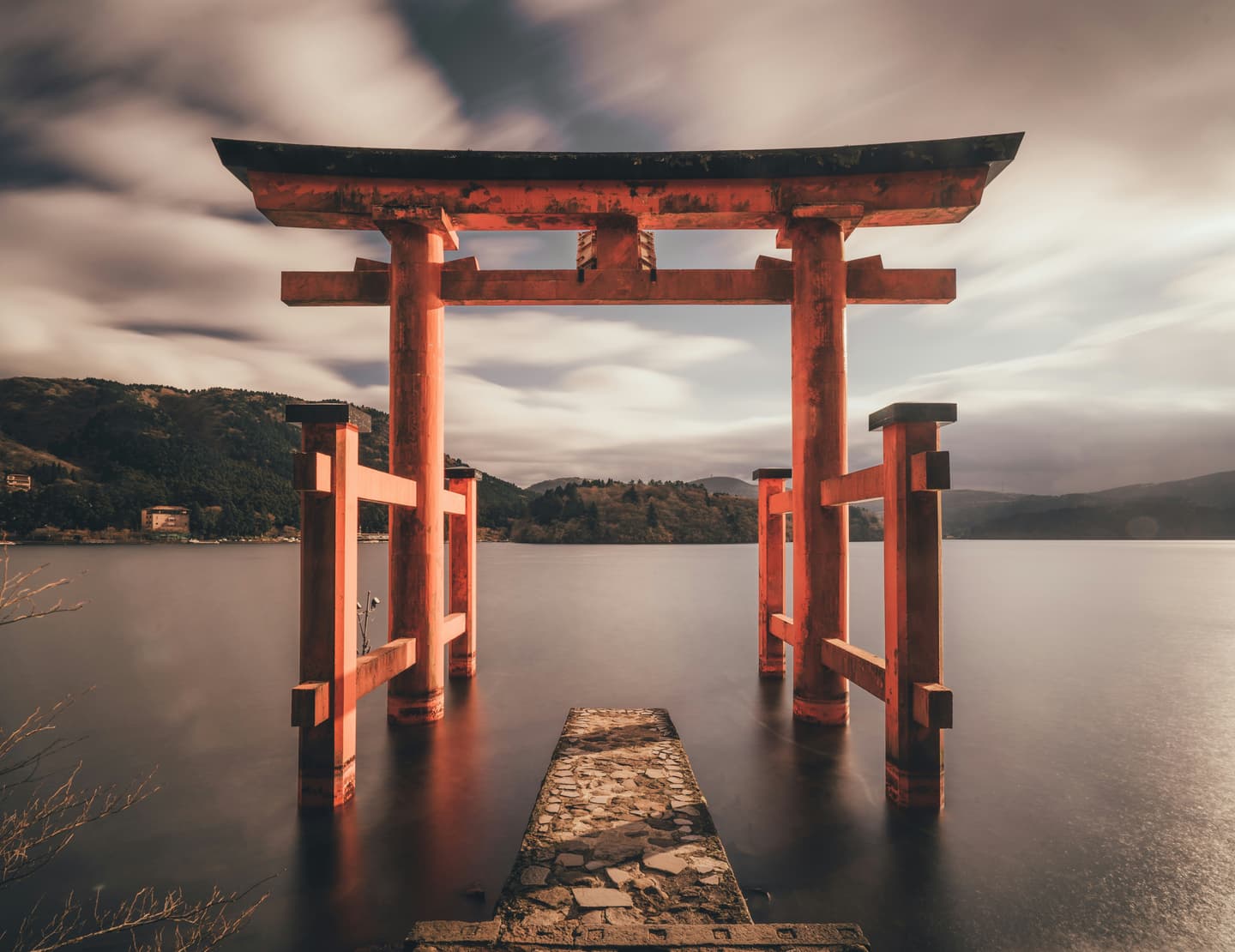
 City postcard
Ube
Japan's sculpture capital — an off-the-beaten-path coastal city where 200+ outdoor artworks meet Seto Inland Sea scenery.
Japan's sculpture capital — an off-the-beaten-path coastal city where 200+ outdoor artworks meet Seto Inland Sea scenery.
Ube is a coastal city in Yamaguchi Prefecture on the Seto Inland Sea, best known as the birthplace of the UBE Biennale — the world's oldest international outdoor sculpture competition, held biennially since 1961. Over 200 sculptures decorate the city's streets and parks, most concentrated in the beloved Tokiwa Park. Once an industrial coal-mining hub, Ube has reinvented itself through art, green spaces, and a remarkable environmental comeback recognized by the United Nations.
City postcardJapan's sculpture capital — an off-the-beaten-path coastal city where 200+ outdoor artworks meet Seto Inland Sea scenery.
A signature stop locals and returning travelers point to in Ube.
A signature stop locals and returning travelers point to in Ube.
A signature stop locals and returning travelers point to in Ube.
A signature stop locals and returning travelers point to in Ube.
A signature stop locals and returning travelers point to in Ube.
A signature stop locals and returning travelers point to in Ube.
A signature stop locals and returning travelers point to in Ube.
A signature stop locals and returning travelers point to in Ube.
A pocket of Ube with its own temperament — worth a deliberate detour when you're in the area.
A pocket of Ube with its own temperament — worth a deliberate detour when you're in the area.
A pocket of Ube with its own temperament — worth a deliberate detour when you're in the area.
A pocket of Ube with its own temperament — worth a deliberate detour when you're in the area.
The quick answers travelers want before they commit to flights, neighborhoods, and how long to stay.
The easiest way to fly into Ube is via Yamaguchi Ube Airport (UBJ), the only airport in Yamaguchi Prefecture, located just minutes from the city center. ANA, JAL, and Starflyer operate multiple daily flights from Tokyo Haneda (approx. 95 minutes; discount fares typically ¥10,000–¥21,000). From the airport, a bus to Shin-Yamaguchi Station takes about 35 minutes (¥910 one way), or you can take the JR Ube Line from the nearby Kusae Station (5-minute walk from the terminal) to connect with regional services (approx. 40 minutes, ¥420 one way). By Shinkansen, arrive at Shin-Yamaguchi Station — reachable in approximately 25–30 minutes from Hiroshima and around 2 hours from Shin-Osaka — then transfer to a local bus (25–30 minutes to Tokiwa Park, IC cards accepted) or the JR Ube Line. Intercity express buses also run from Fukuoka (approx. 88 km away), with the scenic 'Fuku-Fuku' line being a popular budget option. Alternatively, Kitakyushu Airport (KKJ) is about 35 km away and Fukuoka Airport is 88 km away, both accessible by road.
The Ube City Bus network is the most practical option for reaching key sights like Tokiwa Park and the airport; buses accept Suica, PASMO, and other IC cards. The JR Ube Line connects Shin-Yamaguchi Station to Ube-Shinkawa Station (the downtown core) — note that 'Ube Station' is an outskirts hub, while 'Ube-Shinkawa' is the actual city center. Most tourist sites cluster along the Ube Line near Tokiwa and Ube-Shinkawa stations. Because public transportation can be limited in certain areas outside the center, renting a car (available at the airport) is recommended for exploring coastal spots and rural tea fields. Taxis are available and cover the city center to airport in about 15–20 minutes.
Spring (March–May) is widely regarded as the best time to visit Ube. Tokiwa Park bursts into bloom with 3,500 cherry trees and 20,000 flowers — irises, hydrangeas, azaleas, and roses — all set against Lake Tokiwa's serene backdrop. Temperatures hover around a pleasant 18–19°C in May, ideal for the open-air sculpture walks the city is famous for. Autumn (October–November) is equally appealing, with cooler air and vivid foliage; crucially, UBE Biennale years (held every two years) run October–December, making this the prime window to catch the international sculpture competition at Tokiwa Park. Summer (July–August) is warm and humid — August averages 27.6°C with highs near 30°C — and while the annual Yamaguchi Ube Fireworks Festival draws locals, the heat and wet season can make extended outdoor sightseeing uncomfortable. Winter is mild by Japanese standards, and the city remains uncrowded year-round.
Arrive at Yamaguchi Ube Airport (UBJ) or Ube-Shinkawa Station. Head straight to Tokiwa Park — walk the UBE Biennale Sculpture Hill along Lake Tokiwa, taking in over 100 permanently displayed works from past competitions.
Explore the rest of Tokiwa Park: visit Tokiwa Zoo (habitat-style exhibits, famous pelicans), peek into the Botanical Garden, and stroll to island-set Tokiwa Shrine via its vermillion bridge.
Head into the Ube-Shinkawa dining district for a bowl of rich Ube-style tonkotsu ramen, then wind down with a local Yamaguchi sake at a neighborhood izakaya.
Visit Kotozaki Hachimangu Shrine — a tranquil complex with stone lanterns, torii tunnels, and a building housing over 950 types of omamori (lucky charms). Often blissfully uncrowded.
Drive or take a bus to Kirara Beach (Yakeno) on the Seto Inland Sea for coastal views, then swing by Sorin-ji Temple in the Kogushi neighborhood.
Return to the city center for kaiseki at Yoshicho restaurant (International Hotel Ube), showcasing seasonal Yamaguchi ingredients, or try Ube-style yakiniku barbecue for a more casual end to the evening.
Take a morning bus or drive to the Fujigochi Tea Plantation for ocean-view tea ceremony experience with a certified tea instructor. The rolling tea fields and coastal vistas are a highlight of Ube's natural side.
If time allows before departure, visit the Asa retro quarter — browse Morinaga Shoindo (est. 1905) for wagashi sweets and ohagi, and soak in the Showa-era streetscape.
Head to Yamaguchi Ube Airport (UBJ) — just minutes from the city center — for your onward flight, or catch the bus to Shin-Yamaguchi to re-join the Shinkansen network.
Real coworking spaces, laptop-friendly cafés, and libraries mapped near the center of the city — the closest, best-rated desks first.
No coworking-ready spots surfaced for this city yet.
Pick a different category or check back once we’ve indexed more desks for this city.
Ask for cafés, quiet neighborhoods, date-night spots, or a first 48-hour plan.
Mention calls, Wi-Fi needs, or how much of the day has to stay laptop-friendly.
Get faster answers on where to stay, when to move neighborhoods, and what to skip.
There aren’t any, yet!
Block off the weeks you're free. Wanderlust turns this dossier — flights, lodging, neighborhoods, timing — into a single draft itinerary in about ninety seconds.
Wanderlust Pro
Go deeper than the highlights — premium Ube intel with hidden gems, top stays, and offline access on the ground. From $5.00/month, billed annually.