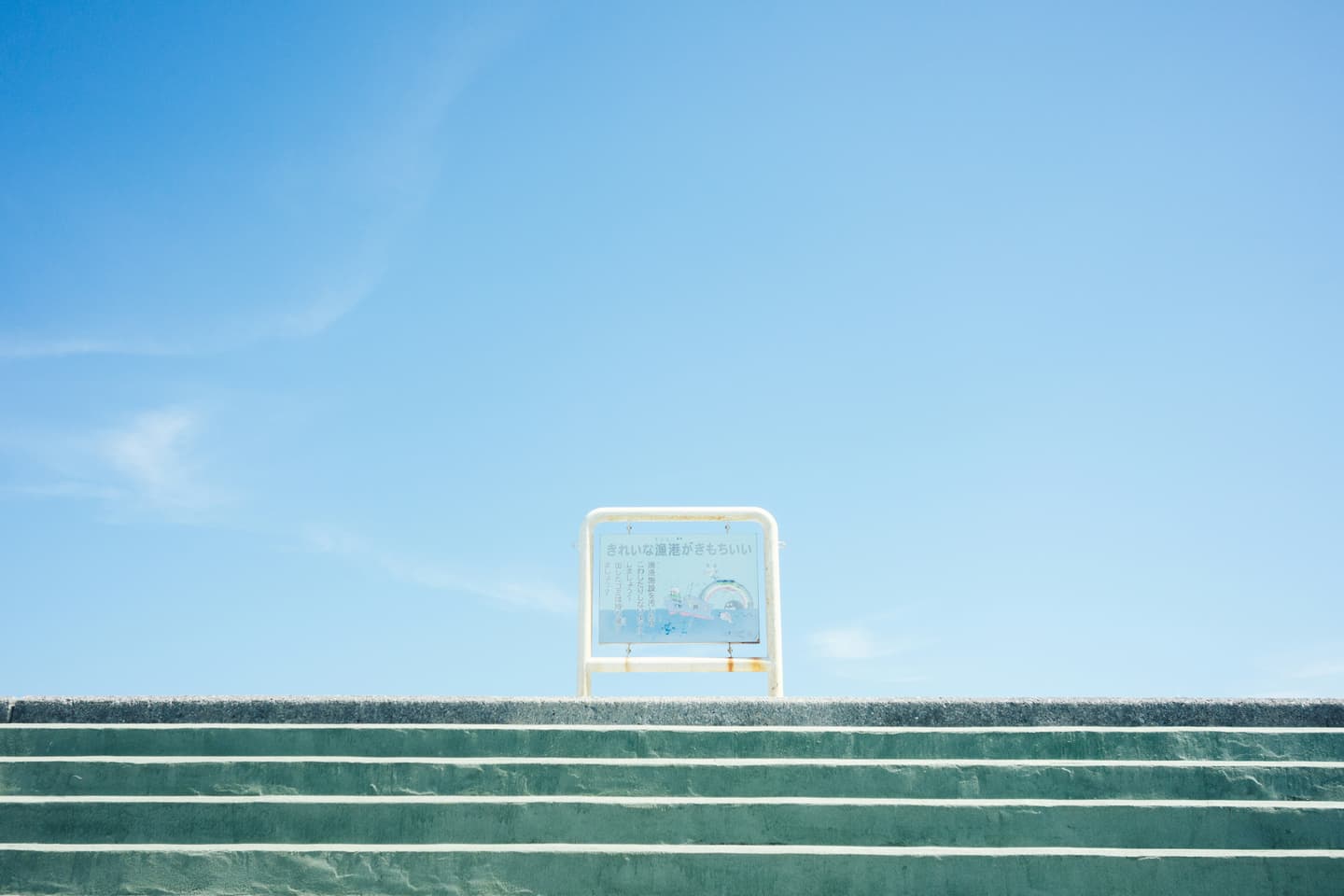
 City postcard
Nago
Northern Okinawa's relaxed base camp for wild beaches, coral reefs, and Ryukyu culture.
Northern Okinawa's relaxed base camp for wild beaches, coral reefs, and Ryukyu culture.
Nago is a laid-back coastal city in northern Okinawa, roughly 1.5 hours from Naha, offering a quieter and more spacious alternative to the island's busier resort strips. It anchors some of Okinawa's finest natural attractions — from the world-renowned Churaumi Aquarium and the newly opened Junglia adventure park to the iconic Kouri Bridge and pristine Sesoko Beach. Northern Okinawa's Yanbaru Forest, which surrounds Nago, is a UNESCO World Natural Heritage site, making the city a gateway to extraordinary subtropical landscapes. With affordable accommodation, local izakayas, and easy access to diving and snorkeling, Nago rewards travelers who want an authentic island experience over a resort bubble.
City postcardNorthern Okinawa's relaxed base camp for wild beaches, coral reefs, and Ryukyu culture.
 Top sight
A signature stop locals and returning travelers point to in Nago.
A signature stop locals and returning travelers point to in Nago.
Photo: Okinawa Churaumi Aquarium · Public domain
A signature stop locals and returning travelers point to in Nago.
A signature stop locals and returning travelers point to in Nago.
A signature stop locals and returning travelers point to in Nago.
A signature stop locals and returning travelers point to in Nago.
A signature stop locals and returning travelers point to in Nago.
A signature stop locals and returning travelers point to in Nago.
A signature stop locals and returning travelers point to in Nago.
A pocket of Nago with its own temperament — worth a deliberate detour when you're in the area.
A pocket of Nago with its own temperament — worth a deliberate detour when you're in the area.
A pocket of Nago with its own temperament — worth a deliberate detour when you're in the area.
A pocket of Nago with its own temperament — worth a deliberate detour when you're in the area.
The quick answers travelers want before they commit to flights, neighborhoods, and how long to stay.
The gateway to Nago is Naha Airport (OKA), located roughly 80 km (50 miles) to the south. By car, the Okinawa Expressway connects Naha directly to Nago with tolls of approximately ¥1,000 one way, taking about 1 hour. By bus, the Okinawa Airport Shuttle runs express services from Naha Airport through Onna Village all the way to Nago City Hall, making it a practical car-free option; the fare from Naha to Nago is approximately ¥1,600–¥2,200 one way. High-speed ferries also operate from Tomari Port in Naha to Toguchi Port on the Motobu Peninsula (some stopping at Nago), with a one-way trip taking 75 minutes and costing ¥1,000. Nago can also be reached by flight from Tokyo in about 2 hours, or from Seoul and Taipei in roughly 1–2 hours, all landing at Naha Airport.
A rental car is strongly recommended for exploring Nago and northern Okinawa — there is no railway network on the main island outside of the Naha monorail, and bus services outside Naha can be infrequent and slow. Rental car outlets are available at Naha Airport; book well in advance during Golden Week, Obon, and autumn peak season. The Okinawa Expressway toll runs ¥320–¥1,000 depending on distance, and parking outside Naha is typically free. For those without a car, the Okinawa Airport Shuttle and the Yanbaru Express buses link Naha Airport to Nago and the Motobu Peninsula including Churaumi Aquarium. Within Nago town, local buses and taxis are serviceable for short hops — pay with the OKICA IC card or cash. The Junglia theme park in the north runs its own dedicated Junglia Express buses from Naha/airport (¥2,500, ~2h 20min) and from central Nago (¥500, ~30 min), with reservations required.
Nago's subtropical climate means it's warm year-round, but the ideal windows are late March to May and October to November. Spring brings pleasantly warm temperatures (around 20–24°C), the tail end of Okinawa's cherry blossom season in January–February, and the start of beach season, though Golden Week (late April–early May) brings big crowds and premium prices. Autumn is widely considered Nago's 'golden season': October sees comfortable 25–28°C days, thinning crowds, falling prices, and an ocean still warm enough to swim in, with typhoon risk dropping sharply after mid-October. Typhoon season officially runs June through November, with peak risk in August and September — not a reason to cancel a trip, but travel insurance and itinerary flexibility are essential. Winters (December–February) are mild and quiet, ideal for road trips, whale watching (January–March), and catching the Nago Cherry Blossom Festival in late January. Summer (July–August) is peak beach weather with the warmest seas but maximum crowds, humidity, and typhoon exposure.
Drive to Ocean Expo Park and spend the morning at the Okinawa Churaumi Aquarium, home to whale sharks and one of the world's largest aquarium tanks. Explore the adjacent Tropical Dream Center botanical garden with its 2,000-plus orchid varieties.
Head to Emerald Beach within Ocean Expo Park for a swim, then loop back toward Nago via Busena Marine Park — take the underwater observatory for a 360-degree view of coral reefs without getting wet.
Return to Nago City Center for dinner. Try a bowl of Okinawa soba at a local spot, then cap the night with a cold Orion Beer — the brewery's rooftop area offers views over Nago Bay.
Drive north from Nago to Kouri Island via the stunning Kouri Bridge, one of Okinawa's longest toll-free bridges. Walk Kouri Beach — soft white sand, clear turquoise water, and rarely crowded. Stop at the Kouri Ocean Tower for panoramic views.
Backtrack toward Nakijin Castle Ruins, a UNESCO World Heritage–listed Ryukyu Kingdom fortress with sweeping ocean views. Continue to Neo Park Okinawa zoo and botanical park for a ride on the narrow-gauge locomotive and close-up encounters with flamingos and ostriches.
Swing by Nago Pineapple Park on the way home — sample pineapple wine and pick up local snacks. Dinner at a Motobu town restaurant specializing in fresh sushi and local seafood.
Spend the morning at Junglia — Okinawa's new (July 2025) nature-and-thrill park in the Yanbaru Forest. Choose between jungle ziplines, buggy rides, or the open-air cave spa and infinity pool overlooking the forest canopy.
Cool down at Sesoko Beach, one of northern Okinawa's most pristine stretches: soft sand, turquoise water, and minimal crowds. Grab a coffee at one of the beachside cafes and linger.
Drive the scenic coastal Route 58 south back toward Nago, stopping at viewpoints along the way. End with a final dinner in Nago City — set meals of karaage or yakisoba are reliable local staples — before heading to your next destination or catching the expressway back to Naha.
Real coworking spaces, laptop-friendly cafés, and libraries mapped near the center of the city — the closest, best-rated desks first.
No coworking-ready spots surfaced for this city yet.
Pick a different category or check back once we’ve indexed more desks for this city.
Ask for cafés, quiet neighborhoods, date-night spots, or a first 48-hour plan.
Mention calls, Wi-Fi needs, or how much of the day has to stay laptop-friendly.
Get faster answers on where to stay, when to move neighborhoods, and what to skip.
There aren’t any, yet!
Block off the weeks you're free. Wanderlust turns this dossier — flights, lodging, neighborhoods, timing — into a single draft itinerary in about ninety seconds.
Wanderlust Pro
Go deeper than the highlights — premium Nago intel with hidden gems, top stays, and offline access on the ground. From $5.00/month, billed annually.