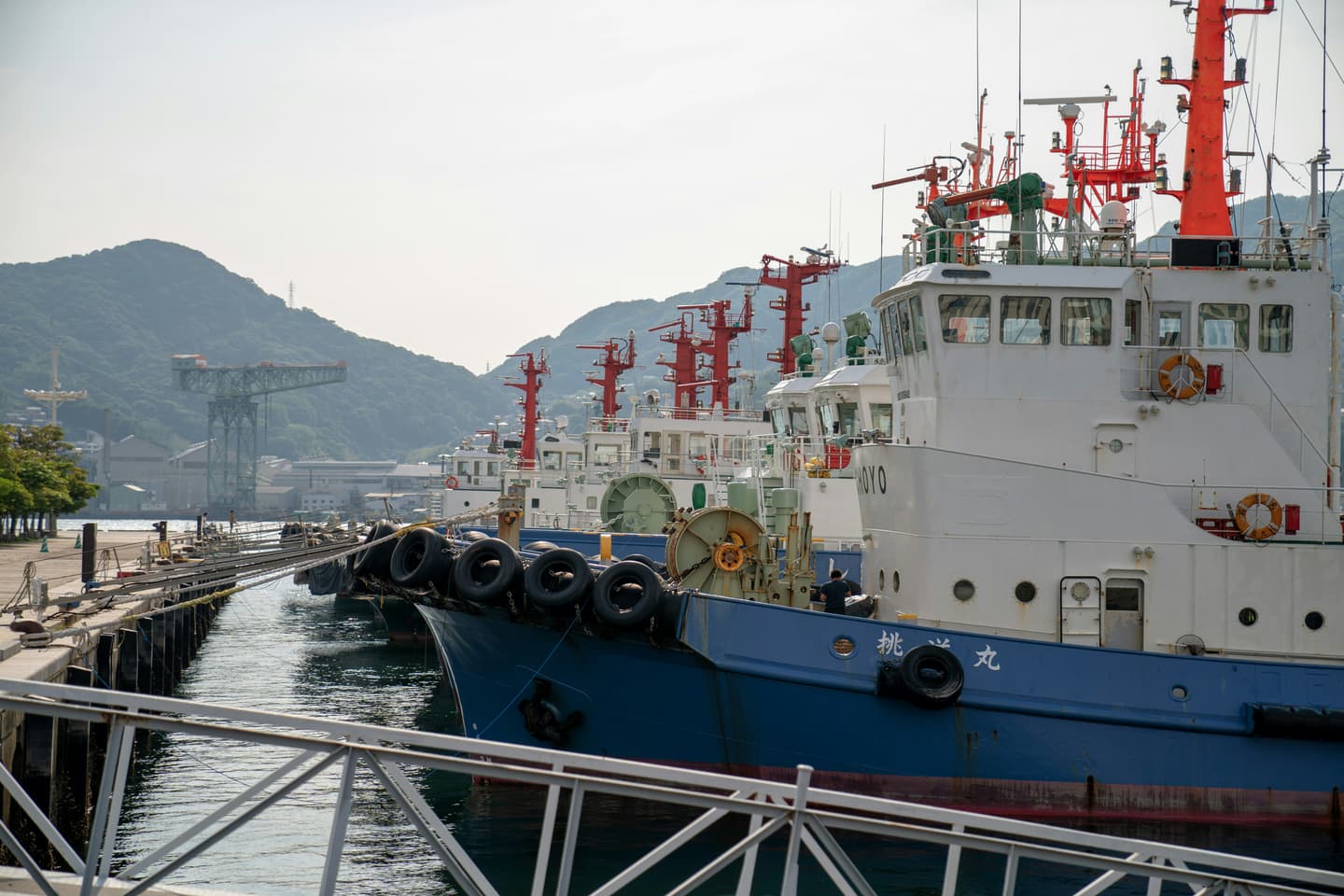
 City postcard
Nagasaki
Japan's most cosmopolitan port city — where East meets West, history meets resilience, and million-dollar night views take your breath away.
Japan's most cosmopolitan port city — where East meets West, history meets resilience, and million-dollar night views take your breath away.
Nagasaki is a compact, hilly port city on Kyushu's western tip, shaped for centuries by its unique role as Japan's sole gateway to the outside world. Its streets layer Chinese temples, Dutch-era trading posts, Catholic churches, and WWII peace memorials into one of Japan's richest cultural tapestries. Smaller and less visited than Hiroshima, it rewards curious travelers with an intimate, friendly atmosphere and spectacular harbor views that have earned it a spot among Japan's "New Three Great Night Views." From Chanpon noodles to castella cake, even its food tells the story of a city that was always open to the world.
City postcardJapan's most cosmopolitan port city — where East meets West, history meets resilience, and million-dollar night views take your breath away.
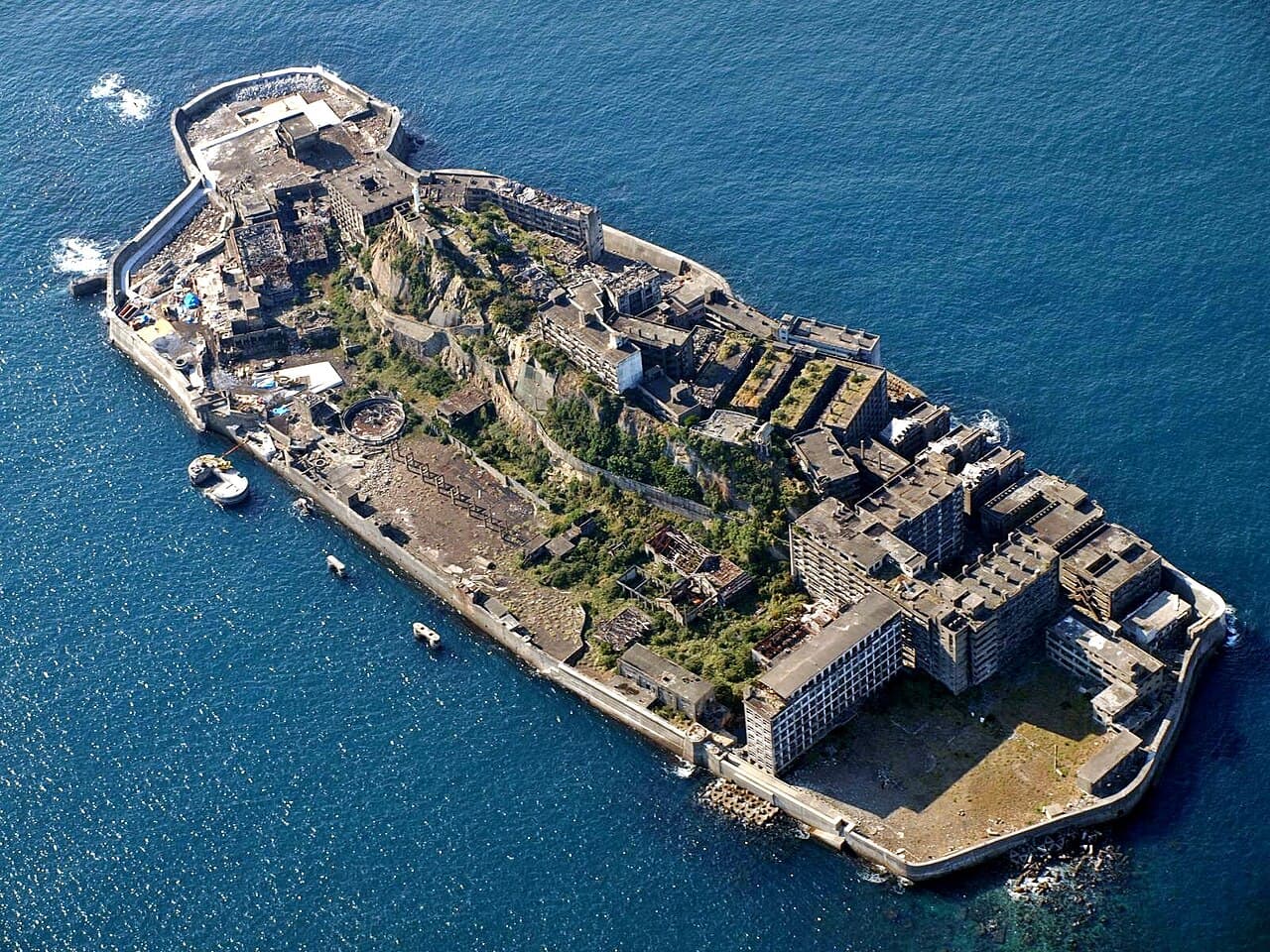 Top sight
A signature stop locals and returning travelers point to in Nagasaki.
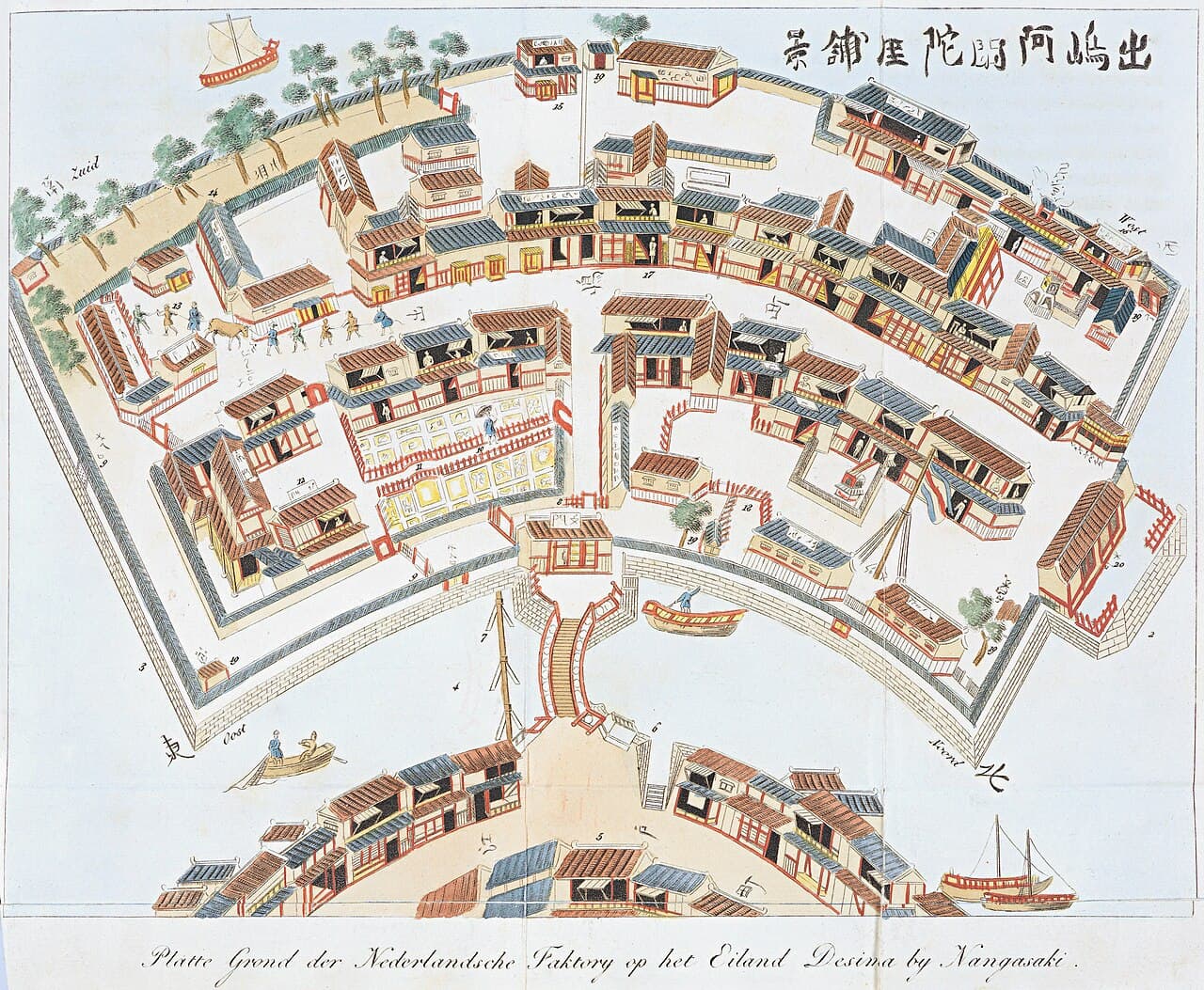 Top sight
A signature stop locals and returning travelers point to in Nagasaki.
A signature stop locals and returning travelers point to in Nagasaki.
A signature stop locals and returning travelers point to in Nagasaki.
A signature stop locals and returning travelers point to in Nagasaki.
Photo: Flickr user: kntrty https://www.flickr.com/photos/kntrty/ · CC BY 2.0
A signature stop locals and returning travelers point to in Nagasaki.
Photo: Isaac Titsingh · Public domain
A signature stop locals and returning travelers point to in Nagasaki.
A signature stop locals and returning travelers point to in Nagasaki.
A signature stop locals and returning travelers point to in Nagasaki.
A signature stop locals and returning travelers point to in Nagasaki.
A pocket of Nagasaki with its own temperament — worth a deliberate detour when you're in the area.
A pocket of Nagasaki with its own temperament — worth a deliberate detour when you're in the area.
A pocket of Nagasaki with its own temperament — worth a deliberate detour when you're in the area.
A pocket of Nagasaki with its own temperament — worth a deliberate detour when you're in the area.
The quick answers travelers want before they commit to flights, neighborhoods, and how long to stay.
Nagasaki Airport (NGS) is the primary air gateway, located about 38–39 km from the city centre. There is no rail link to the airport; the recommended approach is to board a direct Nagasaki Bus to Nagasaki Station (approx. 50 minutes) or to Shinchi Bus Terminal in the city centre. Flights from Tokyo take approximately 2 hours, and from Osaka approximately 1 hour 20 minutes. From Fukuoka (Hakata Station), the Kamome Shinkansen reaches Nagasaki Station in approximately 1 hour 20 minutes — the best option for JR Pass holders. Alternatively, hourly buses from Fukuoka Airport or Hakata/Tenjin reach Nagasaki in roughly 2.5 hours. The Tokyo-to-Nagasaki journey by Shinkansen takes around 7 hours, making flying the preferred choice from Honshu. Nagasaki Port also receives cruise ships, with customs and immigration facilities available at the city-centre terminal.
Nagasaki's charming above-ground tram (streetcar) network is the backbone of local transit, with four lines linking virtually all major tourist sights. A single ride costs ¥150 (pay exact change to the driver on board), while a unlimited 1-Day Tram Pass costs ¥600 and can be purchased at Tourist Information offices — not on the tram itself. Most central attractions are also walkable: key sights cluster about 1 km southeast of Nagasaki Station. For Mt. Inasa, take a bus then the Nagasaki Ropeway. Google Maps works reliably for navigating tram stops and bus routes. Bicycle rental is also available across the city for exploring at your own pace.
Spring (March–May) and autumn (September–November) are the consensus sweet spots for visiting Nagasaki, offering warm but comfortable temperatures and stunning natural scenery — cherry blossoms in April and fiery autumn leaves in October and November. Summer (June–August) is the most popular season but brings oppressive heat, high humidity, and heavy rainfall peaking in June and July (averaging around 36.6 cm in those months). Autumn is particularly special: the Nagasaki Kunchi Festival (October 7–9) is the city's most celebrated event, incorporating Chinese and Dutch cultural traditions into spectacular street performances. Winter is mild by Japanese standards, and February is worth considering for the Nagasaki Lantern Festival — a two-week spectacle coinciding with Chinese New Year that fills Chinatown and the city with over 15,000 lanterns, dragon dances, and parades. October is widely cited as the single best month for weather and festival-going combined.
Begin at the Nagasaki Atomic Bomb Museum (admission ¥200) to understand August 9, 1945. Walk across to the Atomic Bomb Hypocenter Monument, then visit Nagasaki Peace Park with its iconic 9.7-metre Peace Statue.
Head to Urakami Cathedral — reconstructed in 1959 and just 500 m from the bomb's hypocenter — then walk to the One-Pillar Torii of Sanno Shrine, the haunting remnant of the blast. Ride the tram south to Dejima, the restored Dutch trading post, and explore its historical buildings and museum.
Stroll to Shinchi Chinatown for dinner — try authentic Nagasaki chanpon noodle soup or kakuni pork. Browse the lantern-lit streets after dark.
Take the tram to Glover Garden (admission ¥620) on Minami Yamate Hill for panoramic harbor views and nine preserved Western-style merchant homes. Walk the adjacent Dutch Slope (Oranda-zaka) for its photogenic cobbled lanes lined with historic colonial houses.
Visit Oura Catholic Church (UNESCO World Heritage Site), then explore the Teramachi Temple Town district — a quiet street of Buddhist temples including Sofukuji, built by Chinese residents in 1629. Cross Meganebashi (Spectacles Bridge), Nagasaki's elegant double-arched stone bridge reflected in the Nakashima River.
Take Bus No. 1 then the Nagasaki Ropeway up to Mt. Inasa Observatory — arrive about 90 minutes before sunset to claim the best spot for the celebrated million-dollar night view over the city and harbor.
Book a guided boat tour from Nagasaki Port to Hashima Island (Gunkanjima / Battleship Island), a UNESCO World Heritage Site about 19 km offshore. The eerie abandoned concrete cityscape of the former coal mining colony is unlike anything else in Japan.
Return to the city and visit the Gunkanjima Digital Museum near the port for immersive projection-mapping exhibits on the island's history. Pick up castella sponge cake — introduced by Portuguese missionaries — from one of Nagasaki's famous confectioners as a souvenir.
End with a relaxed dinner near Nagasaki Station to try toruko raisu (Nagasaki's beloved mashup of pilaf, spaghetti, and pork cutlet) before departing or heading to an onsen.
Real coworking spaces, laptop-friendly cafés, and libraries mapped near the center of the city — the closest, best-rated desks first.
No coworking-ready spots surfaced for this city yet.
Pick a different category or check back once we’ve indexed more desks for this city.
Ask for cafés, quiet neighborhoods, date-night spots, or a first 48-hour plan.
Mention calls, Wi-Fi needs, or how much of the day has to stay laptop-friendly.
Get faster answers on where to stay, when to move neighborhoods, and what to skip.
There aren’t any, yet!
Block off the weeks you're free. Wanderlust turns this dossier — flights, lodging, neighborhoods, timing — into a single draft itinerary in about ninety seconds.
Wanderlust Pro
Go deeper than the highlights — premium Nagasaki intel with hidden gems, top stays, and offline access on the ground. From $5.00/month, billed annually.