 City postcard
Phuket
Thailand's legendary island paradise — where Andaman beaches, jungle temples, and vibrant nightlife collide.
Thailand's legendary island paradise — where Andaman beaches, jungle temples, and vibrant nightlife collide.
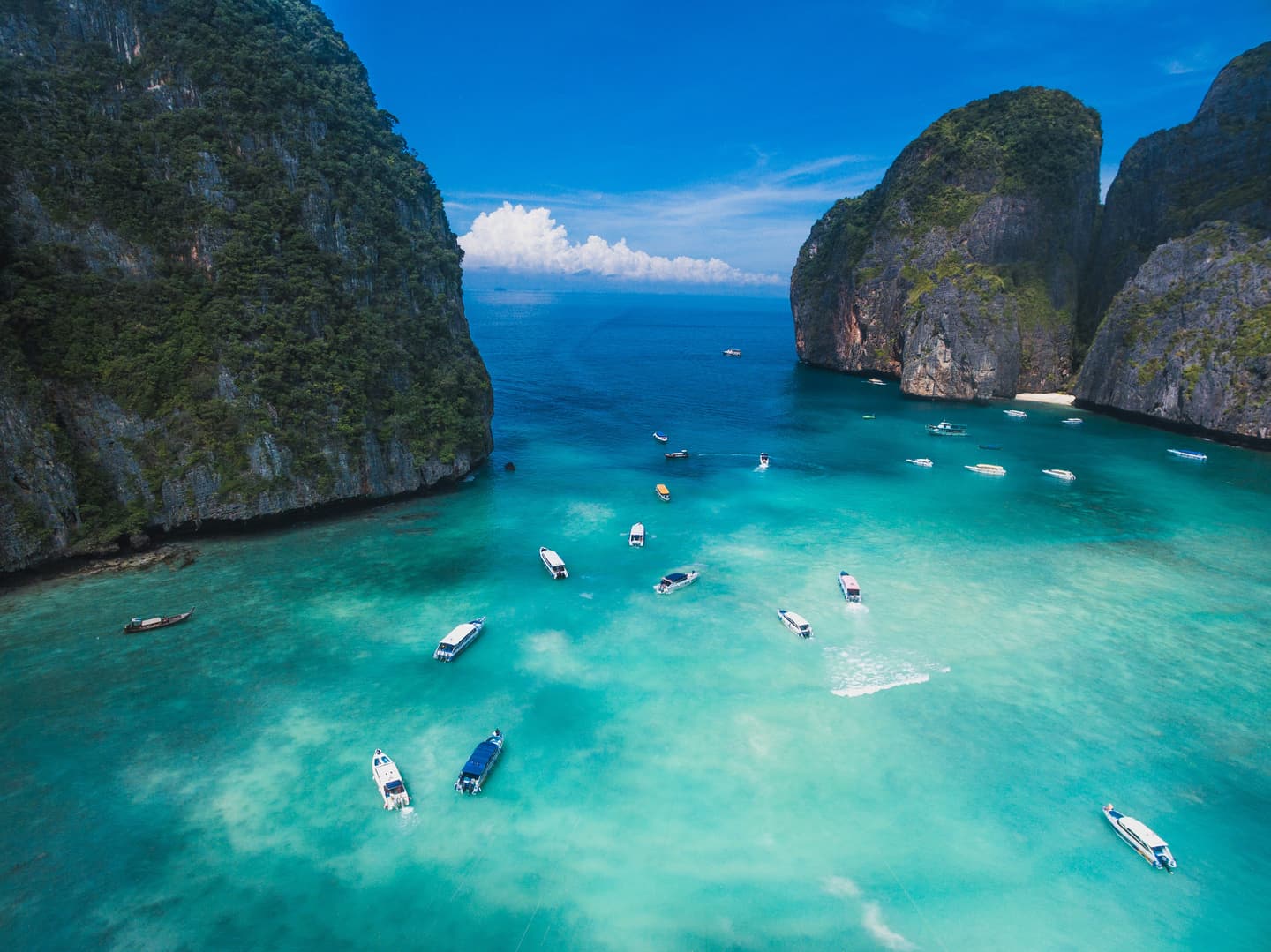
Phuket is Thailand's largest island, where the Andaman Sea meets jungle-covered mountains and a surprisingly rich cultural heritage. Once a tin-mining hub, it now draws millions of visitors to its world-famous beaches, ancient Buddhist temples, and buzzing night markets. The island spans the spectrum from rowdy Patong parties to serene Rawai sunsets — and its Sino-Portuguese Old Town adds a layer of historical depth rarely found in a beach destination. For digital nomads and long-term expats, Phuket blends city-level amenities with a tropical island lifestyle at a fraction of Western costs.
City postcardThailand's legendary island paradise — where Andaman beaches, jungle temples, and vibrant nightlife collide.
 Top sight
A signature stop locals and returning travelers point to in Phuket.
A signature stop locals and returning travelers point to in Phuket.
A signature stop locals and returning travelers point to in Phuket.
A signature stop locals and returning travelers point to in Phuket.
A signature stop locals and returning travelers point to in Phuket.
A signature stop locals and returning travelers point to in Phuket.
A signature stop locals and returning travelers point to in Phuket.
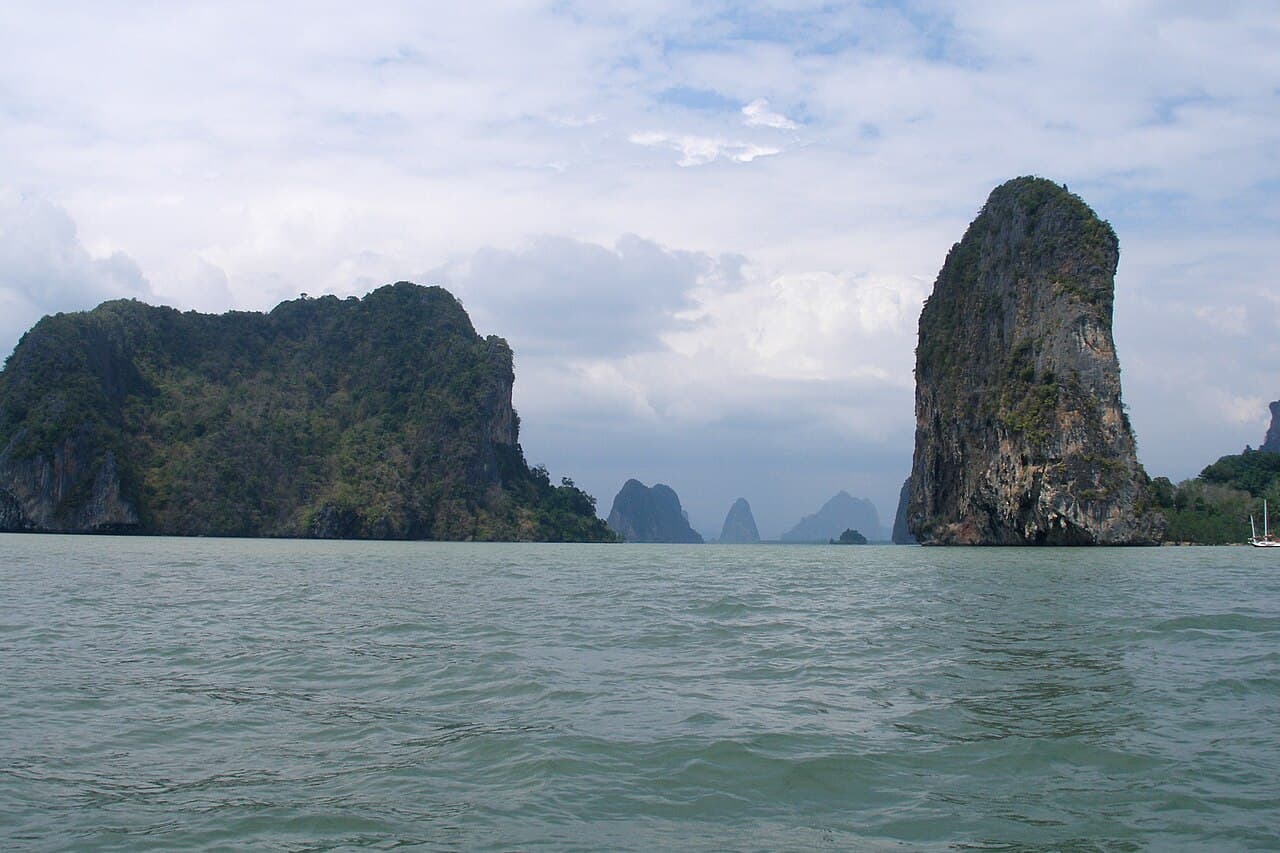
Photo: Vyacheslav Argenberg · CC BY 4.0
A signature stop locals and returning travelers point to in Phuket.
A signature stop locals and returning travelers point to in Phuket.
A visual anchor inside Phuket worth building into the route.
A pocket of Phuket with its own temperament — worth a deliberate detour when you're in the area.
A pocket of Phuket with its own temperament — worth a deliberate detour when you're in the area.
A pocket of Phuket with its own temperament — worth a deliberate detour when you're in the area.
A pocket of Phuket with its own temperament — worth a deliberate detour when you're in the area.
The quick answers travelers want before they commit to flights, neighborhoods, and how long to stay.
Phuket is served exclusively by Phuket International Airport (HKT), with direct flights from Bangkok (approx. 1.5 hrs), major Asian hubs, and seasonal European charters. There is no rail connection to the island. From the airport, the most popular transfer option is a metered taxi: fares to Patong or Phuket Town average around 800 THB (~$22–28), with journey times of 45–60 minutes. Official taxi counters are located outside the arrivals hall. Budget travellers can take the public airport bus for just 100 THB, which runs between 6:00 AM and 7:30 PM with stops along Thepkrasattri Road and the main bus terminal. The Phuket Smart Bus is another affordable option, covering beach destinations like Bang Tao, Surin, Kamala, Patong, Karon, and Kata, with fares ranging from 50–170 THB and free onboard Wi-Fi. Shared minivans to popular areas like Patong, Kata, and Karon cost 180–300 THB. Private transfers run 900–1,500 THB and are recommended for families or late-night arrivals. Note: Uber does not operate in Thailand as of 2025.
Phuket lacks a formal metro or rail network, so ground transport options are key. The Phuket Smart Bus is the most tourist-friendly public option, linking the airport and major west-coast beaches (Bang Tao to Kata) for 50–170 THB per trip, operating 6:00 AM–8:00 PM with air-conditioning and free Wi-Fi. Bright-blue songthaews (shared pickup trucks) run set routes between Phuket Town and the main beaches — cheap but slow. Grab is the dominant ride-hailing app and works well island-wide; Bolt is a solid, often cheaper alternative. Metered taxis start at 50–100 THB with a per-km rate of 12–15 THB, while tuk-tuks command a minimum fare of 200 THB and can charge 400–600 THB for inter-beach trips — always agree on the fare beforehand. Renting a scooter (roughly 2,800 THB/month) is common and practical, but carry an international driving permit as police checkpoints are frequent. Ride-hailing apps like inDrive also operate on the island.
Phuket's tropical climate divides into two clear seasons. The dry season (November–April) is peak time: skies are blue, seas are calm, temperatures sit comfortably between 24°C and 32°C, and humidity is at its lowest — ideal for beaches, watersports, and island-hopping. December and January are the absolute peak, bringing maximum crowds and hotel prices up 30–40% above low-season rates; book accommodation 2–3 months ahead. For the best balance of great weather without peak-season premiums, target November or March–April — shoulder months that can save 30–50% versus peak rates while still delivering mostly sunny days. The monsoon season (May–October) brings heavy rainfall, rough seas, and strong winds, though early monsoon (May–June) retains plenty of sunshine and offers 50–70% discounts. September is the wettest month and generally best avoided. A silver lining of the low season: popular sights like Big Buddha and Old Town are quieter, and Phuket's famous Vegetarian Festival — a spectacular nine-day Taoist event with street processions and cultural ceremonies — takes place each October.
Start in Old Phuket Town — stroll the Sino-Portuguese shophouse streets of Thalang Road, browse the weekend market stalls, and fuel up on traditional Hokkien-influenced breakfast at a local coffee shop.
Head to Wat Chalong, Phuket's most revered Buddhist temple, for a serene afternoon visit. Then drive up to the Big Buddha (Phra Phutta Ming Mongkol Akenakkiri) for sweeping 360-degree island views.
Head to Patong for dinner along the beachfront, then explore the iconic Bangla Road night scene — bars, cabaret shows (Simon Cabaret), and street food stalls keep the energy high until late.
Join a speedboat day-tour from Chalong Pier to the Phi Phi Islands. Arrive early at Maya Bay (from The Beach fame) before the crowds build, and snorkel the crystal-clear waters of Loh Samah Bay.
Continue to Phi Phi Don for lunch at a beachside restaurant, explore the viewpoint hike, and squeeze in more snorkelling at the coral-rich Shark Point or Pileh Lagoon.
Return to Phuket by late afternoon. Wind down with sunset cocktails at Kata Noi beach, then dine on fresh seafood at the Rawai Seafood Market where you choose your catch and have it cooked to order.
Take an early longtail or speedboat tour into Phang Nga Bay — paddle a sea kayak through limestone cave hongs and visit the famous James Bond Island (Khao Phing Kan). The bay's emerald waters are most serene in the morning light.
Return and spend the afternoon at Bang Tao or Surin Beach — Phuket's premium coastline. Grab a sun lounger at one of the upscale beach clubs (Catch Beach Club, Twinpalms), or browse Boat Avenue and Porto de Phuket for boutique shopping.
Finish the trip with a Michelin-recommended Thai dinner in Cherng Talay or a rooftop cocktail in Old Phuket Town, toasting the end of an island-packed itinerary.
Real coworking spaces, laptop-friendly cafés, and libraries mapped near the center of the city — the closest, best-rated desks first.
No coworking-ready spots surfaced for this city yet.
Pick a different category or check back once we’ve indexed more desks for this city.
Ask for cafés, quiet neighborhoods, date-night spots, or a first 48-hour plan.
Mention calls, Wi-Fi needs, or how much of the day has to stay laptop-friendly.
Get faster answers on where to stay, when to move neighborhoods, and what to skip.
There aren’t any, yet!
Block off the weeks you're free. Wanderlust turns this dossier — flights, lodging, neighborhoods, timing — into a single draft itinerary in about ninety seconds.
Wanderlust Pro
Go deeper than the highlights — premium Phuket intel with hidden gems, top stays, and offline access on the ground. From $5.00/month, billed annually.