Top sight
Top sight
Thailand's most iconic island escape — dazzling limestone cliffs, Maya Bay, and legendary beach nightlife.
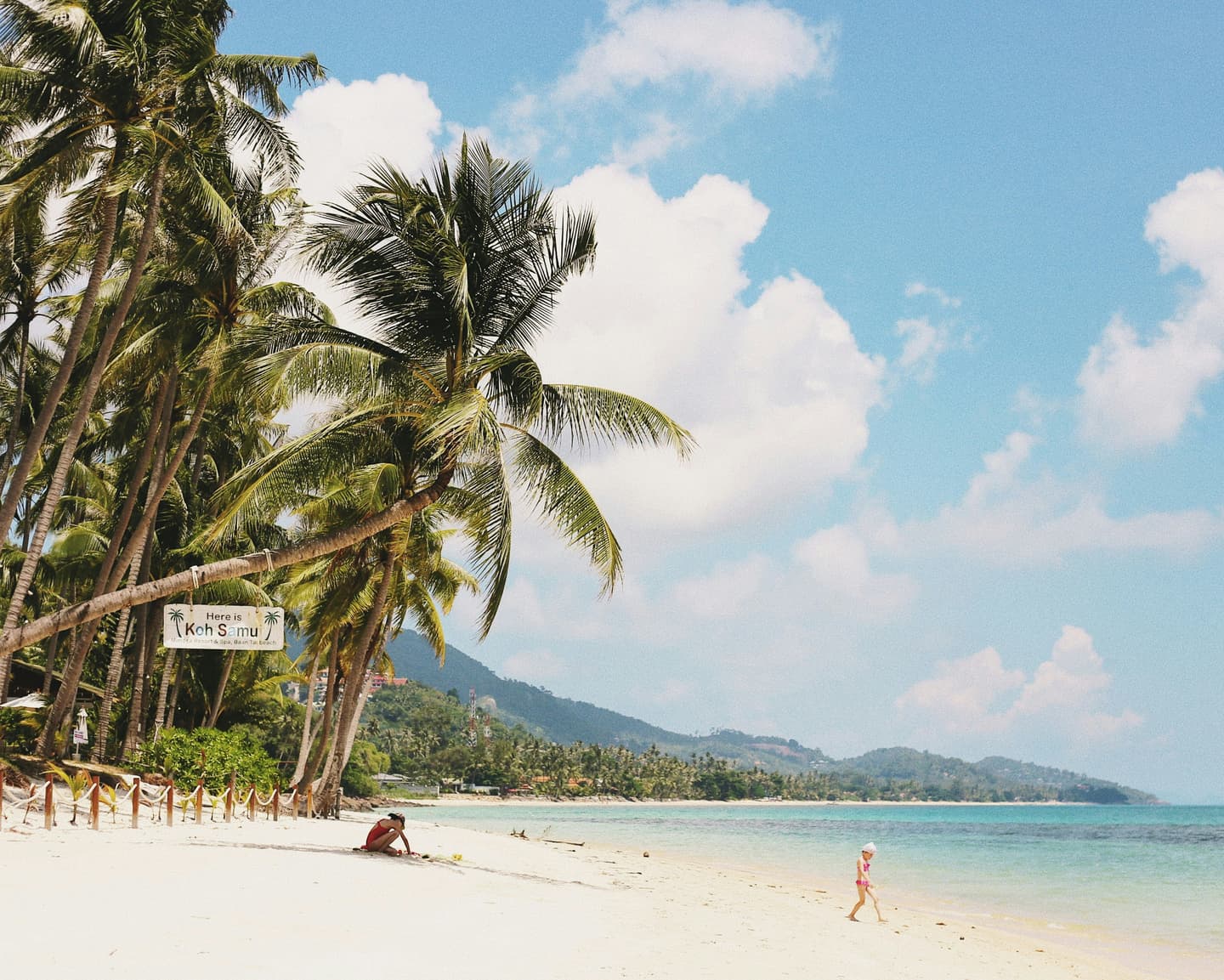
Ko Phi Phi is an archipelago of six islands in the Andaman Sea, situated between Phuket and Krabi, with Phi Phi Don and Phi Phi Leh as the two main islands. Famous for turquoise lagoons, towering limestone cliffs, and the world-renowned Maya Bay — the film location of Leonardo DiCaprio's "The Beach" — the islands draw visitors from across the globe. Phi Phi Don is the only inhabited island, home to Tonsai village, beach bars, dive shops, and resorts, while the uninhabited Phi Phi Leh holds the natural wonders. Though the islands grapple with overtourism and overdevelopment, their raw natural beauty and vibrant atmosphere remain hard to match anywhere in Southeast Asia.
More cities for these months: Where to go in January · Where to go in February · Where to go in March · Where to go in November · Where to go in December
The original name of the island is “Pulao Pi ah Pi”, which refers to the mangrove found there. It later became Phi Phi (pronounced “pee pee”) which was said to originate from Malay.
Insider tips · Wanderlust Pro
Practical tips on the sights and neighbourhoods in this Ko Phi Phiguide — when to go, what most visitors miss. Written with AI about the guide's own places; double-check details before you go. Pro members see every tip.
The quick answers travelers want before they commit to flights, neighborhoods, and how long to stay.
There is no airport on Ko Phi Phi — the nearest gateways are Krabi International Airport (KBV) and Phuket International Airport (HKT), both well-connected to Bangkok and international hubs. From Krabi Airport, a taxi takes around 30 minutes to Klong Jilad Pier, from where ferries reach Phi Phi in approximately 90 minutes. From Phuket, the departure point is Rassada Pier in Phuket Town — a 45–60 minute taxi ride from Phuket Airport costing 600–1,000 THB; the ferry crossing takes about 2 hours. Speedboats are faster but pricier. All boats arrive at Tonsai Pier on Phi Phi Don. Combo minivan-plus-ferry tickets can be booked in advance online via operators like 12Go Asia. From Bangkok, the quickest route is to fly into Krabi (under 1.5 hours) and connect by ferry.
Ko Phi Phi is a car-free island — no taxis, tuk-tuks, or scooters exist on land. The main village of Tonsai is entirely walkable, and most guesthouses, restaurants, and beach bars are accessible on foot. For beaches and attractions unreachable by foot — such as Nui Beach, Laem Tong, and the surrounding islands — longtail boat taxis are the primary option, with fares ranging from 1,200 to 8,000 THB depending on destination and group size. Many resorts at Laem Tong Beach provide complimentary longtail boat transfers from Tonsai Pier. Island-hopping tours to Maya Bay, Pileh Lagoon, Bamboo Island, and Monkey Beach are best booked as half- or full-day longtail or speedboat trips; longtail half-day tours start from around 2,000 THB for a private boat.
Ko Phi Phi has two distinct seasons: a dry season (November–April) and a rainy season (May–October). The sweet spot is November through March, when humidity is at its lowest, seas are calm, and skies are reliably clear — perfect conditions for snorkeling, scuba diving, and boat trips. December through February is peak tourist season, bringing the biggest crowds and highest prices, so book accommodation well in advance. April remains dry but is the hottest month, with temperatures reaching 34–36°C. The shoulder months of late April and early November offer a balance of decent weather and fewer visitors. The rainy season (May–October) brings frequent afternoon showers, rougher seas, and the occasional rough stretch in September and October (the wettest month, with up to 23 days of rain). On the plus side, low-season prices are significantly cheaper and the islands are far quieter. Note that Maya Bay closes annually for ecological recovery each August and September.
Arrive by ferry at Tonsai Pier and check in to your accommodation. Stroll through Tonsai Village, grab a Thai breakfast at a local cafe, and get your bearings on this car-free island.
Hike up to Phi Phi Viewpoint 2 for panoramic views of the island's famous H-shaped twin bays. Then head to Loh Dalum Bay for a swim and relax on the beach.
Sample street food and fresh seafood in Tonsai Village, then experience the legendary beach nightlife — fire shows and cocktail buckets are the local speciality.
Rise early for a longtail or speedboat island-hopping tour. Beat the crowds with a sunrise visit to Maya Bay on Phi Phi Leh, where swimming is restricted but the scenery is extraordinary.
Continue to Pileh Lagoon for swimming, then Monkey Beach to spot macaques. Head to Bamboo Island (Koh Mai Phai) for snorkeling at its coral garden and a relaxed beach lunch.
Return to Phi Phi Don and unwind with a sunset drink at a rooftop bar before a quieter dinner along the beachfront.
Join a scuba diving trip to Hin Muang or Hin Daeng — some of Thailand's finest dive sites — where leopard sharks, reef sharks, and manta rays are regularly spotted. Diving trips start from around 3,950–4,500 THB.
Take a longtail to Long Beach for a quieter swim and a stop at Shark Point, where blacktip reef sharks can often be spotted in the shallows. Grab a late lunch back at Tonsai.
Pick up souvenirs in the village market and catch an afternoon or evening ferry back to Krabi or Phuket.
Real coworking spaces, laptop-friendly cafés, and libraries mapped near the center of the city — the closest, best-rated desks first.
No coworking-ready spots surfaced for this city yet.
Pick a different category or check back once we’ve indexed more desks for this city.
Ask for cafés, quiet neighborhoods, date-night spots, or a first 48-hour plan.
Mention calls, Wi-Fi needs, or how much of the day has to stay laptop-friendly.
Get faster answers on where to stay, when to move neighborhoods, and what to skip.
Written by signed-in Wanderlust members. We don't check that a reviewer has visited.
No reviews of Ko Phi Phi yet.
Tell the planner your dates, who's coming, your budget and pace, and it drafts a day-by-day itinerary you can edit.
Wanderlust Pro
Insider tips for Ko Phi Phi, unlimited AI-built itineraries, and travel companions you can invite to plan a trip together. From $5.00/month, billed annually.
Insider tips · Wanderlust Pro
Practical tips on the sights and neighbourhoods in this Ko Phi Phiguide — when to go, what most visitors miss. Written with AI about the guide's own places; double-check details before you go. Pro members see every tip.