Top sight
Top sight
Thailand's jungle-clad Elephant Island: white-sand bays, coral reefs, and national park wilderness without the crowds.
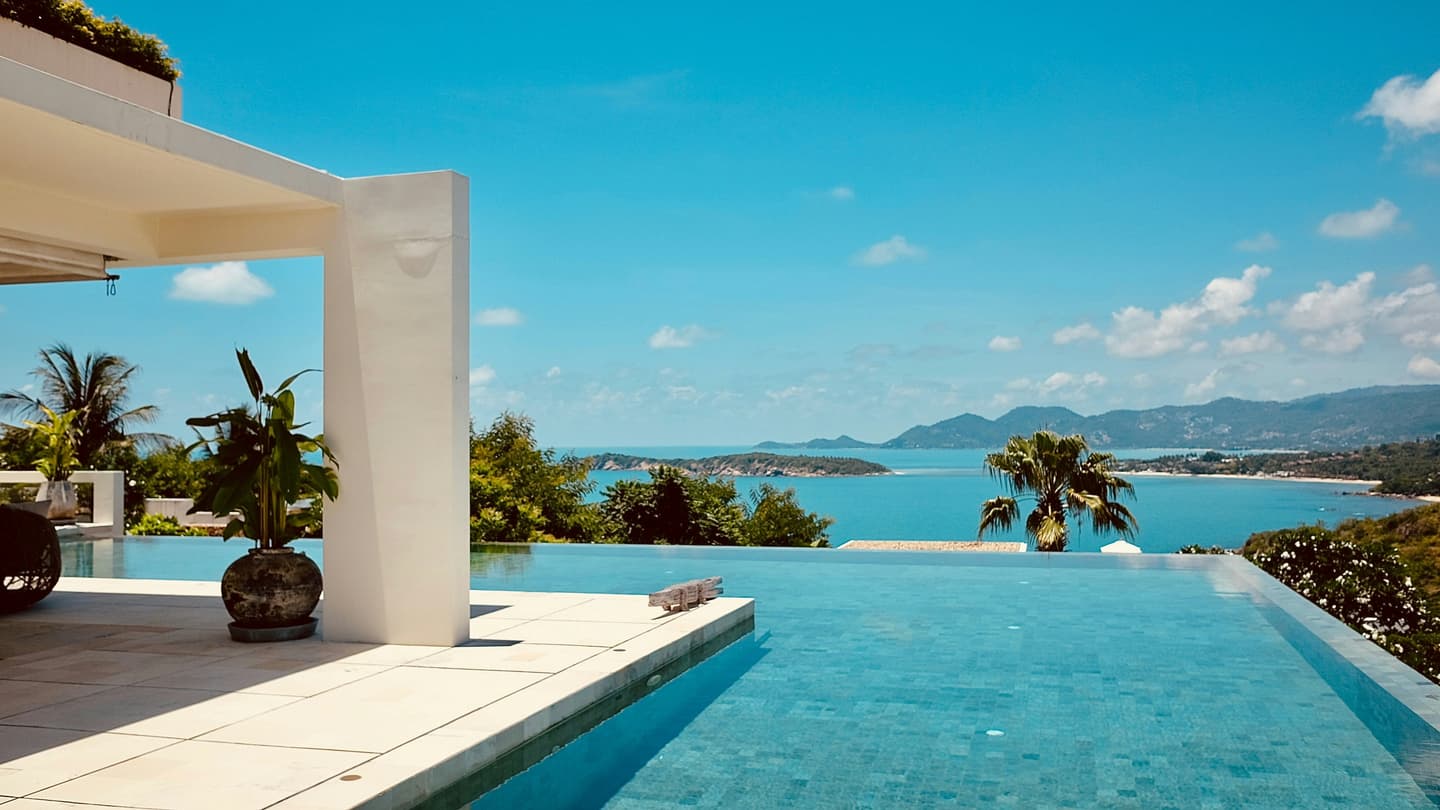
Ko Chang ("Elephant Island") is Thailand's second-largest island, rising from the Gulf of Thailand just 300 km east of Bangkok near the Cambodian border. Roughly 70% of its 212 km² interior is rainforest protected within Mu Ko Chang National Park, where waterfalls, hiking trails, and intact coral reefs await. The western coast strings together a ladder of distinct beaches — from buzzy White Sand Beach to mellow Klong Prao and backpacker-favourite Lonely Beach — catering to every style and budget. Unlike Phuket or Koh Samui, Ko Chang has no airport, which keeps mass tourism at bay and the island's rugged, unhurried character intact.
More cities for these months: Where to go in January · Where to go in February · Where to go in March · Where to go in November · Where to go in December

Insider tips · Wanderlust Pro
Practical tips on the sights and neighbourhoods in this Ko Changguide — when to go, what most visitors miss. Written with AI about the guide's own places; double-check details before you go. Pro members see every tip.
The quick answers travelers want before they commit to flights, neighborhoods, and how long to stay.
Ko Chang has no airport or bridge, so all arrivals require a ferry crossing. The fastest route from Bangkok is to fly Bangkok Airways from Suvarnabhumi Airport (BKK) to Trat Airport (TDX) — roughly 3 daily flights, ~45-minute flight — then take a shared minivan or private transfer the ~20 km to Ao Thammachat pier (transfers approximately 550 THB one-way, 990 THB return; book ahead as airport taxis often won't do the ferry run). Ferries depart from Ao Thammachat pier to Ko Chang's Ao Sapparot pier daily from 06:00–19:30 year-round; the crossing takes about 30 minutes. Budget travellers can take a direct bus from Bangkok's Ekkamai Bus Station to the mainland pier — a roughly 5–6 hour journey that often includes the ferry fare. Note: Trat Ferry (formerly Centrepoint Ferry) has been suspended since July 2024 and is unlikely to resume; use the Ao Thammachat departure instead.
A single main road runs down Ko Chang's west coast connecting all the major beaches, but distances are significant and the terrain is steep and winding. Songthaews (shared pickup trucks) are the primary public transport — fares run approximately 40–80 THB depending on distance; note that drivers may wait until seats are filled, particularly in low season. Motorbike rental is the most flexible option at 150–300 THB per day; helmets are strongly advised given the island's winding, hilly roads (motorbike accident rates in Ko Chang are among the highest in Thailand). Cars can be brought over on the ferry for an extra fee of around 120–150 THB on top of the ferry ticket. The eastern side of the island has very limited public transport, so a rented scooter is essential for exploring fishing villages and waterfalls there. Most island-hopping and diving/snorkelling boats depart from Bang Bao Pier in the south.
Ko Chang has two distinct seasons. The dry season (November–April) is peak time: skies are clear, seas are calm, and temperatures are a comfortable 27–30 °C. December–February is widely considered the sweet spot — sunshine stretches to 9 hours a day, dive visibility can reach 20–30 m around the HTMS Chang wreck, and snorkelling trips to Koh Rang National Marine Park run daily. February is statistically the quietest dry-season month, a smart pick if you want sun without the December–January holiday rush. March and April remain warm and largely dry but temperatures climb toward 33–35 °C. The monsoon (May–October) brings heavy rain — July and August are the wettest months — and most boat trips face cancellation risk; however, accommodation discounts and lush green landscapes attract budget-conscious visitors. November is a transitional month: rains taper off sharply and Loy Krathong festival (full moon, usually November) creates a magical atmosphere along the island's beaches and waterways. Avoid Thai public holidays if possible, as Ko Chang becomes a busy getaway for domestic tourists.
Arrive via the Ao Thammachat ferry and check in at your beach accommodation. Take a leisurely walk the length of White Sand Beach (Hat Sai Khao), the island's most popular and developed stretch.
Browse the night market stalls setting up along the beachside road, then cool off with a snorkel just offshore or rent a kayak. Grab a Thai massage at one of the many beachfront parlours.
Head to the nightly street food market at White Sand Beach (open from ~17:30), which offers BBQ meats, fresh fruit, and classic Thai dishes. Watch a fire dance show at one of the beachfront bars.
Rent a scooter and ride inland to Klong Phlu Waterfall, Ko Chang's most accessible and dramatic cascade — at its most powerful after rain. Pack swimwear for the natural pools.
Continue south along the west coast to the long, lovely sweep of Klong Prao Beach — one of the best sunset spots in Thailand. Rent a kayak to paddle through the inland klong (canal) waterways that divide the beach.
Dinner at one of Klong Prao's beachfront restaurants serving fresh seafood. Stroll the quieter, more romantic stretch of beach as the sun drops into the Gulf.
Drive south to Bang Bao, a former fishing village now built on wooden stilts over a bay. Walk the full length of the pier past seafood restaurants and dive shops, ending at the lighthouse. Book an afternoon snorkel or dive trip here.
Join a snorkelling boat from Bang Bao Pier to the reefs around Koh Rang National Marine Park or the smaller outer islands (Koh Wai, Koh Kra). Trips run November–April and cost approximately 600–1,500 THB depending on boat size and islands visited.
Return to Bang Bao for a fresh seafood dinner on the pier with views over the bay. Head back up the west coast and wind down with a drink at Lonely Beach's lively bar scene.
Real coworking spaces, laptop-friendly cafés, and libraries mapped near the center of the city — the closest, best-rated desks first.
No coworking-ready spots surfaced for this city yet.
Pick a different category or check back once we’ve indexed more desks for this city.
Ask for cafés, quiet neighborhoods, date-night spots, or a first 48-hour plan.
Mention calls, Wi-Fi needs, or how much of the day has to stay laptop-friendly.
Get faster answers on where to stay, when to move neighborhoods, and what to skip.
Written by signed-in Wanderlust members. We don't check that a reviewer has visited.
No reviews of Ko Chang yet.
Tell the planner your dates, who's coming, your budget and pace, and it drafts a day-by-day itinerary you can edit.
Wanderlust Pro
Insider tips for Ko Chang, unlimited AI-built itineraries, and travel companions you can invite to plan a trip together. From $5.00/month, billed annually.
Insider tips · Wanderlust Pro
Practical tips on the sights and neighbourhoods in this Ko Changguide — when to go, what most visitors miss. Written with AI about the guide's own places; double-check details before you go. Pro members see every tip.