Top sight
Top sight
Krabi's limestone-fringed gateway to the Andaman — where dramatic karst cliffs meet powder-soft beaches and island-hopping paradise.
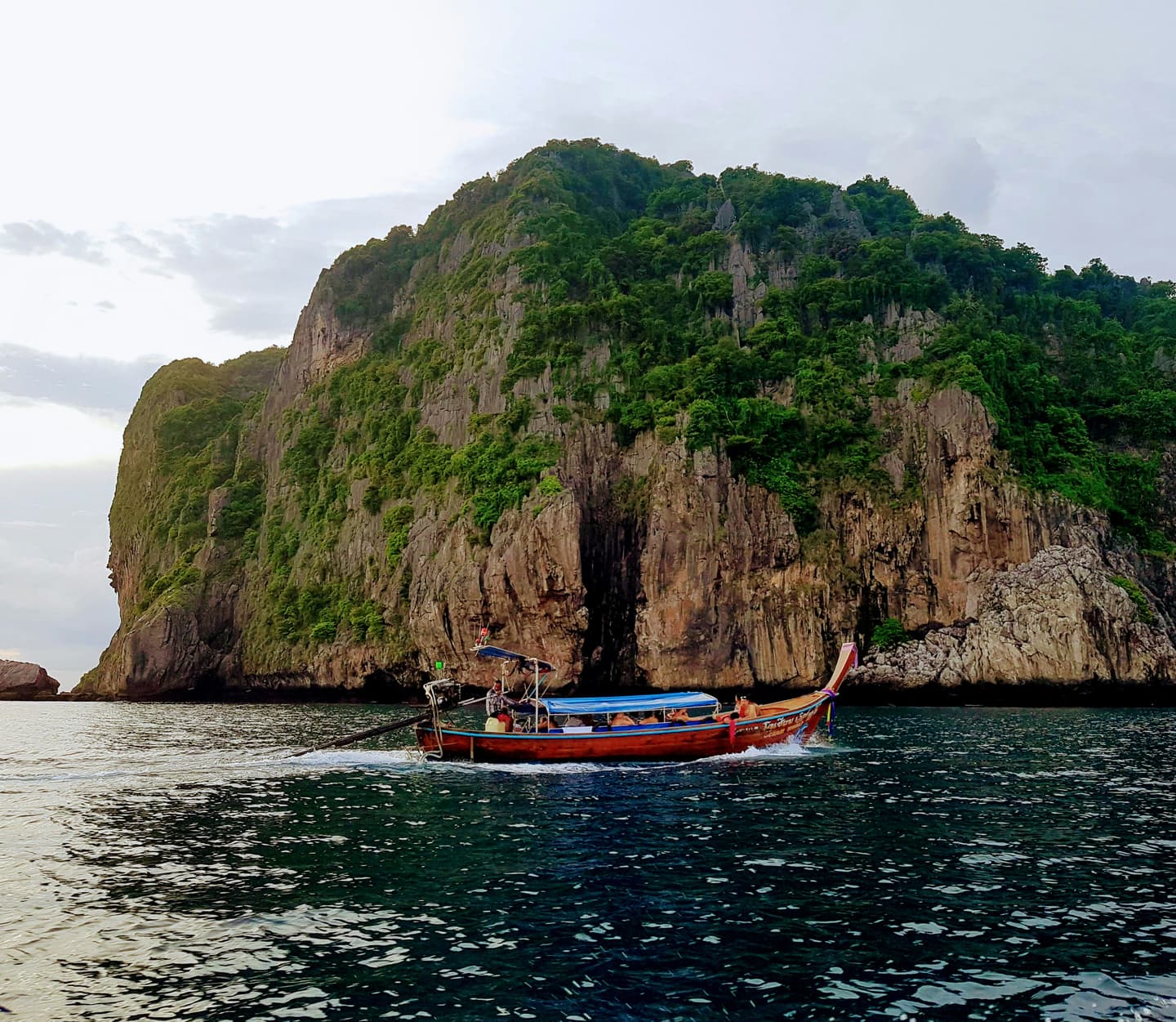
Ao Nang is a vibrant beach town on Thailand's Andaman coast, serving as the main hub of Krabi Province. Famed for its towering limestone karst formations, crystal-clear Andaman waters, and easy access to world-class islands like Railay and Koh Phi Phi, it strikes a winning balance between resort comfort and natural wonder. The town offers a walkable beachfront strip packed with restaurants, bars, and tour operators, while quieter escapes like Nopparat Thara Beach lie just minutes away. It's the ideal launchpad for island hopping, rock climbing, kayaking, and snorkeling across one of Southeast Asia's most breathtaking coastlines.
More cities for these months: Where to go in January · Where to go in February · Where to go in March · Where to go in November · Where to go in December
Not only is the exquisite orchid Thailand’s national flower, but it is also the world’s largest exporter of the floral treasure. Around 45% of Thailand’s orchids are exported out of the country and the rest are sold to locals on the domestic market.
Insider tips · Wanderlust Pro
Practical tips on the sights and neighbourhoods in this Ao Nangguide — when to go, what most visitors miss. Written with AI about the guide's own places; double-check details before you go. Pro members see every tip.
The quick answers travelers want before they commit to flights, neighborhoods, and how long to stay.
The main gateway is Krabi International Airport (KBV), located approximately 26 km from Ao Nang. Three main transfer options connect the airport to town: (1) Shared shuttle bus — the most budget-friendly option at around 150 THB per person; buses run throughout the day, drop passengers at hotels along the Ao Nang coast, and take roughly 45–60 minutes depending on stops. (2) Taxi or private transfer — a fixed-rate journey of about 45 minutes; the official airport taxi monopoly charges 600+ THB for up to four passengers, while pre-booked private transfers offer English-speaking drivers and flight monitoring. (3) Ride-hailing via Grab — increasingly popular for transparent pricing, though availability can be limited during peak arrivals. Travelers from Phuket can reach Ao Nang by minivan (around 3–4 hours, 300–450 THB) or take a scenic ferry via Krabi Town.
Ao Nang's compact main strip is very walkable. For wider exploration, white songthaews (shared pickup trucks) are the local workhorse: the Krabi Town–Ao Nang route costs 50–100 THB, while the airport shuttle runs at 150–200 THB. Taxis and Grab are available for more comfort at 400–500 THB to Krabi Town. The iconic way to reach nearby beaches is by longtail boat — shared boats to Railay Beach depart constantly from both ends of Ao Nang Beach from 08:00–18:00, costing 100 THB per person one-way (150 THB after 18:00); the ride takes 10–15 minutes. A private longtail boat can be chartered for around 800–1,200 THB. Island-hopping day tours to Koh Phi Phi, Hong Island, and the Four Islands depart from Nopparat Thara Pier. Motorbike rentals are also widely available for independent exploration of Krabi Province.
Ao Nang enjoys a tropical monsoon climate with warm temperatures year-round (30–34°C), but timing your visit matters. The dry season from November through March is peak time: skies are clear, rainfall is minimal at 37–136 mm/month, daily sunshine stretches 7–9 hours, and sea conditions are ideal for swimming, snorkeling, and island hopping. February is the driest and sunniest month, with up to 7.2 hours of sunshine per day and humidity dropping to its lowest. December and January are also excellent, with a festive atmosphere and the clearest Andaman waters. The shoulder months of October and April can still be pleasant — October marks the tail end of the monsoon with improving conditions and significantly cheaper rates, while April is sunny but sees the Songkran water festival (April 12–13) transform Ao Nang's main strip into a joyful street party. The wet season runs roughly May through October, with September and October seeing the heaviest rains (200–314 mm/month and only 4–6 hours of sunshine daily); many boat tours are limited and some businesses close. Budget travelers willing to brave occasional downpours can find great deals during this low season.
Arrive at Krabi Airport (KBV) and take the 150 THB shuttle bus or a taxi to Ao Nang. Check in and stroll the beachfront strip to get your bearings.
Head to Ao Nang Beach for a swim and sunset-watch. Walk north to the quieter Nopparat Thara Beach, popular with locals, for a more peaceful experience.
Browse the Ao Nang Landmark Night Market for street food and cold beers. Try southern Thai seafood — grilled fish and pad thai — with dishes from 50–200 THB.
Walk to the longtail boat ticket booth on Ao Nang Beach and buy a 100 THB ticket to Railay West (10–15 min ride). Explore the spectacular Phra Nang Cave Beach and its shrines.
Try introductory rock climbing on Railay's famous limestone cliffs — guided half-day sessions are available for beginners. Or kayak around the karst formations.
Return to Ao Nang by longtail (100 THB) and enjoy sunset cocktails at one of the hilltop bars overlooking the Andaman Sea.
Join a full-day Four Islands or Hong Island boat tour departing from Nopparat Thara Pier. Snorkel around coral reefs and swim in turquoise lagoons.
Continue island-hopping — tours typically include a beach lunch and visits to Ko Poda, Ko Kai, and Ko Tup.
Return to Ao Nang by late afternoon. Wind down with a traditional Thai massage before a final dinner on the main strip.
Real coworking spaces, laptop-friendly cafés, and libraries mapped near the center of the city — the closest, best-rated desks first.
No coworking-ready spots surfaced for this city yet.
Pick a different category or check back once we’ve indexed more desks for this city.
Ask for cafés, quiet neighborhoods, date-night spots, or a first 48-hour plan.
Mention calls, Wi-Fi needs, or how much of the day has to stay laptop-friendly.
Get faster answers on where to stay, when to move neighborhoods, and what to skip.
Written by signed-in Wanderlust members. We don't check that a reviewer has visited.
No reviews of Ao Nang yet.
Tell the planner your dates, who's coming, your budget and pace, and it drafts a day-by-day itinerary you can edit.
Wanderlust Pro
Insider tips for Ao Nang, unlimited AI-built itineraries, and travel companions you can invite to plan a trip together. From $5.00/month, billed annually.
Insider tips · Wanderlust Pro
Practical tips on the sights and neighbourhoods in this Ao Nangguide — when to go, what most visitors miss. Written with AI about the guide's own places; double-check details before you go. Pro members see every tip.