Top sight
Top sight
Thailand's Gulf island gem — white-sand beaches, jungle waterfalls, and luxury resorts all in one tropical paradise.
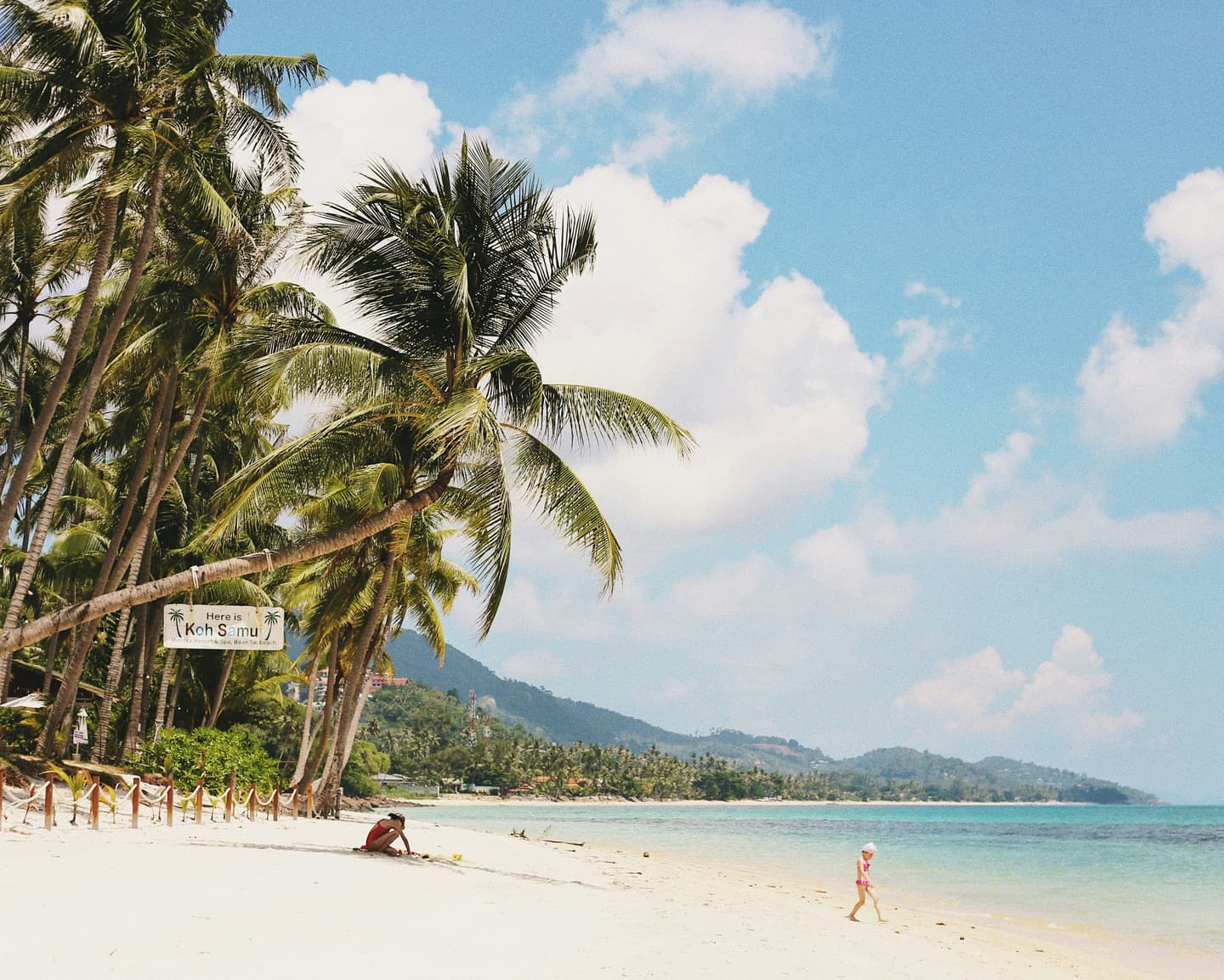
Ko Samui is Thailand's second-largest island, set in the Gulf of Thailand, where powdery beaches, lush jungle-covered hills, and a vibrant coastal culture converge. Once a quiet fishing community, it has transformed into a cosmopolitan resort destination catering to everyone from budget backpackers in bamboo huts to celebrities in private pool villas. The island is famed for its year-round warmth, spirited nightlife on Chaweng Beach, ancient temples, and unbeatable access to nearby island-hopping adventures. It also serves as the White Lotus-famous backdrop that has reinvigorated global interest in Thai island tourism.
More cities for these months: Where to go in January · Where to go in February · Where to go in March · Where to go in April · Where to go in May · Where to go in June
Insider tips · Wanderlust Pro
Practical tips on the sights and neighbourhoods in this Ko Samuiguide — when to go, what most visitors miss. Written with AI about the guide's own places; double-check details before you go. Pro members see every tip.
The quick answers travelers want before they commit to flights, neighborhoods, and how long to stay.
Ko Samui is an island, so arrivals are either by air or sea. The easiest option is flying: Bangkok Airways operates multiple daily flights from Bangkok's Suvarnabhumi Airport (BKK) to Samui Airport (USM), with one-way fares around $100 USD. Bangkok Airways also serves routes from Phuket and Chiang Mai. Budget-conscious travelers can take an overnight bus from Bangkok's Mo Chit Bus Terminal to Surat Thani (under 700 THB / ~$21 USD), then a ferry to Samui (130 THB / ~$4 USD) — a full bus-and-ferry combo from approximately $37 USD. A sleeper train from Bangkok to Surat Thani starts at 600 THB (~$18 USD), followed by the same ferry connection. Ko Samui has three main piers — Pralarn, Bangrak, and Nathon — with ferry and speedboat services operated by companies including Lomprayah, Seatran, and Songserm connecting to Koh Phangan, Koh Tao, and Surat Thani.
Getting around Ko Samui is straightforward with several options to match any budget or comfort level. Songthaews — red shared pickup trucks — are the cheapest and most common public transport, running fixed coastal routes for THB 50–150 per ride and can also be privately hired. Ride-hailing apps Grab and Bolt offer convenient, fixed-fare alternatives to metered taxis (Bolt is generally cheaper). Scooter and car rentals provide the most flexibility for independent exploration; stick to reputable, insured operators. For family travel or group trips, pre-booked private transfers or airport shuttles are recommended. To reach nearby islands like Koh Phangan (20 minutes by speedboat from Bangrak Pier) or Koh Tao, private speedboats and ferries are widely available.
Ko Samui dances to its own seasonal rhythm, distinct from the rest of Thailand. Unlike Phuket and the Andaman coast, which are hit by the southwest monsoon in summer, Samui's rainy season falls in October and November — with November typically the wettest month, averaging 445mm of rainfall. This means the island basks in sunshine from December through August, making it a year-round destination for most travelers. The prime dry season runs December to April, when temperatures hold a comfortable 25–30°C, seas are calm and clear, and beach conditions are at their best. February and March are the sunniest and driest months overall — ideal for diving and snorkeling. May and June offer a sweet spot: warm, sunny weather with fewer crowds and more competitive accommodation rates. July and August draw families escaping Northern Hemisphere summers. For the best value with acceptable conditions, consider May, June, or September. Avoid October and November if beach and water activities are your priority.
Arrive and settle in. Head straight to Chaweng Beach for a swim and breakfast at a beachfront café. The 3km stretch of white sand is the island's most iconic.
Visit the Big Buddha Temple (Wat Phra Yai) with its 15m golden statue, then explore Bangrak Beach and the nearby Wat Plai Laem temple complex with its colorful 18-armed goddess statue.
Return to Chaweng for dinner at the Night Market on the main strip, followed by drinks on Beach Road — the epicenter of Samui's vibrant nightlife.
Head inland to Na Muang Waterfalls — the island's most accessible cascades, set in lush jungle. Stop at Wat Khunaram temple to see the island's famous mummified monk in his glass casket.
Drive south to Lamai Beach, the island's second-largest beach, for snorkeling and a coconut shake at one of the beachfront shacks. Explore the quirky Grandmother and Grandfather Rocks (Hin Ta & Hin Yai) nearby.
Head north to Bo Phut's Fisherman's Village for the Friday Walking Street night market (or a stroll along the atmospheric old village waterfront) and fresh seafood dinner by the water.
Take an early speedboat from Bangrak or Nathon pier to Ang Thong National Marine Park — a stunning archipelago of 42 islands. Snorkel the coral reefs and kayak through emerald sea caves.
Hike to the park's viewpoint for panoramic Gulf of Thailand vistas, then swim at the famous Emerald Lake (Talay Nai) hidden inside one of the islands.
Return to Samui by late afternoon. Wind down with a traditional Thai massage at one of Chaweng or Maenam's many spas, then toast a spectacular island sunset over cocktails at a clifftop bar.
Real coworking spaces, laptop-friendly cafés, and libraries mapped near the center of the city — the closest, best-rated desks first.
No coworking-ready spots surfaced for this city yet.
Pick a different category or check back once we’ve indexed more desks for this city.
Ask for cafés, quiet neighborhoods, date-night spots, or a first 48-hour plan.
Mention calls, Wi-Fi needs, or how much of the day has to stay laptop-friendly.
Get faster answers on where to stay, when to move neighborhoods, and what to skip.
Written by signed-in Wanderlust members. We don't check that a reviewer has visited.
No reviews of Ko Samui yet.
Tell the planner your dates, who's coming, your budget and pace, and it drafts a day-by-day itinerary you can edit.
Wanderlust Pro
Insider tips for Ko Samui, unlimited AI-built itineraries, and travel companions you can invite to plan a trip together. From $5.00/month, billed annually.
Insider tips · Wanderlust Pro
Practical tips on the sights and neighbourhoods in this Ko Samuiguide — when to go, what most visitors miss. Written with AI about the guide's own places; double-check details before you go. Pro members see every tip.