Top sight
Top sight
Thailand's "Maldives of the South" — pristine reefs, car-free beaches, and killer island-hopping at the Malaysian border.
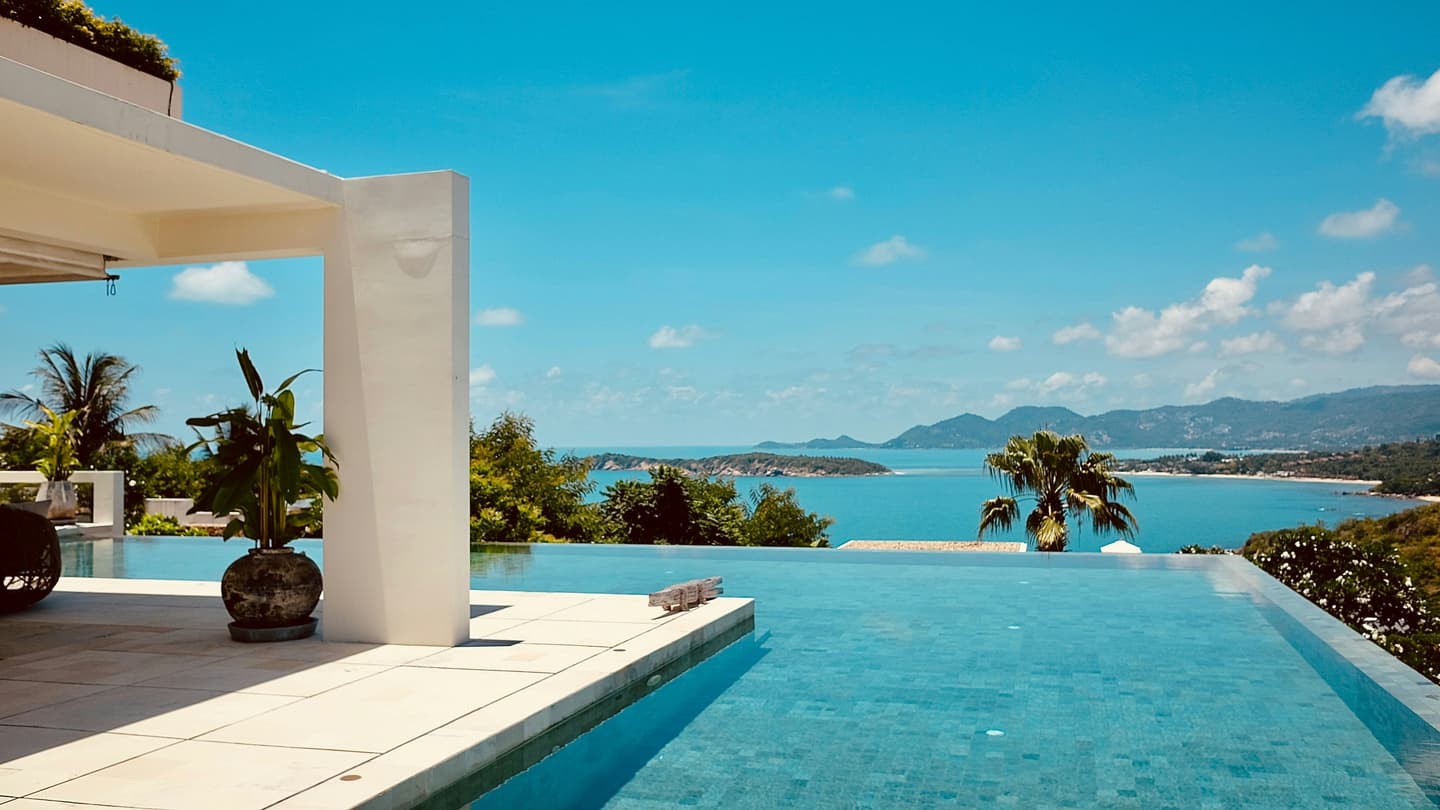
Ko Lipe is a tiny, car-free island tucked in the far southwest of Thailand's Satun Province, just 60 km from the Malaysian border and part of the Tarutao National Marine Park. Nicknamed "the Maldives of Thailand," it boasts some of the country's most spectacular turquoise waters and white-sand beaches, with world-class snorkelling and diving directly from shore. Life revolves around three main beaches — Pattaya, Sunrise, and Sunset — connected by the pedestrian Walking Street, lined with restaurants, dive shops, and reggae bars. Though more developed than a decade ago, Ko Lipe remains far less crowded than Phuket or Koh Phi Phi, preserving its laid-back, barefoot island soul.
More cities for these months: Where to go in January · Where to go in February · Where to go in March · Where to go in November · Where to go in December
Insider tips · Wanderlust Pro
Practical tips on the sights and neighbourhoods in this Ko Lipeguide — when to go, what most visitors miss. Written with AI about the guide's own places; double-check details before you go. Pro members see every tip.
The quick answers travelers want before they commit to flights, neighborhoods, and how long to stay.
Ko Lipe has no airport — everyone arrives by speedboat or ferry. The most common route from Bangkok is a domestic flight to Hat Yai International Airport (HDY, ~1 hr 25 min, from ~1,000 THB one-way), followed by a minivan transfer to Pak Bara Pier (~2 hrs, 117 km) and a speedboat to Ko Lipe (~90 min). Combined van+ferry tickets from Hat Yai Airport depart at 8 AM, 9:30 AM, and 11 AM and cost 750–800 THB all-in; book early-morning flights to make the last ferry. Budget airlines including AirAsia, Nok Air, and Thai Lion Air also sell bundled flight+transfer+ferry tickets through to Ko Lipe. From Langkawi (Malaysia), two daily speedboats make the 90-minute crossing (from ~1,000 THB); immigration is cleared on arrival at Pattaya Beach. From Phuket or Krabi, Satun Pakbara Speedboat Club operates a daily service departing at 8:50 AM and arriving at 13:30 (adult 2,650 THB), stopping at Koh Lanta en route. The Pak Bara–Ko Lipe speedboat alone costs around 550–650 THB one-way. A 220 THB national park fee is payable in cash at the pier. During high season (Nov–Apr), book all legs well in advance as services sell out.
Ko Lipe is tiny and almost entirely walkable — most visitors never need motorised transport. Pattaya Beach, Walking Street, and Sunrise Beach are all connected on foot within 10–15 minutes. Sunset Beach lies a short walk northwest. Bicycles can be rented for 100–200 THB per day from several resorts. Sidecar motorbike taxis zip around the narrow lanes for approximately 50 THB per person per ride. For reaching more remote beaches or nearby islands, longtail boats are hired directly from the beach or through tour operators. Kayaks can be rented by the hour or day from dive shops and resorts — a full loop of the island takes 2–3 hours, and Koh Adang is reachable in under an hour. No private motorbike rental is available on the island.
Ko Lipe has two sharply defined seasons. High season runs November through March, with calm seas, minimal rainfall, temperatures hovering between 25–32°C, and underwater visibility exceeding 20 metres — perfect conditions for diving, snorkelling, and island hopping. December through February is peak of peak: beaches are busiest, prices are highest, and beachfront accommodation books out months in advance. For a sweet spot of good weather with smaller crowds and lower rates, aim for mid-November or March. April and early November are shoulder months: sunny more often than not, but with occasional unpredictable showers and some businesses winding down. The monsoon runs roughly May to October; rough seas frequently cancel ferries, most resorts close, and September–October see the heaviest rainfall — this period is best avoided unless you are deliberately chasing empty beaches and steep discounts. If you must travel during the wet season, May–July offers the best conditions before the worst storms arrive.
Arrive by speedboat at Pattaya Beach and check in. Drop your bags and explore Walking Street end-to-end — browse dive shops, stock up at the mini-marts, and get oriented. Grab a Thai iced coffee and pancakes at the Thai Pancake Lady stall.
Stroll east along the coast to Sunrise Beach, rated among the world's most beautiful. Swim and snorkel the reef at the southern end (Marcilla Beach) where the water is next-level clear. Rent snorkel gear from a beachside shop.
Head back along Walking Street for dinner at Banana Tree, celebrated for generous portions and cheap drinks. Explore the reggae bars and night market stalls as the island comes alive after dark.
Join a half-day scuba diving trip to the Stonehenge Dive Site or outer Adang archipelago reefs. Non-divers can book a snorkel tour visiting multiple sites — look out for whale sharks, reef sharks, and turtles. All operators depart from Pattaya Beach.
Visit Sunset Beach for the afternoon — quieter than Sunrise, with a relaxed atmosphere and stunning westward views. Kayak the coastline or paddleboard from the beach. Stop at Batata Beach or Pantai Galah Beach on the western side for even fewer crowds.
Treat yourself to a traditional Thai massage — there's even an offshoot of the Wat Po Massage School in the centre of the island, with rates cheaper than anywhere in Bangkok. Catch the sunset from Sunset Beach itself.
Hire a longtail boat (or join a group tour) to Koh Adang, reachable in under an hour by kayak or minutes by longtail. Hike to Chado Cliff (45–60 min, steep but rewarding) for panoramic views back over Ko Lipe's turquoise bay, then explore Pirate Falls.
Return to Ko Lipe and make the most of your remaining beach time. Visit the small Hantaly Buddhist Temple hidden in the jungle on the hill between Sunrise and Sunset beaches — a peaceful, off-the-beaten-path stop.
Final dinner on Walking Street with fresh seafood from the daily catch. Pack and prepare for the morning speedboat — remember to arrive at the floating platform early, and have 50 THB cash for the longtail transfer to the ferry.
Real coworking spaces, laptop-friendly cafés, and libraries mapped near the center of the city — the closest, best-rated desks first.
No coworking-ready spots surfaced for this city yet.
Pick a different category or check back once we’ve indexed more desks for this city.
Ask for cafés, quiet neighborhoods, date-night spots, or a first 48-hour plan.
Mention calls, Wi-Fi needs, or how much of the day has to stay laptop-friendly.
Get faster answers on where to stay, when to move neighborhoods, and what to skip.
Written by signed-in Wanderlust members. We don't check that a reviewer has visited.
No reviews of Ko Lipe yet.
Tell the planner your dates, who's coming, your budget and pace, and it drafts a day-by-day itinerary you can edit.
Wanderlust Pro
Insider tips for Ko Lipe, unlimited AI-built itineraries, and travel companions you can invite to plan a trip together. From $5.00/month, billed annually.
Insider tips · Wanderlust Pro
Practical tips on the sights and neighbourhoods in this Ko Lipeguide — when to go, what most visitors miss. Written with AI about the guide's own places; double-check details before you go. Pro members see every tip.