City postcardNakhon Ratchasima
Korat: the unapologetically local gateway to Isaan and ancient Khmer heritage.

Nakhon Ratchasima — widely known as Korat — is the largest city in Thailand's northeastern Isaan region and the natural jumping-off point for the country's northeast. It blends ancient Khmer temple ruins, vibrant street-food culture, and modern Thai city life, all without the tourist-trail veneer found elsewhere. Sitting on the edge of Khao Yai National Park and within reach of the Phimai Historical Park, Korat rewards curious travelers who value authenticity, space, and affordability over polished resort experiences.
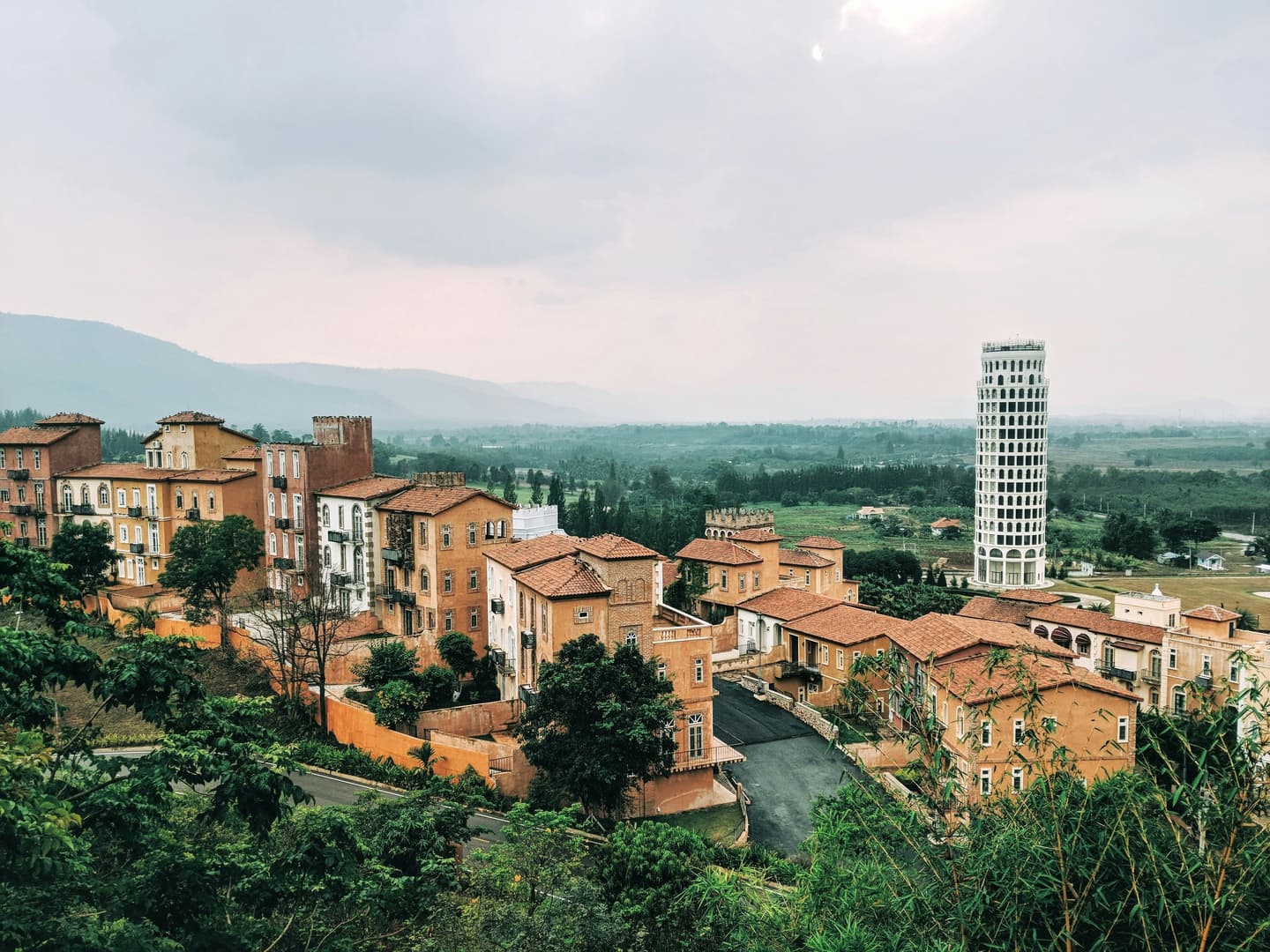
City postcardKorat: the unapologetically local gateway to Isaan and ancient Khmer heritage.
Top sightA signature stop locals and returning travelers point to in Nakhon Ratchasima.

A signature stop locals and returning travelers point to in Nakhon Ratchasima.
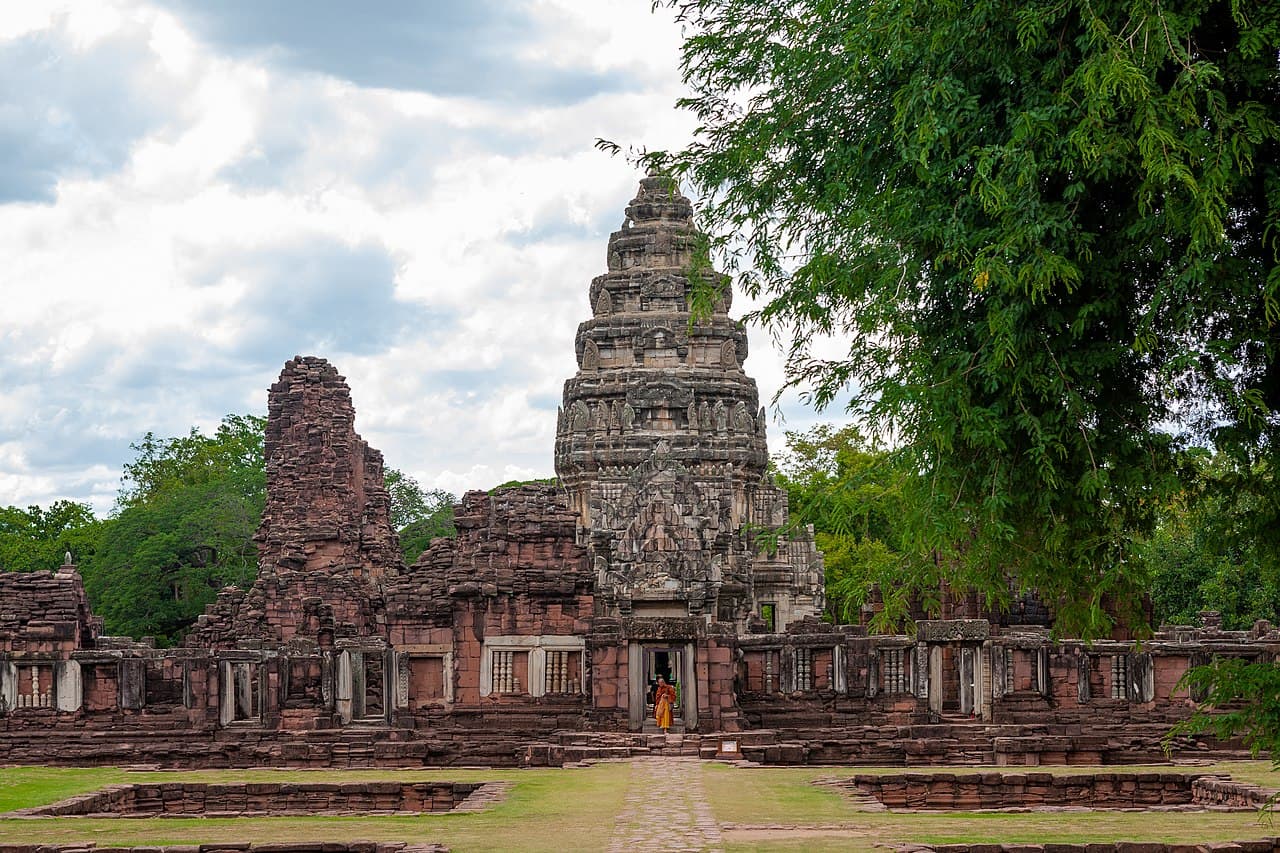
Photo: This Photo was taken by Supanut Arunoprayote . Feel free to use any of my images, but please mention me as the author and may send me a message. (สามารถใช้ภาพได้อิสระ แต่กรุณาใส่เครดิตผู้ถ่ายและอาจส่ง ข้อความบอกกล่าวด้วย ) Please do not upload an updated image here without consultation with the Author. The author would like to make corrections only at his own source. This ensures that the changes are preserved. Please if you think that any changes should be required, please inform the author. Otherwise you can upload a new image with a new name. Please use one of the templates derivative or extract . · CC BY 4.0
A signature stop locals and returning travelers point to in Nakhon Ratchasima.
A pocket of Nakhon Ratchasima with its own temperament — worth a deliberate detour when you're in the area.
The quick answers travelers want before they commit to flights, neighborhoods, and how long to stay.
Korat has no scheduled commercial flights — Nakhon Ratchasima Airport (NAK) handles only private and club aviation. The practical gateway is Bangkok. By bus: from Mo Chit Northern/Northeastern Bus Terminal (Bangkok), buses depart for Korat several times an hour, 24 hours a day; the journey takes roughly 4–5 hours. A 2nd-class air-conditioned bus costs around ฿191. There are two bus stations in Korat — the larger Terminal 2 (north of centre on Mittraphap Rd) and the old Terminal 1 on Burin Rd. By train: several daily State Railway of Thailand services run from Krung Thep Aphiwat Central Terminal to Nakhon Ratchasima (~265 km); the journey takes about 3–4 hours. Tickets range from ฿50 (3rd class, no A/C) to around ฿350 (2nd class A/C). Korat has two stations — the main Nakhon Ratchasima Railway Station (~2 km west of downtown) and Thanon Chira Junction (south of the old town); all trains stop at both. By car or taxi: the drive from Bangkok takes approximately 3.5 hours via Highway 2 (Mittraphap Rd).
Songthaews (converted pick-up trucks with two bench rows) are the most popular form of public transport, operating roughly 20 fixed routes across the city for around ฿10 per ride — though destinations are listed in Thai, making navigation challenging for newcomers. City buses (some air-conditioned) also run along major roads, with fares as low as ฿5. Tuk-tuks are plentiful and more visitor-friendly than in Bangkok or Phuket; short city-centre trips cost around ฿40–70 and should be agreed in advance. Motorbike taxis offer a similar price range (฿50–60 for shorter rides). Metered taxis exist but drivers rarely use the meter — always negotiate a fare before boarding; a trip from the bus or train station to the Ya Mo monument in the centre runs about ฿100. Grab is available for transparent, app-booked rides. For day trips to Phimai, buses from Terminal 2 depart every 30 minutes in the morning and early afternoon.
The cool season from November to February is the sweet spot for visiting Korat. Temperatures drop to comfortable levels, skies clear, and the region's festivals add colour to the calendar. December and January are peak months — expect slightly higher accommodation prices around New Year, though deals remain available with advance booking. The shoulder period of November and early February still offers excellent weather at better value. Avoid March to May, when the hot season pushes temperatures into the high 30s°C. June to October brings the rainy season; while downpours are usually short and sharp, roads to national parks and waterfalls can become difficult. That said, the surrounding countryside turns lush and green, and Khao Yai's wildlife is particularly active during this period.
Start at the Thao Suranaree (Ya Mo) Monument, the beloved city-centre shrine honouring Korat's heroic defender. Explore the surrounding old moat area and nearby Wat Sala Loi, a striking lotus-shaped temple set on a lake.
Visit the Maha Weerawong National Museum for Khmer artefacts and local history, then browse the stalls of The Mall Korat or Terminal 21 for air-conditioned respite and local shopping.
Head to Saveone Night Market for an immersive introduction to Isaan street food — grilled meats, papaya salad, and sticky rice — alongside live music and a local crowd.
Take an early bus from Terminal 2 (departures every 30 minutes) to Phimai, roughly 60 km northeast. Spend the morning exploring Phimai Historical Park, one of Thailand's most significant Khmer temple complexes, predating and rivalling Angkor Wat in design.
Walk to Sai Ngam, one of the largest banyan trees in Thailand — an eerie, forest-like tangle of roots and spirit houses on the edge of town. Pick up lunch at the local market before the bus back to Korat.
Relax with dinner at a riverside restaurant or a local Isaan barbecue (moo krata) spot in the city centre.
Join an organised tour or take a bus to Pak Chong (the gateway town for Khao Yai), then enter Khao Yai National Park — a UNESCO World Heritage Site famed for elephants, hornbills, and jungle waterfalls including the spectacular Haew Narok.
Hike one of the park's nature trails, watch for wildlife at salt licks, or take a guided walk to Haew Suwat Waterfall. The cooler months offer the best visibility and most comfortable trekking conditions.
Return to Korat for a final evening meal, or stay overnight in Pak Chong to explore Wang Nam Khiao's vineyards and scenic highlands the following day.
Real coworking spaces, laptop-friendly cafés, and libraries mapped near the center of the city — the closest, best-rated desks first.
No coworking-ready spots surfaced for this city yet.
Pick a different category or check back once we’ve indexed more desks for this city.
Ask for cafés, quiet neighborhoods, date-night spots, or a first 48-hour plan.
Mention calls, Wi-Fi needs, or how much of the day has to stay laptop-friendly.
Get faster answers on where to stay, when to move neighborhoods, and what to skip.
There aren’t any, yet!
Block off the weeks you're free. Wanderlust turns this dossier — flights, lodging, neighborhoods, timing — into a single draft itinerary in about ninety seconds.
Wanderlust Pro
Go deeper than the highlights — premium Nakhon Ratchasima intel with hidden gems, top stays, and offline access on the ground. From $5.00/month, billed annually.