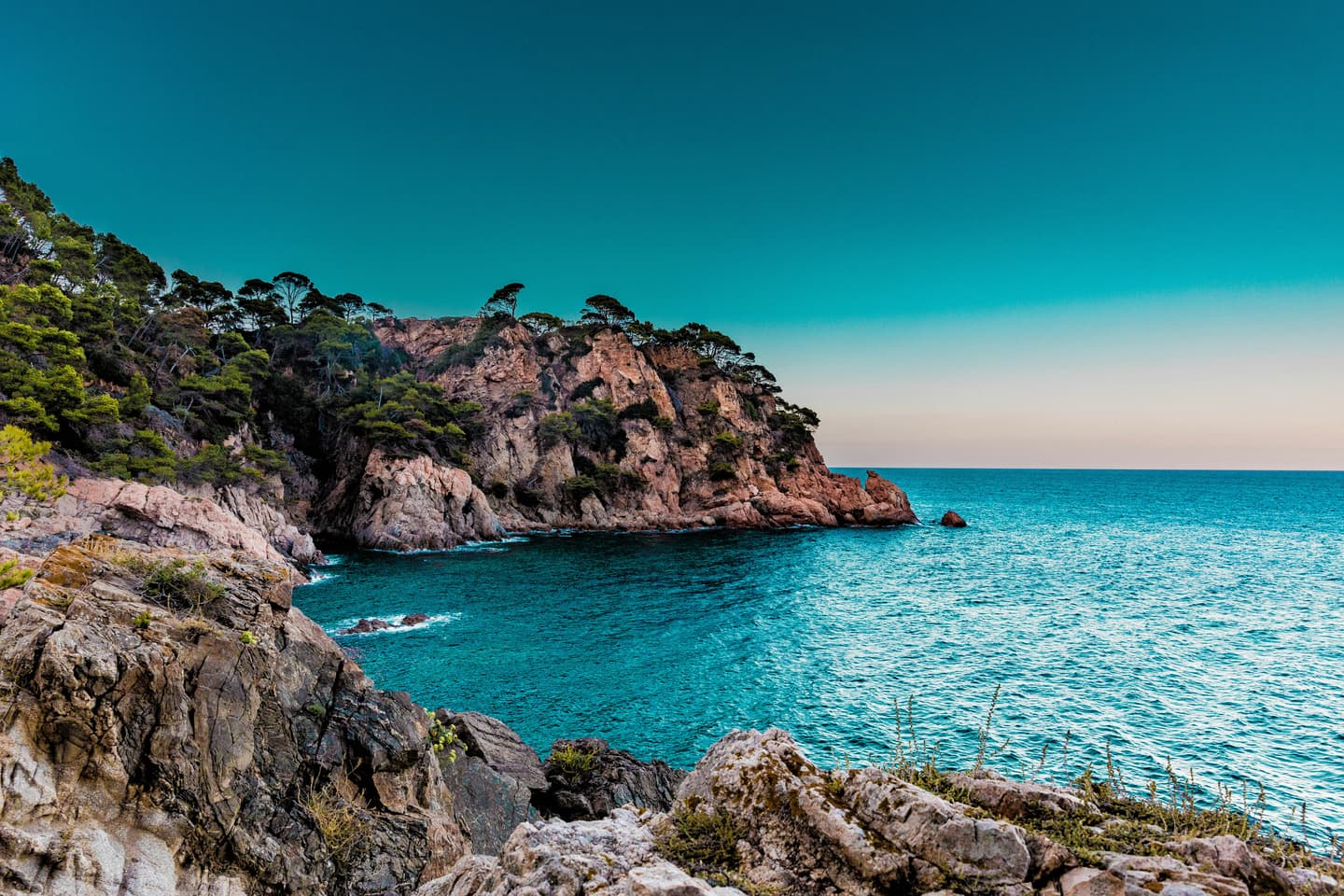
 City postcard
Marbella
Sun-drenched glamour meets Andalusian soul on Spain's most iconic stretch of the Costa del Sol.
Sun-drenched glamour meets Andalusian soul on Spain's most iconic stretch of the Costa del Sol.
Marbella sits on Spain's southern Costa del Sol, framed by the Sierra Blanca mountains and the shimmering Mediterranean Sea, enjoying over 320 days of sunshine a year. The city balances old-world Andalusian charm — whitewashed alleys, flower-draped balconies, and orange-tree plazas — with world-class luxury in the form of designer marinas, Michelin-starred restaurants, and high-end beach clubs. It's a destination that genuinely works at every budget level, from chiringuito tapas to celebrity-filled resort pools. A thriving international community and Spain's Digital Nomad Visa make it an increasingly popular long-stay choice for remote workers and expats alike.
City postcardSun-drenched glamour meets Andalusian soul on Spain's most iconic stretch of the Costa del Sol.
A signature stop locals and returning travelers point to in Marbella.
A signature stop locals and returning travelers point to in Marbella.
A signature stop locals and returning travelers point to in Marbella.
A signature stop locals and returning travelers point to in Marbella.
A signature stop locals and returning travelers point to in Marbella.
A signature stop locals and returning travelers point to in Marbella.
A signature stop locals and returning travelers point to in Marbella.
A signature stop locals and returning travelers point to in Marbella.
A visual anchor inside Marbella worth building into the route.
A pocket of Marbella with its own temperament — worth a deliberate detour when you're in the area.
A pocket of Marbella with its own temperament — worth a deliberate detour when you're in the area.
A pocket of Marbella with its own temperament — worth a deliberate detour when you're in the area.
A pocket of Marbella with its own temperament — worth a deliberate detour when you're in the area.
The quick answers travelers want before they commit to flights, neighborhoods, and how long to stay.
The gateway to Marbella is Málaga–Costa del Sol Airport (AGP), located approximately 50–60 km northeast, with a road transfer of around 40–50 minutes by taxi or private transfer. The airport is Spain's fourth-busiest and connects to 130+ destinations across Europe and beyond, with carriers including Ryanair, EasyJet, Iberia, British Airways, and Vueling. By bus: Avanza operates a direct service from the airport to Marbella Bus Station roughly every 30 minutes; the journey takes 40–45 minutes. A taxi from AGP to central Marbella costs approximately €70–€80; reaching Puerto Banús costs €120–€140. Uber and Bolt are also available from the airport, often slightly cheaper than a metered taxi. Car rental desks are located within the terminals; driving via the N-340/A-7 highway takes around 40 minutes. If arriving by high-speed Renfe AVE train, alight at Málaga María Zambrano station (~40 miles away) and connect to Marbella by Avanza bus (approx. 1 hour, €8–€10) or taxi. Note: Marbella has no commercial airport or train station of its own.
Marbella's compact Old Town and beachfront promenade are best explored on foot — streets are narrow and car-free in many sections. Local buses (Servicio Urbano de Transporte) connect the city centre with Puerto Banús, Nueva Andalucía, San Pedro, and surrounding areas; fares average €1.50–€2 per ride. The Fly Blue catamaran offers a scenic alternative between Marbella's Puerto Deportivo and Puerto Banús (approx. 30 minutes; €8.50 one-way, €15 return in high season). Taxis are plentiful at ranks throughout the city — rates rise after 22:00 on weekdays and all day Saturday. Uber and Bolt operate in the area. Cycling is practical along the flat coastal bike path running from Cabopino through Elviria to Puerto Banús; rental shops are scattered across the centre. A rental car is recommended for day trips to Ronda, Mijas, or other Costa del Sol towns; parking in central Marbella and Puerto Banús can be challenging and expensive during peak months.
Marbella is a genuine year-round destination, protected from northern cold by the Sierra Blanca mountains and blessed with more than 320 sunny days a year. The sweet spots are late spring (April–June) and early autumn (September–October). Spring brings blooming gardens, mild temperatures perfect for sightseeing, uncrowded beaches, and lower hotel rates — ideal for exploring the Old Town, cycling the promenade, and day-tripping to white villages like Ronda and Mijas. September and October are widely considered the finest months overall: the summer crowds thin, sea temperatures remain warm enough for swimming, restaurant queues shrink, and prices ease. Summer (July–August) delivers peak energy — the beach clubs, Starlite festival, and nightlife are at full throttle — but also peak heat (above 30°C), maximum crowds, and highest prices. Winter is surprisingly mild, with daytime temperatures of 15–20°C, making it perfect for golf, spa breaks, and leisurely Old Town strolls without any queues at all.
Wander the cobblestone alleys of Casco Antiguo, pausing at the 16th-century Town Hall on Plaza de los Naranjos. Browse the Mercado Central for fresh Andalusian produce, local cheese, and seafood.
Stroll the Paseo Marítimo, Marbella's scenic coastal boardwalk. Stop for espetos (grilled sardine skewers) and a cold beer at a traditional chiringuito on Playa de la Fontanilla.
Return to the Old Town for tapas and wine at one of the narrow-street bars — Bar El Estrecho or Taberna La Niña del Pisto are local favourites — then enjoy a nightcap at the café-lined promenade.
Head west to Puerto Banús marina. Admire the superyachts, browse flagship boutiques (Dior, Gucci, Versace), and enjoy a coffee overlooking the water.
Settle into one of the marina's beach clubs or take the Fly Blue catamaran back to Marbella's harbour (30 min, €8.50 one-way) for swimming and sunbathing at Playa Nagüeles.
Dine at one of the upscale restaurant terraces around the marina. Night owls can explore Puerto Banús's clubs, which don't hit full swing until after midnight.
Hike or drive up to La Concha mountain for panoramic views over the coast. Alternatively, visit the Museo del Grabado Español Contemporáneo in the Old Town, home to works by Picasso, Miró, and Dalí.
Day trip to the whitewashed hilltop village of Mijas Pueblo (20 min by car) or dramatic clifftop Ronda (45–60 min) for architecture, gorge views, and local wine.
Return to Marbella for a sunset drink at Alameda Park, then a final leisurely dinner featuring Andalusian specialities like salmorejo or fresh pescaíto frito.
Real coworking spaces, laptop-friendly cafés, and libraries mapped near the center of the city — the closest, best-rated desks first.
No coworking-ready spots surfaced for this city yet.
Pick a different category or check back once we’ve indexed more desks for this city.
Ask for cafés, quiet neighborhoods, date-night spots, or a first 48-hour plan.
Mention calls, Wi-Fi needs, or how much of the day has to stay laptop-friendly.
Get faster answers on where to stay, when to move neighborhoods, and what to skip.
There aren’t any, yet!
Block off the weeks you're free. Wanderlust turns this dossier — flights, lodging, neighborhoods, timing — into a single draft itinerary in about ninety seconds.
Wanderlust Pro
Go deeper than the highlights — premium Marbella intel with hidden gems, top stays, and offline access on the ground. From $5.00/month, billed annually.