
City guide · Updated June 2026
EuropeSpain39.5° · -0.4°
Valencia,Spain.
Spain's sun-soaked third city — birthplace of paella, home of futuristic architecture, and one of Europe's best-value Mediterranean escapes.
Valencia · ES
ValenciaSpain
★
Valencia Airport (VLC)NEAREST AIRPORT
Population
812,674.1
Total residents
Global rank
#22
Wanderlust index
Best time
Spring (April–June) and early…
Peak window
Time zone
Europe/Madrid
Local time
Currency
EUR
Money in use
Language
Spanish (Castilian), Valencian
Spoken locally
01 · Overview
About Valencia
Spain's sun-soaked third city — birthplace of paella, home of futuristic architecture, and one of Europe's best-value Mediterranean escapes.
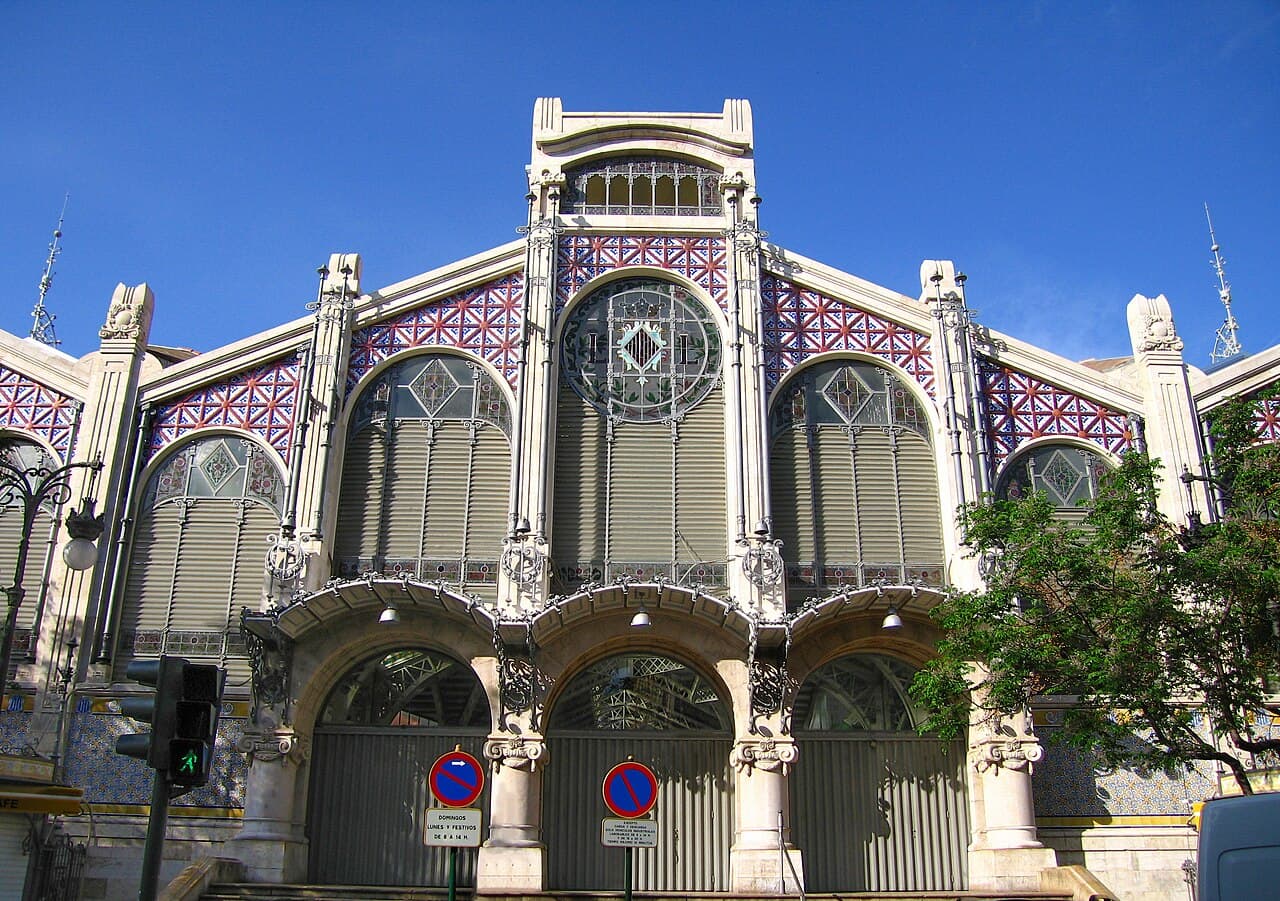
Valencia is Spain's third-largest city, sitting on the Mediterranean coast with over 300 days of sunshine a year. It balances a UNESCO-listed Gothic old town and a world-famous fresh food market with the jaw-dropping, Calatrava-designed City of Arts and Sciences. The birthplace of paella, it punches well above its weight on food, beaches, and festivals — yet remains considerably more affordable than Madrid or Barcelona. A thriving digital-nomad scene, flat cycling-friendly streets, and fast public transit make it just as liveable as it is visitable.
02 · Wanderlust scorecard
How Valencia scores
Ratings run 0 to 5 unless marked. They come from our AI-assisted research and are refreshed on a rolling basis.
3.5
/ 5
Cost of living
Affordability, 0–5. Higher means cheaper.
4.5
/ 5
Leisure
Leisure rating, 0–5.
21
Mbps
Connectivity
Median internet speed.
4.5
/ 5
Safety
Safety rating, 0–5. Higher is safer.
4
/ 5
Overall livability
Overall rating, 0–5.
4
/ 5
Air quality
Air-quality rating, 0–5. Higher is cleaner.
8.5
index
Index score
Wanderlust ranking, 0–10: overall, safety, internet, cost, leisure and air quality, weighted.
03 · Weather & when to go
Best time to visit Valencia
Current weather and the forecast, and the months our research rates best for a visit.
Month by month
Best months Either side Other months
Jan
Feb
Mar
Apr
May
Jun
Jul
Aug
Sep
Oct
Nov
Dec
Sweet spot: Spring (April–June) and early autumn (September–October) offer the best balance of warm weather, swimmable beaches, and manageable crowds. March is unmissable for Las Fallas..
More cities for these months: Where to go in March · Where to go in April · Where to go in May · Where to go in June · Where to go in September · Where to go in October
04 · Things to do
Things to do in Valencia
Top sights from our AI-assisted research, and other places we have photos of.
Top sight
Top sight
Valencia Cathedral & Miguelete Tower
Top sight
Top sight
La Lonja de la Seda (Silk Exchange)
Top sight
Top sight
Turia Gardens (Jardí del Túria)
Top sight
Top sight
Oceanogràfic València
Top sight
Top sight
Playa de Malvarrosa
Top sight
Top sight
Albufera Natural Park
05 · Monthly cost of living
Cost of living in Valencia
Estimated monthly totals in USD from our AI-assisted research, one per profile. Treat them as a starting point for a budget, not a quote.
$2,400
estimated monthly spend · USDProfileExpat
Price references — vs. profile benchmarks
Nomadmonthly spend · USD
$1,800
-25%
Expatmonthly spend · USD
$2,400
baseline
Familymonthly spend · USD
$6,655.2
+177%
Localmonthly spend · USD
$1,788.5
-25%
Median fiber speeddownload · Mbps
21
Mbps
06 · Neighborhoods
Where to stay in Valencia
Neighborhoods our AI-assisted research lists as popular with visitors.
El Carmen (Ciutat Vella)
Ruzafa
El Cabanyal
Benimaclet
07 · Insider tips
Sights and neighbourhoods, with a tip each.
Practical tips on places from this Valencia guide, written with AI. One is free; Pro members see the rest. Double-check details before you go.
Insider tips · Wanderlust Pro
Practical tips on the sights and neighbourhoods in this Valenciaguide — when to go, what most visitors miss. Written with AI about the guide's own places; double-check details before you go. Pro members see every tip.
08 · Practical notes
Practical information for Valencia
The essentials from this guide's data, in one place.
01
Getting there
- Nearest airport — Valencia Airport (VLC)
02
Money
- Currency — EUR
- Affordability — 3.5/5 on the Wanderlust index (higher is cheaper)
03
Internet
- Median speed — 21 Mbps
- Internet score — 5/5
04
Safety
- Safety score — 4.5/5 from our AI-assisted research
05
Language
- Primary language — Spanish (Castilian), Valencian
06
Timing
- Best window — Spring (April–June) and early autumn (September–October) offer the best balance of warm weather, swimmable beaches, and manageable crowds. March is unmissable for Las Fallas.
- Time zone — Europe/Madrid
Questions
Frequently asked, plainly answered.
The quick answers travelers want before they commit to flights, neighborhoods, and how long to stay.
Is Valencia safe for travelers?+
Valencia has a safety rating of 4.5 out of 5.
What is the best time to visit Valencia?+
The best time to visit Valencia is Spring (April–June) and early autumn (September–October) offer the best balance of warm weather, swimmable beaches, and manageable crowds. March is unmissable for Las Fallas..
How expensive is Valencia?+
Valencia has an affordability score of 3.5 out of 5, where 5 is most affordable.
What is the internet speed in Valencia?+
Valencia has an average internet speed of 21 Mbps.
What currency does Valencia use?+
The currency used in Valencia is EUR.
What language is spoken in Valencia?+
The primary language spoken in Valencia is Spanish (Castilian), Valencian.
Researched city guide
Getting there, getting around and when to go
Written with AI-assisted web research. Where we have sources, they are listed under each part.
What works
- Significantly more affordable than Madrid or Barcelona, with nomad budgets from ~€1,400–1,800/month
- Outstanding food scene — birthplace of paella, world-class Mercado Central, cheap menú del día lunches
- 150+ km of bike lanes and flat terrain make cycling the easiest way to get around
- Over 300 days of sunshine and Mediterranean beaches minutes from the city centre
- Strong digital-nomad infrastructure: coworking spaces, fast internet, and an active expat community
- World-class architecture and culture, from Gothic old town to Calatrava's City of Arts and Sciences
What to weigh
- Rents have risen sharply — up 8–12% between 2024 and 2026 — tightening the affordability advantage
- Metro stops operating around 11:30 pm on weekdays; late-night options are limited to night buses
- Summers (July–August) are hot, crowded, and pricier; accommodation books up fast
- Las Fallas (March) brings intense noise (daily mascletàs) and soaring hotel prices — not ideal for light sleepers or budget travellers
- Bureaucracy for visas and residency can be complex and slow; a gestor (local admin agent) is strongly recommended
Getting in
How to arrive
Valencia is served by Valencia Airport (VLC), located in Manises approximately 8 km west of the city centre. Metro Lines 3 (Red) and 5 (Green) connect the airport directly to central stops like Xàtiva, Colón, and Àngel Guimerà; the journey takes around 25 minutes. A standard metro ticket from the airport to central Valencia (Zone AB) costs approximately €3.90, while a taxi averages €25–30. The Valencia Tourist Card includes unlimited metro travel including airport transfers and is available at the airport or online. For inter-city arrivals, Valencia's Joaquín Sorolla high-speed rail station connects to Madrid (journey ~1h 40m) and Barcelona (~3h), while long-distance buses serve the main bus station (Estació d'Autobusos).
Getting around
Moving through the city
Valencia is one of Spain's most walkable and cycle-friendly cities, with over 150 km of bike lanes threading through flat neighbourhoods and the iconic Turia Gardens greenway. The metro network spans 6 rapid-transit lines and 4 tram lines covering 161 km; trains run every 5–10 minutes at peak times. Single Zone A metro/tram tickets cost €1.50; buses cost €2 per trip. A 10-trip SUMA card for Zone A costs €8.00 and works across metro, tram, and bus. The Valencia Tourist Card (24h/48h/72h) covers unlimited transit plus museum discounts. Taxis from the airport average €25–30. The Móbilis app is recommended for contactless payment on validators. Note: the metro runs until approximately 11:30 pm on weekdays, with night buses covering late-night routes.
When to go
Timing your trip
Spring and early autumn are the sweet spots for visiting Valencia. April through June brings mild temperatures of 16–25 °C, blooming orange trees, and comfortable beach days before the summer surge. September and October offer the same warmth but with thinning crowds — you can still swim well into October, and the city's culinary festivals and tapas trails take centre stage. March is a category of its own: Las Fallas, a 19-day festival of giant sculptural monuments, fireworks (mascletàs), and street parties, culminates in a spectacular burning on March 19, drawing visitors from around the world — book accommodation months ahead. Summer (July–August) is lively and beach-centric, but temperatures peak and the city gets busy. Winter is mild and crowd-free, with festive markets and events like Three Kings' Day parades in January making it a pleasant low-season option.
Plan your trip
3 days in Valencia: a sample itinerary
A ready-made starting point. Make it your own — clone it into an editable journey and reshape every stop.
Day 01
Day 1: Old Town, Cathedral & Central Market
Morning
Begin in the historic Ciutat Vella. Explore the labyrinthine streets of El Carmen, then visit the Valencia Cathedral — climb the 207 steps of the Miguelete Tower (€9) for panoramic rooftop views over the old town.
Afternoon
Head to the Mercado Central, one of Europe's largest and most beautiful fresh-food markets. Browse the stalls, pick up local oranges and jamón, then walk five minutes to the UNESCO-listed La Lonja de la Seda (Silk Exchange) for a masterclass in Gothic architecture.
Evening
Settle into Ruzafa neighbourhood for dinner. The area is Valencia's creative hub, packed with wine bars, neo-bistros, and terrace cafés. Order a traditional paella or arròs negre at a local restaurant and cap the night with a craft beer at one of the neighbourhood's many bars.
Day 02
Day 2: City of Arts and Sciences & Turia Gardens
Morning
Rent a bike (or walk) along the 9-km Turia Gardens, the city's green ribbon running through a former riverbed. Stop at the Gulliver Park if travelling with family, and take in the lush landscaping en route to the City of Arts and Sciences complex.
Afternoon
Spend the afternoon at the City of Arts and Sciences. Explore the interactive exhibits at the Museu de les Ciències, walk the underwater tunnel at the Oceanogràfic (Europe's largest aquarium), and admire Santiago Calatrava's futuristic architecture from the outside.
Evening
Take tram Line 4 or 6 from Alameda to the El Cabanyal beach neighbourhood. Stroll the colourful tiled streets of this fishing-village-turned-art-district, then dine at a seafood restaurant on the beachfront promenade with views of the Mediterranean.
Day 03
Day 3: Beaches, Albufera & Sunset
Morning
Head to Playa de Malvarrosa for a morning swim and breakfast at a chiringuito (beachside bar). The beach is wide, well-maintained, and easily reached by tram. Afterwards, explore the adjoining Paseo Marítimo promenade.
Afternoon
Take a short bus or taxi south to Albufera Natural Park, a freshwater lagoon just 10 km from the city. Join a traditional wooden boat ride across the lagoon and stop in El Palmar village — the spiritual home of Valencian paella — for a long leisurely lunch at one of its celebrated rice restaurants.
Evening
Return to the city for the golden hour. Grab a rooftop drink in Ruzafa or catch the sunset from the Serranos Towers overlooking the Turia riverbed. End the trip with a final stroll through the Plaza del Ayuntamiento, Valencia's grand central square.
Work-ready layer
Coworking spots and laptop-friendly anchors.
Real coworking spaces, laptop-friendly cafés, and libraries mapped near the center of the city — the closest, best-rated desks first.
Spots surfaced0
Categories—
Mapped0
No coworking-ready spots surfaced for this city yet.
Map pending
No mapped workspace points yet.
Pick a different category or check back once we’ve indexed more desks for this city.
Concierge
Ask the Valencia concierge.
Share your travel style, must-see spots, or work schedule and the concierge will help turn this guide into something personal.
Personal trip brief
Tell it what kind of trip you're trying to have, and it will tighten the plan.
01
Travel style
Ask for cafés, quiet neighborhoods, date-night spots, or a first 48-hour plan.
02
Work constraints
Mention calls, Wi-Fi needs, or how much of the day has to stay laptop-friendly.
03
Real tradeoffs
Get faster answers on where to stay, when to move neighborhoods, and what to skip.
Traveler reviews
Reviews of Valencia
Written by signed-in Wanderlust members. We don't check that a reviewer has visited.
No reviews of Valencia yet.
Plan a trip to Valencia.
Tell the planner your dates, who's coming, your budget and pace, and it drafts a day-by-day itinerary you can edit.
Wanderlust Pro
Insider tips for Valencia, unlimited AI-built itineraries, and travel companions you can invite to plan a trip together. From $5.00/month, billed annually.