Top sight
Top sight
Picasso's sun-soaked birthplace — where Moorish history, world-class museums, and Mediterranean beach life converge on the Costa del Sol.
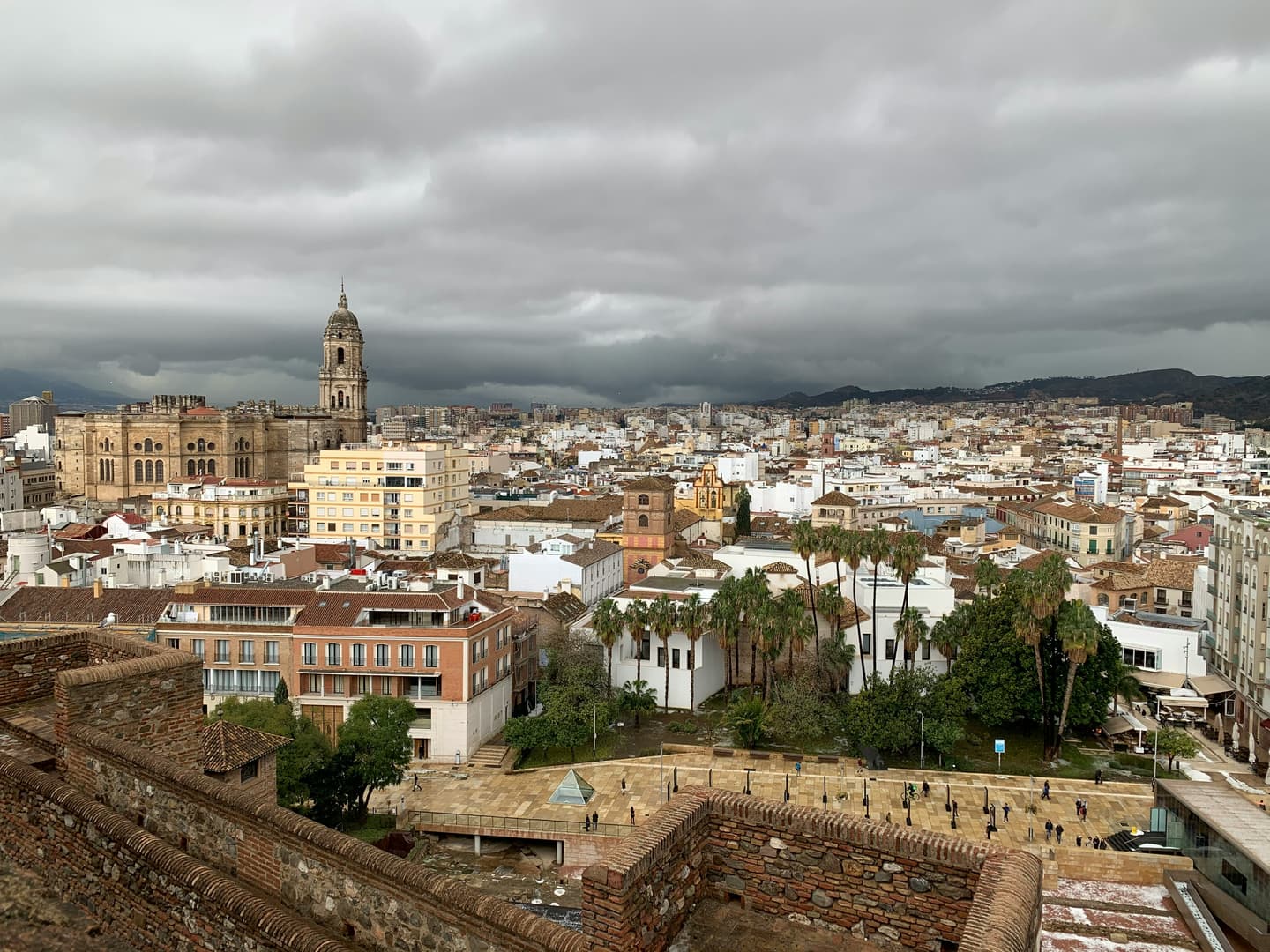
Málaga is Andalucía's most dynamic coastal city: a place where a Moorish alcazaba overlooks Roman ruins, and cutting-edge street art lines the same alleys that gave birth to Pablo Picasso. With more museums per capita than anywhere in Spain outside Madrid, a booming tech scene attracting Google and Vodafone, and roughly 300 days of sunshine a year, it delivers both culture and lifestyle in equal measure. The historic centre is compact and walkable, yet a short train or bus ride reaches golden beaches, whitewashed hill towns, and the dramatic gorge at Ronda.
More cities for these months: Where to go in April · Where to go in May · Where to go in September · Where to go in October
Insider tips · Wanderlust Pro
Practical tips on the sights and neighbourhoods in this Malagaguide — when to go, what most visitors miss. Written with AI about the guide's own places; double-check details before you go. Pro members see every tip.
The quick answers travelers want before they commit to flights, neighborhoods, and how long to stay.
Málaga-Costa del Sol Airport (AGP) is one of Spain's busiest international hubs, located about 8 km from the city centre. The fastest and cheapest option into town is the Renfe Cercanías C1 commuter train: it departs from directly opposite the Terminal 3 arrivals hall and reaches Málaga Centro-Alameda station in roughly 12 minutes for around €1.80–€2.30. Trains run every 20–30 minutes from early morning until late evening; contactless card/phone payment works at the barriers on the C1 line. The EMT Airport Express bus (Line A) takes 20–30 minutes and costs €4, running approximately every 15–20 minutes until midnight. A taxi or ride-share (Uber, Bolt, Cabify) from the airport to the city centre costs €20–€25 and takes under 20 minutes. From elsewhere in Spain, Málaga María Zambrano station is served by Renfe AVE high-speed trains — Madrid is under 3 hours. Long-distance buses via ALSA connect Córdoba, Granada, Seville, and Nerja; book seats in advance online.
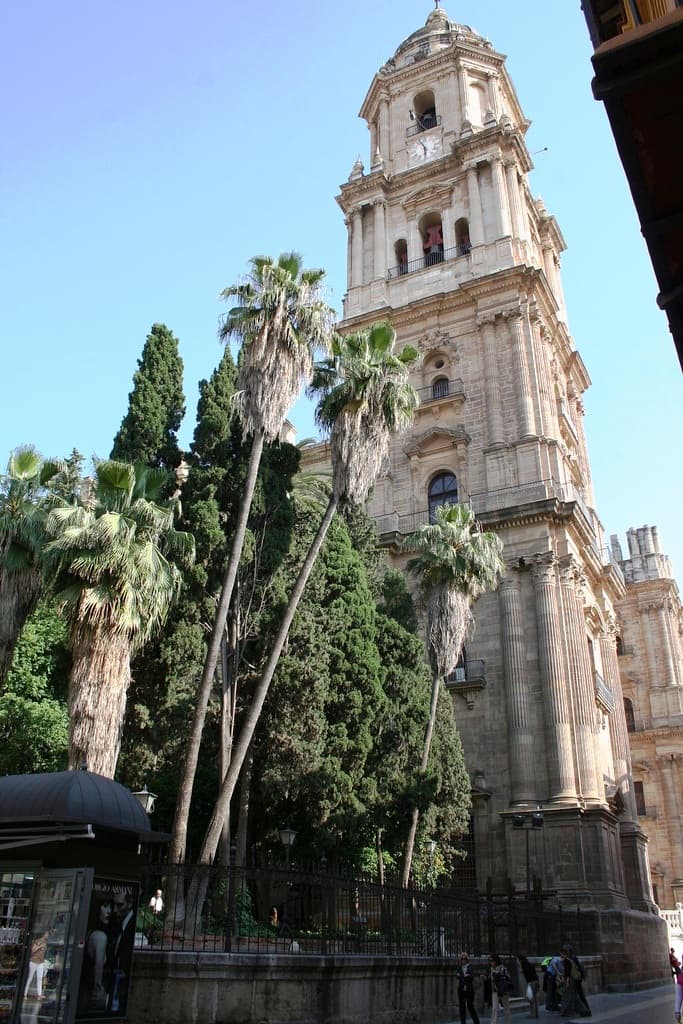
The historic centre is compact and entirely walkable — the Cathedral, Alcazaba, Roman Theatre, and Picasso Museum are all within a few minutes of each other on foot. For longer journeys, the EMT city bus network runs 50+ lines from around 6:30 AM to 11:00 PM, with night buses (N lines) on weekends. A single fare is €1.40 on board; a Bonobus multi-ride card cuts trips to as low as €0.42–€0.83 each and can be shared. The metro (2 lines, converging at El Perchel near María Zambrano station) charges €1.35 per single journey, or €0.82 with a rechargeable Consorcio travel card. The C1 Cercanías train is the go-to for coastal day trips, running to Torremolinos, Benalmádena, and Fuengirola (fares €1.80–€3.60). Taxis are white with a blue stripe and available 24/7; city fares typically run €7–€15. Ride-share apps Uber, Bolt, and Cabify also operate in Málaga. E-bikes and scooters are available via the Dott app (€0.29/min or €4.99 day pass). The EMT Málaga app provides live bus times and allows card top-ups via NFC.
Málaga enjoys one of the warmest climates on mainland Europe — around 300 days of sunshine annually — making it a year-round destination, but each season has a distinct character. Spring (April–May) is widely regarded as the sweet spot: temperatures settle between 22–28 °C, jacarandas bloom across Plaza de la Merced, and Semana Santa (Holy Week) transforms the city with spectacular religious processions. Crowds are manageable and prices haven't yet hit their summer peak. Early autumn (September–October) rivals spring: days remain warm and beach-capable, the sea holds its summer warmth, and by mid-September the peak-summer crush has largely cleared. Locals call September 'veroño' — a blend of summer and autumn. Summer (June–August) is peak beach season with virtually zero rain and sea temperatures averaging 24 °C, but July and August see temperatures regularly hitting 31–35 °C, hotels sell out, and prices surge. The 9-day Feria de Agosto in mid-August — flamenco, fireworks, and Andalusian tradition — makes the crowds worth it for many. Winter (November–February) offers mild temperatures of 15–19 °C, quiet museums, spectacular Christmas lights on Calle Larios, and the year's lowest accommodation prices; the trade-off is the highest chance of brief rain showers.
Start at the Roman Theatre, then climb to the Alcazaba fortress for panoramic views over the port and coastline. Continue up to Gibralfaro Castle for the best city panorama.
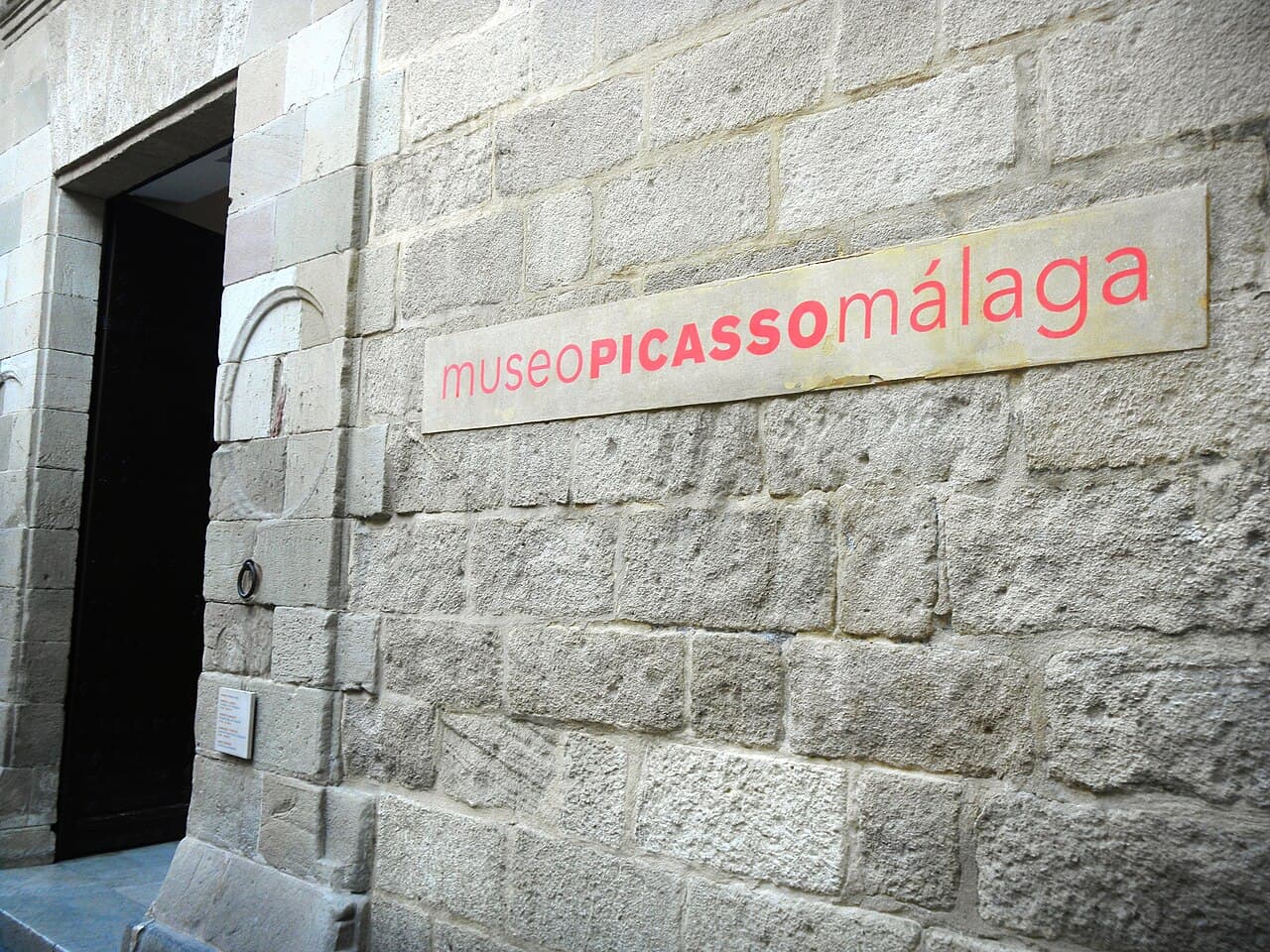
Descend into the historic centre for lunch at Mercado de Atarazanas. Spend the afternoon exploring Museo Picasso Málaga and the house where Picasso was born on Plaza de la Merced.
Stroll pedestrianised Calle Marqués de Larios, then taper off with tapas and Málaga wine at the legendary Bodega El Pimpi, one of the city's most atmospheric bars.
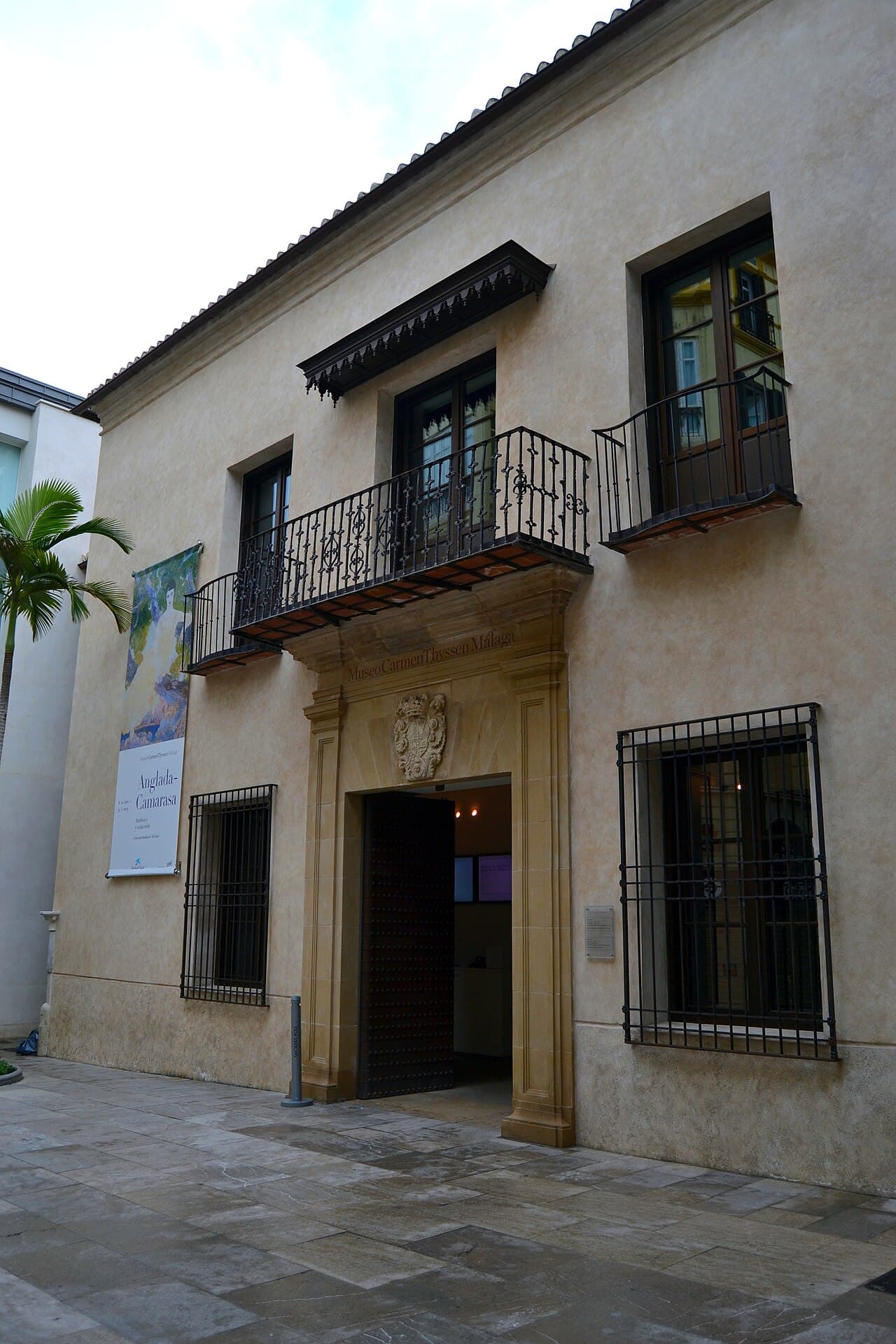
Explore the Soho arts district: street murals, independent cafés, and the Carmen Thyssen Museum with its Andalusian landscapes collection.
Head to Muelle Uno, the revamped port promenade lined with restaurants and the iconic Centre Pompidou Málaga (its coloured cube exterior has become a city symbol). Walk east along the promenade to La Malagueta beach for a swim.
Take a taxi or bus to the Pedregalejo neighbourhood for espetos — fresh sardines grilled on skewers over open fires on the beach — paired with local Málaga white wine.
Take an early bus or organised tour to Ronda (~45 min). Walk the dramatic gorge, cross the Puente Nuevo bridge, and explore the old bullring.
Return via local vineyards in the Serranía de Ronda for a wine tasting, or alternatively take the C2 Cercanías train to El Chorro for a walk along the famous Caminito del Rey cliffside path.
Return to Málaga and end the trip with ajoblanco (chilled almond soup) and a final wine at Los Patios de Beatas or Antigua Casa de Guardia, the city's oldest bar.
Real coworking spaces, laptop-friendly cafés, and libraries mapped near the center of the city — the closest, best-rated desks first.
No coworking-ready spots surfaced for this city yet.
Pick a different category or check back once we’ve indexed more desks for this city.
Ask for cafés, quiet neighborhoods, date-night spots, or a first 48-hour plan.
Mention calls, Wi-Fi needs, or how much of the day has to stay laptop-friendly.
Get faster answers on where to stay, when to move neighborhoods, and what to skip.
Written by signed-in Wanderlust members. We don't check that a reviewer has visited.
No reviews of Malaga yet.
Tell the planner your dates, who's coming, your budget and pace, and it drafts a day-by-day itinerary you can edit.
Wanderlust Pro
Insider tips for Malaga, unlimited AI-built itineraries, and travel companions you can invite to plan a trip together. From $5.00/month, billed annually.
Insider tips · Wanderlust Pro
Practical tips on the sights and neighbourhoods in this Malagaguide — when to go, what most visitors miss. Written with AI about the guide's own places; double-check details before you go. Pro members see every tip.