Top sight
Top sight
Europe's windsurfing capital: volcanic dunes, golden beaches and near-constant trade winds in the Canary Islands.
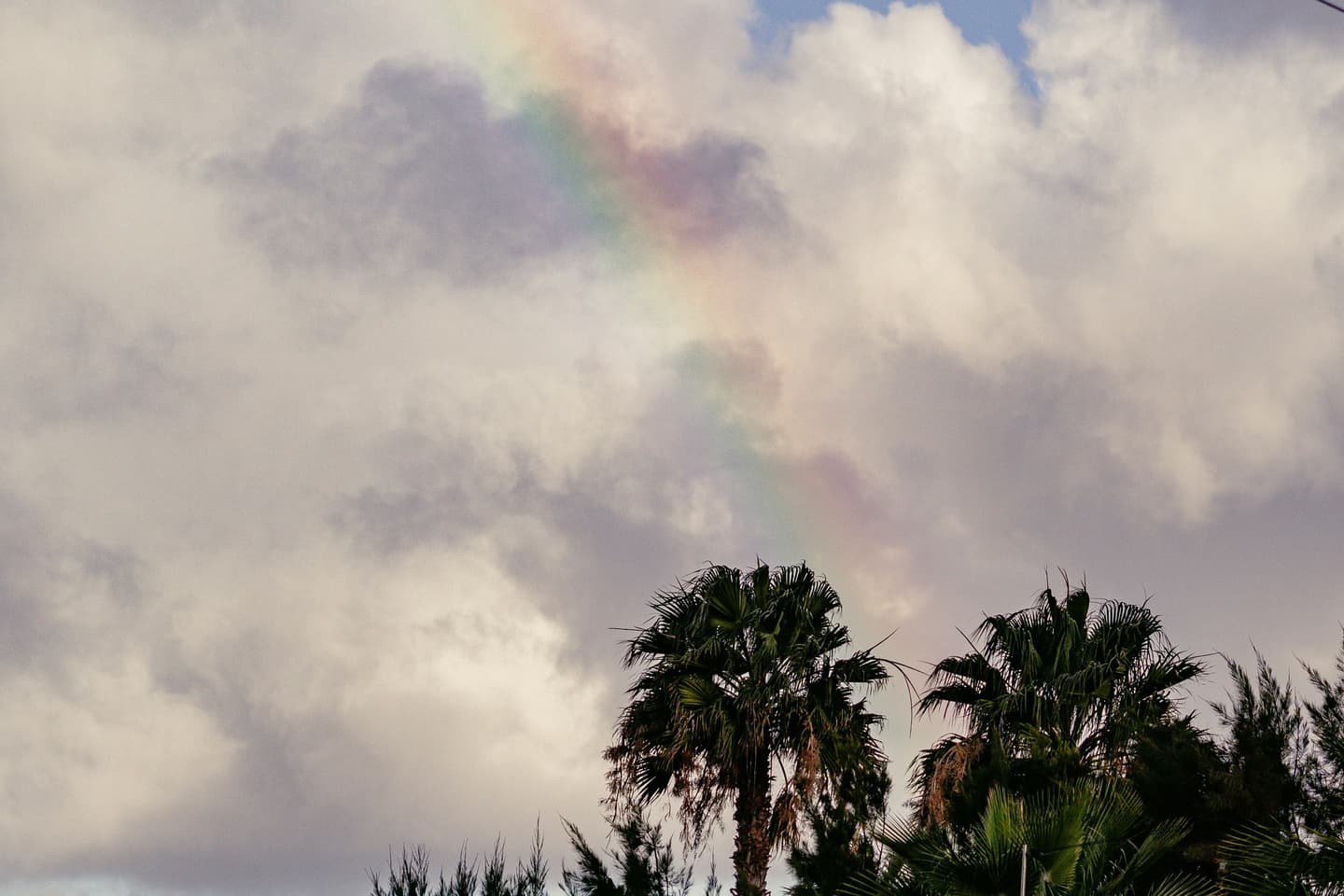
Fuerteventura is the Canary Islands' laid-back desert-island escape, where Saharan-style dunes meet turquoise Atlantic water and steady trade winds make it a global hub for kitesurfing and windsurfing. The second-largest and least-developed of the Canaries pairs quiet fishing villages like El Cotillo with resort towns such as Corralejo and Costa Calma, plus wild interior landscapes around Betancuria. It suits sun-seekers, watersports fanatics, remote workers and families alike, with a dry, sunny climate that holds up almost all year.
More cities for these months: Where to go in April · Where to go in May · Where to go in June · Where to go in September · Where to go in October · Where to go in November
Insider tips · Wanderlust Pro
Practical tips on the sights and neighbourhoods in this Fuerteventura guide — when to go, what most visitors miss. Written with AI about the guide's own places; double-check details before you go. Pro members see every tip.
The quick answers travelers want before they commit to flights, neighborhoods, and how long to stay.
Fuerteventura Airport (FUE, also called El Matorral) sits about 5km south of the capital, Puerto del Rosario, just off the FV-2 road, and is the island's only international airport, linking it to more than a hundred destinations and handling nearly seven million passengers in 2025. Budget and charter carriers dominate the routes, with Ryanair, Jet2, easyJet, Vueling, TUI fly and Binter Canarias all flying directly into FUE from dozens of UK and European cities, while Binter Canarias and Canaryfly connect it to Gran Canaria, Tenerife and other Canary Islands. There's no direct flight from the US, so most transatlantic travelers connect via Madrid, Lisbon or another European hub. For those arriving by sea, a weekly ferry from Cadiz on the Spanish mainland sails to Puerto del Rosario, with the crossing taking about 30 hours.
TIADHE buses (locally called guaguas) are the backbone of public transport, with line 6 running from Puerto del Rosario to Corralejo and line 10 heading south to Morro Jable via Costa Calma; a ticket from the airport costs around €1.40 to the capital and roughly €9.30 to Morro Jable. Fares elsewhere on the network generally range from €2-8 depending on distance, but buses connect towns rather than individual beaches, so you can't easily hop between coves or reach natural park beaches without your own wheels. Because the island is around 100km long and its best landscapes - Cofete, El Cotillo's lagoons, the interior around Betancuria - sit well off the bus routes, renting a car (from roughly €20-30 a day) is effectively essential for anyone who wants to explore beyond their resort.
Fuerteventura has the driest, windiest climate in the Canaries, with barely 147mm of rain a year, almost 3,000 hours of annual sunshine, and a mild sea year-round, which is exactly why it's become a magnet for windsurfers and kitesurfers. Winter highs hover around 22°C and summer highs around 28°C, and the near-constant trade winds pick up further in summer - strong enough that kitesurfers can expect 25-35 knot conditions through June-August - making that season less relaxing for anyone not here for watersports. Winter is technically high season as Europeans flee the cold, while spring and autumn, especially September and October, strike the best balance of warm weather, calmer water and thinner crowds; shoulder months like March, April and November also bring noticeably lower prices than the August peak.
Wander Corralejo's old fishing harbor, marina and laid-back town center.
Head to Corralejo Natural Park to climb the Saharan-style sand dunes and swim at the beach.
Watch the sunset with a seafood dinner along Corralejo's waterfront.
Drive south through Costa Calma, stopping at viewpoints over the Jandía peninsula.
Relax or try kitesurfing lessons at Sotavento Beach, one of the island's most famous windsurfing spots.
Explore Morro Jable's promenade and enjoy dinner by the port.
Visit Betancuria, the island's historic former capital, tucked into the mountains.
Continue to Ajuy to see its dramatic black-sand beach and coastal caves.
Finish at El Cotillo for sunset over the lagoons and a relaxed beachfront dinner.
Real coworking spaces, laptop-friendly cafés, and libraries mapped near the center of the city — the closest, best-rated desks first.
CoNomad
Av. Juan Carlos I, 35660 La Oliva, Spain
Ambaradam
Av. Corralejo Grandes Playas, 35660 La Oliva, Spain
Cafetería Cc Atlantico.
Av. Ntra. Sra. del Carmen, 35660 La Oliva, Spain
Cafetería Soho palmera
Av. Ntra. Sra. del Carmen, 35660 La Oliva, Spain
New Bakery Café
Av. Ntra. Sra. del Carmen, 35660 La Oliva, Spain
Biblioteca Municipal de Corralejo
C. Huriamen, 35660 La Oliva, Spain
Ask for cafés, quiet neighborhoods, date-night spots, or a first 48-hour plan.
Mention calls, Wi-Fi needs, or how much of the day has to stay laptop-friendly.
Get faster answers on where to stay, when to move neighborhoods, and what to skip.
Written by signed-in Wanderlust members. We don't check that a reviewer has visited.
No reviews of Fuerteventura yet.
Tell the planner your dates, who's coming, your budget and pace, and it drafts a day-by-day itinerary you can edit.
Wanderlust Pro
Insider tips for Fuerteventura, unlimited AI-built itineraries, and travel companions you can invite to plan a trip together. From $5.00/month, billed annually.
Insider tips · Wanderlust Pro
Practical tips on the sights and neighbourhoods in this Fuerteventura guide — when to go, what most visitors miss. Written with AI about the guide's own places; double-check details before you go. Pro members see every tip.