Top sight
Top sight
Sun-drenched port city on Spain's Costa Blanca where Moorish hilltop castles meet sandy beaches and laid-back Mediterranean living.
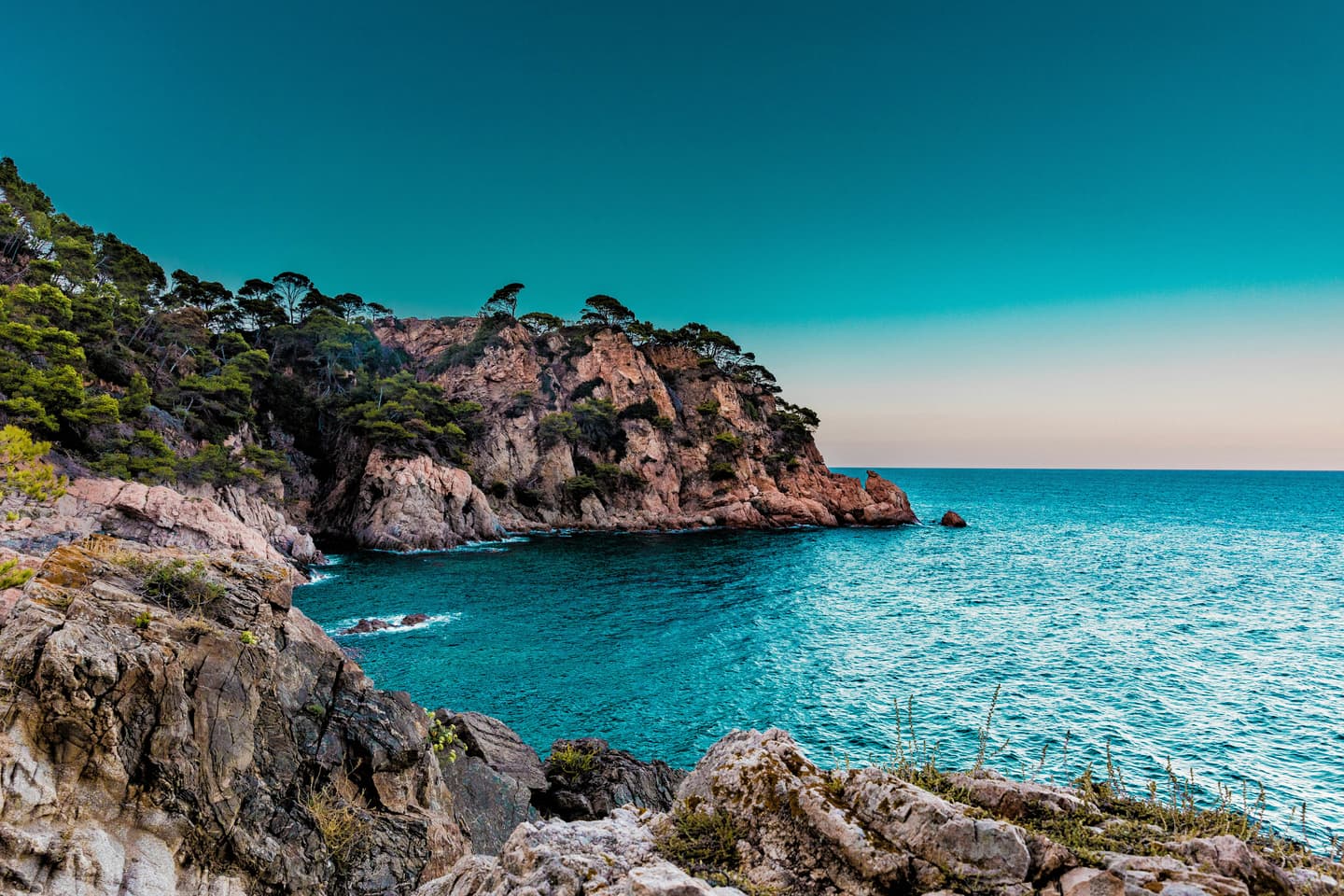
Alicante is a vibrant coastal city on Spain's southeastern Mediterranean coast, blending a rich history of Moorish and Roman heritage with lively beach culture and an authentic Spanish pace of life. Its iconic Castillo de Santa Bárbara watches over the city from above, while the marble-paved Explanada de España promenade and buzzing El Barrio old town anchor daily life below. Increasingly popular with digital nomads, British retirees, and sun-seekers, Alicante punches above its weight on affordability, with rents and living costs well below those of Madrid or Barcelona. With over 300 days of sunshine a year, easy airport connections, and an accessible TRAM network reaching coastal villages, it's one of Spain's most liveable and visitor-friendly cities.
More cities for these months: Where to go in March · Where to go in April · Where to go in May · Where to go in September · Where to go in October
Insider tips · Wanderlust Pro
Practical tips on the sights and neighbourhoods in this Alicanteguide — when to go, what most visitors miss. Written with AI about the guide's own places; double-check details before you go. Pro members see every tip.
The quick answers travelers want before they commit to flights, neighborhoods, and how long to stay.
Alicante-Elche Miguel Hernández Airport (ALC) is Spain's fifth-busiest airport, handling around 16 million passengers per year, and sits approximately 12 km from the city centre. The C6 bus is the go-to budget option: it runs virtually 24/7 every 20 minutes, with the first departure from the airport at 5:40 am and the last at midnight. A single adult ticket costs around €4.50, with an over-65s fare of just €0.95. The journey takes approximately 20–35 minutes depending on traffic, stopping at key points including Alicante Renfe train station and Plaza Puerta del Mar. A 10-trip bus card is available on board for €12. Taxis from the airport charge a flat rate of roughly €25–30 to the city centre. Uber and Bolt also operate in Alicante (since 2024), though coverage can vary. There is no direct rail service from the airport to the city; passengers needing the train must first take the bus or taxi into town.
Alicante's compact old town and seafront are easily walkable. For wider exploration, the city runs an extensive MIA urban bus network of over 35 lines, with a single fare of €1.45 (cash or card) — or significantly cheaper with a Bono Móbilis travel card. Transfers between bus and TRAM lines within one hour are free. The TRAM light-rail network (lines L1–L5) is particularly useful for reaching coastal towns and suburbs; pick up a rechargeable Mobilis Card at TRAM station kiosks or estancos for the best value. Taxis start at approximately €1.55 (day rate) with a typical 10-minute city ride costing €7–10. Ride-hailing apps Uber and Bolt have been operating in Alicante since 2024. Cycling and e-scooters are growing options along the flat seafront promenade.
Spring (March to May) is widely considered the sweet spot for visiting Alicante. Temperatures are delightfully mild — typically 15°C to 22°C — crowds are manageable, and the city's historical sites, beaches, and promenades can be explored in comfort. Autumn (September–October) runs a close second: the sea stays warm well into October, tourist numbers thin out, and prices ease off noticeably. Summer (July–August) is high season: the beach at San Juan is at its liveliest, but heat can be intense and accommodation books up fast — especially during the unmissable Hogueras de San Juan festival (June 20–24), when 90+ neighbourhood-built sculptures are ceremonially burned across the city to spectacular effect. Winter is quiet and mild by northern European standards (12°C–18°C), making it ideal for cultural sightseeing and local immersion at low-season prices, even if a dip in the sea is off the table.
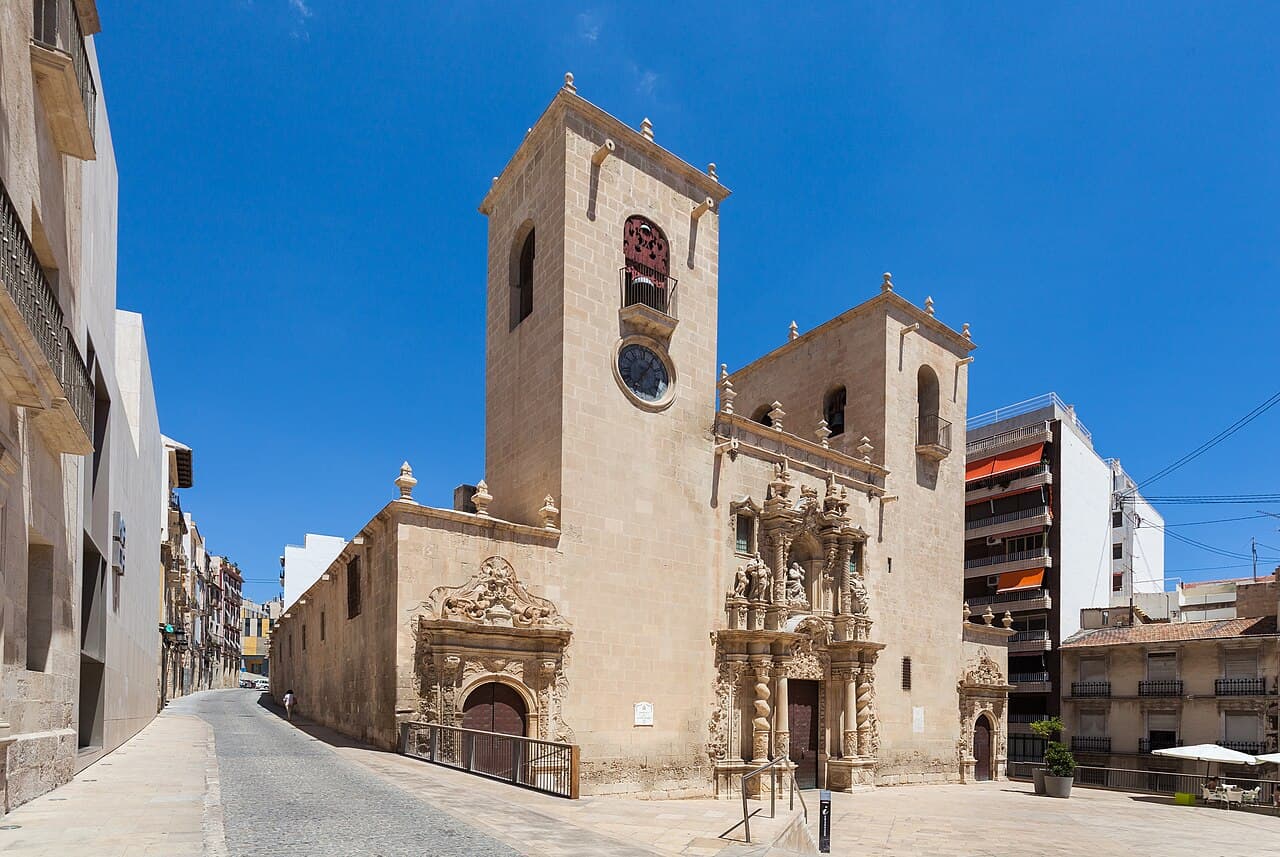
Start with a stroll along the marble-inlaid Explanada de España promenade before coffee at a terrace café. Head into El Barrio (old town) and visit the Gothic Basílica de Santa María, the oldest active church in Alicante.
Take the free lift (or hike) up Benacantil Hill to Castillo de Santa Bárbara for sweeping views over the bay and old town. Spend an hour exploring the castle's towers and ramparts, then wind back down through the colourful alleys and street-art murals of Barrio de Santa Cruz.
Settle into a traditional restaurant in El Barrio for arroz a banda (local rice dish) and a glass of local Monastrell red wine. Join the evening paseo along the port esplanade as the city comes to life.
Grab breakfast at Alicante Central Market — a wonderful Art Nouveau hall packed with fresh produce, local cheeses, and seafood. Then head to Playa del Postiguet, the city's main urban beach, for a morning swim.
Take the short ferry to Tabarca Island, Spain's smallest inhabited island and a marine reserve. Snorkel in the crystal-clear waters around the island's rocky coves or explore its 18th-century walled village.
Return to the mainland for sundowners at a rooftop bar overlooking the port, followed by tapas and people-watching in the lively streets around Plaza del Ayuntamiento.
Spend the morning at the MARQ Archaeological Museum, one of Spain's finest regional archaeology museums, which traces the Costa Blanca's history from prehistoric times to the Moors.
Hop on the TRAM coastal line for a scenic ride to Altea or Villajoyosa — pretty whitewashed towns with colourful façades, local craft shops, and quieter beaches. Browse the local market and have a leisurely seafood lunch.
Return to Alicante in the early evening and explore the Ensanche district for a more local dinner. End the night with a walk back along the illuminated Explanada, a perfect Alicante farewell.
Real coworking spaces, laptop-friendly cafés, and libraries mapped near the center of the city — the closest, best-rated desks first.
No coworking-ready spots surfaced for this city yet.
Pick a different category or check back once we’ve indexed more desks for this city.
Ask for cafés, quiet neighborhoods, date-night spots, or a first 48-hour plan.
Mention calls, Wi-Fi needs, or how much of the day has to stay laptop-friendly.
Get faster answers on where to stay, when to move neighborhoods, and what to skip.
Written by signed-in Wanderlust members. We don't check that a reviewer has visited.
No reviews of Alicante yet.
Tell the planner your dates, who's coming, your budget and pace, and it drafts a day-by-day itinerary you can edit.
Wanderlust Pro
Insider tips for Alicante, unlimited AI-built itineraries, and travel companions you can invite to plan a trip together. From $5.00/month, billed annually.
Insider tips · Wanderlust Pro
Practical tips on the sights and neighbourhoods in this Alicanteguide — when to go, what most visitors miss. Written with AI about the guide's own places; double-check details before you go. Pro members see every tip.