Top sight
Top sight
Ko Lanta: laid-back Andaman island where long beaches, jungle-clad hills, and a relaxed pace keep visitors longer than planned.
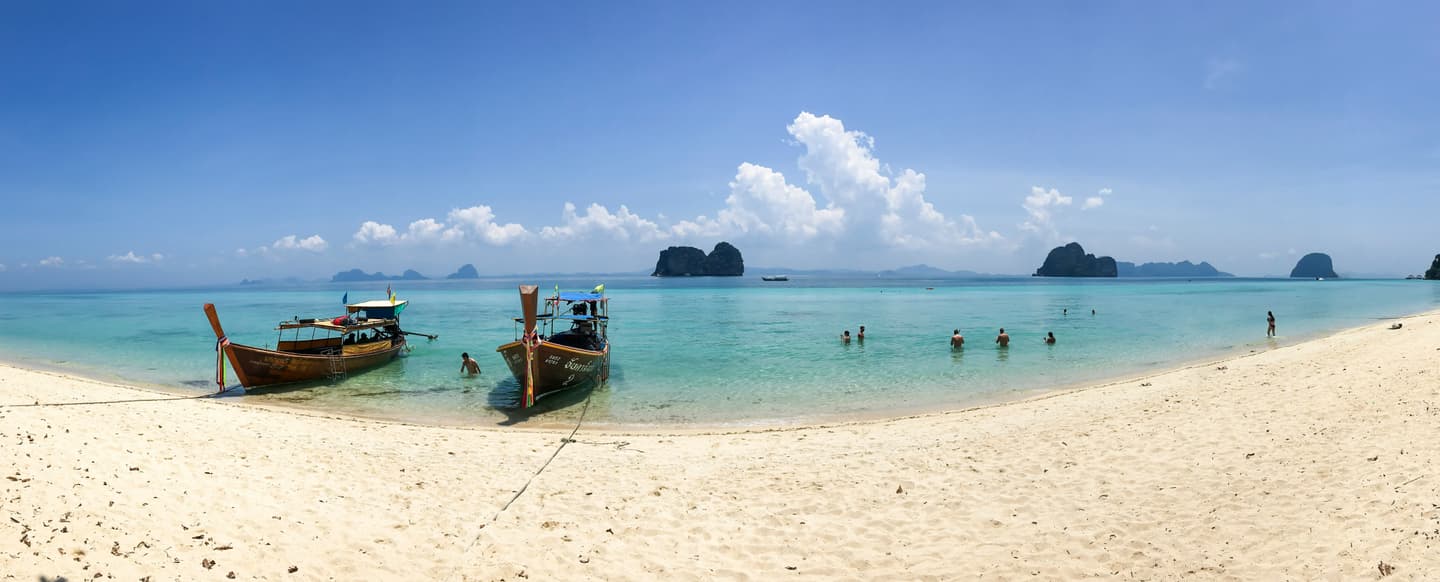
Ko Lanta (Koh Lanta Yai) is a slender, 30 km-long island off the Krabi coast in southern Thailand, striking a rare balance between unspoiled nature and comfortable infrastructure. Its west coast strings together nearly a dozen beaches, from the busy sands of Long Beach in the north to the secluded sweep of Kantiang Bay in the south. Old Town retains the island's multicultural Sea Gypsy and Chinese trading heritage, while the southern tip is protected inside Mu Ko Lanta National Park. Unlike Phuket or Koh Phi Phi, Ko Lanta has managed to stay largely free of mass tourism, making it a favourite base for slow travellers, digital nomads, and families alike.
More cities for these months: Where to go in January · Where to go in February · Where to go in March · Where to go in April · Where to go in November · Where to go in December
Insider tips · Wanderlust Pro
Practical tips on the sights and neighbourhoods in this Ko Lantaguide — when to go, what most visitors miss. Written with AI about the guide's own places; double-check details before you go. Pro members see every tip.
The quick answers travelers want before they commit to flights, neighborhoods, and how long to stay.
Ko Lanta has no airport of its own. The nearest and most convenient gateway is Krabi International Airport (KBV), roughly 75 km away. From Krabi Airport the fastest option is an express speedboat transfer (approx. 1.5 hours); a private minivan transfer via road and car ferry takes 2–3 hours and costs around 2,500 THB. Public minivans depart Krabi Bus Station every hour from 08:00 to 16:00 and are the budget choice. A passenger ferry from Chao Fa Pier in Krabi Town takes about 2 hours and runs during the high season (stopping at the end of April). Phuket Airport (HKT) is also an option: the road-and-car-ferry journey takes 4.5–5 hours, or take the government 'pink and white' minibus from Phuket town (departing 08:00–14:00, ~400 THB, ~5.5 hours). From Bangkok, overnight buses (12–15 hours, combination bus-and-ferry ticket) connect to the island. All ferries and transfers arrive at Saladan Pier in the north of the island.
There is no formal public transport network on Ko Lanta. Renting a scooter is by far the most popular and affordable way to explore — standard automatics cost 200–300 THB per day, with discounts for weekly rentals. The single main coastal road runs the full 30 km length of the island; the drive from Saladan Pier to Mu Ko Lanta National Park at the southern tip takes 45–60 minutes. Songthaews (open pick-up trucks with bench seats) operate north–south routes from Saladan through the beaches and cost roughly 100–400 THB per ride depending on distance. Tuk-tuks are available at popular tourist spots and cost 150–300 THB for short trips. Private taxis (often pick-up trucks) are plentiful at the harbour but expensive — agree on a price before boarding. Grab is not reliably available on the island. Organised day tours to Koh Rok, Koh Haa, and the Four Islands include hotel pick-up, making them a convenient option for avoiding vehicle rental on excursion days.
Ko Lanta follows a clear two-season calendar dictated by its Andaman Sea position. The dry season runs November through April: the northeast trades keep skies blue, seas calm, and humidity manageable. Peak tourist traffic descends in mid-December and doesn't ease until after New Year; January and February deliver the most reliable conditions — February averages rain on just 4% of days — with slightly fewer crowds than the Christmas rush. March and April remain excellent for outdoor activity and coincide with the Songkran water-festival. The southwest monsoon arrives in May, bringing heavy downpours, rougher seas, and the closure of most dive operators; September is the wettest month, with rain probability around 48%. That said, the green season has its devotees: hotel rates drop dramatically, the jungle interior turns vivid, and Khlong Chak Waterfall runs at its most spectacular. If you're willing to plan outdoor activities for the mornings, May can still offer stretches of dry weather.
Arrive via Saladan Pier. Grab a scooter from your guesthouse and ride the short hop south to Hat Khlong Dao (Long Beach) for a first swim and a beachside breakfast.
Head into Ban Saladan to browse the seafood restaurants along the pier, then continue to Ko Lanta Old Town. Stroll the wooden shophouse-lined street, visit the Sea Gypsy village, and pick up fresh fruit from local stalls.
Catch sunset from a west-coast beach bar around Ban Phra Ae (Lanta Beach). Dinner at one of the casual beachfront restaurants — grilled fish and local curries are the local speciality.
Scooter south past Klong Nin Beach and Ao Nui Beach to reach the southern end of the island. Hike the coastal trail inside Mu Ko Lanta National Park (open 08:00–17:00; camping available for 250 THB/night) for jungle scenery and sweeping sea views.
Stop at Kantiang Bay for lunch — one of the island's most beautiful and secluded stretches. Swim in the calm bay, then detour to Khlong Chak Waterfall for a freshwater dip in the jungle.
Return north along the west coast road at golden hour. Dinner in Klong Nin, where a cluster of relaxed restaurants cater to the long-stay crowd with excellent Thai and international food.
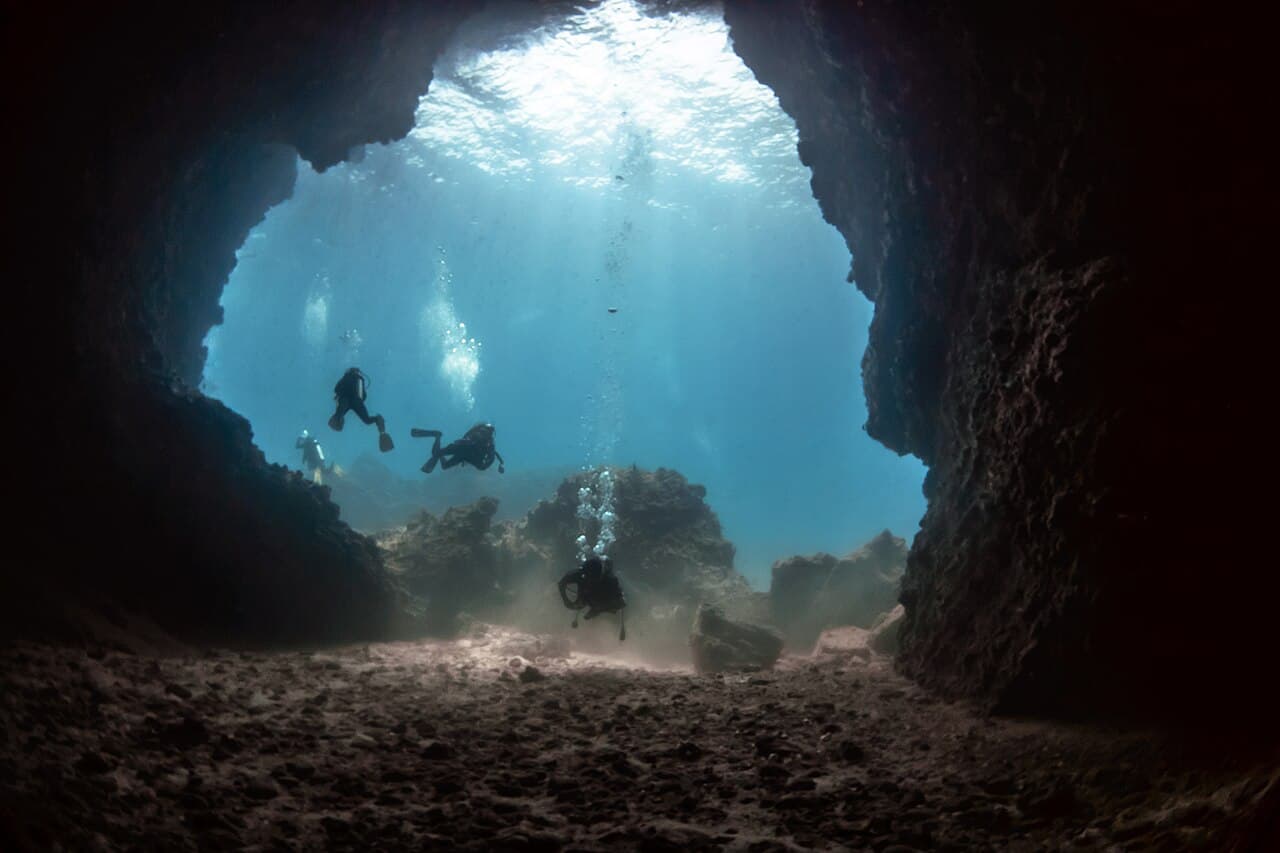
Join an organised Four-Islands or Koh Rok snorkelling tour (hotel pick-up included). Head out by speedboat to the outer islands — Koh Ngai, Koh Kradan, Koh Mook, and the unmissable Emerald Cave: a hidden lagoon accessible only by swimming through an 80-metre sea cave.
Snorkel above vibrant coral reefs at Koh Rok or Koh Haa, where underwater visibility can stretch beyond 30 metres during peak season. Lunch is typically served on board or on a beach.
Return to Ko Lanta by late afternoon. Wind down with a beachside massage, then enjoy a farewell dinner in Old Town or at your favourite west-coast beach bar before an early departure the next morning.
Real coworking spaces, laptop-friendly cafés, and libraries mapped near the center of the city — the closest, best-rated desks first.
No coworking-ready spots surfaced for this city yet.
Pick a different category or check back once we’ve indexed more desks for this city.
Ask for cafés, quiet neighborhoods, date-night spots, or a first 48-hour plan.
Mention calls, Wi-Fi needs, or how much of the day has to stay laptop-friendly.
Get faster answers on where to stay, when to move neighborhoods, and what to skip.
Written by signed-in Wanderlust members. We don't check that a reviewer has visited.
No reviews of Ko Lanta yet.
Tell the planner your dates, who's coming, your budget and pace, and it drafts a day-by-day itinerary you can edit.
Wanderlust Pro
Insider tips for Ko Lanta, unlimited AI-built itineraries, and travel companions you can invite to plan a trip together. From $5.00/month, billed annually.
Insider tips · Wanderlust Pro
Practical tips on the sights and neighbourhoods in this Ko Lantaguide — when to go, what most visitors miss. Written with AI about the guide's own places; double-check details before you go. Pro members see every tip.