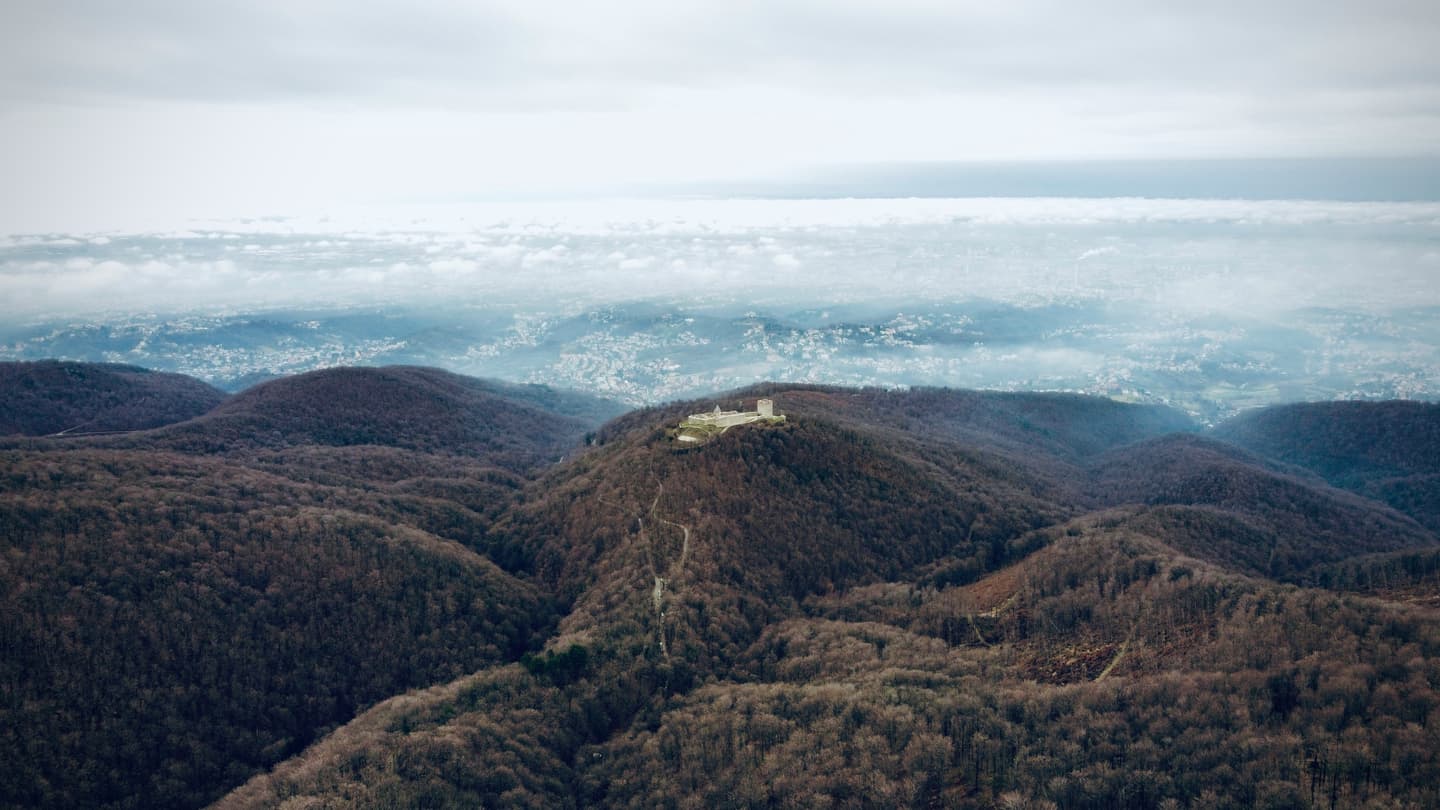
 City postcard
Zagreb
Croatia's underrated capital blends medieval charm, café culture, and big-city sophistication — all without the coastal crowds.
Croatia's underrated capital blends medieval charm, café culture, and big-city sophistication — all without the coastal crowds.
Zagreb is Croatia's vibrant capital, where a medieval Upper Town of cobbled lanes and tiled church roofs sits above a cosmopolitan Lower Town alive with grand Austro-Hungarian boulevards, thriving markets, and some of the nation's best museums. A city of two halves — historic and modern, leisurely and energetic — it moves at a different pace from coastal Croatia and rewards those who linger. With a growing digital-nomad scene, solid infrastructure, and prices well below Western Europe, Zagreb punches far above its tourist profile.
City postcardCroatia's underrated capital blends medieval charm, café culture, and big-city sophistication — all without the coastal crowds.
 Top sight
A signature stop locals and returning travelers point to in Zagreb.
 Top sight
A signature stop locals and returning travelers point to in Zagreb.
 Top sight
A signature stop locals and returning travelers point to in Zagreb.
A signature stop locals and returning travelers point to in Zagreb.
Photo: Jorge Franganillo · CC BY 2.0
A signature stop locals and returning travelers point to in Zagreb.
A signature stop locals and returning travelers point to in Zagreb.
Photo: Rilegator · CC BY-SA 4.0
A signature stop locals and returning travelers point to in Zagreb.
A signature stop locals and returning travelers point to in Zagreb.
A signature stop locals and returning travelers point to in Zagreb.
A signature stop locals and returning travelers point to in Zagreb.
Photo: Fred Romero from Paris, France · CC BY 2.0
A signature stop locals and returning travelers point to in Zagreb.
A pocket of Zagreb with its own temperament — worth a deliberate detour when you're in the area.
A pocket of Zagreb with its own temperament — worth a deliberate detour when you're in the area.
A pocket of Zagreb with its own temperament — worth a deliberate detour when you're in the area.
A pocket of Zagreb with its own temperament — worth a deliberate detour when you're in the area.
The quick answers travelers want before they commit to flights, neighborhoods, and how long to stay.
Zagreb is served by Franjo Tuđman Airport (ZAG), located about 15 km southeast of the city centre in Velika Gorica. The most popular airport-to-city option is the Pleso Prijevoz shuttle bus, which runs every 30 minutes (timed to flight arrivals at quieter periods), takes 35–40 minutes, and drops off at the Main Bus Station in central Zagreb — tickets cost approximately €9 per person one way and can be bought onboard or online at plesoprijevoz.hr. The cheapest option is public bus 290 (operated by ZET), which connects Kvaternik Square with the airport every 35 minutes for around €1; the ride takes roughly 45 minutes. Taxis and Uber/Bolt rideshares are available 24/7 outside arrivals; metered taxis typically run €30–40 to the city centre (30 min), with a 20% surcharge on Sundays, holidays, and late nights. There is no direct rail link from the airport to Zagreb's main train station. Once at the Main Bus Station, tram lines 2, 5, 6, 7, and 8 connect to the city centre.
Zagreb is compact and very walkable in its central districts. For longer hops, the tram is the go-to mode of transport — 15 routes fan out across the city, most passing through Ban Jelačić Square (the main square) or the main train station, and a reduced night service runs after hours. Tickets are cheaper when bought at kiosks ('tramvajska karta') than onboard; always validate in the yellow machines on boarding. A single 30-minute ticket costs roughly €0.53 when pre-purchased. Daily and multi-day passes are available for frequent riders. Buses cover routes beyond the tram lines. Bolt and Uber both operate in Zagreb for point-to-point rides. The historic funicular (uspinjača) — one of the world's shortest at 66 m — links Lower Town to Upper Town for €0.66 one way and is worth a ride in its own right, having operated since 1890. The Citymapper app covers Zagreb trams and buses; Google Maps transit directions are also reliable. A cable car opened in February 2022, running 5 km from the north of the city up to Sljeme peak on Medvednica mountain.
Zagreb rewards visitors in almost every season, but the sweet spots are late spring and early autumn. May and June bring mild temperatures (10–20°C), blooming parks, open café terraces, and a full festival calendar — including the INmusic rock festival in June — without the peak-summer heat or price surges. September is often an extension of summer warmth but with thinner crowds; by October, golden foliage fills Zrinjevac Park and Maksimir, and the harvest and wine season adds flavour to day trips. Summer (July–August) is the busiest period: expect temperatures up to 30–35°C, lively outdoor concerts, and Zagreb's biggest tourism crowds. Notably, unlike Croatia's coast, the city stays vibrant year-round — making it the best Croatian base for winter travellers. December is transformed by Advent in Zagreb, consistently ranked among Europe's top Christmas markets, with mulled wine, lights, and live music filling the city centre through early January. The main downside of winter (November–March) is that temperatures can dip to single digits Celsius and occasionally below freezing, which can limit outdoor exploration.
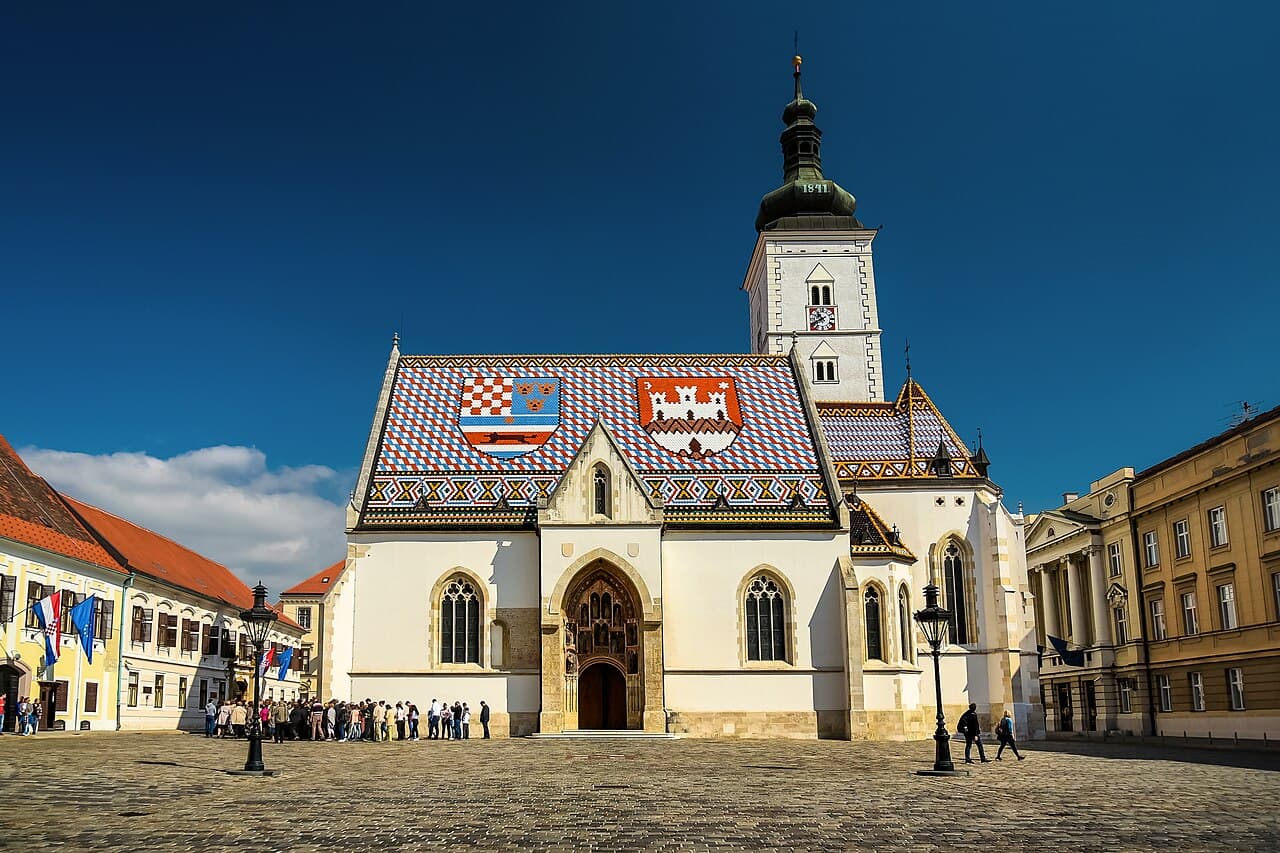
Ride the historic funicular from Ilica Street up to Gornji Grad. Explore cobblestone lanes, admire the colourful tiled roof of St. Mark's Church, and pass through the candlelit Stone Gate shrine.
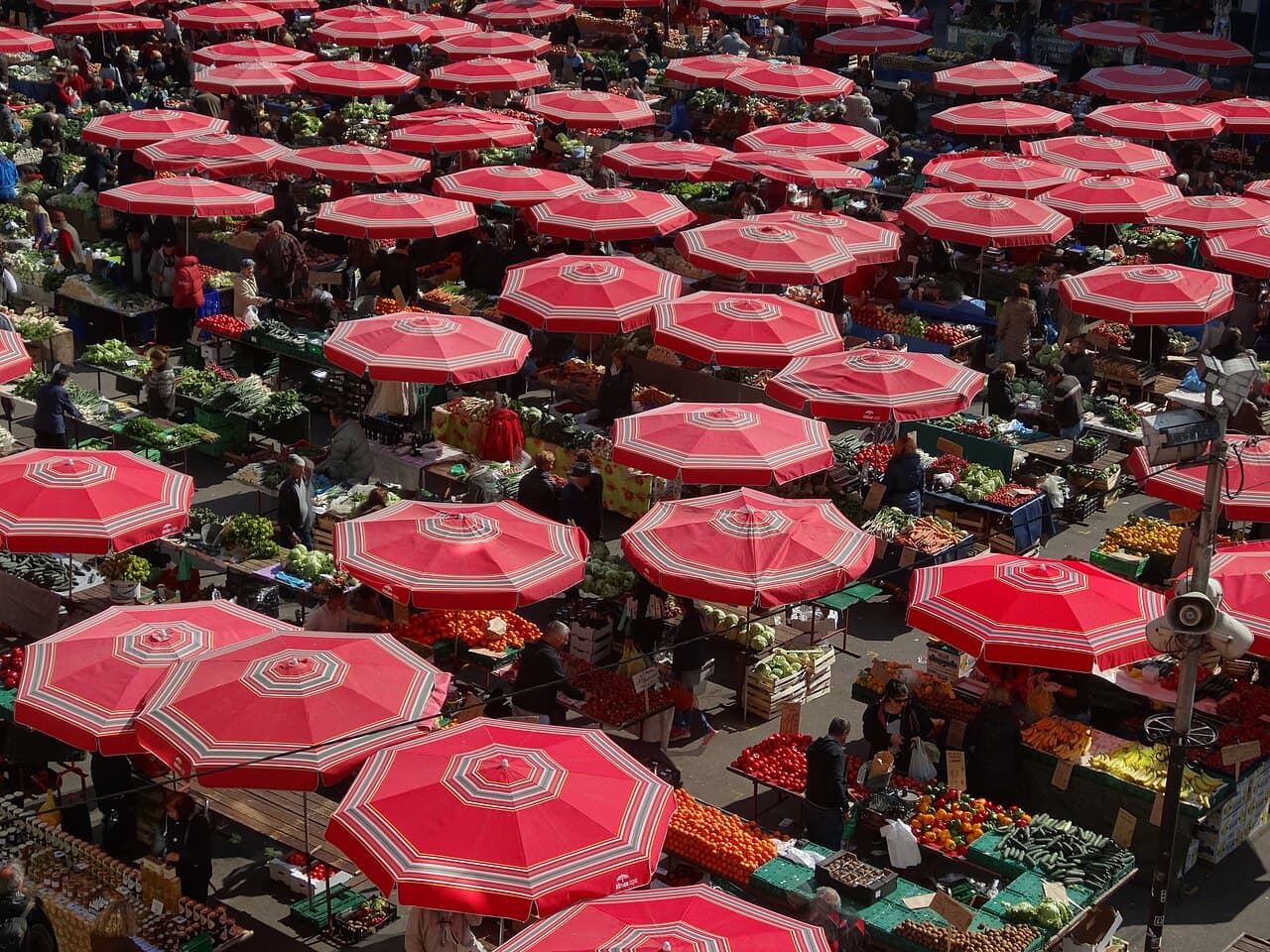
Climb Lotrščak Tower for panoramic views, then walk down to Dolac Market (arrive early for the freshest produce). Browse the Museum of Broken Relationships — one of Zagreb's quirkiest and most beloved attractions (€7 entry).
Join the passeggiata along Tkalčićeva Street. Pick a terrace bar, order a craft beer or local wine, and soak up Zagreb's famous café culture.
Start with a coffee on Ban Jelačić Square, Zagreb's lively main square. Head to the Mimara Museum or the Croatian National Theatre to explore the Lower Town's grand Austro-Hungarian architecture.
Escape to Maksimir Park — Zagreb's beloved city park — for a lakeside walk or a visit to the adjacent zoo. In summer, swing by Bundek Lake for a picnic atmosphere.
Dinner in Donji Grad: the food scene is thriving, from traditional konobas to Michelin-starred Noel. End the night with cocktails in the Oktogon passage or one of the city's craft-beer bars.
Take the cable car (opened 2022) or hike the trails of Medvednica Nature Park — the forested mountain that rises directly above the city, with Sljeme peak at 1,030 m offering sweeping views.
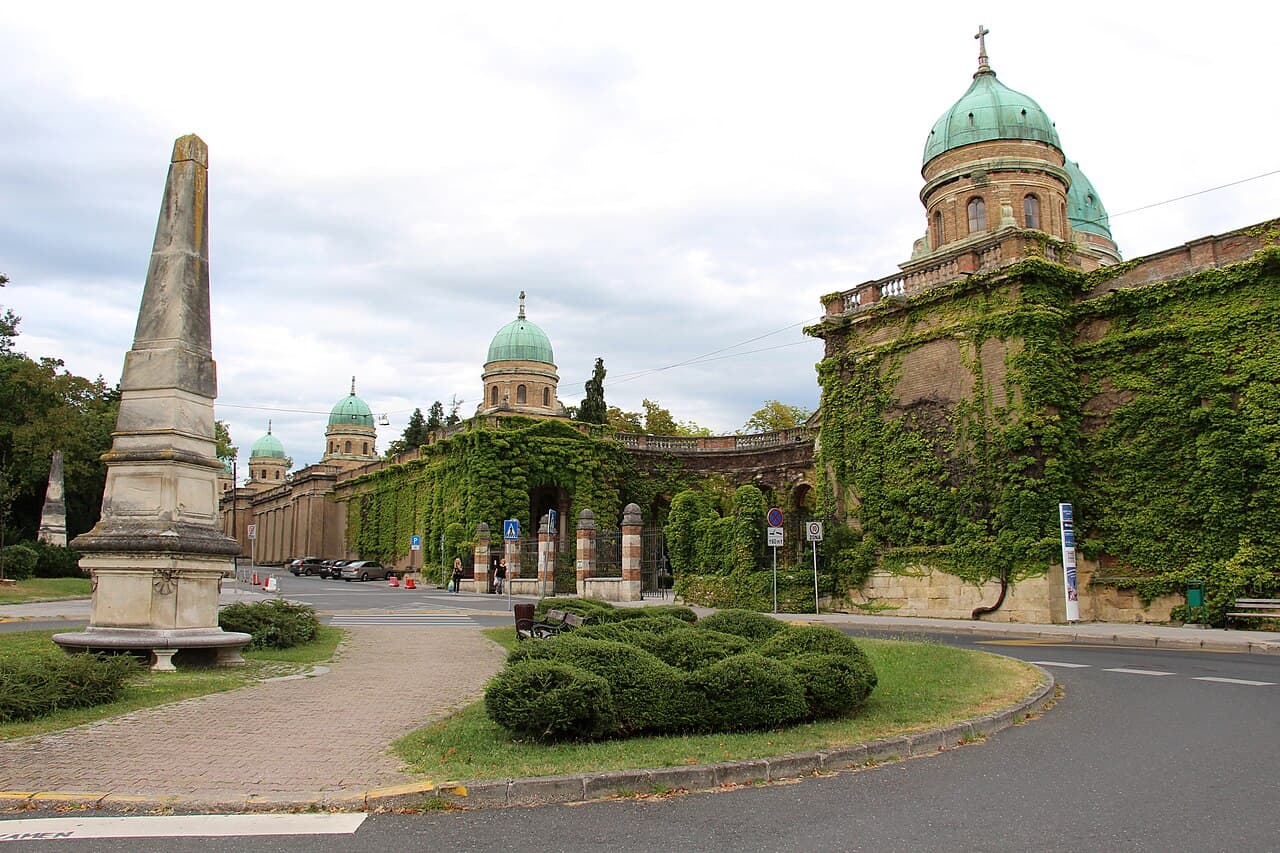
Return to the city and visit the beautiful Mirogoj Cemetery — a monumental 19th-century park-cemetery whose ivy-covered arcades are considered among the most beautiful in Europe (free entry).
Wrap up with a stroll through Zrinjevac Park and the Botanical Garden area, then a farewell dinner near the city centre — try traditional štrukli (baked cheese pastry) as a parting taste of Zagreb.
Real coworking spaces, laptop-friendly cafés, and libraries mapped near the center of the city — the closest, best-rated desks first.
No coworking-ready spots surfaced for this city yet.
Pick a different category or check back once we’ve indexed more desks for this city.
Ask for cafés, quiet neighborhoods, date-night spots, or a first 48-hour plan.
Mention calls, Wi-Fi needs, or how much of the day has to stay laptop-friendly.
Get faster answers on where to stay, when to move neighborhoods, and what to skip.
There aren’t any, yet!
Block off the weeks you're free. Wanderlust turns this dossier — flights, lodging, neighborhoods, timing — into a single draft itinerary in about ninety seconds.
Wanderlust Pro
Go deeper than the highlights — premium Zagreb intel with hidden gems, top stays, and offline access on the ground. From $5.00/month, billed annually.