Top sight
Top sight
Croatia's sunniest island — where lavender-scented hillsides, cobalt Adriatic waters, and glamorous harbor life converge.
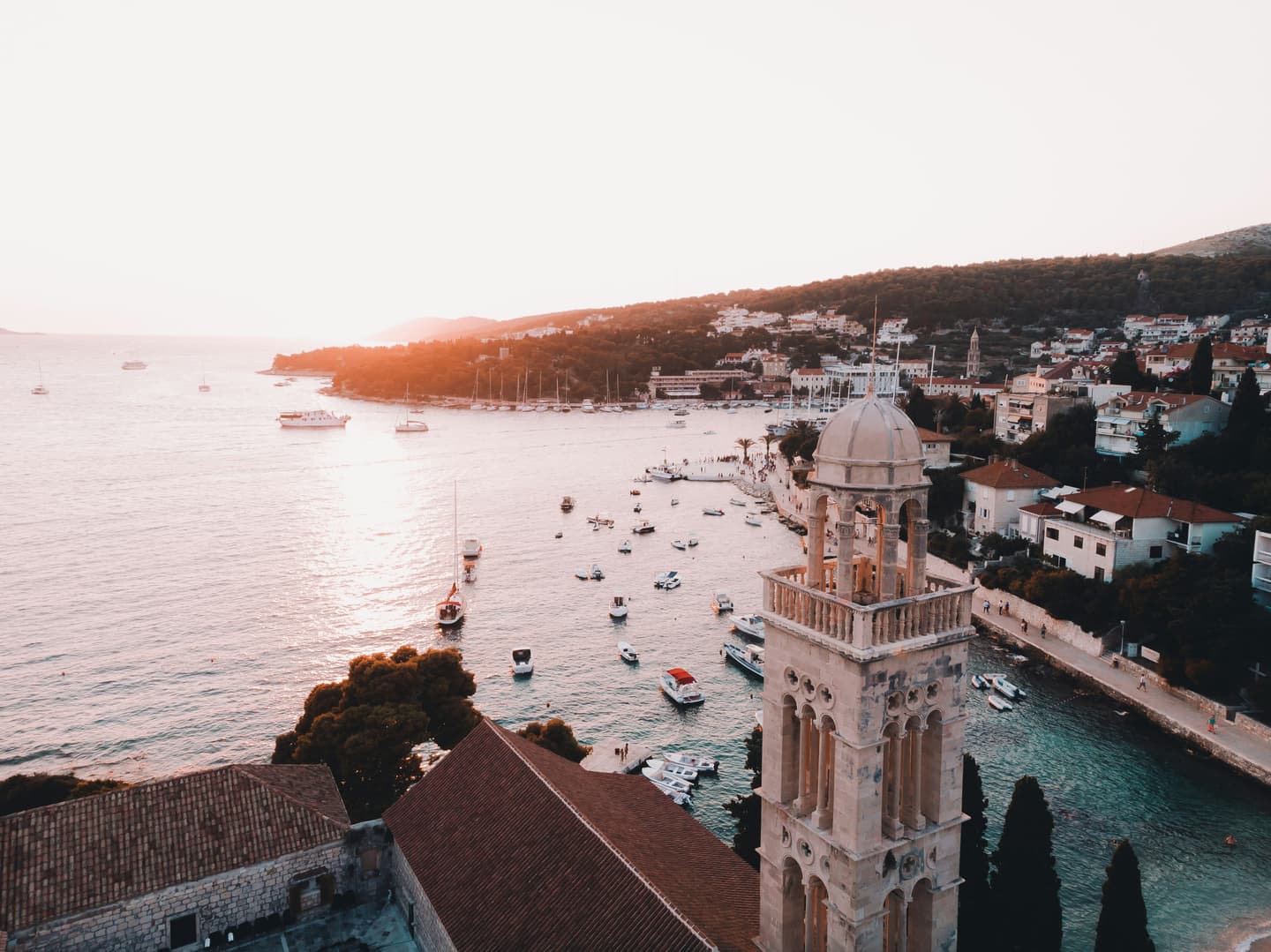
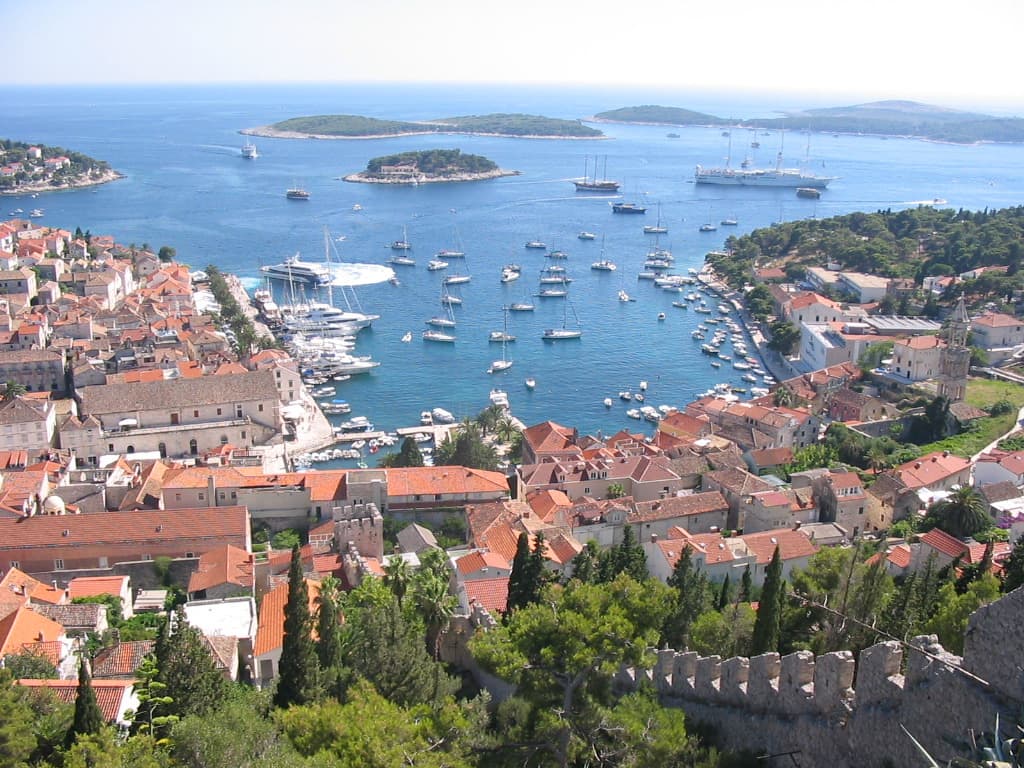
Hvar is Croatia's most celebrated island, stretching along the central Dalmatian coast with over 2,700 hours of sunshine a year and a coastline of wildly indented coves, pebble beaches, and jewel-like satellite islets. Hvar Town, its cosmopolitan heart, blends Venetian architecture and marble-paved squares with upscale restaurants, world-class beach clubs, and a harbor perpetually dotted with superyachts. Beyond the glitz, the island rewards slower exploration: fragrant lavender fields and abandoned hillside villages in the interior, the ancient streets of Stari Grad, and easy ferry hops to the Pakleni Islands. It has become one of Croatia's priciest destinations, but shoulder-season visits in May, June, or September offer the best balance of warmth, beauty, and value.
More cities for these months: Where to go in May · Where to go in June · Where to go in September · Where to go in October
Insider tips · Wanderlust Pro
Practical tips on the sights and neighbourhoods in this Hvarguide — when to go, what most visitors miss. Written with AI about the guide's own places; double-check details before you go. Pro members see every tip.
The quick answers travelers want before they commit to flights, neighborhoods, and how long to stay.
The closest gateway is Split Airport (SPU), roughly 30 minutes by road from Split's ferry port. From the airport, the Jadrolinija/Promet airport bus runs to Split Bus Station — directly opposite the ferry terminal — in about 30 minutes for €8; a taxi costs €35–45. From Split port, high-speed catamarans operated by Krilo Fast Ferries, TP Line, and Jadrolinija reach Hvar Town in as little as 55 minutes, with up to 19–20 daily sailings in peak summer. Foot-passenger tickets range from €6 to €25 one-way; book in advance during July and August. If you're travelling with a car, Jadrolinija runs a car ferry from Split to Stari Grad (2 hours, ~€40 for a standard vehicle plus passenger fees) — the only car-ferry port on the island's western half. A catamaran also connects Dubrovnik to Hvar Town (~3 hours, seasonal).
Hvar Town itself is compact and walkable — the Old Town, harbor, and Spanish Fortress are all reachable on foot. Local buses connect Hvar Town to Stari Grad and Jelsa for those without a car. Renting a car or scooter unlocks the island's quieter coves, lavender-filled interior, and hillside villages; rental agencies operate in Hvar Town and at Stari Grad port. For the Pakleni Islands, water taxis run throughout the day from Hvar Town harbor. Tickets for water taxis and local ferries are typically paid on the spot.
Hvar earns its crown as the sunniest island in Croatia with around 2,700–2,800 hours of sunshine annually. July and August are the undisputed peak: sea temperatures average 25°C (77°F), air temperatures hit 30°C+ (86°F+), and hotel prices soar — a double room in Hvar Town can reach €300 per night. Crowds are significant, with up to 20,000 visitors arriving daily in peak season. June and September are the sweet spot: sea temperatures remain above 22°C, the air is warm but not oppressive, and prices and visitor numbers drop meaningfully. May and October suit hikers, cyclists, and culture-lovers who want the lavender fields and Roman streets of Stari Grad largely to themselves. Winters are quiet — almost eerily so on the coast — but ideal for a peaceful, budget-friendly island retreat.
Arrive by catamaran from Split. Check in and stroll the marble-paved Pjaca (St. Stephen's Square), visiting St. Stephen's Cathedral and the 16th-century Arsenal. Grab a coffee on the waterfront Riva.
Hike the 20-minute path up to the Spanish Fortress (Fortica) for panoramic views over the Old Town, harbor, and Pakleni Islands. Explore the winding lanes of the Groda district on the way back down.
Dinner at one of Hvar Town's acclaimed seafood restaurants — try grilled scampi or the local specialty Gregada (white fish with potatoes). End with a nightcap at a harbor-side bar; the town's legendary nightlife is on your doorstep.
Take a water taxi from the harbor to the Pakleni Islands — a cluster of pine-forested islets with translucent coves. Swim and snorkel at a secluded bay; Palmižana and Marinkovac are popular stops.
Return to Hvar Town for lunch, then walk or taxi south to Dubovica Beach — a stunning pebble cove backed by an old stone cottage, about 7 km from town.
Visit the Franciscan Monastery and its small museum of Renaissance paintings and ancient maps. End the day with a sunset cocktail overlooking the harbor.
Take the local bus or rent a car to Stari Grad, founded by Greek colonists in 384 BC and one of the oldest continuously inhabited towns in Europe. Wander cobblestone lanes and visit Tvrdalj Castle, the Renaissance summer residence of poet Petar Hektorović.
Drive into the island's interior to see the lavender fields (best in late May–June) and ancient dry-stone walled agricultural plots — a UNESCO-protected cultural landscape. Stop at a local winery or olive oil producer in Jelsa for a tasting.
Return to Hvar Town for a farewell dinner in a vine-draped alleyway restaurant before catching the evening catamaran back to Split.
Real coworking spaces, laptop-friendly cafés, and libraries mapped near the center of the city — the closest, best-rated desks first.
Caffe bar Ferma
Jelsa 358, 21465 Jelsa, Croatia
Caffe bar Pjaca
Trg hrvatskog narodnog preporoda 16, 21465 Jelsa, Croatia
Cafe Splendid
Trg Hrvatskog narodnog preporoda 18, 21465 Jelsa, Croatia
Fortuna
Vrboska 355, 21465 Vrboska, Croatia
Općinska Knjižnica i Čitaonica Jelsa
Trg Tome Gamulina 408, 21465 Jelsa, Croatia
Book Exchage
Vrboska 423, 21463 Vrboska, Croatia
Ask for cafés, quiet neighborhoods, date-night spots, or a first 48-hour plan.
Mention calls, Wi-Fi needs, or how much of the day has to stay laptop-friendly.
Get faster answers on where to stay, when to move neighborhoods, and what to skip.
Written by signed-in Wanderlust members. We don't check that a reviewer has visited.
No reviews of Hvar yet.
Tell the planner your dates, who's coming, your budget and pace, and it drafts a day-by-day itinerary you can edit.
Wanderlust Pro
Insider tips for Hvar, unlimited AI-built itineraries, and travel companions you can invite to plan a trip together. From $5.00/month, billed annually.
Insider tips · Wanderlust Pro
Practical tips on the sights and neighbourhoods in this Hvarguide — when to go, what most visitors miss. Written with AI about the guide's own places; double-check details before you go. Pro members see every tip.