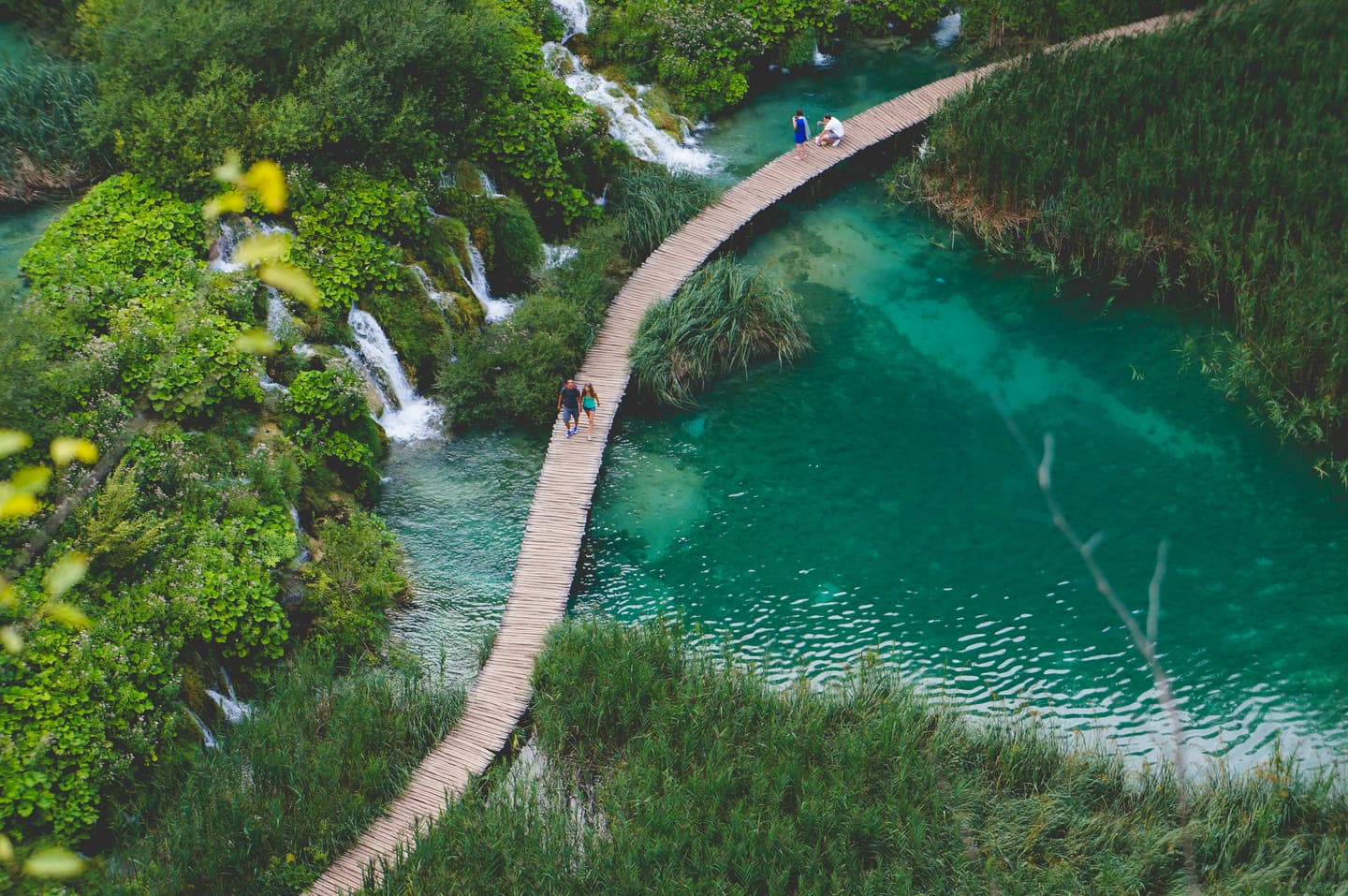
 City postcard
Dubrovnik
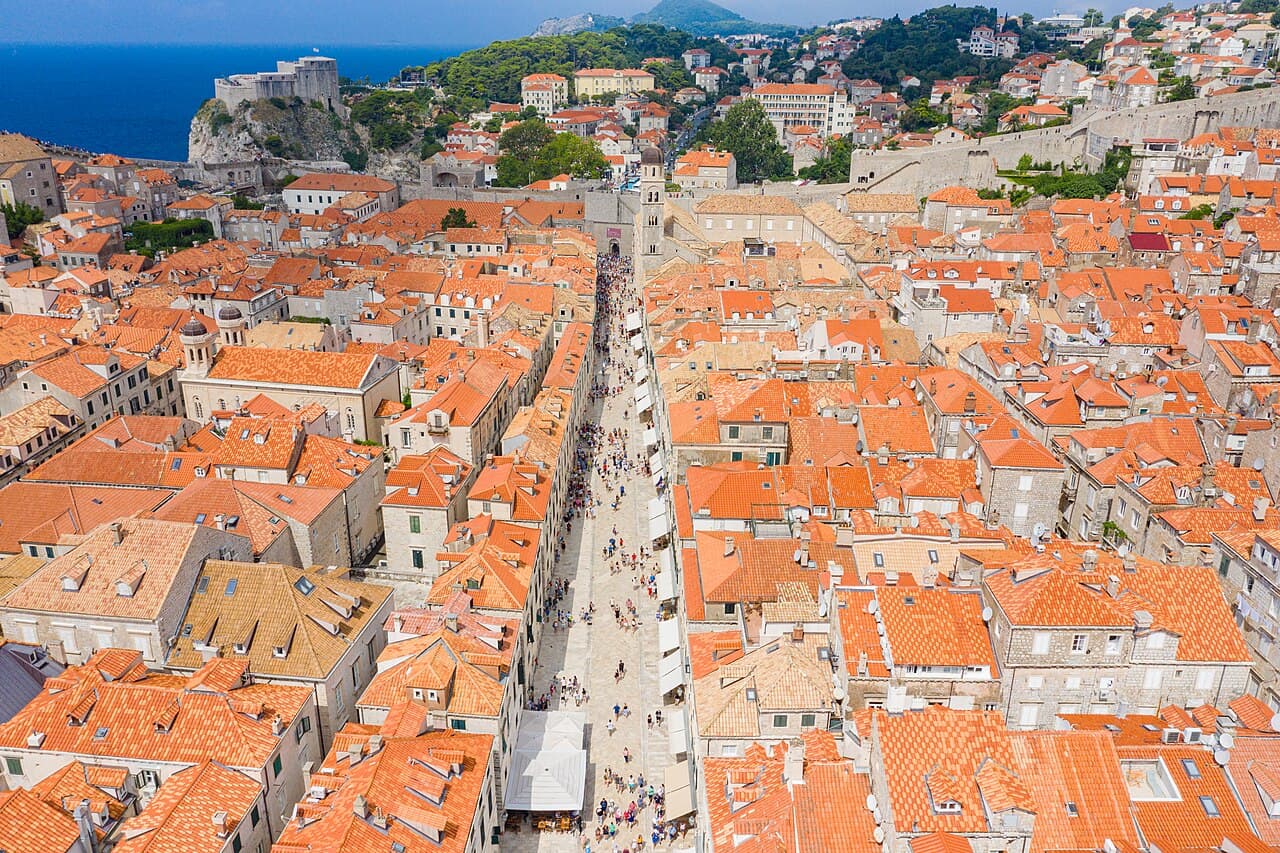
Croatia's "Pearl of the Adriatic" — a UNESCO-listed medieval walled city perched above a shimmering Adriatic Sea.
Croatia's "Pearl of the Adriatic" — a UNESCO-listed medieval walled city perched above a shimmering Adriatic Sea.
Dubrovnik is Croatia's most iconic coastal city, combining a fantastically preserved medieval Old Town enclosed by 24-metre-high walls with dazzling Adriatic views. Famous as a filming location for Game of Thrones and a magnet for cruise passengers, it battles overtourism in peak summer yet rewards shoulder-season visitors with quiet limestone streets and reasonable prices. Beyond the walls, relaxed neighbourhoods like Lapad and Gruž offer a more local pace, and nearby islands, wineries, and day trips to Montenegro and Bosnia round out the experience.
City postcardCroatia's "Pearl of the Adriatic" — a UNESCO-listed medieval walled city perched above a shimmering Adriatic Sea.
 Top sight
A signature stop locals and returning travelers point to in Dubrovnik.
 Top sight
A signature stop locals and returning travelers point to in Dubrovnik.
 Top sight
A signature stop locals and returning travelers point to in Dubrovnik.
A signature stop locals and returning travelers point to in Dubrovnik.
A signature stop locals and returning travelers point to in Dubrovnik.
A signature stop locals and returning travelers point to in Dubrovnik.
A signature stop locals and returning travelers point to in Dubrovnik.
Photo: Américo Toledano · CC BY-SA 4.0
A signature stop locals and returning travelers point to in Dubrovnik.
A signature stop locals and returning travelers point to in Dubrovnik.
A pocket of Dubrovnik with its own temperament — worth a deliberate detour when you're in the area.
A pocket of Dubrovnik with its own temperament — worth a deliberate detour when you're in the area.
A pocket of Dubrovnik with its own temperament — worth a deliberate detour when you're in the area.
A pocket of Dubrovnik with its own temperament — worth a deliberate detour when you're in the area.
Wanderlust Pro
Pro members see insider tips for Dubrovnik: a short list of restaurants, cafés and sights, picked by AI as local suggestions to double-check before you go.
The quick answers travelers want before they commit to flights, neighborhoods, and how long to stay.
Dubrovnik Airport (DBV) sits roughly 20 km south-east of the city centre. The most popular transfer is the Platanus airport shuttle bus: one-way tickets cost €10 and open-return tickets cost €15 (valid 15 days); the ride takes 30–40 minutes and stops at the Old Town (Ploče Gate area) and the main bus station in Gruž. The cheapest option is Libertas public bus lines 11 or 27 (a single ticket is around €2), though these run only 3–4 times a day and have limited luggage space. Taxis and pre-booked private transfers cost €40–50 to the city centre and take 20–30 minutes; Uber is also available and is often slightly cheaper than metered taxis. Intercity coaches connect Dubrovnik with Split, Zagreb, and international destinations from the Gruž bus terminal, while ferries serve the Elaphiti Islands and seasonal routes up the Dalmatian coast.
Dubrovnik's Old Town is pedestrian-only, so all sightseeing within the walls is done on foot. Libertas city buses form the backbone of wider city transport, connecting Lapad, Babin Kuk, and Gruž with the Pile Gate entrance to the Old Town; single tickets are purchased on board or at kiosks. If you ride more than twice a day, a day or 3-day pass is better value than buying single fares. Taxis, Uber, and pre-booked private cars are readily available for trips outside the city. Ferries from Gruž port serve Lokrum Island and the Elaphiti Islands year-round (Line 807 to Koločep, Lopud, and Šipan), with frequency increasing in summer. The Dubrovnik Card / Dubrovnik Pass bundles City Walls entry with bus rides and museum admission, making it worthwhile for multi-day visitors.
The sweet spots are May–early June and September–mid-October. Spring brings mild temperatures (averaging around 18–23 °C), blooming scenery, and quiet mornings in the Old Town before the cruise-ship crowds descend. All hotels, restaurants, and attractions are open by May, and the sea — though still fresh for swimming — is perfect for hiking the City Walls and day-tripping to Lokrum without the fierce summer heat. September is many travellers' favourite month: classical festivals are still in full swing at the start of the month, the Adriatic is warm enough for comfortable swimming, and by mid-month the city exhales. October has become the new September, still offering beach swims at midday, great hiking and kayaking conditions, and meaningfully lower accommodation prices. Peak summer (July–August) delivers scorching heat, packed streets, nightly festivals, and premium prices — ideal for beach-lovers who don't mind the buzz but tough for those seeking peaceful sightseeing. Winter (December–February) is quiet and budget-friendly, with festive Christmas markets and free guided walking tours offered every Saturday morning, though expect frequent rain and reduced ferry services.
Start early (gates open at 8 am) to walk the nearly 2-km City Walls before cruise crowds arrive. The circuit takes 1.5–2 hours and offers sweeping views over terracotta rooftops and the Adriatic.
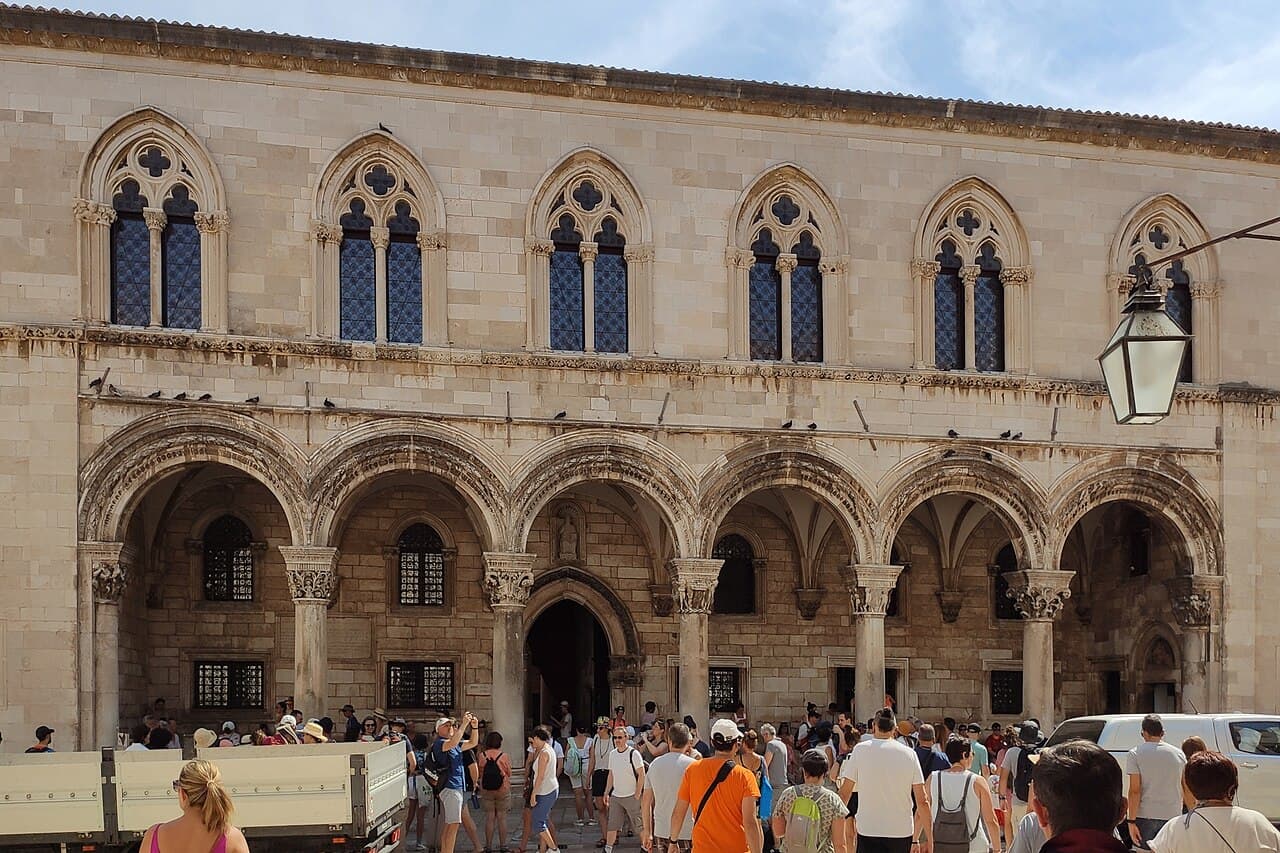
Stroll the Stradun limestone promenade, visit the Rector's Palace, and explore the Franciscan Monastery and its 14th-century pharmacy. Stop at Onofrio's Fountain to refill your water bottle.
Dine at a konoba in the Old Town for fresh Dalmatian seafood, then enjoy a sunset drink at a clifftop bar overlooking the sea walls.
Take the short ferry from the Old Port to Lokrum Island. Wander botanical gardens, spot peacocks, and swim in the saltwater lake known as the 'Dead Sea'.
Return to the city and ride the Dubrovnik Cable Car up to Mount Srđ for panoramic views of the Old Town, islands, and — on clear days — Montenegro. Visit the small Homeland War Museum at the summit.
Cross to Fort Lovrijenac (Dubrovnik's Gibraltar) for the view at golden hour, then head to the Gruž harbour district for a more local dinner away from the tourist centre.
Take a ferry or bus to the Elaphiti Islands (Lopud or Šipan) for a car-free morning of swimming and coastal walking, or join a half-day kayaking tour around the city walls.
Back in Dubrovnik, explore the Lapad peninsula: walk the seaside promenade, relax on one of its pebble beaches, and browse local shops at a fraction of Old Town prices.
Catch a performance at the Dubrovnik Summer Festival (June–August) or a classical concert at one of the city's historic venues, then farewell drinks on the Stradun.
Real coworking spaces, laptop-friendly cafés, and libraries mapped near the center of the city — the closest, best-rated desks first.
No coworking-ready spots surfaced for this city yet.
Pick a different category or check back once we’ve indexed more desks for this city.
Ask for cafés, quiet neighborhoods, date-night spots, or a first 48-hour plan.
Mention calls, Wi-Fi needs, or how much of the day has to stay laptop-friendly.
Get faster answers on where to stay, when to move neighborhoods, and what to skip.
Neighborhood explainers, cost breakdowns, and field notes if you want more than the quick brief.
Block off the weeks you're free. Wanderlust turns this dossier — flights, lodging, neighborhoods, timing — into a single draft itinerary in about ninety seconds.
Wanderlust Pro
Insider tips for Dubrovnik, unlimited AI-built itineraries, and travel companions you can invite to plan a trip together. From $5.00/month, billed annually.
Wanderlust Pro
Pro members see insider tips for Dubrovnik: a short list of restaurants, cafés and sights, picked by AI as local suggestions to double-check before you go.
