Top sight
Top sight
China's remote Silk Road capital where Tianshan peaks, Uyghur bazaars, and steppe grasslands converge.
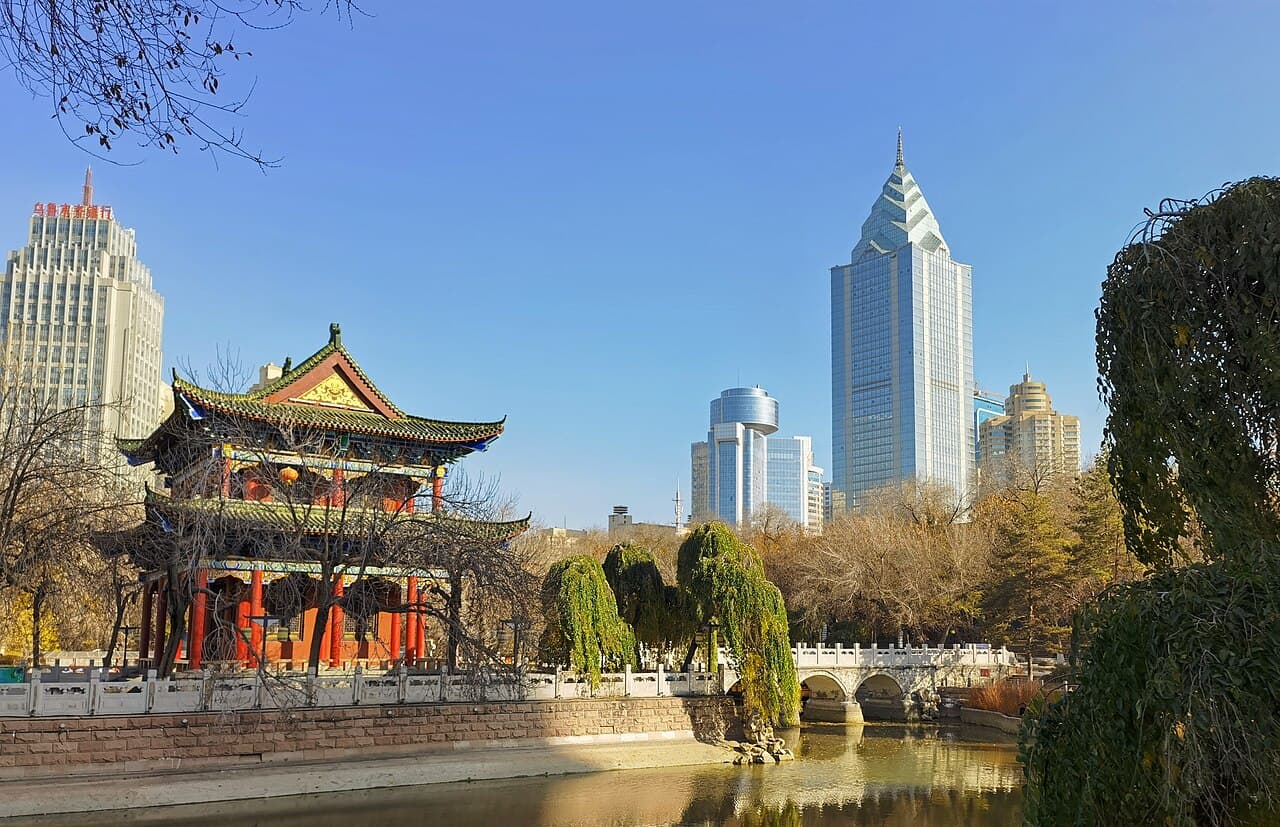
Ürümqi is the capital of Xinjiang Uyghur Autonomous Region and the world's most landlocked major city, sitting 2,500 km from the nearest sea. Ringed by the snow-capped Tianshan mountains and bordering the Junggar Basin, it blends Han, Uyghur, Kazakh, and dozens of other ethnic cultures into a vibrant, cumin-scented metropolis. It serves as the essential gateway for exploring all of Xinjiang — from the alpine Heavenly Lake to the sweeping Nanshan Pastures — and is famed for its extraordinary sweet fruits, Silk Road heritage, and Central Asian culinary scene.
More cities for these months: Where to go in May · Where to go in June · Where to go in July · Where to go in August · Where to go in September · Where to go in October
Insider tips · Wanderlust Pro
Practical tips on the sights and neighbourhoods in this Urumqiguide — when to go, what most visitors miss. Written with AI about the guide's own places; double-check details before you go. Pro members see every tip.
The quick answers travelers want before they commit to flights, neighborhoods, and how long to stay.
Ürümqi Tianshan International Airport (URC) is the main gateway, located about 16 km northwest of the city center. Terminals T1–T3 have been closed for upgrades since April 2025, with all flights now operating from the new Terminal 4. Metro Line 1 runs directly from the International Airport Station underneath T4 into the city, with a free airport transit link connecting T4 to the metro hall. Taxis from the airport reach downtown in roughly 35 minutes — always insist the driver use the meter. Airport shuttle buses also connect to major city hotels. By air, direct domestic flights serve Beijing (4 hrs), Shanghai (5 hrs), Xi'an (4 hrs), Chengdu (4 hrs), and Guangzhou (5 hrs), among virtually all major Chinese cities. International routes serve Central Asian capitals including Almaty, Astana, Tashkent, and Bishkek, as well as Istanbul, Dubai, and Moscow. By rail, the Lanzhou–Ürümqi high-speed rail links Ürümqi to the national network; Ürümqi is also connected by conventional rail to Xi'an, Shanghai, Beijing, Chengdu, Zhengzhou, and Lanzhou.
Ürümqi has the most developed public transport network in Xinjiang. Metro Line 1 provides fast, efficient coverage across key city districts. An extensive city bus network covers most neighborhoods, with fares as low as ¥1; payment can be made with cash or a local transit card. Taxis are widely available on the street or via ride-hailing apps — always ensure the meter is running. For day trips to Nanshan Pasture, cheap buses (¥8–25) depart throughout the day from the bus station south of People's Park. Heavenly Lake (Tianchi) is about a 1-hour drive from the city; a tourist shuttle from the ticket office takes roughly 40 minutes up the mountain. Note that Ürümqi officially follows Beijing time (UTC+8), but local life often runs on informal Xinjiang time, approximately 2 hours behind — so business hours often start at 10:00 or later.
Ürümqi's continental climate delivers dramatic seasonal swings, making timing your visit essential. The broad sweet spot runs May through October, when wildflowers carpet the Tianshan foothills, grasslands are lush, and the region's legendary fruits — Hami melons, grapes, apricots — are at peak sweetness. Summer (July–August) is the peak season: temperatures average 16–28°C, the air is dry and never sticky (a pleasant contrast to humid eastern China), and outdoor mountain attractions are fully open. Autumn, especially September, is widely considered the single best month — temperatures ease to 11–22°C, fruit harvests are in full swing, and crowds thin slightly after the National Holiday rush of early October. Spring (April–May) is pleasant but can bring occasional snow and chilly nights. Winter (November–April) is brutal, with average lows around -15°C; most outdoor scenic areas close, though the Shuixigou Ski Field draws winter sports fans. Pack layers regardless of season — the day-to-night temperature swing often exceeds 10°C, and UV levels are intense.
Start at the Xinjiang Regional Museum (free admission, open from 10:00), home to over 50,000 artifacts including the famous ancient mummies and Silk Road textile collections. Allow 2–3 hours.
Head to the Xinjiang International Grand Bazaar — Urumqi's iconic Uyghur-style market hub — to browse handcrafted souvenirs, spice pyramids, dried fruits, and musical instruments. Sample lamb skewers and freshly baked naan at a stall.
Explore Erdaoqiao Market nearby for local street food, then ascend Red Hill Park (Hongshan Park) for panoramic sunset views over the city skyline and Bogda Peak in the distance.
Depart early for Tianshan Tianchi (Heavenly Lake), approximately 1 hour by road from the city. From the ticket office, board the 40-minute shuttle bus up the mountain. The lake sits at 1,980 m elevation, framed by snow-capped peaks.
Take a scenic cruise on the turquoise lake, hike the shoreline trails, or ride the cable car up to Mount Maya for sweeping views of Bogda Peak. Kazakh families operate yurts near the shore offering milk tea and traditional snacks.
Return to Urumqi and dine on Xinjiang-style big-plate chicken (da pan ji) or hand-pulled noodles at a local restaurant in the Tianshan District.
Take a cheap bus (¥8–25) from the station south of People's Park south to the Nanshan Pasture (Baishuigou area). In summer, valleys are dotted with Kazakh yurts offering stays for ¥50–100/night including meals.
Go horseback riding through alpine meadows with Kazakh guides, hike to viewpoints above the treeline, or simply relax in the cool mountain air — a welcome contrast to the city heat. Visit Juhua Tai (Chrysanthemum Terrace) if time allows.
Return to Urumqi city for a final stroll through People's Park and a last feast of Uyghur cuisine before departure.
Real coworking spaces, laptop-friendly cafés, and libraries mapped near the center of the city — the closest, best-rated desks first.
No coworking-ready spots surfaced for this city yet.
Pick a different category or check back once we’ve indexed more desks for this city.
Ask for cafés, quiet neighborhoods, date-night spots, or a first 48-hour plan.
Mention calls, Wi-Fi needs, or how much of the day has to stay laptop-friendly.
Get faster answers on where to stay, when to move neighborhoods, and what to skip.
Written by signed-in Wanderlust members. We don't check that a reviewer has visited.
No reviews of Urumqi yet.
Tell the planner your dates, who's coming, your budget and pace, and it drafts a day-by-day itinerary you can edit.
Wanderlust Pro
Insider tips for Urumqi, unlimited AI-built itineraries, and travel companions you can invite to plan a trip together. From $5.00/month, billed annually.
Insider tips · Wanderlust Pro
Practical tips on the sights and neighbourhoods in this Urumqiguide — when to go, what most visitors miss. Written with AI about the guide's own places; double-check details before you go. Pro members see every tip.