City guide · Updated June 2026
AsiaChina36.7° · 119.1°
Weifang,China.
China's Kite Capital — where ancient folk arts, classical gardens, and high-speed rail meet on the Shandong plain.
Weifang · CN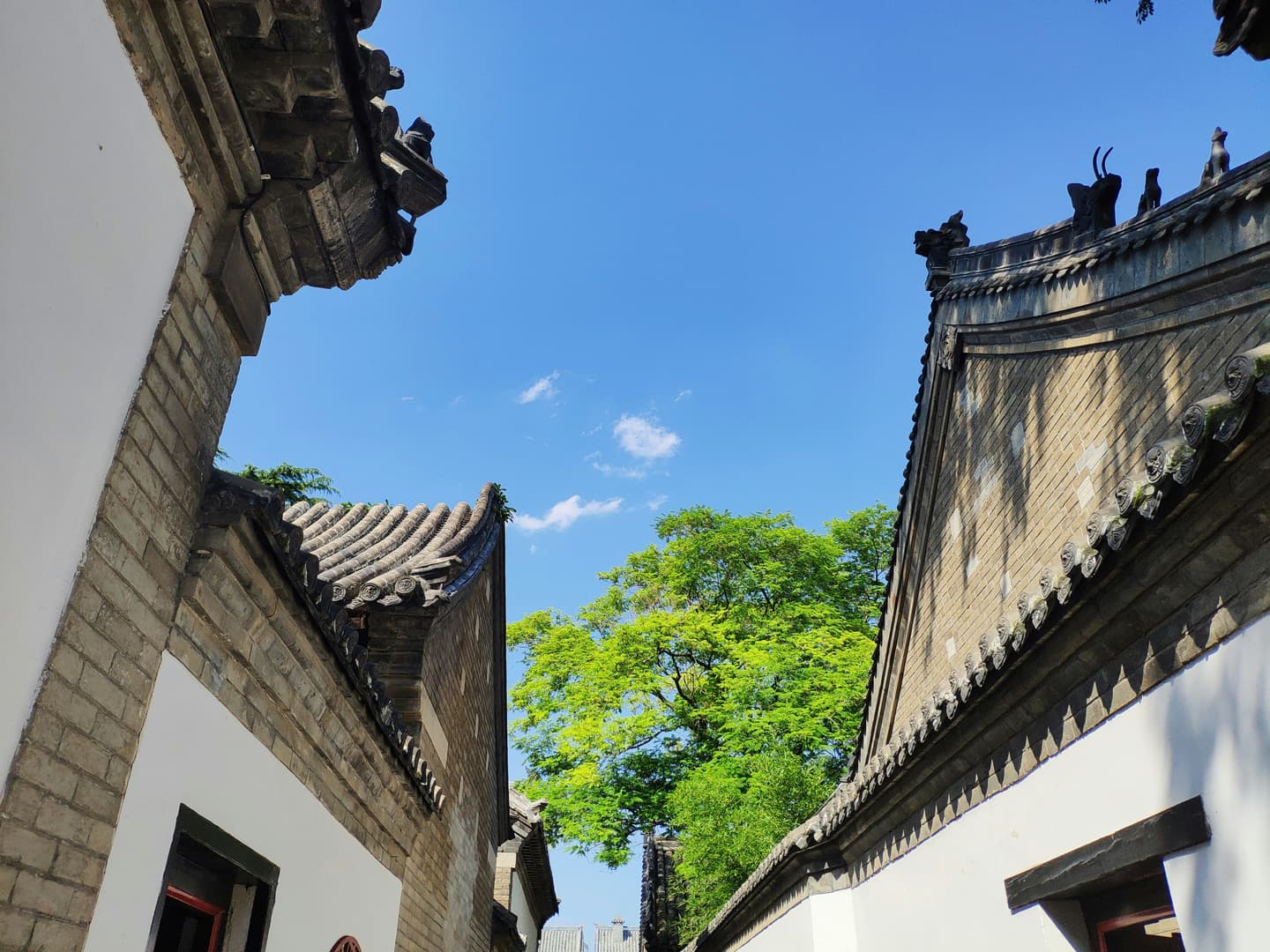
WeifangChina
★
Weifang Nanyuan Airport (WEF)NEAREST AIRPORT
Population
1,421,709
Total residents
Global rank
#483
Wanderlust index
Best time
Spring (April–May) for the…
Peak window
Time zone
Asia/Shanghai
Local time
Currency
Chinese Yuan (CNY)
Money in use
Language
Mandarin Chinese
Spoken locally
01 · Overview
About Weifang
China's Kite Capital — where ancient folk arts, classical gardens, and high-speed rail meet on the Shandong plain.
Weifang is a prefecture-level city in central Shandong Province, famed worldwide as the "Kite Capital of the World" and host of the annual International Kite Festival every April. Sitting roughly halfway between Jinan and Qingdao, it blends a 7,000-year human history with a modern cityscape, offering classical gardens, Yangjiabu folk-art villages, and the country's only first-class county-level museum in nearby Qingzhou. Travelers find it a refreshingly unhurried window into authentic Shandong culture without the crowds of China's mega-cities.
02 · Wanderlust scorecard
How Weifang scores
Ratings run 0 to 5 unless marked. They come from our AI-assisted research and are refreshed on a rolling basis.
5
/ 5
Cost of living
Affordability, 0–5. Higher means cheaper.
2.5
/ 5
Leisure
Leisure rating, 0–5.
50
Mbps
Connectivity
Median internet speed.
4
/ 5
Safety
Safety rating, 0–5. Higher is safer.
3
/ 5
Overall livability
Overall rating, 0–5.
2.5
/ 5
Air quality
Air-quality rating, 0–5. Higher is cleaner.
7
index
Index score
Wanderlust ranking, 0–10: overall, safety, internet, cost, leisure and air quality, weighted.
03 · Weather & when to go
Best time to visit Weifang
Current weather and the forecast, and the months our research rates best for a visit.
Month by month
Best months Either side Other months
Jan
Feb
Mar
Apr
May
Jun
Jul
Aug
Sep
Oct
Nov
Dec
Sweet spot: Spring (April–May) for the International Kite Festival and mild weather; autumn (September–October) for comfortable temperatures and fewer crowds..
More cities for these months: Where to go in April · Where to go in May · Where to go in September · Where to go in October
04 · Things to do
Things to do in Weifang
Top sights from our AI-assisted research, and other places we have photos of.
Top sight
Top sight
Yangjiabu Folk Culture Village
Top sight
Top sight
Shihu Garden Museum
Top sight
Top sight
Qingzhou Ancient City
Top sight
Top sight
Qingzhou Museum
Top sight
Top sight
Yunmen Mountain Scenic Area
Top sight
Top sight
Fuhua Amusement Park
Top sight
Top sight
Bailang River Wetland Park
05 · Monthly cost of living
Cost of living in Weifang
Estimated monthly totals in USD from our AI-assisted research, one per profile. Treat them as a starting point for a budget, not a quote.
$700
estimated monthly spend · USDProfileExpat
Price references — vs. profile benchmarks
Nomadmonthly spend · USD
$900
+29%
Expatmonthly spend · USD
$700
baseline
Familymonthly spend · USD
$1,808.4
+158%
Localmonthly spend · USD
$403.9
-42%
Median fiber speeddownload · Mbps
50
Mbps
06 · Neighborhoods
Where to stay in Weifang
Neighborhoods our AI-assisted research lists as popular with visitors.
Weicheng District
Kuiwen District
Hanting District
Fangzi District
07 · Insider tips
Sights and neighbourhoods, with a tip each.
Practical tips on places from this Weifang guide, written with AI. One is free; Pro members see the rest. Double-check details before you go.
Insider tips · Wanderlust Pro
Practical tips on the sights and neighbourhoods in this Weifangguide — when to go, what most visitors miss. Written with AI about the guide's own places; double-check details before you go. Pro members see every tip.
08 · Practical notes
Practical information for Weifang
The essentials from this guide's data, in one place.
01
Getting there
- Nearest airport — Weifang Nanyuan Airport (WEF)
02
Money
- Currency — Chinese Yuan (CNY)
- Affordability — 5/5 on the Wanderlust index (higher is cheaper)
03
Internet
- Median speed — 50 Mbps
- Internet score — 3.6/5
04
Safety
- Safety score — 4/5 from our AI-assisted research
05
Language
- Primary language — Mandarin Chinese
06
Timing
- Best window — Spring (April–May) for the International Kite Festival and mild weather; autumn (September–October) for comfortable temperatures and fewer crowds.
- Time zone — Asia/Shanghai
Questions
Frequently asked, plainly answered.
The quick answers travelers want before they commit to flights, neighborhoods, and how long to stay.
Is Weifang safe for travelers?+
Weifang has a safety rating of 4 out of 5.
What is the best time to visit Weifang?+
The best time to visit Weifang is Spring (April–May) for the International Kite Festival and mild weather; autumn (September–October) for comfortable temperatures and fewer crowds..
How expensive is Weifang?+
Weifang has an affordability score of 5 out of 5, where 5 is most affordable.
What is the internet speed in Weifang?+
Weifang has an average internet speed of 50 Mbps.
What currency does Weifang use?+
The currency used in Weifang is Chinese Yuan (CNY).
What language is spoken in Weifang?+
The primary language spoken in Weifang is Mandarin Chinese.
Researched city guide
Getting there, getting around and when to go
Written with AI-assisted web research. Where we have sources, they are listed under each part.
What works
- Home of the world-famous International Kite Festival every April
- Extremely low cost of living — food, transport, and housing well below China's average
- Rich folk-art traditions: kite-making, Yangjiabu woodblock prints, and paper-cutting workshops
- Easy high-speed rail access to Beijing (~2.5 hrs) and Qingdao (~1 hr)
- Authentic 'real China' experience without the tourist crowds of major cities
- Diverse natural scenery: wetlands, mountains, and classical gardens all within day-trip range
What to weigh
- Air quality can be poor, especially in winter — typical of northern China industrial cities
- Limited English signage and few English-speaking locals; Mandarin is essential
- No metro system; city navigation relies on buses, taxis, and DiDi
- International flight options require traveling to Qingdao or Jinan airports
- Relatively limited international dining, nightlife, and expat amenities
- Most attractions are spread across a large prefecture, requiring transport between sites
Getting in
How to arrive
Weifang has its own Nanyuan Airport (WEF) with domestic flights to major Chinese cities. For high-speed rail, Weifang sits on the main Beijing–Qingdao CRH corridor, with bullet trains connecting to Beijing in approximately 2.5 hours and to Qingdao in under an hour. Travelers wishing to fly internationally can reach Qingdao Jiaodong International Airport (TAO) by direct bus from Weifang; the journey takes about 2 hours and costs ¥70 (~$10). Intercity buses to Qingdao also stop directly at Qingdao Airport departures, making this the most convenient and affordable airport transfer option.
Getting around
Moving through the city
Within Weifang, public buses and taxis are the primary modes of transport. Ride-hailing via DiDi (Chinese equivalent of Uber) is widely available and affordable. Transportation costs are below the Chinese average, making daily commuting very cheap. For exploring outlying areas like Qingzhou or Yangjiabu, local buses or hired taxis are practical. Weifang does not have a metro system, so taxis and ride-hailing apps are recommended for convenience, especially for non-Mandarin speakers. Maps.me or Baidu Maps work well for navigation.
When to go
Timing your trip
Spring (April to May) is the undisputed peak season — the Weifang International Kite Festival, held on the third Saturday of April each year, draws visitors from across the globe and fills the skies with thousands of colorful kites. Temperatures are mild and winds are ideal for kite flying. Autumn (September to October) is equally pleasant, with comfortable temperatures, lower humidity, and thinner crowds. Summer (June–August) brings monsoon rains and heat, while winter is cold with occasional snowfall — fine for budget travelers but less enjoyable for sightseeing. Avoid the Golden Week national holidays in early May and October if you dislike crowds at popular sites.
Plan your trip
3 days in Weifang: a sample itinerary
A ready-made starting point. Make it your own — clone it into an editable journey and reshape every stop.
Day 01
Day 1 – Kites, Gardens & City Culture
Morning
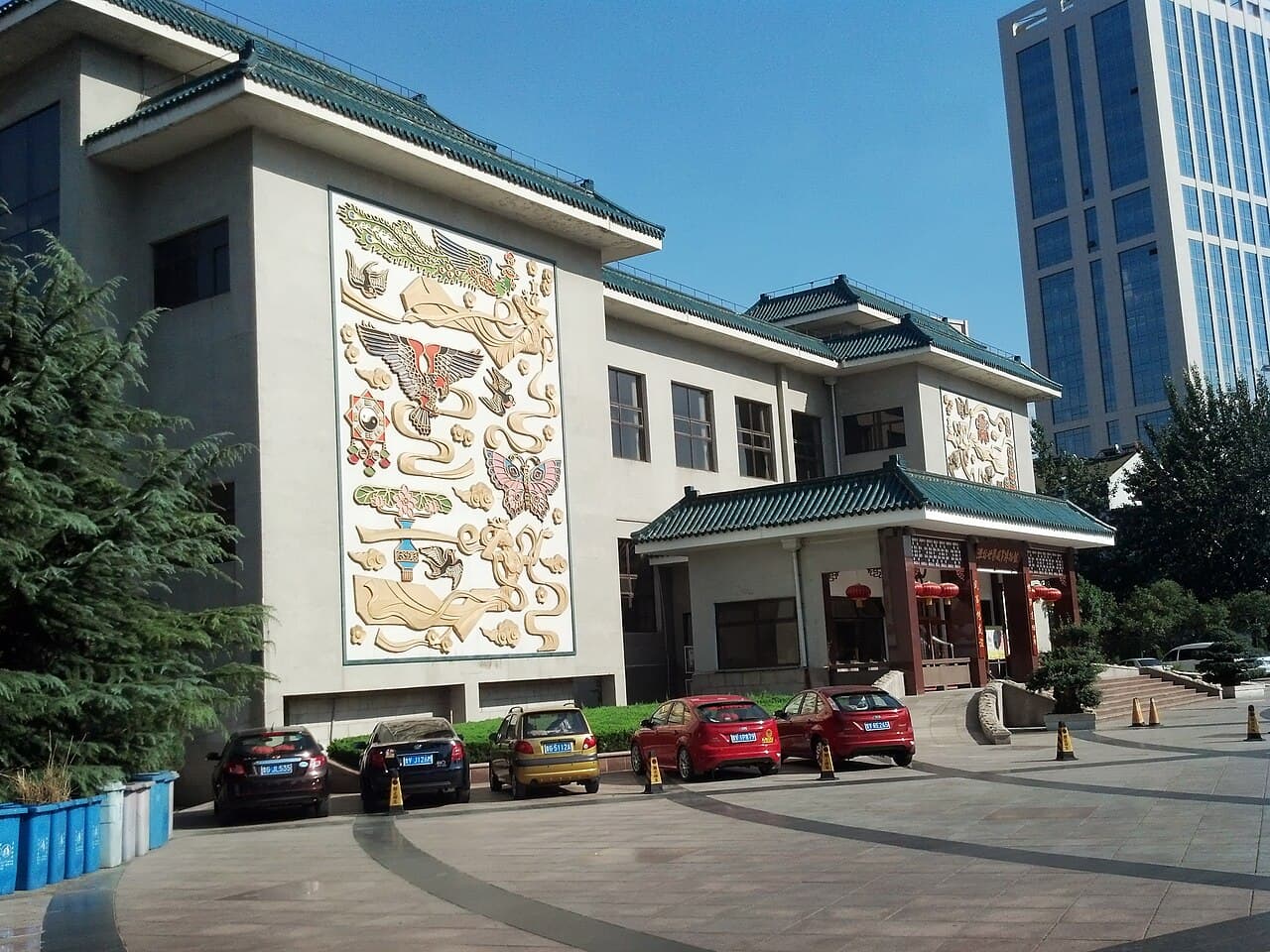
Start at the Weifang World Kite Museum in Weicheng District to dive into the city's signature craft — explore traditional and modern kite designs, and try the interactive kite-flying exhibit.
Afternoon
Walk to the nearby Shihu Garden Museum, a classical Chinese garden with pavilions, ponds, and rockeries offering a serene contrast to the busy city streets.
Evening
Explore local Shandong street food at a night market — try jianbing (savory crepes) and roujiamo (Chinese burgers), both available for ¥10–¥20.
Day 02
Day 2 – Yangjiabu Folk Arts & Hanting Culture
Morning
Head to Yangjiabu Folk Culture Village in Hanting District to see traditional New Year woodblock print workshops — book a hands-on printing session to make your own souvenir.
Afternoon
Visit Fuhua Amusement Park for family-friendly fun, or explore the Bailang River Wetland Park for birdwatching and a peaceful stroll along Weifang's scenic waterway.
Evening
Return to the city center for dinner, sampling Rou Huo Shao (a local meat-stuffed pastry) and other hearty Shandong specialties.
Day 03
Day 3 – Qingzhou Day Trip
Morning
Take a local bus or taxi to Qingzhou (approx. 45 min), and explore Qingzhou Ancient City — wander its stone lanes, lantern alleys, and sandstone walls at a leisurely pace.
Afternoon
Visit Qingzhou Museum, the only first-class museum in a county-level city in China, housing rare Buddhist statues from Longxing Temple and a Ming Dynasty examination paper.
Evening
Hike or take the cable car up Yunmen Mountain Scenic Area for panoramic views over Qingzhou before heading back to Weifang for the night.
Work-ready layer
Coworking spots and laptop-friendly anchors.
Real coworking spaces, laptop-friendly cafés, and libraries mapped near the center of the city — the closest, best-rated desks first.
Spots surfaced0
Categories—
Mapped0
No coworking-ready spots surfaced for this city yet.
Map pending
No mapped workspace points yet.
Pick a different category or check back once we’ve indexed more desks for this city.
Concierge
Ask the Weifang concierge.
Share your travel style, must-see spots, or work schedule and the concierge will help turn this guide into something personal.
Personal trip brief
Tell it what kind of trip you're trying to have, and it will tighten the plan.
01
Travel style
Ask for cafés, quiet neighborhoods, date-night spots, or a first 48-hour plan.
02
Work constraints
Mention calls, Wi-Fi needs, or how much of the day has to stay laptop-friendly.
03
Real tradeoffs
Get faster answers on where to stay, when to move neighborhoods, and what to skip.
Traveler reviews
Reviews of Weifang
Written by signed-in Wanderlust members. We don't check that a reviewer has visited.
No reviews of Weifang yet.
Plan a trip to Weifang.
Tell the planner your dates, who's coming, your budget and pace, and it drafts a day-by-day itinerary you can edit.
Wanderlust Pro
Insider tips for Weifang, unlimited AI-built itineraries, and travel companions you can invite to plan a trip together. From $5.00/month, billed annually.