Top sight
Top sight
Where karst peaks meet river mist — China's most painterly landscape, live it on two wheels.
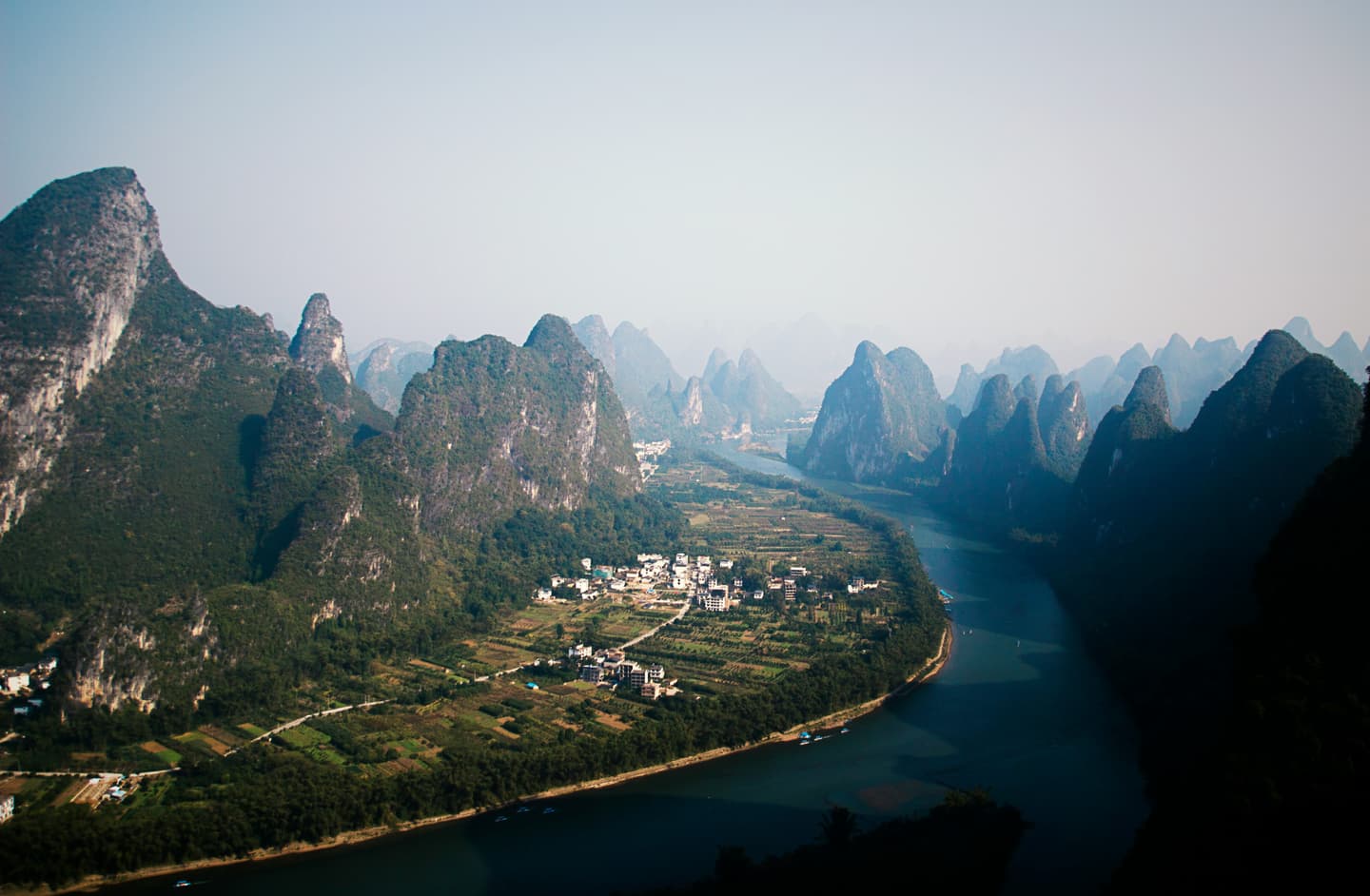
Yangshuo is a storied county town in Guangxi, framed by the dramatic limestone karst towers that inspired centuries of Chinese ink painting and grace the 20 RMB note. Once a backpacker hideout, it has grown into one of China's top destinations while retaining its outdoor soul — rewarding cyclists, rock climbers, and bamboo-raft drifters in equal measure. The Li River and its quieter sister, the Yulong, weave through rice paddies and ancient villages, offering scenery that feels almost unreal. China's expanded visa-free entry policies are making the region more accessible than ever to international visitors.
More cities for these months: Where to go in March · Where to go in April · Where to go in May · Where to go in September · Where to go in October · Where to go in November
Insider tips · Wanderlust Pro
Practical tips on the sights and neighbourhoods in this Yangshuoguide — when to go, what most visitors miss. Written with AI about the guide's own places; double-check details before you go. Pro members see every tip.
The quick answers travelers want before they commit to flights, neighborhoods, and how long to stay.
There is no airport in Yangshuo. The nearest hub is Guilin Liangjiang International Airport (KWL), approximately 85 km away. The easiest direct option is the airport shuttle bus (Long-distance Line 2), which runs roughly every 2 hours from about 10:00 to 18:00, costs ¥50 (~$7), and takes about 90 minutes, dropping you at Yangshuo Bus Station near West Street. Taxis from the airport to Yangshuo cost ¥330–350 (~$45–50) and take about 1.5 hours; a DiDi booked via WeChat or Alipay is slightly cheaper. Alternatively, high-speed trains connect Guangzhou South and Shenzhen North directly to Yangshuo Railway Station (30 minutes from Guilin; note the station is near Xingping, about 33 km from town — take the ¥20 shuttle bus or a taxi/DiDi for the final leg). The classic Li River cruise from Guilin to Yangshuo takes 4–5 hours and is the most scenic arrival option; boats depart mornings from Zhujiang Pier.
Yangshuo town itself is compact and walkable. For the countryside, electric bikes (e-bikes) are the top recommendation — rentals cost around ¥30–80/day (~$4–11) from shops near West Street, require no licence, and handle the hilly karst terrain far better than standard bicycles. Traditional bicycle rental from guesthouses runs ¥15–70/day. Electric scooters are also widely available at ¥80–120/day (~$11–17). In town, DiDi (China's Uber equivalent, bookable via WeChat or Alipay) is the most convenient and transparent ride-hailing option, with short cross-town rides around ¥10 and trips to Xingping running ¥70–100. Electric minibuses operate within town for ¥1/ride. Regular taxis are available but often don't use meters — negotiate upfront or use DiDi. Note that dockless bike-sharing apps common in larger Chinese cities are not well-developed in Yangshuo's rural tourist areas.
Yangshuo rewards visitors year-round, but timing matters. Spring (March–May) is widely considered the best season: temperatures hover around a comfortable 20°C (68°F), skies are bright, and the karst mountains burst with greenery. Autumn (September–November) is equally pleasant — October in particular sees warm, dry days around 25°C (77°F) with fewer crowds than summer. Late autumn through winter brings clearer skies, lower humidity, and a quieter, more atmospheric town, though temperatures can dip to 5°C (40°F) in December–January. Summer (June–August) is hot, humid, and crowded — temperatures can spike to 38°C (100°F) — but the Li River runs full and mist-draped karst peaks draped in post-rain cloud make for extraordinary photography. Avoid the Chinese Golden Week holidays (early October and early May) unless you book far ahead, as crowds surge dramatically.
Arrive in Yangshuo via the classic Li River cruise from Guilin — a 4–5 hour scenic journey past the iconic karst peaks immortalised on the 20 RMB note. Settle into your accommodation and grab Guilin rice noodles at a local stall for lunch.
Explore West Street (Xijie) on foot — browse the mix of Chinese and international shops, sample local beer fish, and take in the traditional architecture. Wander down to the Li River waterfront for afternoon photos of the karst skyline.
Catch the Impression Liu Sanjie outdoor show (4 km from town; DiDi ~¥30 each way) — Zhang Yimou's spectacular live performance uses the Li River and karst mountains as a natural stage with 600+ performers.
Rent an electric bike near West Street (¥30–80/day) and head southwest to the Yulong River. Take a hand-punted bamboo raft for 1–2 hours through the 'Little Li River' — tranquil, engine-free, and surrounded by unspoiled countryside and ancient stone bridges.
Continue e-biking along the Ten-Mile Gallery route, weaving through rice paddies and local villages. Detour off the main road onto farm tracks past Huangni'ao village for authentic, crowd-free karst scenery. Stop for a farmhouse lunch in Jiuxian Village.
Return to West Street as the lights come on — the street transforms at night with crowds, lanterns, and buzzing restaurants. Try the local Beer Fish (Pijiu Yu), Yangshuo's signature dish.
Take a DiDi or private car to Xingping Ancient Town (29 km, ~45 min, ¥70–100 by DiDi). Explore its well-preserved lanes, old bridges, opera stages, and temples. Hike or take a short boat trip to the famous Yellow Cloth Beach viewpoint — the exact scene pictured on the 20 RMB note.
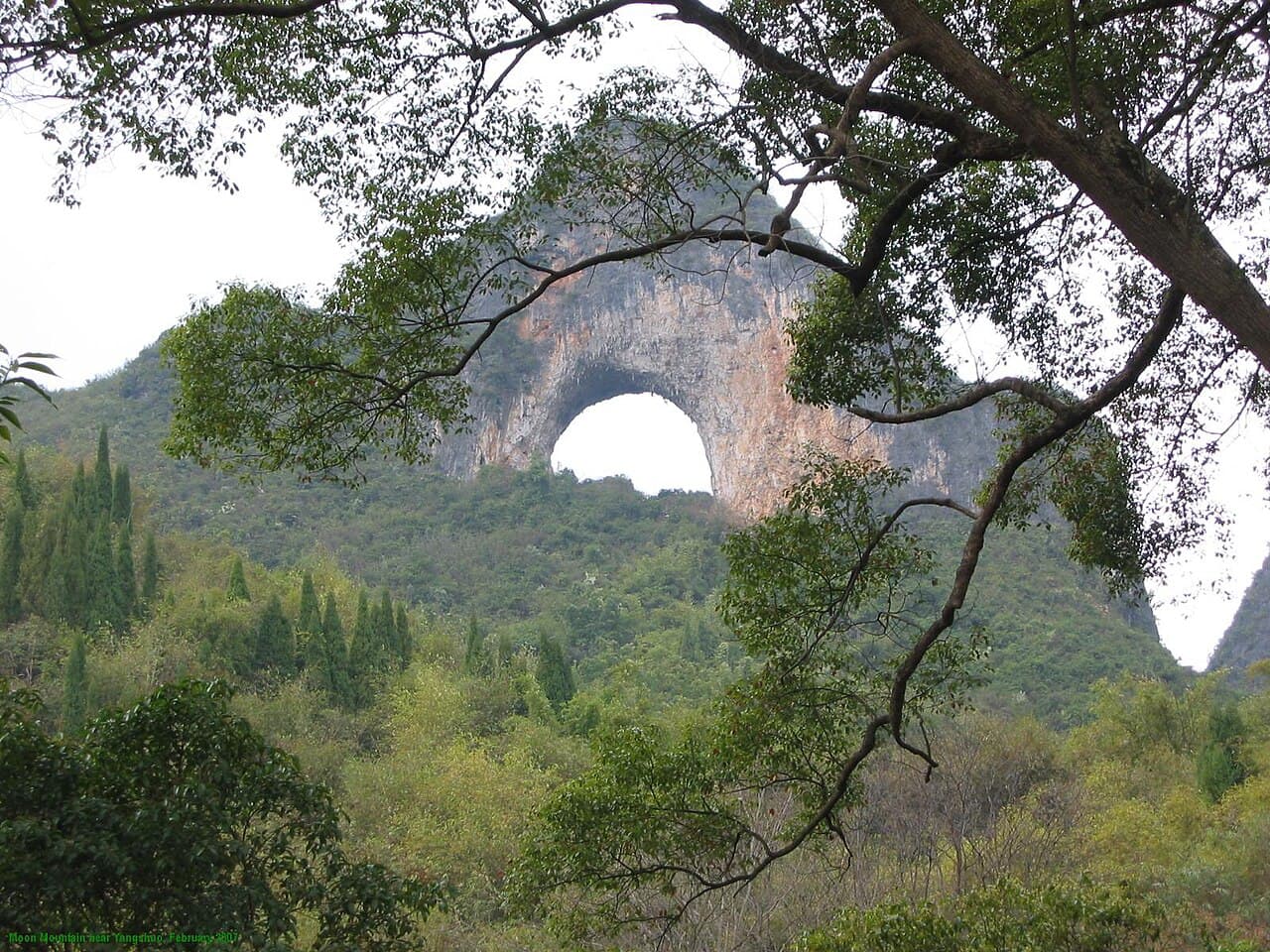
Return towards Yangshuo and visit the Big Banyan Tree, one of the oldest trees in the region and a classic photo stop. If Moon Hill has reopened (check locally — closed as of late 2025), add a moderate hike for panoramic karst views through the natural moon-shaped arch.
Farewell dinner in town — try a rooftop restaurant overlooking the Li River for a final sunset over the karst peaks before departing.
Real coworking spaces, laptop-friendly cafés, and libraries mapped near the center of the city — the closest, best-rated desks first.
No coworking-ready spots surfaced for this city yet.
Pick a different category or check back once we’ve indexed more desks for this city.
Ask for cafés, quiet neighborhoods, date-night spots, or a first 48-hour plan.
Mention calls, Wi-Fi needs, or how much of the day has to stay laptop-friendly.
Get faster answers on where to stay, when to move neighborhoods, and what to skip.
Written by signed-in Wanderlust members. We don't check that a reviewer has visited.
No reviews of Yangshuo yet.
Tell the planner your dates, who's coming, your budget and pace, and it drafts a day-by-day itinerary you can edit.
Wanderlust Pro
Insider tips for Yangshuo, unlimited AI-built itineraries, and travel companions you can invite to plan a trip together. From $5.00/month, billed annually.
Insider tips · Wanderlust Pro
Practical tips on the sights and neighbourhoods in this Yangshuoguide — when to go, what most visitors miss. Written with AI about the guide's own places; double-check details before you go. Pro members see every tip.