City guide · Updated June 2026
EuropePoland51.1° · 17°
Wrocław,Poland.
Poland's fairy-tale city of gnomes, Gothic spires, and pastel Market Square splendour.
Wrocław · PL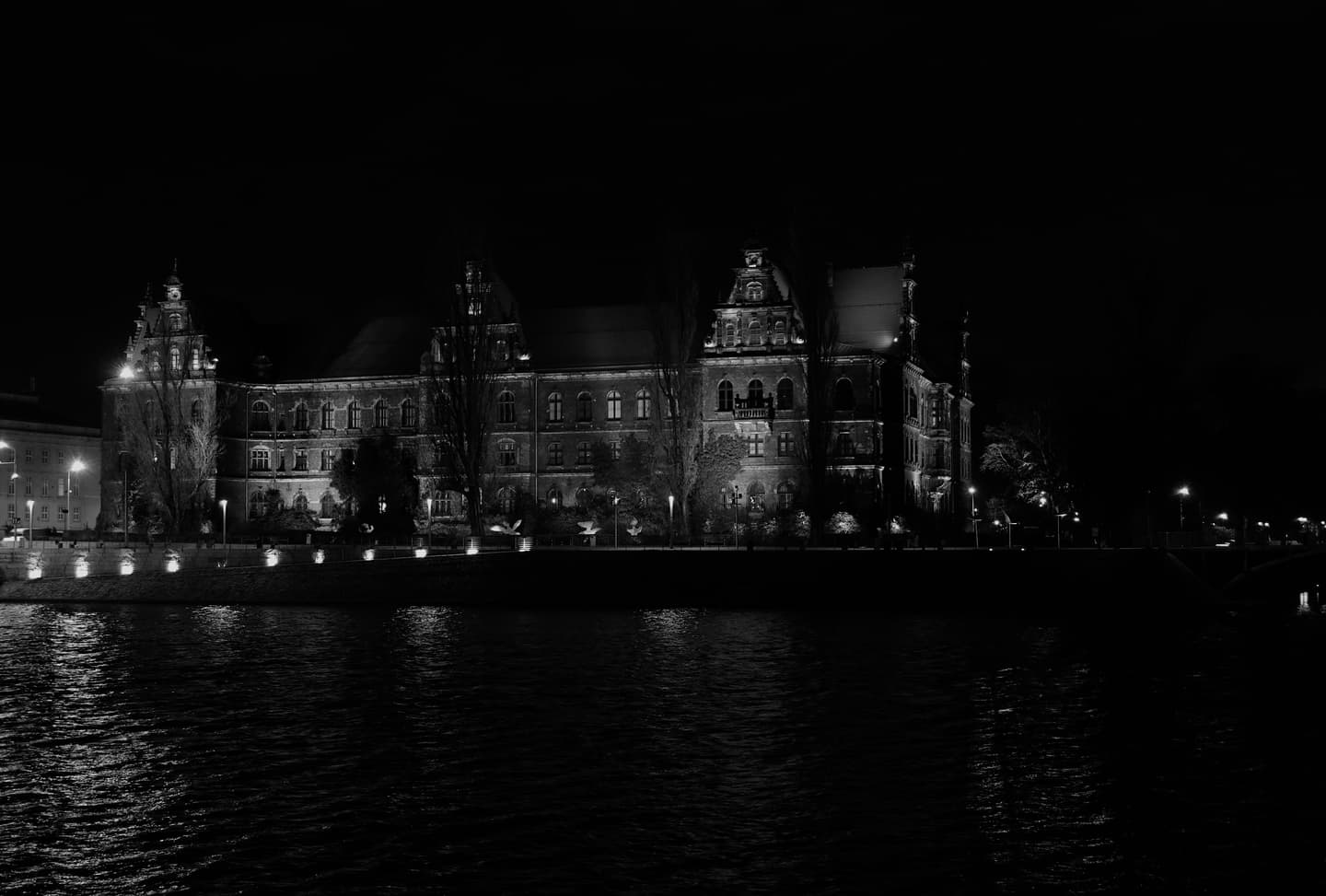
WrocławPoland
★
Wrocław Copernicus Airport (WRO)NEAREST AIRPORT
Population
650,980.6
Total residents
Global rank
#137
Wanderlust index
Best time
Late May through September for…
Peak window
Time zone
Europe/Warsaw
Local time
Currency
Polish Złoty (PLN)
Money in use
Language
Polish
Spoken locally
01 · Overview
About Wrocław
Poland's fairy-tale city of gnomes, Gothic spires, and pastel Market Square splendour.
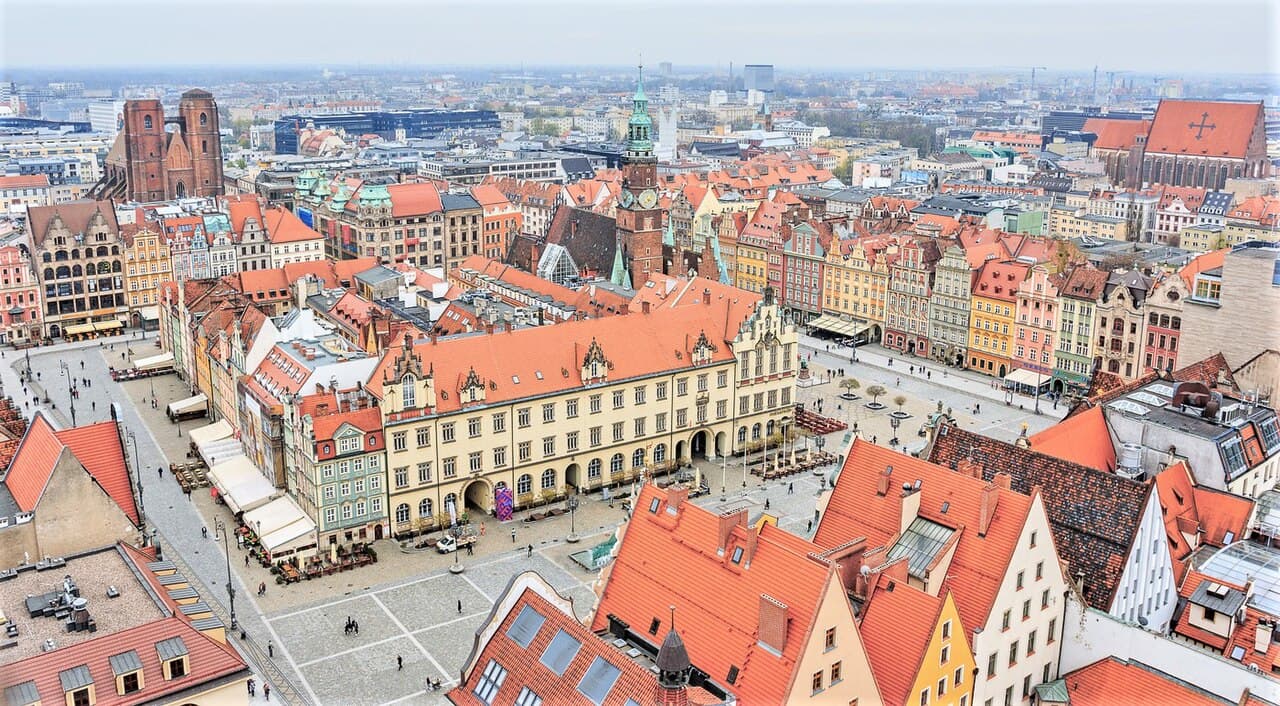
Wrocław is a vibrant university city in south-western Poland, threaded by the Oder River across more than 20 islands connected by 117 bridges — earning its nickname "the Venice of Poland." Its painstakingly restored medieval Market Square, one of the largest in Europe, anchors a compact Old Town of colourful Baroque tenements, Gothic churches, and a thriving café scene. With a student population exceeding 100,000 and a rich multi-cultural past spanning Polish, German, and Czech rule, Wrocław has emerged as one of Central Europe's most exciting destinations. Over 400 whimsical dwarf statues scattered through the streets add a playful signature unique to the city.
02 · Wanderlust scorecard
How Wrocław scores
Ratings run 0 to 5 unless marked. They come from our AI-assisted research and are refreshed on a rolling basis.
4
/ 5
Cost of living
Affordability, 0–5. Higher means cheaper.
4
/ 5
Leisure
Leisure rating, 0–5.
60
Mbps
Connectivity
Median internet speed.
4
/ 5
Safety
Safety rating, 0–5. Higher is safer.
4
/ 5
Overall livability
Overall rating, 0–5.
3
/ 5
Air quality
Air-quality rating, 0–5. Higher is cleaner.
7.8
index
Index score
Wanderlust ranking, 0–10: overall, safety, internet, cost, leisure and air quality, weighted.
03 · Weather & when to go
Best time to visit Wrocław
Current weather and the forecast, and the months our research rates best for a visit.
Month by month
Best months Either side Other months
Jan
Feb
Mar
Apr
May
Jun
Jul
Aug
Sep
Oct
Nov
Dec
Sweet spot: Late May through September for warm weather and outdoor activities; November–December for the acclaimed Christmas Market..
More cities for these months: Where to go in May · Where to go in June · Where to go in July · Where to go in August · Where to go in September · Where to go in December
04 · Things to do
Things to do in Wrocław
Top sights from our AI-assisted research, and other places we have photos of.
Top sight
Top sight
Ostrów Tumski (Cathedral Island)
Top sight
Top sight
Centennial Hall & Multimedia Fountain (UNESCO)
Top sight
Top sight
Panorama Racławicka
Top sight
Top sight
Wrocław Zoo & Afrykarium
Top sight
Top sight
National Museum Wrocław
Top sight
Top sight
Quarter of Four Denominations
05 · Monthly cost of living
Cost of living in Wrocław
Estimated monthly totals in USD from our AI-assisted research, one per profile. Treat them as a starting point for a budget, not a quote.
$1,740
estimated monthly spend · USDProfileExpat
Price references — vs. profile benchmarks
Nomadmonthly spend · USD
$2,322
+33%
Expatmonthly spend · USD
$1,740
baseline
Familymonthly spend · USD
$3,811.8
+119%
Localmonthly spend · USD
$975.9
-44%
Median fiber speeddownload · Mbps
60
Mbps
06 · Neighborhoods
Where to stay in Wrocław
Neighborhoods our AI-assisted research lists as popular with visitors.
Stare Miasto (Old Town)
Ostrów Tumski
Nadodrze
Śródmieście
07 · Insider tips
Sights and neighbourhoods, with a tip each.
Practical tips on places from this Wrocław guide, written with AI. One is free; Pro members see the rest. Double-check details before you go.
Insider tips · Wanderlust Pro
Practical tips on the sights and neighbourhoods in this Wrocławguide — when to go, what most visitors miss. Written with AI about the guide's own places; double-check details before you go. Pro members see every tip.
08 · Practical notes
Practical information for Wrocław
The essentials from this guide's data, in one place.
01
Getting there
- Nearest airport — Wrocław Copernicus Airport (WRO)
02
Money
- Currency — Polish Złoty (PLN)
- Affordability — 4/5 on the Wanderlust index (higher is cheaper)
03
Internet
- Median speed — 60 Mbps
- Internet score — 4/5
04
Safety
- Safety score — 4/5 from our AI-assisted research
05
Language
- Primary language — Polish
06
Timing
- Best window — Late May through September for warm weather and outdoor activities; November–December for the acclaimed Christmas Market.
- Time zone — Europe/Warsaw
Questions
Frequently asked, plainly answered.
The quick answers travelers want before they commit to flights, neighborhoods, and how long to stay.
Is Wrocław safe for travelers?+
Wrocław has a safety rating of 4 out of 5.
What is the best time to visit Wrocław?+
The best time to visit Wrocław is Late May through September for warm weather and outdoor activities; November–December for the acclaimed Christmas Market..
How expensive is Wrocław?+
Wrocław has an affordability score of 4 out of 5, where 5 is most affordable.
What is the internet speed in Wrocław?+
Wrocław has an average internet speed of 60 Mbps.
What currency does Wrocław use?+
The currency used in Wrocław is Polish Złoty (PLN).
What language is spoken in Wrocław?+
The primary language spoken in Wrocław is Polish.
Researched city guide
Getting there, getting around and when to go
Written with AI-assisted web research. Where we have sources, they are listed under each part.
What works
- Stunning, walkable Old Town with one of Europe's largest medieval market squares
- Exceptionally affordable by Western European standards
- Vibrant student city with a lively café, craft-beer, and nightlife scene
- Rich layered history — Gothic, Baroque, Soviet-era, and modern architecture side by side
- Easy access: well-connected by budget flights and trains to major European cities
- Unique city character — 400+ dwarf statues, gas-lit Cathedral Island, and a UNESCO-listed Centennial Hall
What to weigh
- Air quality can be poor in winter due to coal heating (smog season: November–March)
- Summers can be very hot with occasional heavy thunderstorms
- Limited direct long-haul flight connections compared to Warsaw or Kraków
- No metro; public transport can feel slow in outlying districts
- Tourist-heavy zones around the Rynek can be crowded and pricey in peak season
Getting in
How to arrive
Wrocław Copernicus Airport (WRO) is located approximately 10 km west of the city centre. There is no direct tram or train link, but bus line 106 runs 24 hours a day, taking around 40 minutes to reach Wrocław Główny (Main Railway Station) downtown — a cost-effective option for solo travellers. A taxi or rideshare to the centre takes 20–30 minutes and costs roughly 50–80 PLN (~$12–20 USD) in 2025; always insist on the taximeter, as city by-laws set maximum fares (night tariff: 6 PLN/km plus a 9 PLN start fee). Wrocław is also well-connected by rail: the historic Wrocław Główny station sits at the edge of the Old Town and serves frequent intercity trains from Warsaw, Kraków, Poznań, and Berlin.
Getting around
Moving through the city
The Old Town is highly walkable — virtually all key sights can be reached on foot. For wider exploration, Wrocław operates an extensive network of 120 bus lines and 23 tram lines running roughly 04:00–24:00, with night buses thereafter. Single tickets cost 4.60 PLN; multi-day passes (24 hr / 11 PLN, 48 hr / 20 PLN, 72 hr / 26 PLN) are useful for frequent riders. Tickets can be bought at vending machines, Żabka shops, or via apps such as Jakdojade and Mobilet — onboard validators on trams/buses accept contactless cards only. The Urban Card system is the standard for locals. Ride-hailing apps (Uber, Bolt) are also readily available for point-to-point trips.
When to go
Timing your trip
Wrocław rewards visitors year-round, but each season offers a distinctly different experience. Late May through September is the sweet spot: temperatures reach a comfortable 20–25°C (68–77°F), the Oder River fills with kayaks and boat cruises (operating April–September), beer gardens and outdoor terraces come alive, and daylight stretches until 21:00 in June. July and August are the hottest and busiest months — Wrocław is notably the warmest city in Poland. For fewer crowds with still-pleasant weather, May and September strike the best balance; September also hosts the popular Wrocław Dwarf Festival. Winter is cold (often below freezing) but magical from mid-November through December, when the city's acclaimed Christmas Market on the Market Square, Salt Square, and surrounding streets draws visitors from across Europe. Budget travellers can find the lowest prices in January and February, when museums and indoor attractions like Hydropolis and Panorama Racławicka are at their most appealing.
Plan your trip
3 days in Wrocław: a sample itinerary
A ready-made starting point. Make it your own — clone it into an editable journey and reshape every stop.
Day 01
Day 1 – Old Town, Rynek & Cathedral Island
Morning
Start at the Market Square (Rynek): admire the pastel tenements, duck into the Gothic Old Town Hall and its free history museum, and spot the astronomical clock from 1580. Walk the cobbled Stare Jatki (Old Shambles) lane.
Afternoon
Cross to Ostrów Tumski (Cathedral Island), Wrocław's oldest quarter. Climb the tower of the Cathedral of St. John the Baptist for panoramic views, then stroll gas-lit lanes past medieval churches and the Botanical Garden.
Evening
Return to the Rynek for dinner at one of the lively restaurants or bars lining the square. Hunt for dwarf statues as you wander — over 400 are hidden across the city.
Day 02
Day 2 – Museums, Culture & the Oder
Morning
Visit Panorama Racławicka, the immersive 360-degree painting commemorating the 1794 Battle of Racławice. Book tickets in advance. Follow up with the National Museum next door, home to one of Poland's largest art collections (free on Saturdays).
Afternoon
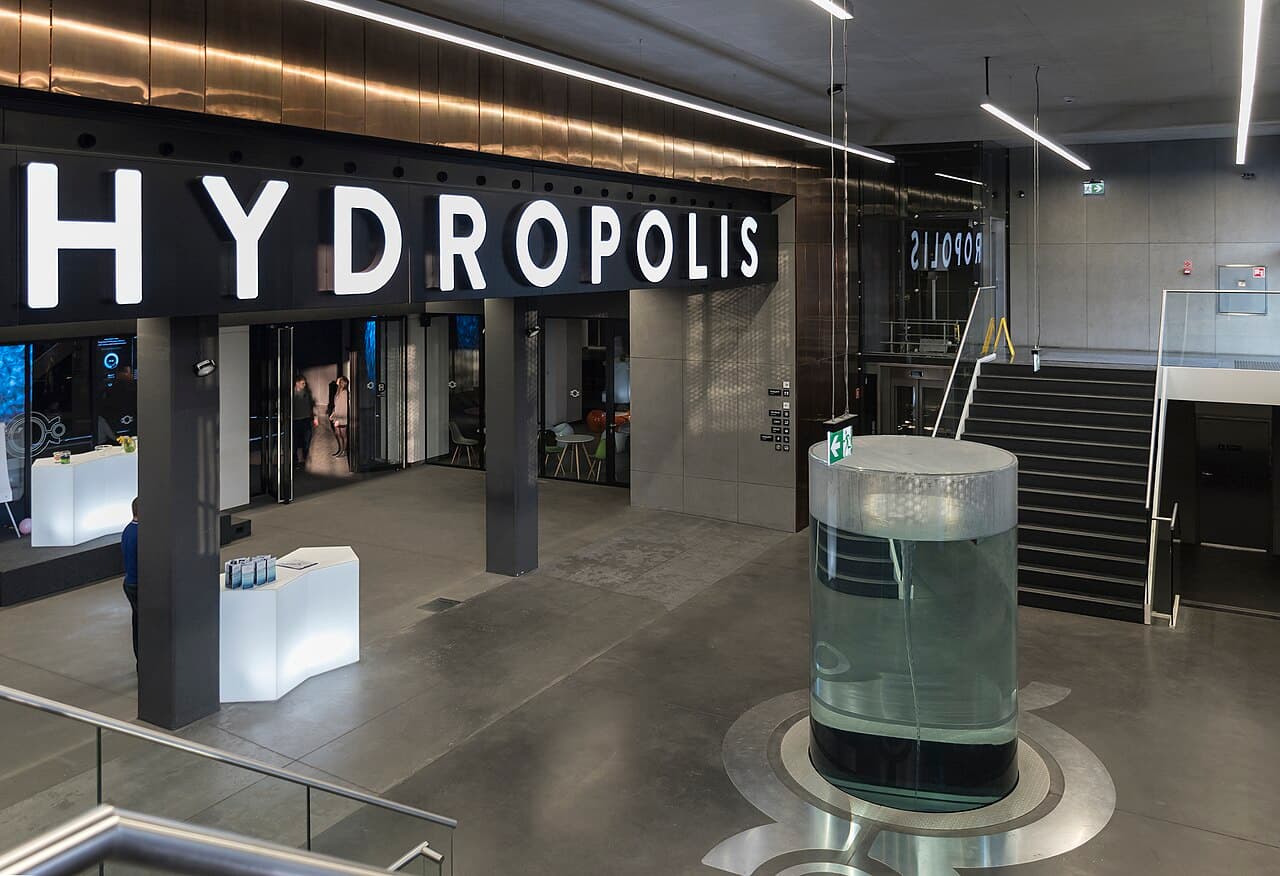
Head to Hydropolis, the interactive water-themed museum housed in a 19th-century reservoir, then walk along the Oder to the Quarter of Four Denominations — where a Catholic church, Evangelical church, Orthodox church, and synagogue share one neighbourhood.
Evening
Explore the Nadodrze district for craft coffee, street art, and the Neon Side Gallery — a hidden courtyard packed with Soviet-era neon signs and Wrocław's best bars.
Day 03
Day 3 – Centennial Hall, Zoo & River Cruise
Morning
Take a tram east to Centennial Hall, Wrocław's only UNESCO World Heritage Site — an early reinforced-concrete masterpiece completed in 1913. Explore the adjacent Japanese Garden and the spectacular Pergola Multimedia Fountain.
Afternoon
Visit Wrocław Zoo & Afrykarium next door — the oldest zoo in Poland, with over 1,000 species and an award-winning African marine exhibit. Allow 2–3 hours.
Evening
Round off with a sunset boat cruise along the Oder River, floating past the National Forum of Music, Partisan Hill, and illuminated bridges, before a farewell craft beer at Browar Stu Mostów.
Work-ready layer
Coworking spots and laptop-friendly anchors.
Real coworking spaces, laptop-friendly cafés, and libraries mapped near the center of the city — the closest, best-rated desks first.
Spots surfaced0
Categories—
Mapped0
No coworking-ready spots surfaced for this city yet.
Map pending
No mapped workspace points yet.
Pick a different category or check back once we’ve indexed more desks for this city.
Concierge
Ask the Wrocław concierge.
Share your travel style, must-see spots, or work schedule and the concierge will help turn this guide into something personal.
Personal trip brief
Tell it what kind of trip you're trying to have, and it will tighten the plan.
01
Travel style
Ask for cafés, quiet neighborhoods, date-night spots, or a first 48-hour plan.
02
Work constraints
Mention calls, Wi-Fi needs, or how much of the day has to stay laptop-friendly.
03
Real tradeoffs
Get faster answers on where to stay, when to move neighborhoods, and what to skip.
Traveler reviews
Reviews of Wrocław
Written by signed-in Wanderlust members. We don't check that a reviewer has visited.
No reviews of Wrocław yet.
Plan a trip to Wrocław.
Tell the planner your dates, who's coming, your budget and pace, and it drafts a day-by-day itinerary you can edit.
Wanderlust Pro
Insider tips for Wrocław, unlimited AI-built itineraries, and travel companions you can invite to plan a trip together. From $5.00/month, billed annually.