Top sight
Top sight
A Hanseatic gem on the Baltic — where colourful merchant facades meet world-changing history.
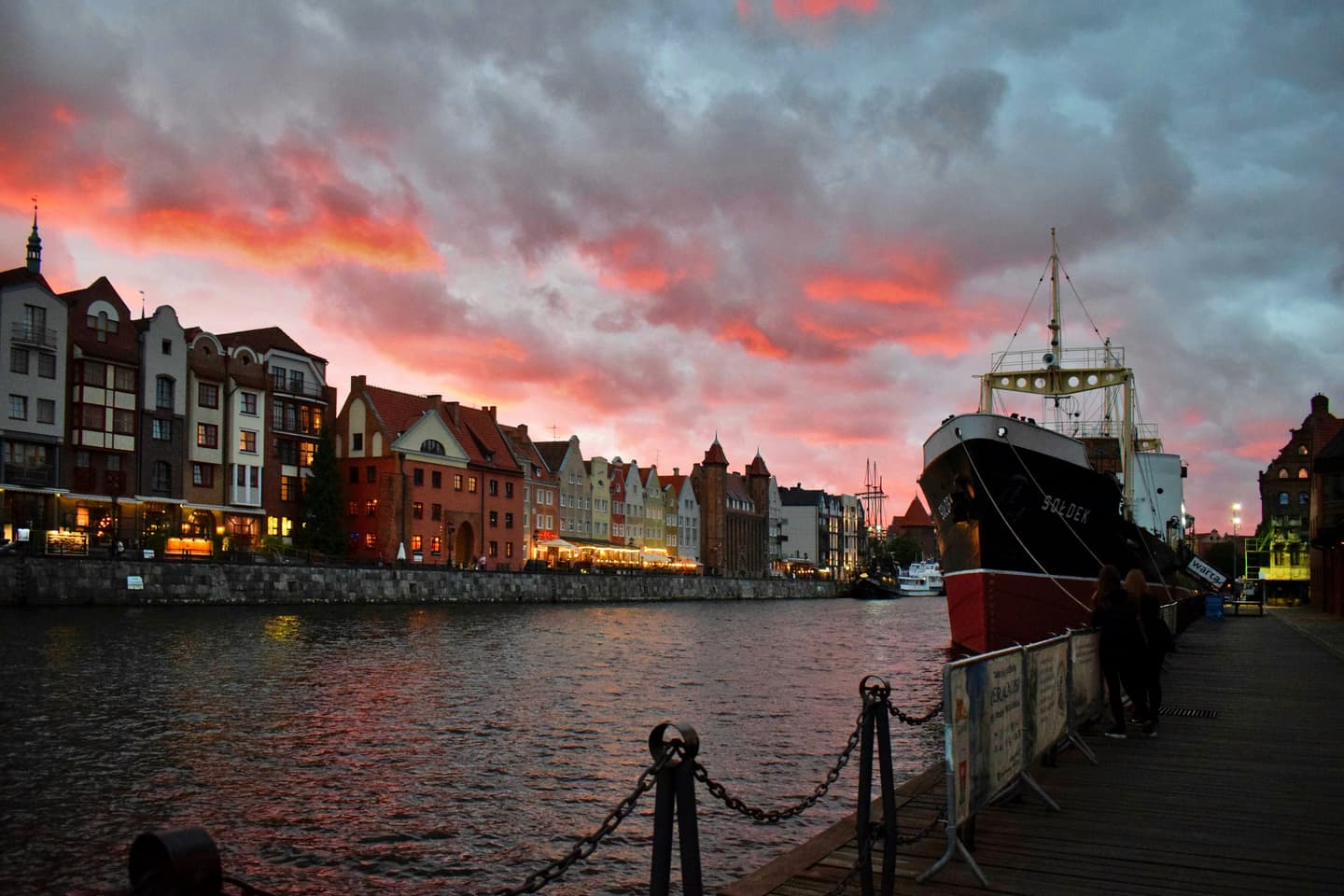
Gdańsk is a magnificent port city on Poland's Baltic coast that seamlessly blends its medieval maritime heritage with a vibrant modern energy. Once the powerhouse of the Hanseatic League, its meticulously restored Old Town of pastel gabled facades feels more like Amsterdam than Warsaw, while world-class museums chronicle pivotal 20th-century events — from WWII's first shots at Westerplatte to the Solidarity movement that helped end communism. Together with Sopot and Gdynia it forms the "Tricity" (Trójmiasto), making it a superb base for Baltic beaches and day trips. Budget-friendly prices and surprisingly cool café and bar scenes cement its status as one of Europe's most underrated city breaks.
More cities for these months: Where to go in May · Where to go in June · Where to go in July · Where to go in August · Where to go in September
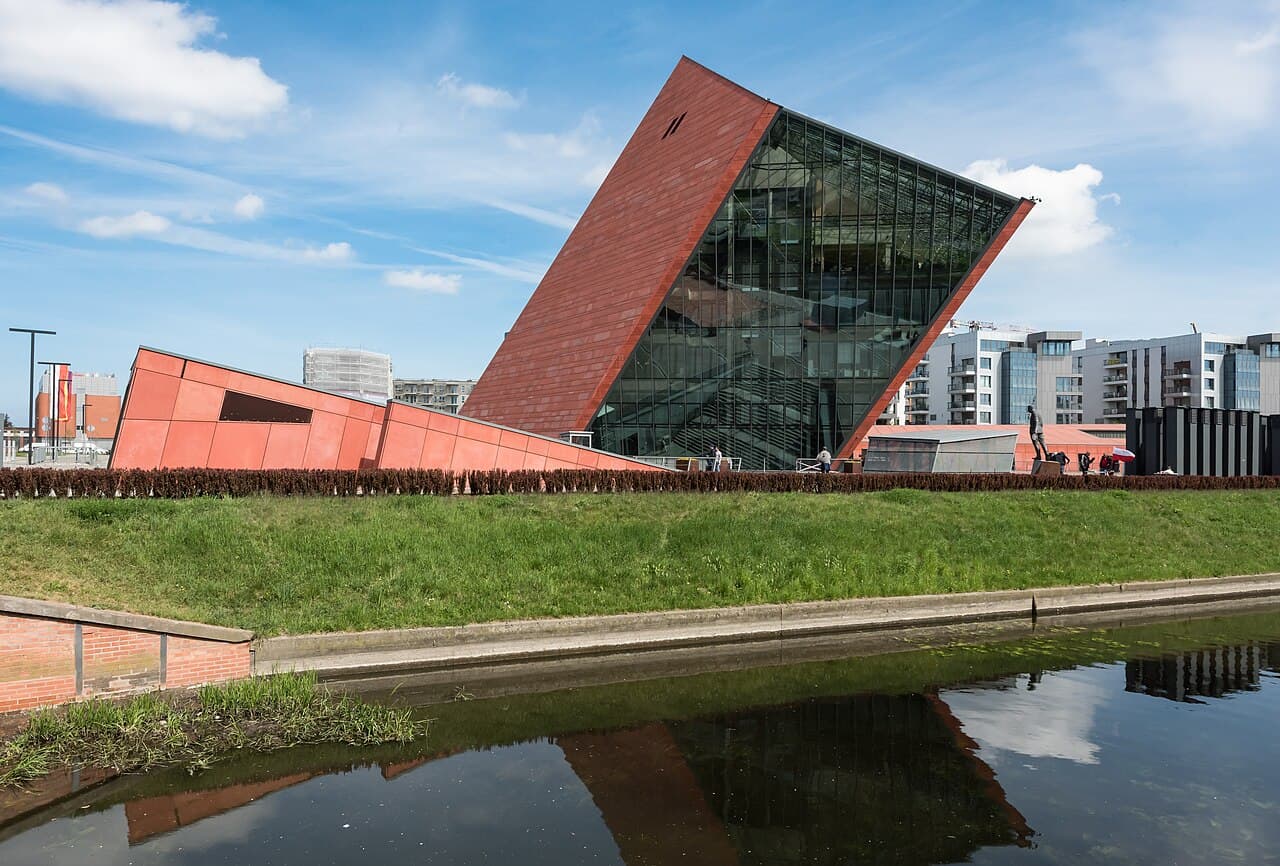
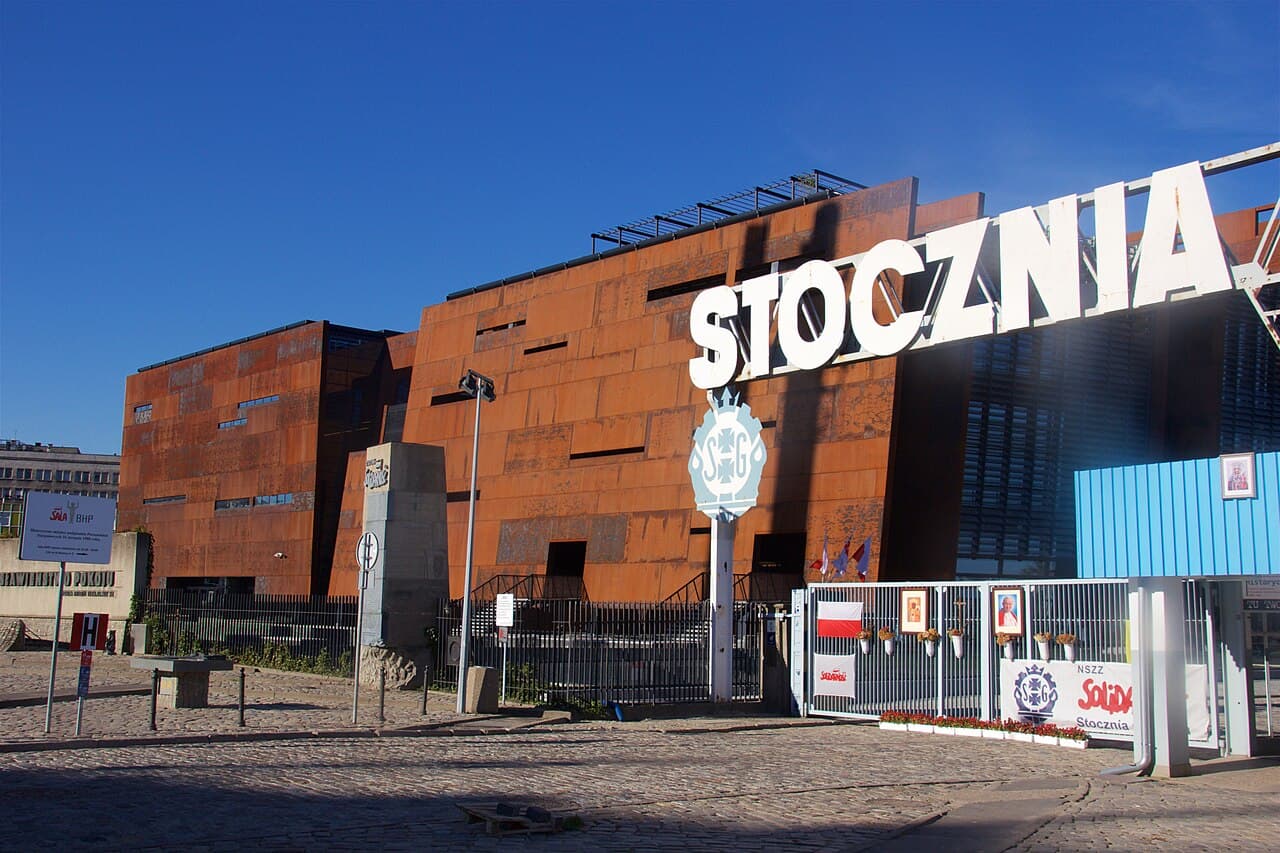
Photo: Photograph by Mike Peel ( www.mikepeel.net ). · CC BY-SA 4.0
Insider tips · Wanderlust Pro
Practical tips on the sights and neighbourhoods in this Gdanskguide — when to go, what most visitors miss. Written with AI about the guide's own places; double-check details before you go. Pro members see every tip.
The quick answers travelers want before they commit to flights, neighborhoods, and how long to stay.
Gdańsk Lech Wałęsa Airport (GDN) is located approximately 12–16 km northwest of the city centre. The fastest budget option is the PKM/SKM train: trains depart every 30 minutes from the Gdańsk Port Lotniczy station (a short walk from the terminal) and reach Gdańsk Główny in about 25–30 minutes, with one change at Gdańsk Wrzeszcz on most services; a single ticket costs around PLN 5.50–6 (≈€1.40). Bus line 210 runs directly to Gdańsk Główny every 30 minutes on weekdays (every 60 minutes on weekends) and takes about 40 minutes; a single ticket costs PLN 4.80 (≈€1.10). For late-night arrivals, the N3 night bus covers the same route from 23:16 to 04:07. A taxi or Uber/Bolt to the city centre takes 15–20 minutes and costs approximately PLN 60–80 (≈€14–18). By rail from Warsaw, intercity trains connect the two capitals in around 2.5–3 hours and cost roughly PLN 70+.
Gdańsk's historic centre is compact and best explored on foot. For wider city travel, an integrated bus and tram network covers the city well; download the Jakdojade app (Android and iOS) for real-time routes, schedules, and in-app ticket purchases — you can also tap to pay contactlessly on board vehicles. A single ride costs PLN 4.80; a 24-hour pass costs PLN 22. The SKM commuter rail links all three Tricity cities (Gdańsk, Sopot, Gdynia) quickly and cheaply — ideal for beach days or exploring Sopot's famous pier. Water trams (lines F5 and F6) operate May through September for a scenic route to Westerplatte. Uber and Bolt are available and affordable; ordering via app is typically 30% cheaper than hailing a street taxi. Gdańsk is also very bikeable, with rental stations across the city.
Gdańsk enjoys a temperate Baltic climate with cold winters and pleasant warm summers. The sweet spot for most visitors is late May through September, when temperatures sit comfortably between 18–25°C (64–77°F) and long daylight hours — up to 17 hours in June — make sightseeing a joy. June is arguably the best month: warm, the longest days of the year, and crowds are noticeably thinner than July and August peak season. July and August bring reliable sunshine and Baltic beach weather, but prices spike and attractions get very busy; July is also the wettest month, so pack a light rain layer. September is a hidden gem — quieter, golden-hued, and still warm enough for outdoor dining and Motława river cruises. For those chasing the atmosphere without the heat, the city's celebrated St. Dominic's Fair runs in late July/early August and is one of Europe's largest outdoor markets. December brings a magical Christmas market to the Old Town, with festive lights reflecting off the waterways. Winters (January–February) are cold and grey, but museum-lovers will find the city to themselves at rock-bottom prices.
Start at the Golden Gate (Złota Brama) and stroll the Royal Route along Ulica Długa and Długi Targ, taking in the pastel facades, the Neptune Fountain, and the ornate Artus Court. Climb the Main Town Hall tower for panoramic views over the red-roofed cityscape.
Explore Mariacka Street — Gdańsk's most atmospheric lane, lined with amber jewellery shops and Gothic porches — then enter St. Mary's Basilica, one of the world's largest brick churches, to see its extraordinary astronomical clock and climb the tower for Baltic Sea views.
Walk to the Motława waterfront (Długie Pobrzeże), admire the medieval Gdańsk Crane at dusk, and settle into one of the waterfront restaurants for fresh Baltic fish and local craft beer at a brewery such as Brovarnia.
Spend the morning at the Museum of the Second World War — allow 2–2.5 hours for this award-winning museum's 2,000+ artefacts. Book tickets online in advance to skip the queues.
Head to the Shipyard District to visit the European Solidarity Centre, whose striking rust-coloured building tells the story of the 1980s workers' movement that helped end communism. Afterwards, wander the creative 100cznia container village for street food and a craft beer.
Grab dinner in the hip Wrzeszcz neighbourhood at the Garnizon complex — a former military garrison turned café and restaurant hub — for a more local, less touristy evening.
Take the SKM train to the peaceful Oliwa district. Stroll through Oliwa Park, a beautiful green space dating back to the 15th century with ponds, a botanical garden, and manicured alleys. Visit the 14th-century Oliwa Cathedral and its world-famous Baroque organ.
Continue on the SKM train to Sopot — Poland's premier Baltic resort — to walk the famous wooden pier (Molo), the longest in Europe at over 500 metres, and enjoy lunch by the sea.
Return to Gdańsk via Sopot's promenade and finish with amber-shopping on Mariacka Street or drinks along the illuminated Motława waterfront.
Real coworking spaces, laptop-friendly cafés, and libraries mapped near the center of the city — the closest, best-rated desks first.
No coworking-ready spots surfaced for this city yet.
Pick a different category or check back once we’ve indexed more desks for this city.
Ask for cafés, quiet neighborhoods, date-night spots, or a first 48-hour plan.
Mention calls, Wi-Fi needs, or how much of the day has to stay laptop-friendly.
Get faster answers on where to stay, when to move neighborhoods, and what to skip.
Written by signed-in Wanderlust members. We don't check that a reviewer has visited.
No reviews of Gdansk yet.
Tell the planner your dates, who's coming, your budget and pace, and it drafts a day-by-day itinerary you can edit.
Wanderlust Pro
Insider tips for Gdansk, unlimited AI-built itineraries, and travel companions you can invite to plan a trip together. From $5.00/month, billed annually.
Insider tips · Wanderlust Pro
Practical tips on the sights and neighbourhoods in this Gdanskguide — when to go, what most visitors miss. Written with AI about the guide's own places; double-check details before you go. Pro members see every tip.