Top sight
Top sight
Poland's resilient capital — where WWII ruins gave way to a thriving, modern metropolis with world-class museums and buzzing nightlife.
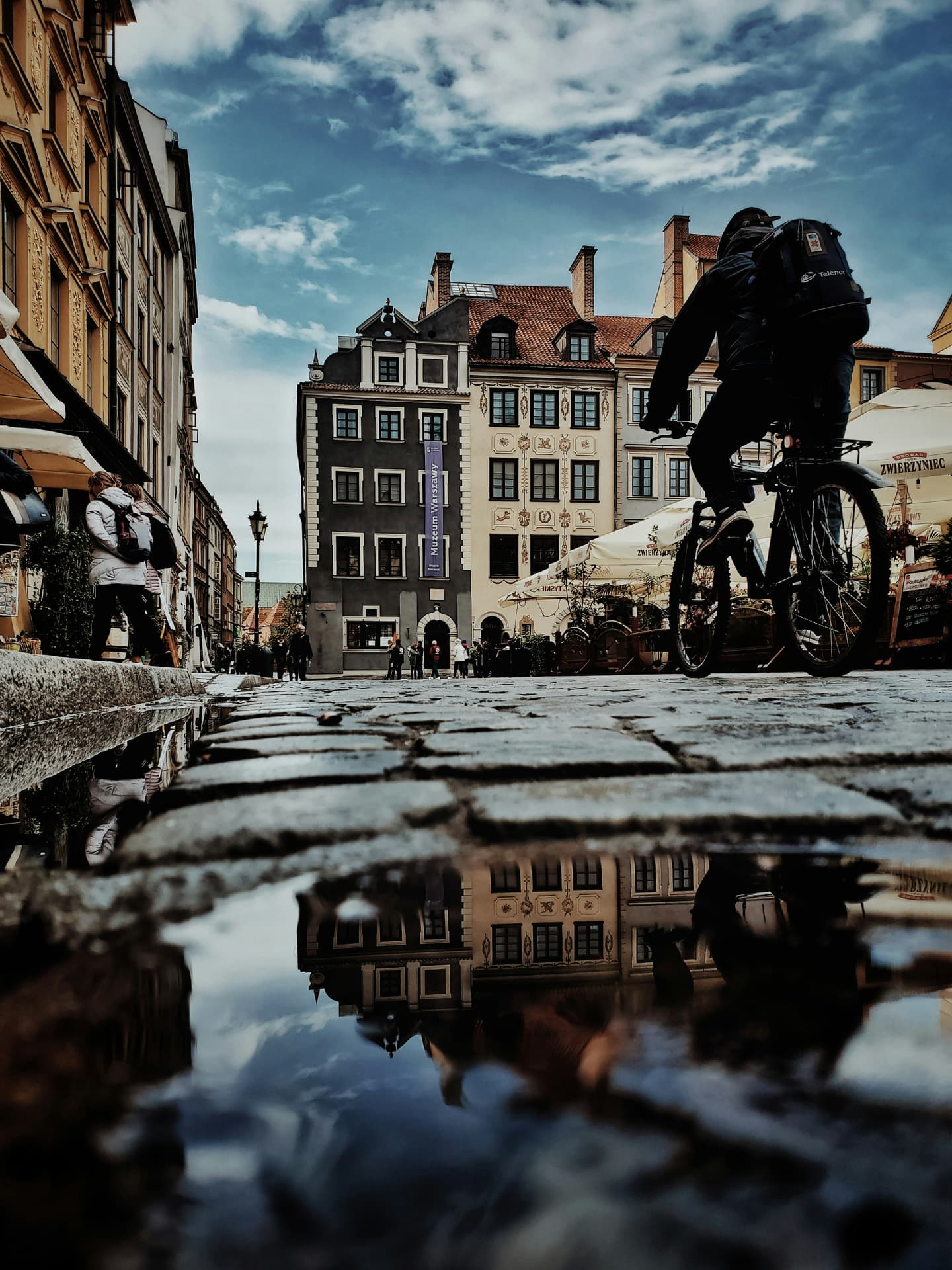
Known as the "Phoenix City," Warsaw was almost entirely destroyed during World War II and rebuilt from the ground up, creating a remarkable mix of reconstructed Gothic Old Town, Soviet-era architecture, and gleaming modern skyscrapers. Poland's largest city rewards visitors with an outstanding museum scene, vibrant food and nightlife culture, and some of the best public transport in Central Europe — all at prices well below Western European capitals. From Chopin concerts in Łazienki Park to the sobering Warsaw Rising Museum, the city balances beauty, history, and contemporary energy in equal measure.
More cities for these months: Where to go in May · Where to go in June · Where to go in July · Where to go in August · Where to go in September
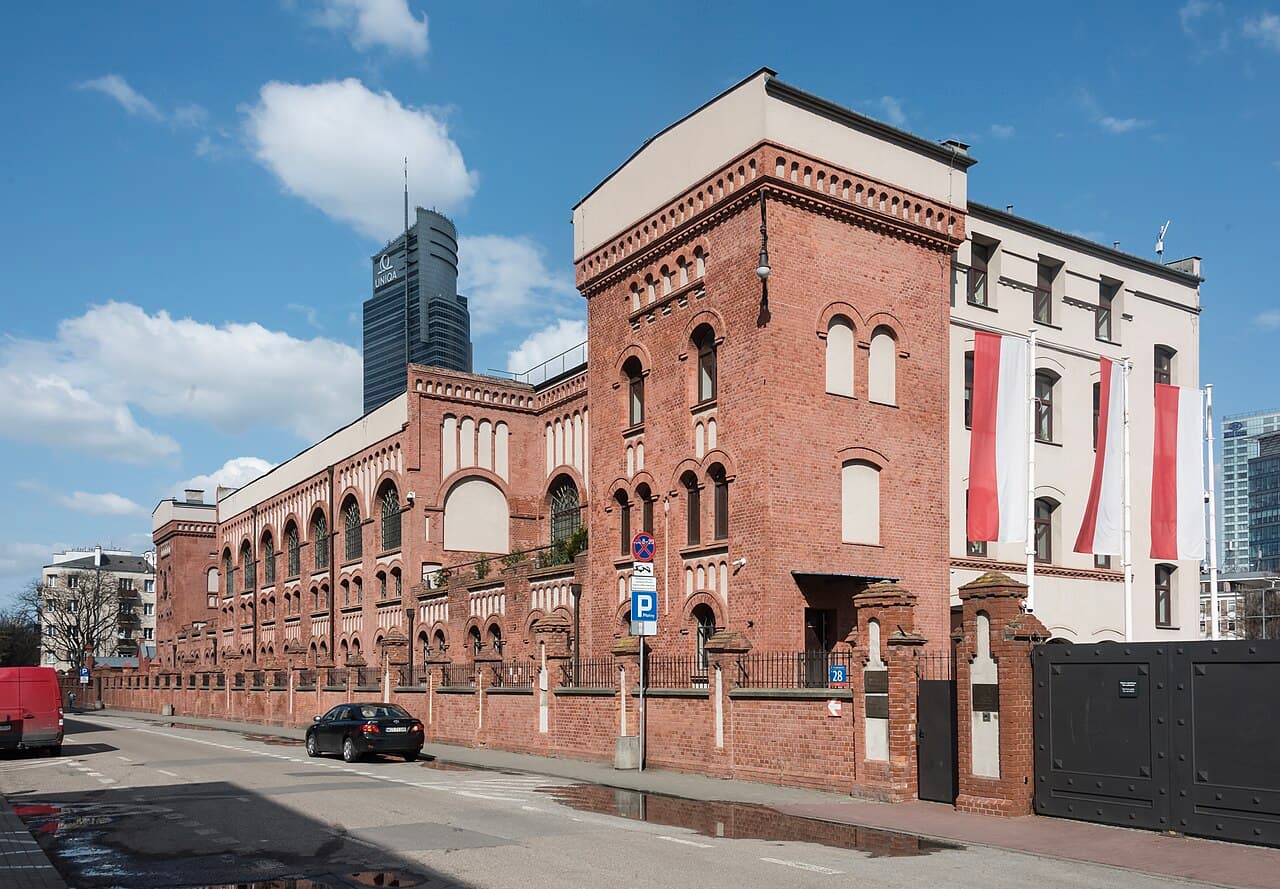

Photo: Muzeum Historii Żydów Polskich · Public domain
Insider tips · Wanderlust Pro
Practical tips on the sights and neighbourhoods in this Warsawguide — when to go, what most visitors miss. Written with AI about the guide's own places; double-check details before you go. Pro members see every tip.
The quick answers travelers want before they commit to flights, neighborhoods, and how long to stay.
Warsaw Chopin Airport (WAW) is the main international gateway, located approximately 8–10 km from the city centre with transfer times of 20–30 minutes. The SKM suburban rail (lines S2 and S3) is the fastest and most reliable option: trains run every 10–15 minutes at peak times and deposit you at Warszawa Centralna (Central Station) in roughly 25 minutes; a standard 75-minute transit ticket costs 4.40 PLN (~€1). Bus 175 is the budget surface option, running every 15–20 minutes to Piłsudski Square near the Old Town in about 25–45 minutes on the same 4.40 PLN ticket. For late arrivals (trains stop around 11:23 pm), night bus N32 covers the route, or use Uber, Bolt, or Free Now — all cheaper than traditional metered taxis. Official airport taxis are available curbside outside Arrivals and charge approximately 50 PLN (~€12) to the centre. Warsaw also has excellent intercity rail (PKP Intercity) connections at Warszawa Centralna, and FlixBus/Eurolines coaches operate from the bus terminal near Warszawa Zachodnia station.
Warsaw's public transport system — operated by ZTM and integrating metro, trams, buses, and SKM suburban rail — is one of the best in Central Europe. A single integrated ticket is valid across all modes: a 75-minute ticket costs 4.40 PLN (~€1) and a 20-minute ticket 3.40 PLN. Day passes (15 PLN), 3-day, and weekend passes are available. The metro has two lines: M1 (north–south) and M2 (east–west), crossing at Świętokrzyska; key stops include Centrum (Palace of Culture) and Ratusz Arsenał (Old Town). Trams are highly punctual (92% on-time in 2025) and great for city-centre hops, while buses reach every outer district. Buy tickets at ZTM machines (instructions in English), onboard machines, or via the Jakdojade app, which also handles journey planning. Ride-hailing apps Uber and Bolt are widely used and competitively priced. Bus 180 is a handy tourist route running the Royal Route from the Old Town to Wilanów.
Warsaw's climate is temperate continental — cold, often snowy winters and warm, occasionally hot summers. The sweet spot for most visitors is May through September, when temperatures range from comfortable mid-teens to a warm 26–30°C (79–86°F), daylight is long, and the city's outdoor culture comes alive with terrace cafés, Chopin concerts in Łazienki Park, Vistula riverside festivals, and open-air markets. May and June are widely considered the best months: greenery is fresh, crowds are lighter than July–August, and the weather is ideal for walking the Royal Route or exploring the Old Town on foot. July brings the highest sunshine hours (up to 7.8 per day) but also the peak tourist season and occasional heavy rain. September offers a beautiful 'Golden Polish Autumn' (Złota Polska Jesień) with mild temperatures and thinner crowds. Winter (December–February) is cold (averaging -2 to 1°C) and dark, but December brings atmospheric Christmas markets and festive lighting. Budget travellers who don't mind bundling up can take advantage of significantly lower accommodation rates in the off-season.
Start at the Old Town Market Square, wander through the UNESCO-listed cobblestone streets, and climb the Royal Castle. Continue along Krakowskie Przedmieście past the Presidential Palace.
Head to the Warsaw Rising Museum in Wola — allow at least 2–3 hours for this unmissable tribute. Grab lunch at a milk bar (bar mleczny) for an authentic, budget-friendly Polish meal.
Return to the Old Town for dinner at one of the restaurants on the Market Square, then explore the nearby Nowy Świat street bar scene.
Visit the POLIN Museum of the History of Polish Jews in the Muranów district — one of Europe's finest modern museums. Walk the nearby Ghetto Heroes Monument and the Umschlagplatz memorial.
Take a tram or bus to the Royal Łazienki Park. Stroll the gardens, see the Palace on the Water, and (May–September on Sundays) catch a free open-air Chopin piano concert at the monument.
Descend to the hip Powiśle riverside district for craft beers, street food, and sunset views over the Vistula from the Bulwary promenades.
Cross the river to the gritty, creative Praga district. Explore its street art, vintage markets, and the Neon Museum showcasing Poland's iconic socialist-era neon signs.
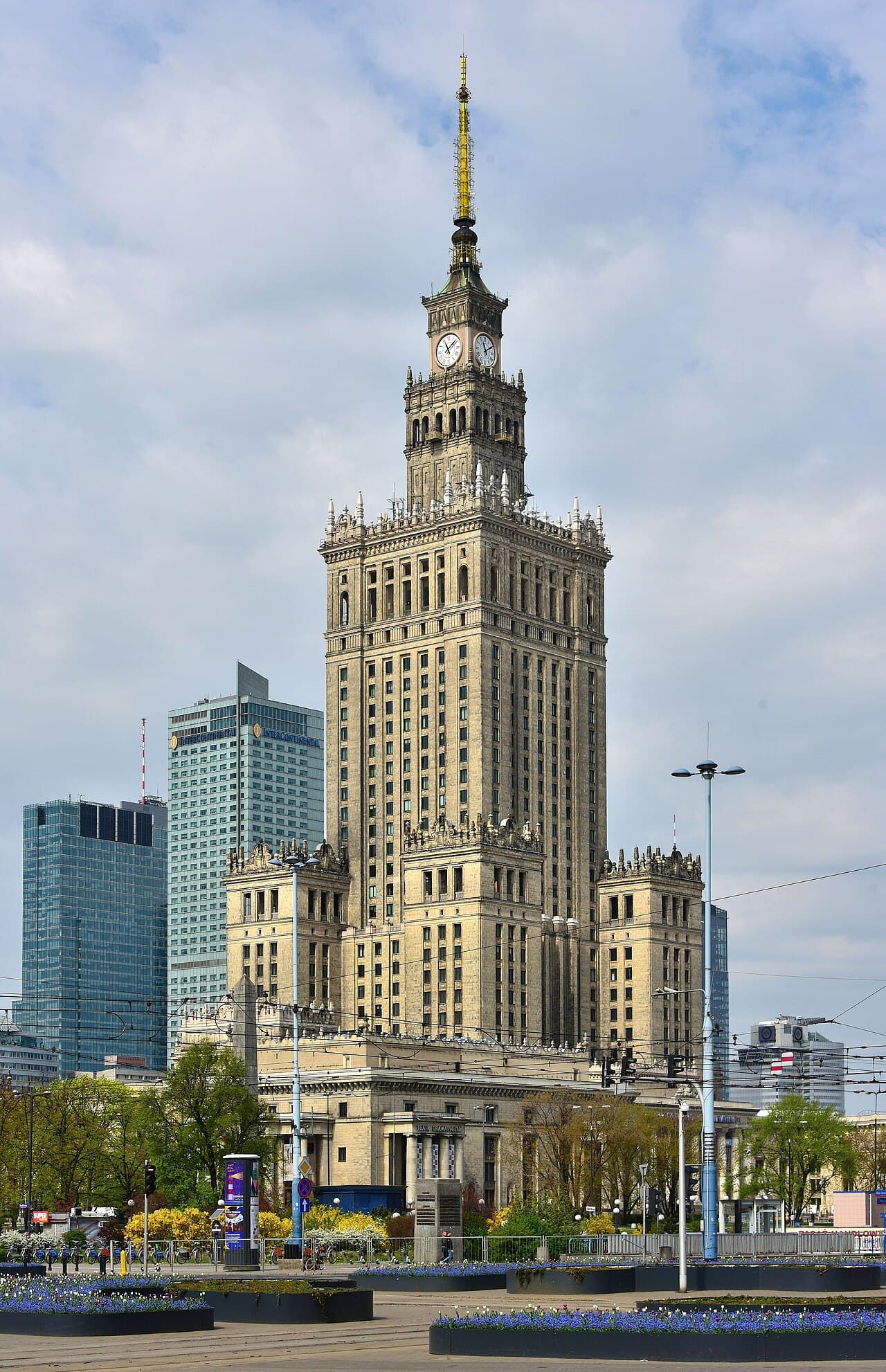
Return to Centrum and ride the lift to the observation terrace of the Palace of Culture and Science for panoramic city views. Explore the Hala Koszyki food hall for Polish and international bites.
Warsaw's nightlife rivals Berlin's — head to Żoliborz or Wola for cocktail bars and clubs, or catch an opera or ballet at the Grand Theatre (Teatr Wielki) for a more refined send-off.
Real coworking spaces, laptop-friendly cafés, and libraries mapped near the center of the city — the closest, best-rated desks first.
No coworking-ready spots surfaced for this city yet.
Pick a different category or check back once we’ve indexed more desks for this city.
Ask for cafés, quiet neighborhoods, date-night spots, or a first 48-hour plan.
Mention calls, Wi-Fi needs, or how much of the day has to stay laptop-friendly.
Get faster answers on where to stay, when to move neighborhoods, and what to skip.
Written by signed-in Wanderlust members. We don't check that a reviewer has visited.
No reviews of Warsaw yet.
Tell the planner your dates, who's coming, your budget and pace, and it drafts a day-by-day itinerary you can edit.
Wanderlust Pro
Insider tips for Warsaw, unlimited AI-built itineraries, and travel companions you can invite to plan a trip together. From $5.00/month, billed annually.
Insider tips · Wanderlust Pro
Practical tips on the sights and neighbourhoods in this Warsawguide — when to go, what most visitors miss. Written with AI about the guide's own places; double-check details before you go. Pro members see every tip.