City guide · Updated regularly
AsiaSouth Korea37.6° · 127°

Seoul,South Korea.

Where ancient palaces meet K-pop fever and world-class street food — Seoul delivers it all, non-stop.
Culture & HistoryFood & CulinaryDigital NomadK-Pop & Pop CultureShopping
Seoul · KRSeoul
SeoulSouth Korea
Incheon International Airport (ICN)NEAREST AIRPORT
Population
10,100,180
Total residents
Global rank
#44
Wanderlust index
Best time
Spring (April–May) and autumn…
Peak window
Time zone
Asia/Seoul
Local time
Currency
Korean Won (KRW)
Money in use
Language
Korean
Spoken locally
01 · The lay of the land

A field guide to Seoul.

Where ancient palaces meet K-pop fever and world-class street food — Seoul delivers it all, non-stop.

Seoul is South Korea's pulsating capital, a city of 10 million that fuses Joseon-era palaces with futuristic skyscrapers, indie café culture, and a global pop-culture footprint. Its 25 districts each function like a city within a city, split by the Han River into the traditional north (Gangbuk) and the modern south (Gangnam). Exceptional public transit, near-universal 5G coverage, and some of the world's fastest broadband make it a dream base for remote workers and long-stay travelers alike. The city is safe, walkable, endlessly rewarding — and surprisingly affordable once you move beyond the tourist trail.

02 · Wanderlust scorecard

How Seoul holds up by the numbers.

The factors we track across every city, scored and recalibrated with each wave of member trips and on-the-ground research.
3.2
/ 5
Cost of living
Monthly spend benchmark — higher means easier on the wallet.
4.5
/ 5
Outdoors & play
Nature, nightlife, food scene, and things worth showing up for.
100
Mbps
Connectivity
Download speeds and café / coworking reliability for remote work.
4.5
/ 5
Safety
Personal safety, petty crime, and nighttime walkability.
4
/ 5
Overall livability
Our composite for how well the city adds up across every signal.
3
/ 5
Air quality
Year-round air quality averaged across seasons and wildfire windows.
8.3
index
Index score
Weighted composite including safety, cost, community, and outdoors.
03 · Live conditions & when to go

The city runs on its own calendar.

Current conditions, a rolling forecast, and a twelve-month guide to what each month actually feels like to show up in.

Best time to visit

Peak Shoulder Quiet
Jan
Feb
Mar
Apr
May
Jun
Jul
Aug
Sep
Oct
Nov
Dec
Sweet spot: Spring (April–May) and autumn (September–October) offer the most pleasant weather, fewer rain days, and Seoul's most photogenic scenery — cherry blossoms in spring, fiery foliage in fall..
05 · Can't-miss experiences

Things you'd regret not doing.

Curated by our contributors and cross-checked against what locals recommend. Not a listicle — a short list of defining things.
Editor's pickTop sight
Top sight

Gyeongbokgung Palace

A signature stop locals and returning travelers point to in Seoul.

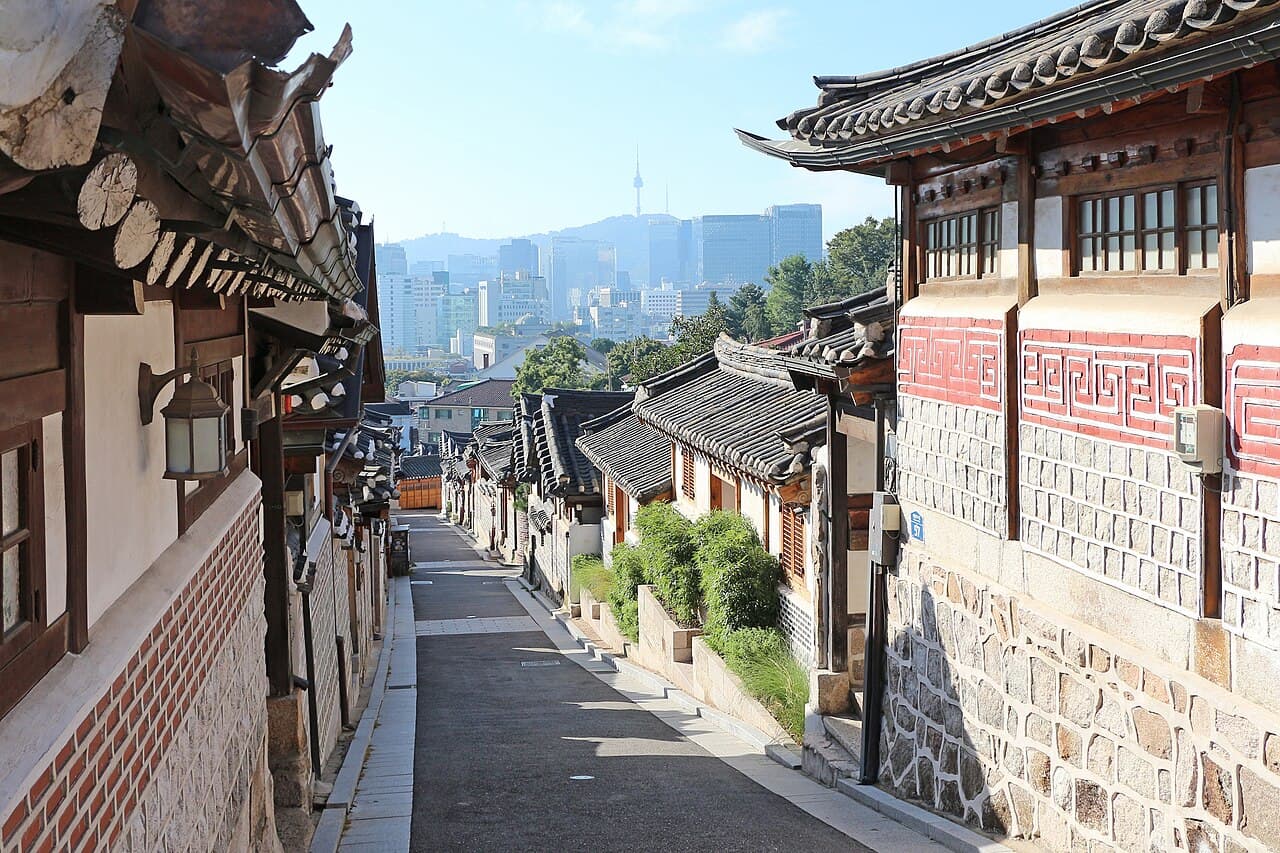
Bukchon Hanok Village
Top sight

Bukchon Hanok Village

A signature stop locals and returning travelers point to in Seoul.

Photo: Bgag · CC0

Top sight
Top sight

Changdeokgung Palace & Secret Garden

A signature stop locals and returning travelers point to in Seoul.

Top sight
Top sight

N Seoul Tower (Namsan)

A signature stop locals and returning travelers point to in Seoul.

Top sight
Top sight

Cheonggyecheon Stream

A signature stop locals and returning travelers point to in Seoul.

Top sight
Top sight

Myeongdong Shopping District

A signature stop locals and returning travelers point to in Seoul.

Top sight
Top sight

Lotte World Tower & Mall

A signature stop locals and returning travelers point to in Seoul.

Scenic angle
Scenic angle

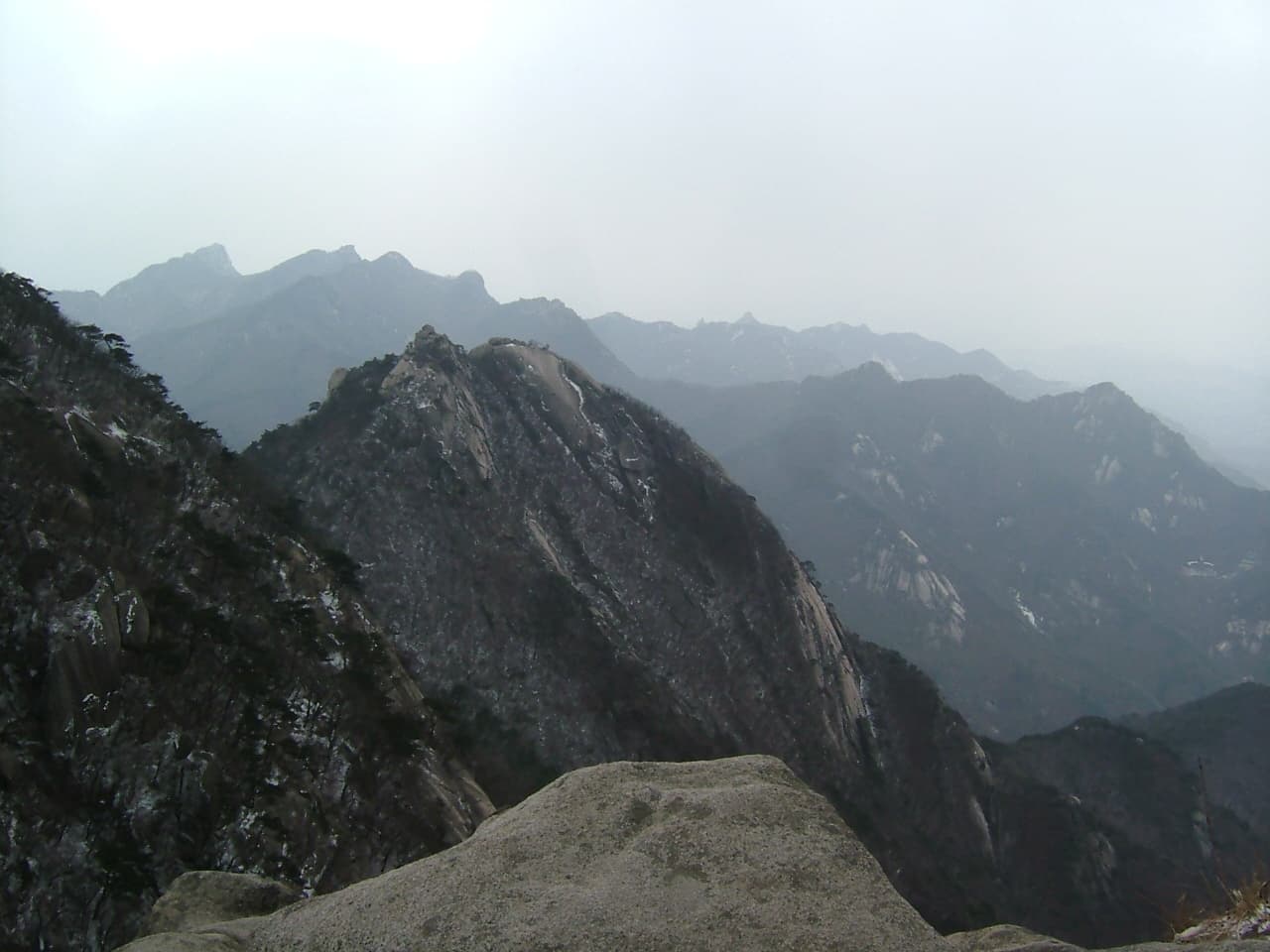
Seoul

A visual anchor inside Seoul worth building into the route.

06 · Real cost of a month here

What living in Seoul actually costs.

Numbers are in USD and averaged across member-reported receipts and editorial research. Switch profiles to see how the math changes for different kinds of travellers.
$2,400
estimated monthly spend · USD
ProfileCouple · remote
Rent · 2BR$1,152
Groceries$336
Dining out$288
Transit$192
Utilities · fiber$168
Leisure$168
Misc$96

Price references — vs. profile benchmarks

Solo nomadmonthly spend · USD
$1,800
-25%
Couple · remotemonthly spend · USD
$2,400
baseline
Family of 4monthly spend · USD
$6,040.3
+152%
Localmonthly spend · USD
$1,612.4
-33%
Median fiber speeddownload · Mbps
100
Mbps
07 · Where to stay, by temperament

Micro-pockets of Seoul.

Each neighborhood has its own feel, its own pace, and its own answer to "can I walk to the good stuff?"
Hongdae
Best known

A pocket of Seoul with its own temperament — worth a deliberate detour when you're in the area.

Gangnam
Local favorite

A pocket of Seoul with its own temperament — worth a deliberate detour when you're in the area.

Insadong
Local favorite

A pocket of Seoul with its own temperament — worth a deliberate detour when you're in the area.

Itaewon
Local favorite

A pocket of Seoul with its own temperament — worth a deliberate detour when you're in the area.

08 · Practical notes

Small things that quietly make your trip.

Orientation on money, movement, safety, and the quirks no blog post thinks to mention.
01 · Getting in

Fly in, wheels out

  • Nearest airportIncheon International Airport (ICN). Expect taxis, rideshares, and scheduled transfers into town.
  • Country codeKR. Check visa requirements below.
  • Arrival window — plan at least half a day for a soft landing before any scheduled itinerary.
02 · Money & tipping

Local currency notes

  • CurrencyKorean Won (KRW). Most of the city accepts cards; keep a small cash float for markets and taxis.
  • Cost score3.2/5 on the Wanderlust index. Plan your monthly budget using the cost-of-living panel above.
  • Tipping — tipping customs vary by establishment. When in doubt, 10% at sit-down service is a safe floor.
03 · Remote work

Connectivity & cafés

  • Median speeds 100 Mbps. Fiber is usually available in the central neighborhoods listed above.
  • Internet score 5/5. Factors café culture, coworking options, and reliability.
  • Backup plan — a reliable mobile-data plan for the week absorbs most surprises on a shaky wifi day.
04 · Safety

Realistic risks

  • Safety score 4.5/5 from on-the-ground contributors. Pay attention to neighborhood-level variation.
  • Night out — stick to rideshare or licensed taxis after dark in unfamiliar areas.
  • Health — altitude, sun, and unfamiliar water are the usual culprits. Hydrate the first 48 hours.
05 · Language

Getting around linguistically

  • Primary languageKorean. A few courtesy phrases go a long way, even in tourist zones.
  • Signage — main transport hubs tend to be multilingual. Offline maps are your friend once you leave the core.
  • Translation apps — download the offline language pack before you land.
06 · Timing & seasons

When to show up

  • Best windowSpring (April–May) and autumn (September–October) offer the most pleasant weather, fewer rain days, and Seoul's most photogenic scenery — cherry blossoms in spring, fiery foliage in fall.. Flights and lodging book out 6–8 weeks ahead in peak months.
  • TimezoneAsia/Seoul. Plan calls and meeting overlap accordingly.
  • Shoulder tip — the first and last weeks of peak season usually combine good weather with smaller crowds.
Questions

Frequently asked, plainly answered.

The quick answers travelers want before they commit to flights, neighborhoods, and how long to stay.

Is Seoul safe for travelers?
+
Seoul has a safety rating of 4.5 out of 5.
What is the best time to visit Seoul?
+
The best time to visit Seoul is Spring (April–May) and autumn (September–October) offer the most pleasant weather, fewer rain days, and Seoul's most photogenic scenery — cherry blossoms in spring, fiery foliage in fall..
How expensive is Seoul?
+
Seoul has an affordability score of 3.2 out of 5, where 5 is most affordable.
What is the internet speed in Seoul?
+
Seoul has an average internet speed of 100 Mbps.
What currency does Seoul use?
+
The currency used in Seoul is Korean Won (KRW).
What language is spoken in Seoul?
+
The primary language spoken in Seoul is Korean.
Researched city guide

The practical read.

Getting in, getting around, and the honest tradeoffs — researched and cited, not generated from thin air.

What works

  • World-class public transit that's cheap, bilingual, and runs nearly 24/7
  • Broadband speeds averaging 100+ Mbps with near-universal 5G coverage
  • Exceptional food scene — from ₩3,000 street tteokbokki to Michelin-starred dining
  • Very safe city with low violent crime and well-lit public spaces
  • Rich cultural calendar: K-pop events, palace lantern festivals, film festivals year-round
  • Digital nomad visa available with up to 2-year stay for qualifying remote workers

What to weigh

  • Air quality can be poor in spring due to yellow dust (hwangsa) blowing from China
  • Summer heat and monsoon humidity can make outdoor sightseeing uncomfortable
  • Language barrier outside tourist zones — English proficiency is uneven
  • Accommodation in central districts can be pricey; Airbnb options are limited by regulation
  • Subway closes around 12:30 AM — late nights require taxis or night buses
Getting in

How to arrive

Seoul is served by Incheon International Airport (ICN), one of Asia's premier hubs, located roughly 60 km west of the city center. The fastest transfer is the AREX Express Train, which runs non-stop to Seoul Station in about 43 minutes. Airport Limousine Buses are the most convenient option if you're staying near major districts — 22 routes cover Myeongdong, Gangnam, Itaewon, City Hall, and Dongdaemun, with fares of ₩17,000–₩18,000 (approx. $12–$13 USD) per adult as of April 2025. Taxis are available 24/7 at designated stands outside Arrival Gates; ride-hailing apps Kakao T and T Map Taxi are widely used for booking. Night buses (N6001, N6002) serve the late-night gap when trains and regular buses stop around 10:30 PM–midnight. Travelers arriving from elsewhere in Korea can take the KTX high-speed rail directly into Seoul Station.

Getting around

Moving through the city

Seoul's subway is the backbone of city transport — clean, fast, bilingual (Korean and English), and one of the most extensive metro networks in the world. The T-Money card is the essential travel companion: a reloadable prepaid card accepted on subways, buses, and even in convenience stores. City buses run in color-coded route types and are budget-friendly and frequent. Taxis are plentiful and metered; Kakao T is the dominant ride-hailing app. The subway runs from approximately 5:30 AM to 12:30 AM; night buses fill the gap. Most major tourist areas are highly walkable, and pedestrian signage is clear. Coworking spaces are widely available for ₩200,000–₩400,000/month ($150–$300 USD).

When to go

Timing your trip

Spring (April to mid-May) and autumn (late September to November) are the undisputed sweet spots for visiting Seoul. In spring, temperatures climb from a cool 10°C in March to a comfortable 23°C in May, and the city erupts in cherry blossoms — Namsan Park and Yeouido are particularly spectacular in early April. Autumn brings crisp, clear skies and vivid foliage; October is widely considered the single best month to visit. Both seasons sit in the shoulder period, meaning lower accommodation rates than peak summer and fewer crowds than July and August. Summer (June–August) coincides with Korea's monsoon season (jangma), bringing oppressive heat, humidity, and the highest tourist volumes — book well ahead if you must travel then. Winter (December–February) is cold and occasionally snowy, but it's the cheapest time to visit, with fewer crowds at major sights and attractive airfare deals.

Plan your trip

A perfect 3 days in Seoul.

A ready-made starting point. Make it your own — clone it into an editable journey and reshape every stop.
Day 01

Day 1 – Palaces, Hanok Villages & Royal Seoul

Morning

Start at Gyeongbokgung Palace for the 10 AM changing-of-the-guard ceremony. Explore the grand courtyards and visit the National Folk Museum inside the grounds.

Afternoon

Stroll north to Bukchon Hanok Village for traditional architecture and city views. Descend into Insadong for tea, galleries, and souvenir shopping on its pedestrian street.

Evening

Head to Gwanghwamun Square at dusk for night views of the illuminated palace gate, then dinner in Insadong or nearby Jongno.

Day 02

Day 2 – N Seoul Tower, Myeongdong & Cheonggyecheon

Morning

Take the cable car or hike up Namsan to N Seoul Tower for panoramic views over the city. Allow 2 hours to explore the observation deck and surrounding park.

Afternoon

Descend into Myeongdong for street food (try hotteok and tteokbokki), K-beauty shopping, and people-watching along the main pedestrian strip.

Evening

Walk along the restored Cheonggyecheon Stream as the city lights reflect off the water — a peaceful contrast to the day's bustle. End with Korean BBQ in the area.

Day 03

Day 3 – Gangnam, Seongsu & Han River

Morning

Cross the Han River to explore Gangnam — visit Coex Mall and the Starfield Library, then browse the luxury boutiques of Apgujeong Rodeo Street.

Afternoon

Head east to Seongsu ('Seoul's Brooklyn'), a former industrial district now packed with design-forward cafés, independent brands, and weekend markets.

Evening

Close the trip with sunset and a riverside picnic at Yeouido Hangang Park — rent a bike, grab convenience-store fried chicken, and watch the city skyline glow.

Work-ready layer

Coworking spots and laptop-friendly anchors.

Real coworking spaces, laptop-friendly cafés, and libraries mapped near the center of the city — the closest, best-rated desks first.

Spots surfaced0
Categories
Mapped0

No coworking-ready spots surfaced for this city yet.

Map pending

No mapped workspace points yet.

Pick a different category or check back once we’ve indexed more desks for this city.

Concierge

Ask the Seoul concierge.

Share your travel style, must-see spots, or work schedule and the concierge will help turn this guide into something personal.
Personal trip brief

Tell it what kind of trip you're trying to have, and it will tighten the plan.

01
Travel style

Ask for cafés, quiet neighborhoods, date-night spots, or a first 48-hour plan.

02
Work constraints

Mention calls, Wi-Fi needs, or how much of the day has to stay laptop-friendly.

03
Real tradeoffs

Get faster answers on where to stay, when to move neighborhoods, and what to skip.

Blogs & guides

Deeper reading for the same city.

There aren’t any, yet!

Plan a trip to Seoul.

Block off the weeks you're free. Wanderlust turns this dossier — flights, lodging, neighborhoods, timing — into a single draft itinerary in about ninety seconds.

Saved by 30 Wanderlusters
Avg. planning time · 90 sec

Wanderlust Pro

Go deeper than the highlights — premium Seoul intel with hidden gems, top stays, and offline access on the ground. From $5.00/month, billed annually.