Top sight
Top sight
South Korea's hot-blooded inland city — where street food, mountain temples, and K-drama backdrops collide.
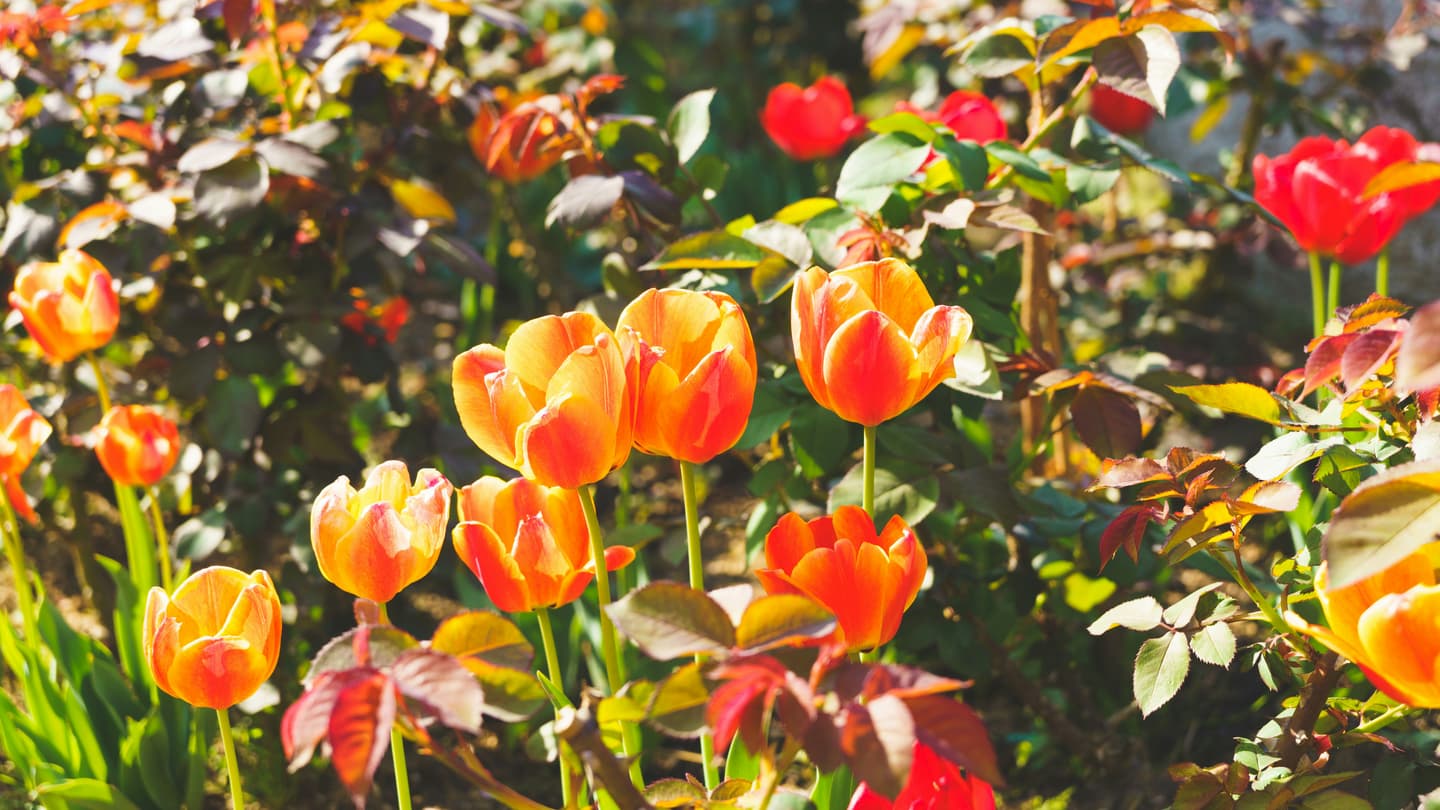
Daegu is South Korea's fourth-largest city, nestled in a basin surrounded by low mountains in the country's southeast. Famous for scorching summers (earning the nickname "DaeFrica"), world-class festivals, and some of Korea's most spirited street-food alleys, it rewards visitors with an authentic urban experience free of Seoul's crowds. Rich in textile history, Buddhist heritage, and a buzzing university scene, Daegu blends old Korea with a creative, youthful energy.
More cities for these months: Where to go in April · Where to go in May · Where to go in September · Where to go in October
Insider tips · Wanderlust Pro
Practical tips on the sights and neighbourhoods in this Daeguguide — when to go, what most visitors miss. Written with AI about the guide's own places; double-check details before you go. Pro members see every tip.
The quick answers travelers want before they commit to flights, neighborhoods, and how long to stay.
Most international travellers arrive via Incheon International Airport (ICN) and connect onward. The fastest link is the KTX high-speed rail: take the AREX express train from Incheon to Seoul Station, then board a KTX to Dongdaegu Station — a journey of roughly 1 hour 45 minutes from Seoul. A direct limousine bus from Incheon to Daegu (via Gumi) runs every ~50 minutes from 06:40–22:30 and takes about 5 hours, costing ₩30,000 (₩33,000 at night). Express buses from Seoul's Express Bus Terminal or Dong Seoul Bus Terminal reach Daegu in about 3 hours 40 minutes; regular fares start at ₩14,800. Daegu also has its own international airport (TAE, IATA), located just 10 km east of the city centre, which handles domestic routes and a limited number of international flights. A taxi from TAE to the Dongseong-ro city centre costs around ₩7,000 and takes 25 minutes; alternatively, take bus No. 401 (fare ₩1,100) from the terminal.
Daegu has three metro lines covering the city's main sights. Line 1 (Red) runs north–south, connecting the airport area, Dongdaegu Station, and Dongseong-ro; Line 2 (Green) runs east–west serving Duryu Park and Suseong-gu. There is no subway station at TAE itself — alight at Ayanggyo Station and take a short local bus or taxi to the terminal. A T-Money card covers all metro, bus, and taxi trips with free transfers between metro and bus. Standard metered taxis start at ₩3,300 (day) / ₩4,800 (night surcharge) and are the go-to for late-night rides or reaching mountain trailheads. Use Kakao T for ride-hailing — Uber is not widely available in Daegu. For navigation, skip Google Maps and use Naver Map or KakaoMap, both of which offer English interfaces and real-time bus tracking. A hop-on hop-off city tour bus also covers major sightseeing stops.
Spring (April–May) is Daegu's sweet spot: temperatures hover between 10–20 °C, cherry blossoms burst across the city's parks, and the air is crisp and walkable. Autumn (September–October) runs a close second, with cool days, golden foliage on Mt. Palgong, and the city's festivals in full swing. Summer (July–August) is intense — Daegu is infamous for recording some of South Korea's highest temperatures, often exceeding 40 °C, earning it the nickname 'DaeFrica'. July also brings the bulk of the annual 46-inch rainfall, concentrated in monsoon downpours. Winter (December–February) is quiet and budget-friendly, with low tourist numbers keeping accommodation prices down; snowfall is light and not guaranteed every year. For festival lovers, the Daegu International Jazz Festival and Daegu International Musical Festival are highlights of the spring and summer calendar.
Start at Cheongna Hill and walk the Modern Culture Alley (Route 2), exploring early 20th-century architecture, Gyesan Cathedral, and the 3.1 March Memorial Steps.
Head to Dongseong-ro for shopping and café-hopping, then duck into Kim Kwang-seok Street to admire the mural-lined alley and guitar installations dedicated to the folk legend.
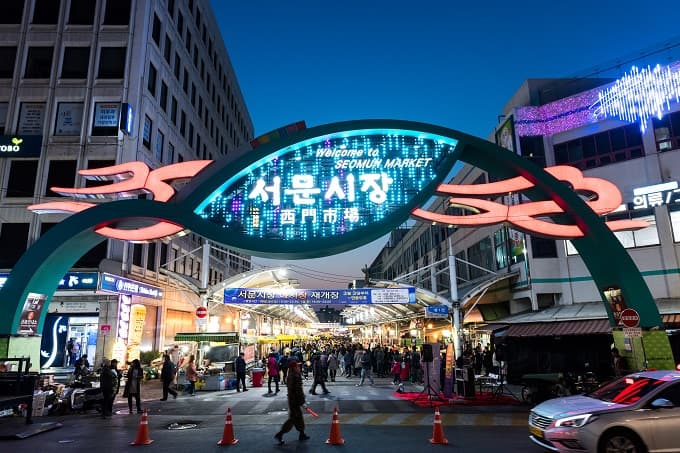
Dive into Seomun Market's night-food scene: tteokbokki, Korean fried chicken, and makchang (grilled intestines) at Anjirang Gopchang Street nearby.
Take Line 1 toward Dong-gu and connect to Donghwasa Temple on Mt. Palgong. Explore the forested temple grounds and visit the 33-metre Unification Healing Buddha — one of the world's largest stone Buddha sculptures.
Ride the Palgong cable car for panoramic ridge views, then descend for a late lunch at one of the mountain-foot restaurants.
Return to the city and head to Daegu 83 Tower at E-World — catch the city skyline from the 202-metre observation deck and stay for the LED light show after dark.
Take the cable car up Apsan Mountain (₩14,000 round trip) to the quirky Moon Rabbit-themed observatory for sweeping panoramic views of the city basin.
Visit the Daegu Herbal Medicine Market (Yangnyeongsi) — a fascinating warren of stalls selling ginseng, dried mushrooms, and traditional remedies — then browse Chilseong Market for local produce and street snacks.
Wind down with dinner in Suseong-gu near the lake, sampling Daegu's famous flat dumplings (napjak mandu) and cold noodles before a lakeside stroll.
Real coworking spaces, laptop-friendly cafés, and libraries mapped near the center of the city — the closest, best-rated desks first.
No coworking-ready spots surfaced for this city yet.
Pick a different category or check back once we’ve indexed more desks for this city.
Ask for cafés, quiet neighborhoods, date-night spots, or a first 48-hour plan.
Mention calls, Wi-Fi needs, or how much of the day has to stay laptop-friendly.
Get faster answers on where to stay, when to move neighborhoods, and what to skip.
Written by signed-in Wanderlust members. We don't check that a reviewer has visited.
No reviews of Daegu yet.
Tell the planner your dates, who's coming, your budget and pace, and it drafts a day-by-day itinerary you can edit.
Wanderlust Pro
Insider tips for Daegu, unlimited AI-built itineraries, and travel companions you can invite to plan a trip together. From $5.00/month, billed annually.
Insider tips · Wanderlust Pro
Practical tips on the sights and neighbourhoods in this Daeguguide — when to go, what most visitors miss. Written with AI about the guide's own places; double-check details before you go. Pro members see every tip.