Top sight
Top sight
South Korea's Capital of Democracy — where bold art, fiery food, and a resilient spirit meet at the foot of Mudeungsan.
Gwangju is South Korea's sixth-largest city and a proud cultural powerhouse in the country's southwest. Celebrated as the birthplace of the Korean democracy movement, it is home to the internationally renowned Gwangju Biennale, a thriving street-art scene, and some of the country's most distinctive regional cuisine. Flanked by Mudeungsan National Park and acting as a gateway to the scenic Honam region, Gwangju rewards curious travellers who venture beyond Seoul with genuine character and far fewer crowds.
More cities for these months: Where to go in March · Where to go in April · Where to go in May · Where to go in September · Where to go in October · Where to go in November
Insider tips · Wanderlust Pro
Practical tips on the sights and neighbourhoods in this Gwangjuguide — when to go, what most visitors miss. Written with AI about the guide's own places; double-check details before you go. Pro members see every tip.
The quick answers travelers want before they commit to flights, neighborhoods, and how long to stay.
**By Air:** Gwangju Airport (KWJ) handles domestic flights, primarily from Gimpo (Seoul). International travellers arriving at Incheon must first transfer to Gimpo domestic airport, then fly onward to Gwangju.
**By KTX (High-Speed Rail):** The fastest and most popular option from Seoul. KTX trains depart from Seoul Station (Yongsan Line) and reach Gwangju-Songjeong Station in approximately 2 hours, with around six daily services; one-way tickets start from around ₩44,000 (~$33 USD). The KTX is also reachable via Suseo SRT, taking roughly 2h 50m.
**By Express Bus:** Direct buses from Seoul's Central City Bus Terminal depart every 15 minutes and arrive at U-Square Gwangju Bus Terminal in about 3h 20m; fares range from ₩20,800–₩36,000 (~$15–$27 USD). Buses from Incheon Airport to Gwangju run 23 times daily (06:50–22:40) and take approximately 4 hours (₩30,900).
**Metro:** Gwangju has one subway line running east–west, linking key stops including Gwangju Airport, the downtown Culture Complex, Yangdong Market, and Songjeong (KTX station). It is a useful backbone for tourists, though coverage is limited. Note that the subway does not connect to the main bus terminal or Gwangju Station (old rail).
**City Bus:** An extensive bus network fills the gaps left by the metro and is the primary mode for locals. A Mybi or Hanpay transport card (the local equivalent of T-Money) unlocks discounted fares and free bus-metro transfers.
**Taxis & Kakao T:** Metered taxis are plentiful and inexpensive by Western standards. Use the Kakao T app for convenient hailing and fare estimates. Naver Maps (preferred over Google Maps) is the go-to navigation tool.
**On Foot:** The Yangnim-dong, downtown Geumnam-ro, and Jungoe Park areas are very walkable and best explored on foot.
**Spring (March–May)** is widely regarded as the finest time to visit Gwangju. Cherry blossoms appear in late March and April, temperatures are comfortable, and the city's outdoor spaces—including the trails of Mudeungsan—are at their most inviting. Crowds remain manageable compared to Seoul.
**Autumn (September–November)** is equally rewarding, with vivid foliage painting the mountain slopes and another window of mild weather perfect for hiking and sightseeing. Bear in mind that the Chuseok national holiday can cause a temporary spike in transport prices and hotel demand.
**Summer (June–August)** brings heat, humidity, and a significant monsoon season—not ideal for outdoor exploration, though the city's arts calendar stays lively.
**Winter (December–February)** is cold and occasionally snowy, but crowds are at their lowest and accommodation is cheap. The Gwangju Biennale, one of Asia's premier contemporary art events, takes place every two years (even years) in late summer/autumn and is a major draw for art enthusiasts planning their trip.
Begin at the May 18th National Cemetery to pay respects and understand Gwangju's pivotal role in Korea's democracy movement. Walk through the 5.18 Democracy Square and visit the Old Provincial Hall building, a free museum preserving the events of 1980.
Head to the National Asian Culture Center (ACC) in Dong-gu for world-class exhibitions and striking architecture. Stroll along Geumnam-ro, Gwangju's main boulevard, and explore the surrounding street-art murals.
Dinner in the Chungjang-ro area — try locally famous dishes like spicy pork (dweji-bulgogi) or the Gwangju-style set meal (hansik). Wind down at one of the craft beer bars in the Sangmu district.
Explore Yangnim-dong, a charming hillside neighbourhood of restored hanok, colonial-era churches, narrow alleys, indie cafés, and the quirky Penguin Village art installation. Follow the posted walking trail at your own pace.
Take the metro to Yangdong Market, one of Gwangju's great traditional markets, for lunch and street food sampling. Then head to the 1913 Songjeong Station Market near the KTX terminal — a beautifully restored old market brimming with food stalls, vintage shops, and craftspeople.
Return downtown for an evening visit to Jungoe Park and the Gwangju Biennale grounds (or Gwangju Museum of Art if the Biennale is not in session). Finish with a stroll along the illuminated riverside at Gwangjuho Lake Eco Park.
Rise early and take a bus or taxi to Mudeungsan National Park. Hike the trails up toward the Gatbawi rock formation and enjoy panoramic views of the city below. Trails range from easy valley walks to more demanding summit routes — allow 3–4 hours.
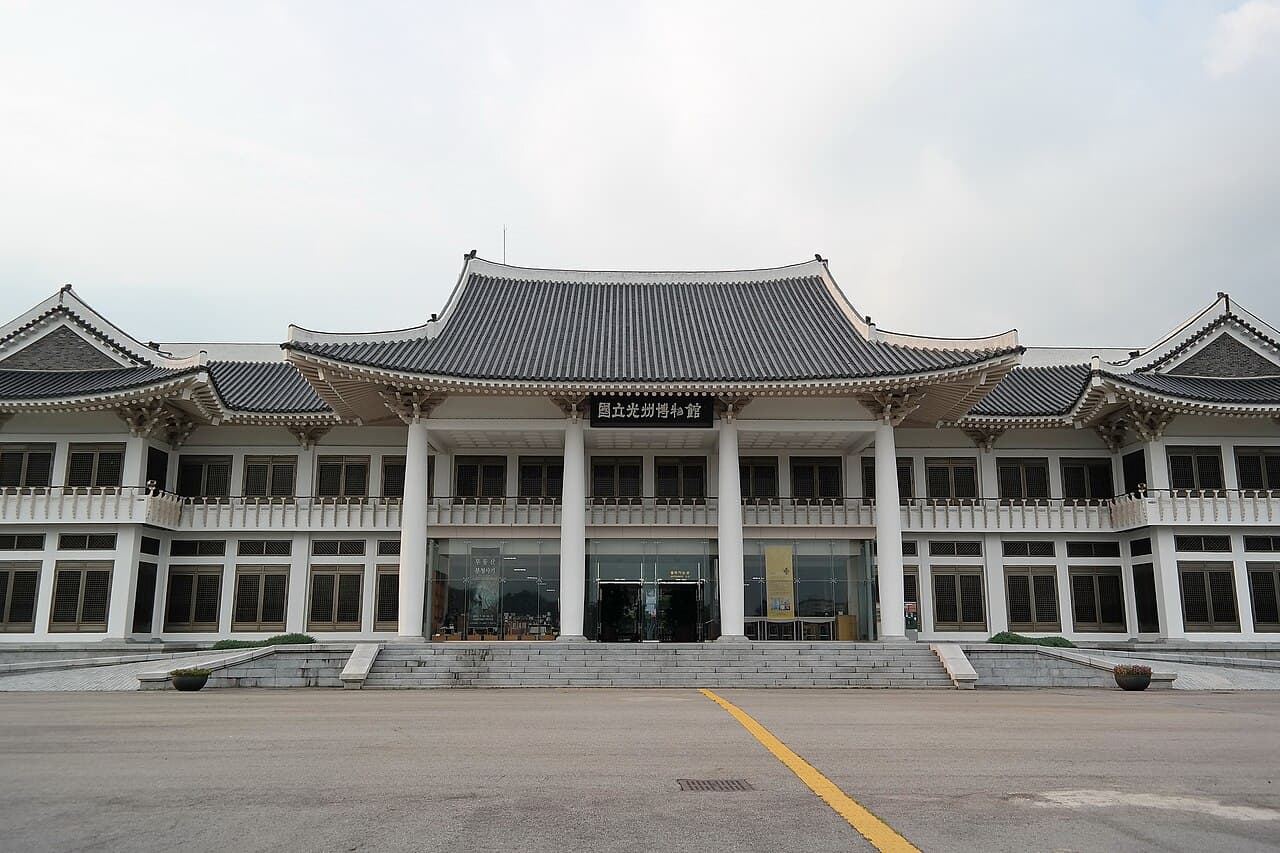
Head to nearby Damyang (30 min by bus) to walk through the famous Juknokwon bamboo forest and cycle or stroll the metasequoia-lined road — one of Korea's most scenic stretches. Alternatively, visit Gwangju National Museum for a quieter cultural counterpoint.
Return to Gwangju and celebrate your final evening with a traditional Jeolla-style dinner — look for a restaurant serving bibimbap or a full hansik spread. Browse the boutiques and cafés of the Bitgoeul neighbourhood before heading back.
Real coworking spaces, laptop-friendly cafés, and libraries mapped near the center of the city — the closest, best-rated desks first.
No coworking-ready spots surfaced for this city yet.
Pick a different category or check back once we’ve indexed more desks for this city.
Ask for cafés, quiet neighborhoods, date-night spots, or a first 48-hour plan.
Mention calls, Wi-Fi needs, or how much of the day has to stay laptop-friendly.
Get faster answers on where to stay, when to move neighborhoods, and what to skip.
Written by signed-in Wanderlust members. We don't check that a reviewer has visited.
No reviews of Gwangju yet.
Tell the planner your dates, who's coming, your budget and pace, and it drafts a day-by-day itinerary you can edit.
Wanderlust Pro
Insider tips for Gwangju, unlimited AI-built itineraries, and travel companions you can invite to plan a trip together. From $5.00/month, billed annually.
Insider tips · Wanderlust Pro
Practical tips on the sights and neighbourhoods in this Gwangjuguide — when to go, what most visitors miss. Written with AI about the guide's own places; double-check details before you go. Pro members see every tip.