Top sight
Top sight
Where the iconic Leaning Tower anchors a living, breathing university city full of Tuscan character.
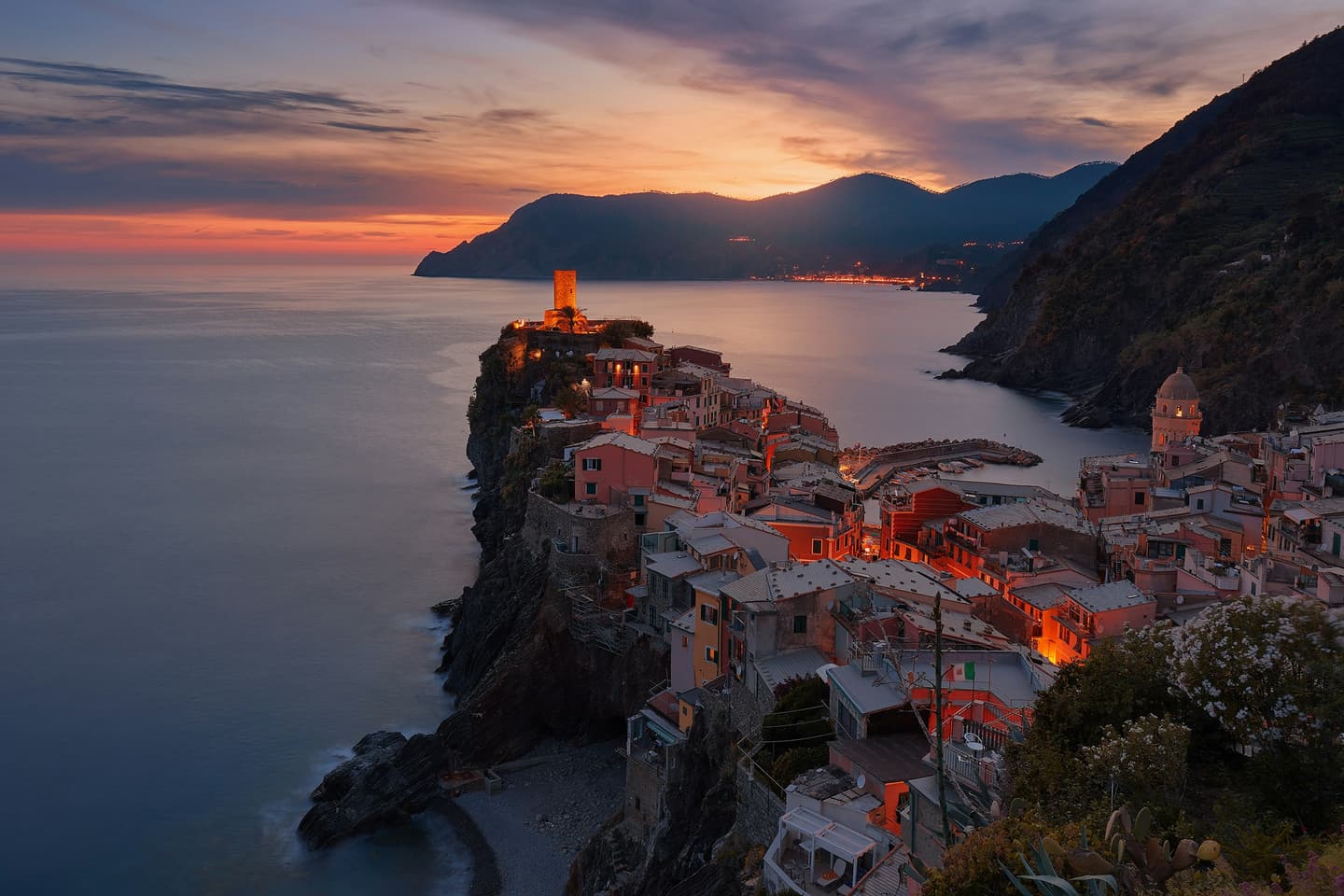
Pisa is far more than its world-famous tilting tower — it's a compact, walkable Tuscan city where medieval architecture, Renaissance piazzas, and a lively student culture blend seamlessly along the Arno River. Once a maritime republic rivalling Venice and Genoa, the city retains an enviable portfolio of Romanesque buildings, Gothic churches, and riverside promenades largely untouched by mass tourism. Its proximity to Florence, Lucca, and the Cinque Terre coast makes it an excellent base for exploring the broader region.
More cities for these months: Where to go in April · Where to go in May · Where to go in June · Where to go in September · Where to go in October
Insider tips · Wanderlust Pro
Practical tips on the sights and neighbourhoods in this Pisaguide — when to go, what most visitors miss. Written with AI about the guide's own places; double-check details before you go. Pro members see every tip.
The quick answers travelers want before they commit to flights, neighborhoods, and how long to stay.
Galileo Galilei Airport (PSA) sits just 1 km from Pisa Centrale station — one of Italy's most convenient airport-city links. The PisaMover automated shuttle connects the airport to Pisa Centrale in about 5 minutes, running every 5–8 minutes daily from 6 a.m. to midnight (until 1 a.m. in summer), with tickets at approximately €6.50 per person. Taxis queue outside arrivals and charge a city-imposed flat fare of around €10.60 to the central station. From Pisa Centrale, direct trains reach Florence in 50–80 minutes (from ~€9.30), Lucca in under 30 minutes, and the Cinque Terre coast via La Spezia. If arriving from Florence specifically, look for trains stopping at Pisa San Rossore station — just a 5-minute walk from Piazza dei Miracoli — rather than transferring at Pisa Centrale. Long-distance coaches (FlixBus) serve Pisa from Rome, Bologna, and beyond, with fares from as little as €2.98 booked in advance.
Pisa is exceptionally walkable — the entire historic centre from Pisa Centrale station to the Leaning Tower is roughly 1.5 km (about 20–25 minutes on foot), passing Borgo Stretto and Piazza dei Cavalieri en route. For longer journeys, the Autolinee Toscane bus network covers the whole city; the key LAM Rossa line connects the airport, Pisa Centrale, and Piazza dei Miracoli every 10 minutes. A single 70-minute bus ticket costs €1.70 (buy at tobacconists or the AT Bus app to avoid the on-board surcharge); a 24-hour pass is around €4.50–€7. Cycling is a popular local option given the flat terrain. Note that Uber has very limited presence in Pisa — licensed white taxis are the reliable on-demand option, metered within city limits at roughly €12–€15 for common journeys. Avoid driving into the centre: ZTL (restricted traffic zones) are actively enforced.
Spring (April–May) and early autumn (September–October) are the sweet spots for visiting Pisa: temperatures are pleasantly mild, the marble of the Piazza dei Miracoli glows in soft light, and crowds are far more manageable than the sweltering July–August peak. June is a special case — it's the most popular month locally, hosting the Luminara di San Ranieri (thousands of candles lining the Arno), the Regata Storica, and the Gioco del Ponte battle on the medieval bridge. Summer heat can make outdoor sightseeing tiring, but Pisa's proximity to the Tyrrhenian Sea keeps temperatures slightly milder than inland Tuscany. Winter is quiet and cheap — ideal for budget travellers who don't mind cooler days and occasional rain.
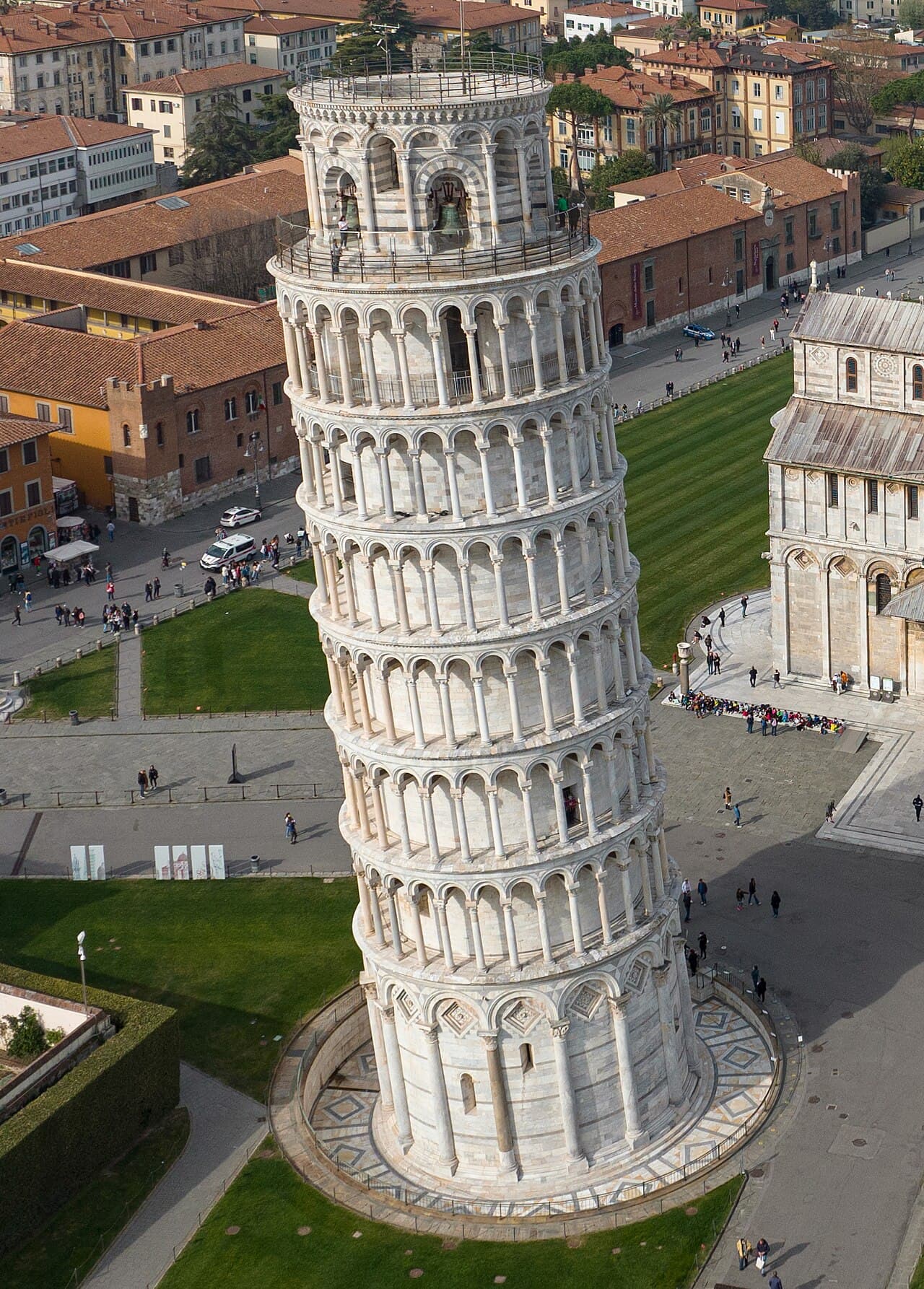
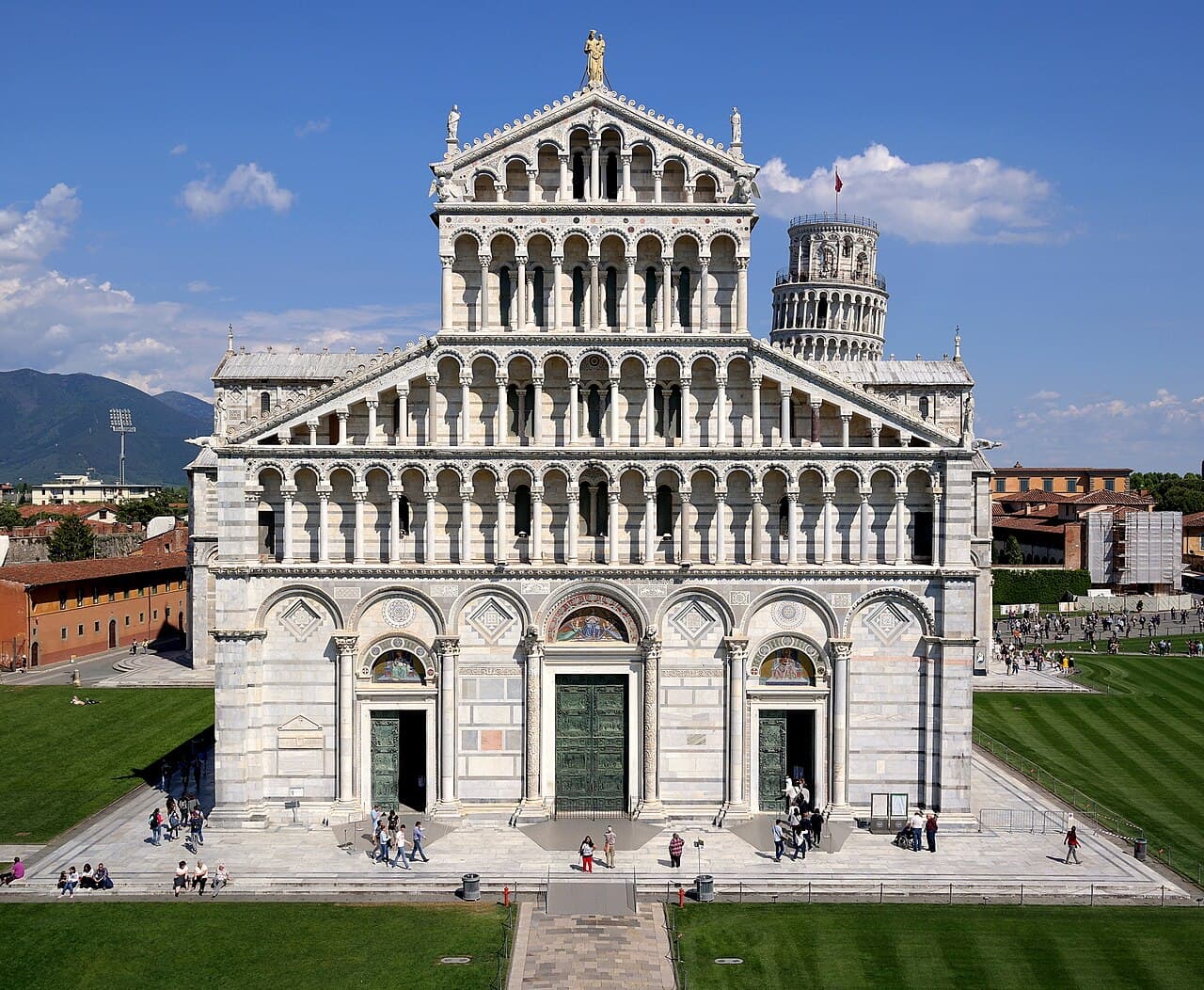
Arrive early (before 9 a.m.) at Piazza dei Miracoli to beat the crowds. Book a Leaning Tower climb in advance online (€20/person) for sweeping Tuscan panoramas. Explore the Duomo — admission is free with a timed entry pass — and admire Giovanni Pisano's intricate 1302–1311 pulpit inside.
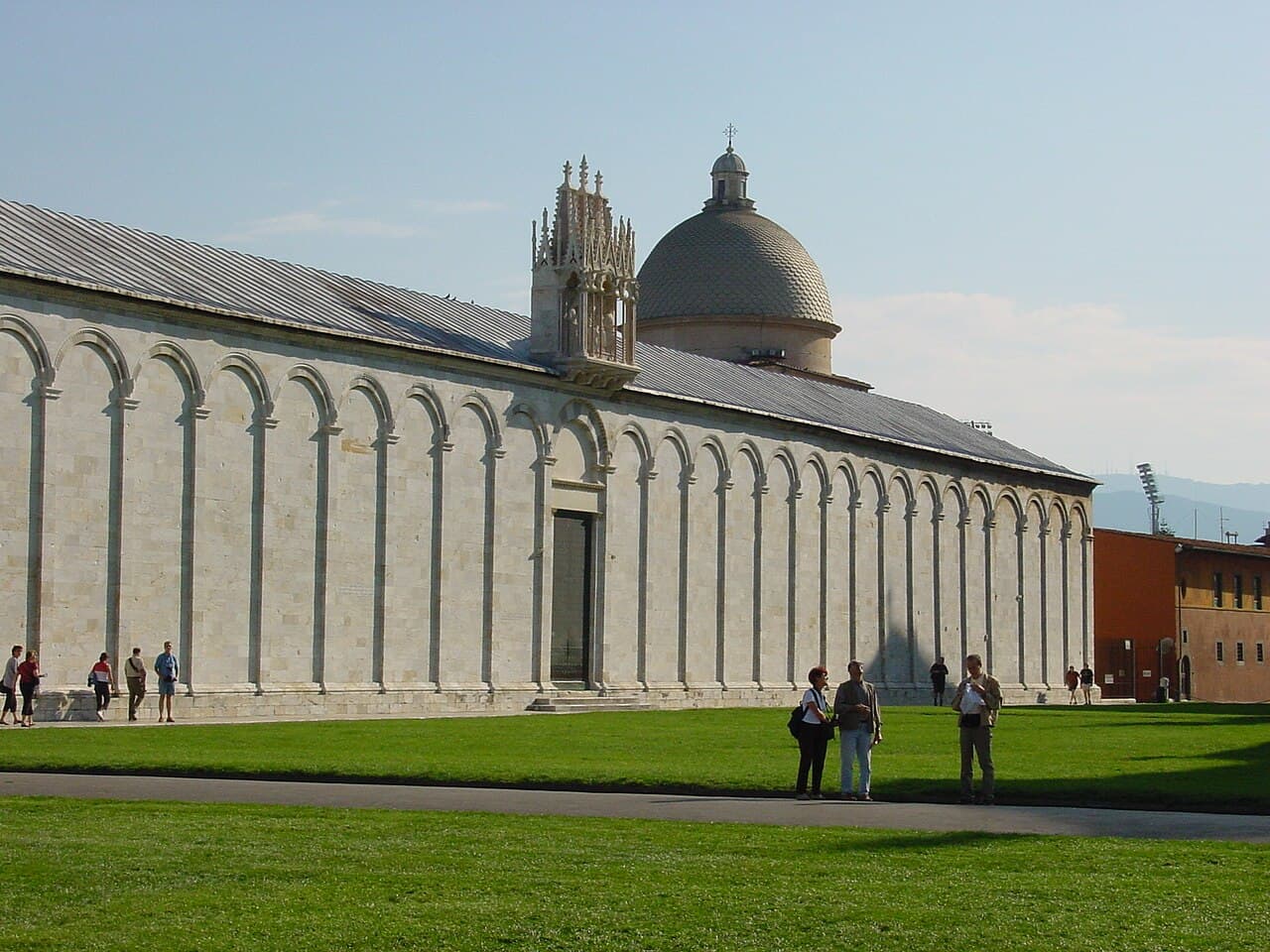
Head to the Baptistry of San Giovanni (ticket ~€6 or included in the combination pass) and listen for the famous acoustic demonstration at :15 and :45 past each hour. Cross to the Camposanto Monumentale cemetery (~€10) for a serene escape from the crowds.
Stroll through medieval Borgo Stretto for aperitivo, then dine on local specialities — try cecina, the thin chickpea-flour pancake that is a true Pisan street-food staple, from a nearby bakery or rosticceria.
Walk to Piazza dei Cavalieri, the heart of Pisa's academic life, to admire Palazzo della Carovana and the Scuola Normale Superiore. Meander through the medieval streets leading toward the Arno and stop for espresso at a student café along Via Ulisse Dini.
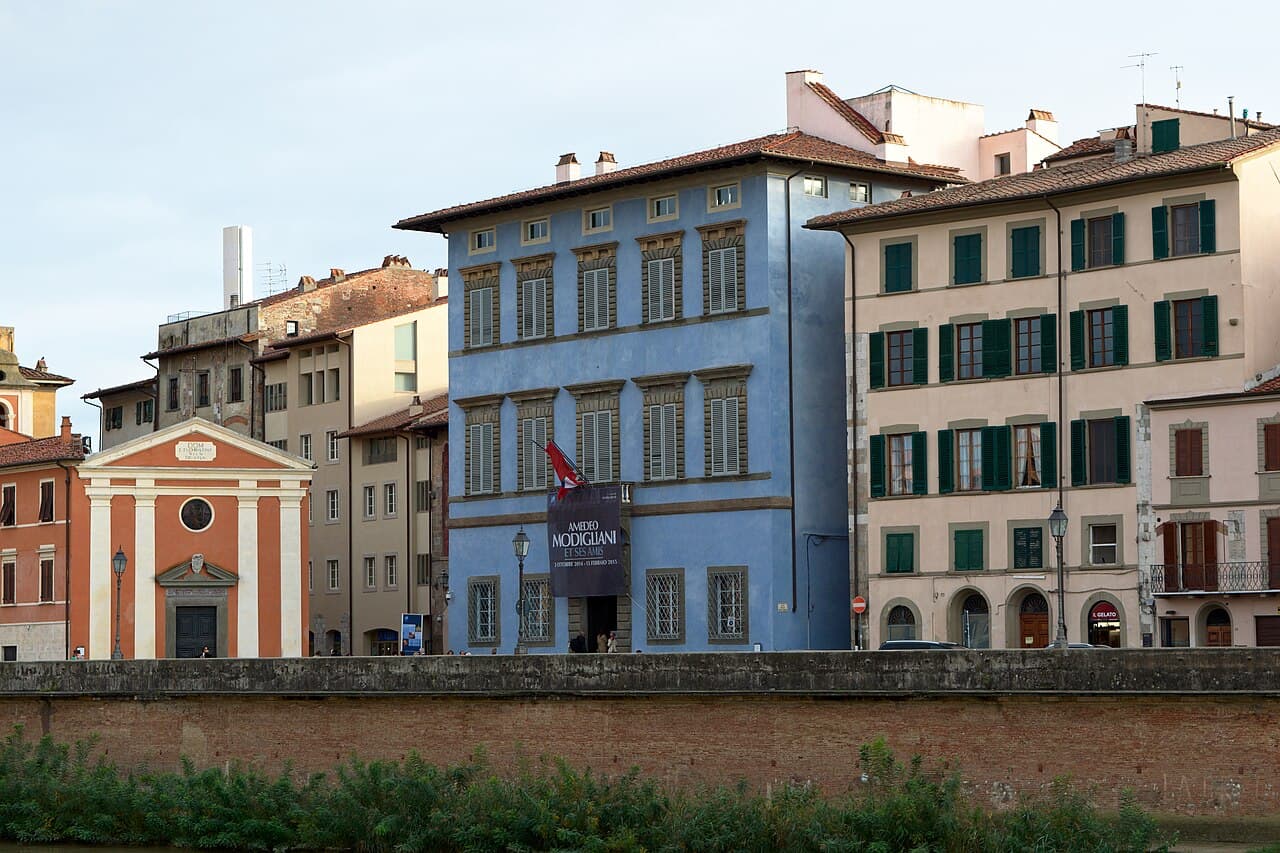
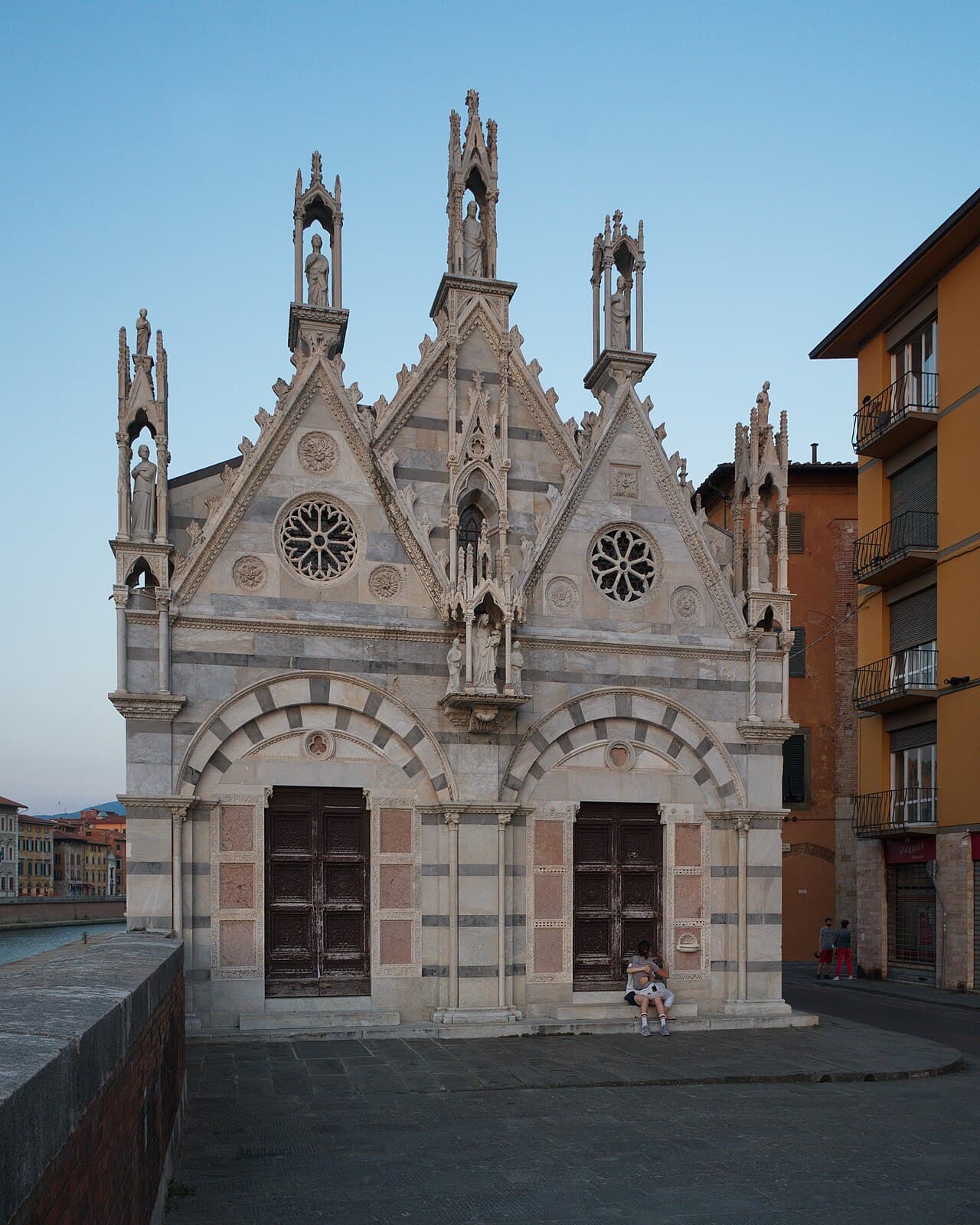
Visit Palazzo Blu on the Arno riverfront (~€8), a 16th-century palace housing contemporary art including works by Picasso and Chagall alongside exhibits on Pisa's civic history. Afterwards, walk downstream to the Gothic jewel Santa Maria della Spina for exterior photos.
Walk along the medieval Mura di Pisa for unusual elevated views of the Piazza dei Miracoli and rooftops at golden hour, then settle into dinner at a trattoria in the Kinzica neighbourhood south of the Arno.
Catch an early regional train to Lucca (under 30 minutes from Pisa Centrale) to walk its intact Renaissance walls, explore Piazza dell'Anfiteatro, and visit the Duomo di San Martino. Alternatively, take the No. 110 bus to Marina di Pisa beach (about 25 minutes) for a morning swim in the Tyrrhenian Sea.
Return to Pisa for a long lunch — opt for a local trattoria well away from Piazza dei Miracoli for better value and authenticity. Browse the market stalls along Corso Italia or pick up Chianti and artisan olive oil for gifts.
Enjoy a final gelato along the Arno at sunset before heading to Pisa Centrale for onward connections, or linger in a riverside bar as the city turns honey-gold in the evening light.
Real coworking spaces, laptop-friendly cafés, and libraries mapped near the center of the city — the closest, best-rated desks first.
No coworking-ready spots surfaced for this city yet.
Pick a different category or check back once we’ve indexed more desks for this city.
Ask for cafés, quiet neighborhoods, date-night spots, or a first 48-hour plan.
Mention calls, Wi-Fi needs, or how much of the day has to stay laptop-friendly.
Get faster answers on where to stay, when to move neighborhoods, and what to skip.
Written by signed-in Wanderlust members. We don't check that a reviewer has visited.
No reviews of Pisa yet.
Tell the planner your dates, who's coming, your budget and pace, and it drafts a day-by-day itinerary you can edit.
Wanderlust Pro
Insider tips for Pisa, unlimited AI-built itineraries, and travel companions you can invite to plan a trip together. From $5.00/month, billed annually.
Insider tips · Wanderlust Pro
Practical tips on the sights and neighbourhoods in this Pisaguide — when to go, what most visitors miss. Written with AI about the guide's own places; double-check details before you go. Pro members see every tip.