Top sight
Top sight
Sardinia's sun-soaked capital where ancient hilltop citadels meet Europe's finest city beach.
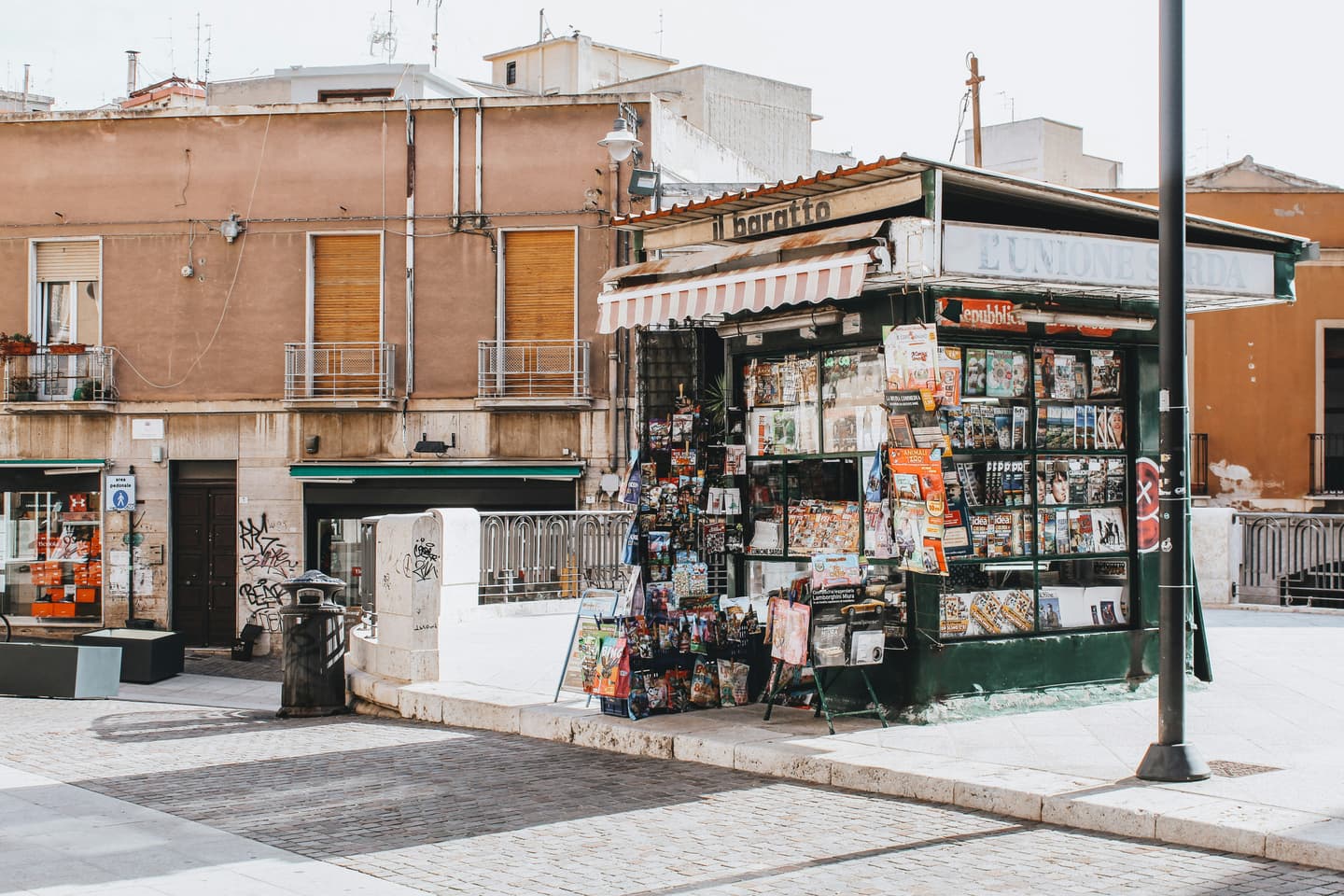
Cagliari is the vibrant capital of Sardinia, a real Mediterranean city of over 150,000 people perched on seven limestone hills above the Gulf of Angels. Its layered history — Phoenician, Roman, Pisan, Spanish — is written into the stone of every alleyway in the Castello quarter, while the 8 km of powdery white sand at Poetto Beach and the flamingo-filled Molentargius wetlands offer spectacular natural escapes. The city blends a lively dining and nightlife scene with genuine Italian authenticity, remaining refreshingly free of mass tourism even as it welcomes visitors year-round.
More cities for these months: Where to go in April · Where to go in May · Where to go in June · Where to go in September · Where to go in October
Insider tips · Wanderlust Pro
Practical tips on the sights and neighbourhoods in this Cagliariguide — when to go, what most visitors miss. Written with AI about the guide's own places; double-check details before you go. Pro members see every tip.
The quick answers travelers want before they commit to flights, neighborhoods, and how long to stay.
Cagliari Elmas Airport (CAG) sits just 7 km northwest of the city centre, making arrivals fast and painless. The cheapest option is the train: the dedicated Elmas Aeroporto station is a 5-minute walk from the terminal, with services running roughly every 20 minutes from around 5 AM to after 9 PM; the single fare is €1.30 and the ride into Cagliari's central Piazza Matteotti takes only 5–7 minutes. The ARST regional bus (route 501) is also available, departing roughly every 30 minutes for around €1.30 and reaching the city in approximately 10–15 minutes. Taxis queue outside Arrivals 24/7 and average €25 for the metered ride to the centre (about 12–15 minutes); note that most drivers do not accept card payments. Pre-booked private transfers start at around €44 for a sedan. From mainland Italy, direct flights from Rome and Milan take just over an hour, with low-cost fares starting from around €30 on Ryanair. Ferries from Rome's Civitavecchia port are also an option, though the crossing takes around 13 hours.
The historic centre — Castello, Marina, Stampace, and Villanova — is compact and best explored on foot, though expect hilly streets and cobblestones. For longer distances, the CTM bus network is extensive; tickets cost approximately €1.30 per ride and can be bought at kiosks or via the CTM app. Cagliari also has a light metro (MetroCagliari) tram running between Piazza Repubblica and the university campus. City taxis are available at designated stands but are more expensive. To reach Poetto Beach and Sella del Diavolo, public buses (e.g. lines 5 and 11) connect the centre to the coast. Renting a car is strongly recommended for day trips around Sardinia — rental offices are located at the airport and throughout the city, from around €25/day.
The sweet spots for visiting Cagliari are April–June and September–October, when temperatures are mild (55–75°F / 13–24°C), the sea is warm enough to swim, and the city's attractions are enjoyably uncrowded. Spring brings wildflowers on the Sella del Diavolo trails and pink flamingos at their most visible in Molentargius. July and August are peak season: the beach pulses with life, outdoor concerts fill the Roman Amphitheatre and Poetto promenade, and sea temperatures reach a balmy 75°F — but expect crowds, higher prices, and intense heat inland. September is arguably the ideal month: summer energy lingers but the holiday rush fades. Winter is genuinely mild by northern European standards and increasingly popular with culture-focused visitors; February sees Carnival celebrated island-wide. Sardinia's interior, including day trips to Nuragic sites like Su Nuraxi di Barumini, is best visited in spring or autumn when oppressive summer heat is absent.
Start with a cappuccino at a bar under the arcades of Via Roma in the Marina district, then take the lift or climb the staircase up to the Castello quarter. Wander the narrow lanes to Torre di San Pancrazio and Torre dell'Elefante, and enjoy panoramic views over the port and Gulf of Angels.
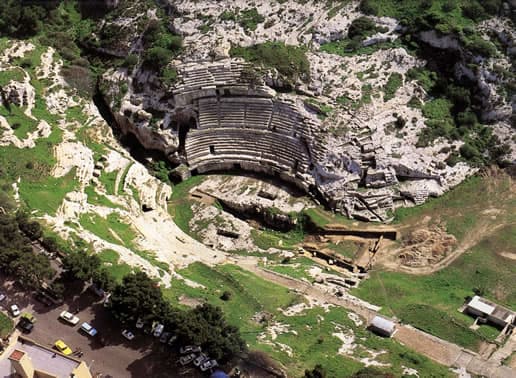
Visit the Cittadella dei Musei: the National Archaeological Museum houses the extraordinary Giants of Mont'Prama statues and a superb Nuragic collection. Descend through Stampace to see the 2nd-century Roman Amphitheatre carved into the hillside and the adjacent Orto Botanico garden.
Return to the Marina district for the passeggiata along Via Roma, then choose a trattoria for Sardinian classics — culurgiones pasta, spit-roast suckling pig, and bottarga (mullet roe). Finish with an aperitivo in buzzy Piazza Yenne.
Take the CTM bus to Calamosca and hike the well-marked trail up Sella del Diavolo (about 1 hour to the top). The saddle-shaped promontory offers sweeping views over Poetto Beach and the Molentargius wetlands — look for pink flamingos in the lagoon below.
Descend and spend the afternoon at Poetto Beach — 8 km of white sand with beach-bar kiosks, paddleboard and kayak hire, and clear water ideal for snorkelling. Grab lunch from one of the casual beach restaurants along the promenade.
Head to the Bastione di Saint Remy in Castello for one of Cagliari's finest sunsets over the city rooftops. Stroll down to Villanova for dinner at a neighbourhood osteria, where tables spill onto charming backstreets.
Pick up a rental car (or join a guided tour) for the 1-hour drive north to Su Nuraxi di Barumini, a UNESCO World Heritage Nuragic complex dating to the Bronze Age. A guided tour of the site takes about 1.5 hours and brings Sardinia's prehistoric civilisation vividly to life.
Return via the Marmilla Valley, stopping at the Giara plateau to spot wild Giara horses, or visit the nearby Domus de Janas Neolithic rock-cut tombs. Back in Cagliari, browse the relocated San Benedetto Market stalls in Piazza Nazzari for local cheese, saffron, and Cannonau wine.
Wind down with a boat trip in the Gulf of Cagliari at sunset, or explore the Bonaria hill and its elegant white basilica. End the trip with a seafood dinner — try cassola fish soup or fresh clams — at a harbour-front restaurant.
Real coworking spaces, laptop-friendly cafés, and libraries mapped near the center of the city — the closest, best-rated desks first.
No coworking-ready spots surfaced for this city yet.
Pick a different category or check back once we’ve indexed more desks for this city.
Ask for cafés, quiet neighborhoods, date-night spots, or a first 48-hour plan.
Mention calls, Wi-Fi needs, or how much of the day has to stay laptop-friendly.
Get faster answers on where to stay, when to move neighborhoods, and what to skip.
Written by signed-in Wanderlust members. We don't check that a reviewer has visited.
No reviews of Cagliari yet.
Tell the planner your dates, who's coming, your budget and pace, and it drafts a day-by-day itinerary you can edit.
Wanderlust Pro
Insider tips for Cagliari, unlimited AI-built itineraries, and travel companions you can invite to plan a trip together. From $5.00/month, billed annually.
Insider tips · Wanderlust Pro
Practical tips on the sights and neighbourhoods in this Cagliariguide — when to go, what most visitors miss. Written with AI about the guide's own places; double-check details before you go. Pro members see every tip.