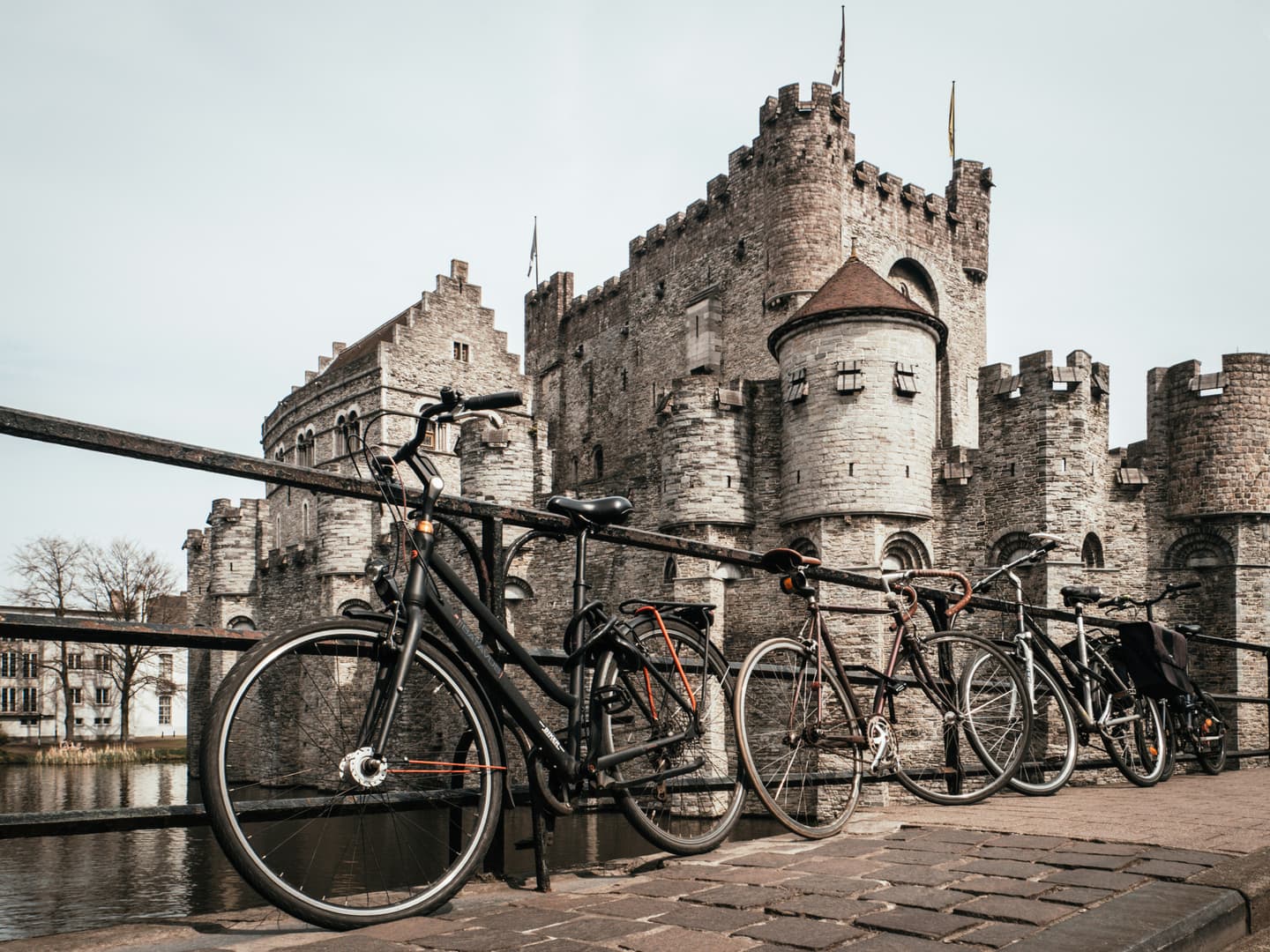
 City postcard
Ghent
Belgium's best-kept secret: a living medieval city buzzing with students, craft beer, and world-class art.
Belgium's best-kept secret: a living medieval city buzzing with students, craft beer, and world-class art.
Ghent is Belgium's third-largest city, set at the confluence of the Leie and Scheldt rivers, where a UNESCO-listed belfry, a moated medieval castle, and the world-famous Ghent Altarpiece anchor a historic core still very much alive with locals. Over a quarter of its 267,000 residents are students, fuelling a creative, socially conscious energy that shows in its vegetarian food scene, independent galleries, and sanctioned street-art alleys. Unlike Bruges, Ghent is a working city — cobblestoned and canal-laced, yet gritty enough to feel authentic rather than museumified.
City postcardBelgium's best-kept secret: a living medieval city buzzing with students, craft beer, and world-class art.
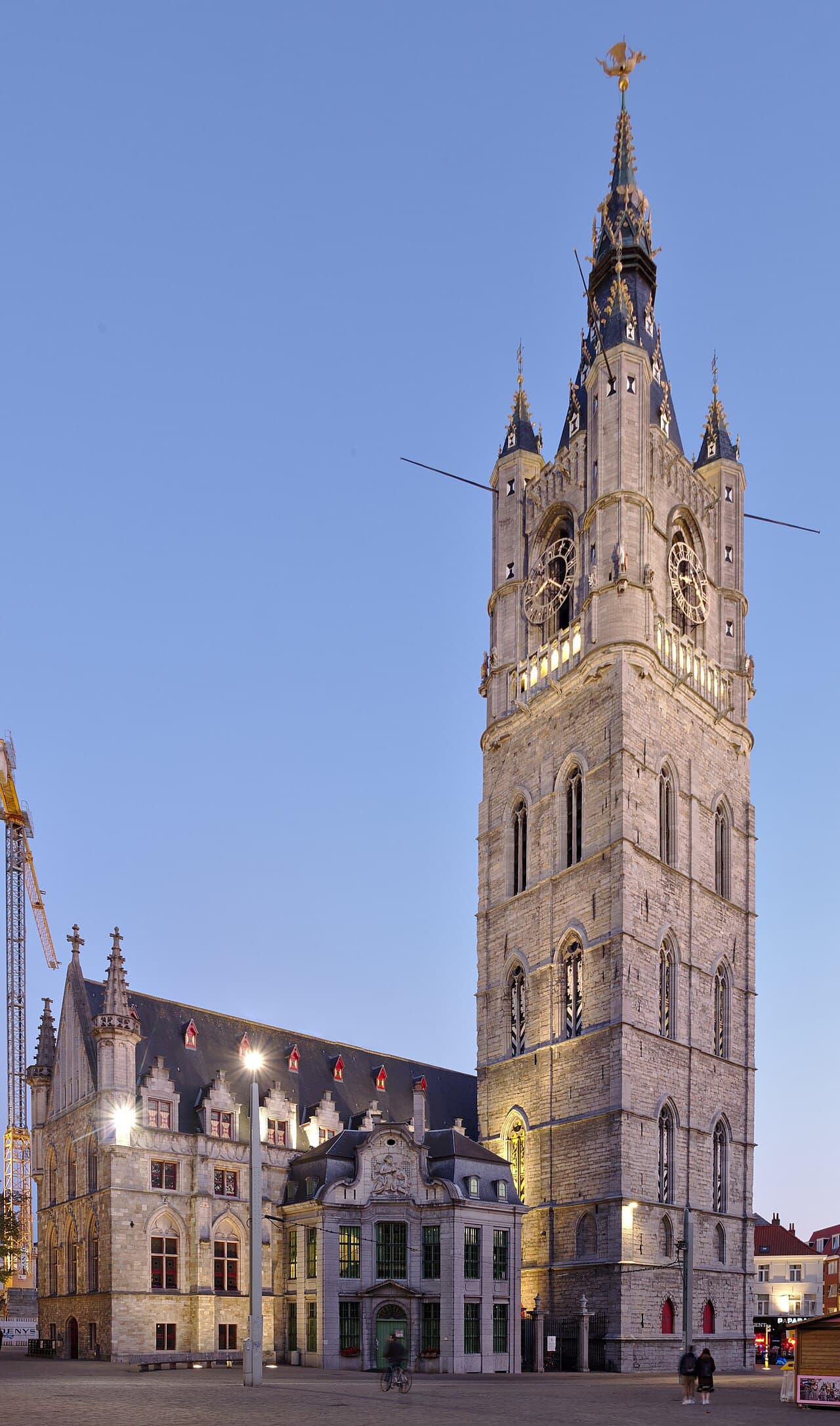 Top sight
A signature stop locals and returning travelers point to in Ghent.
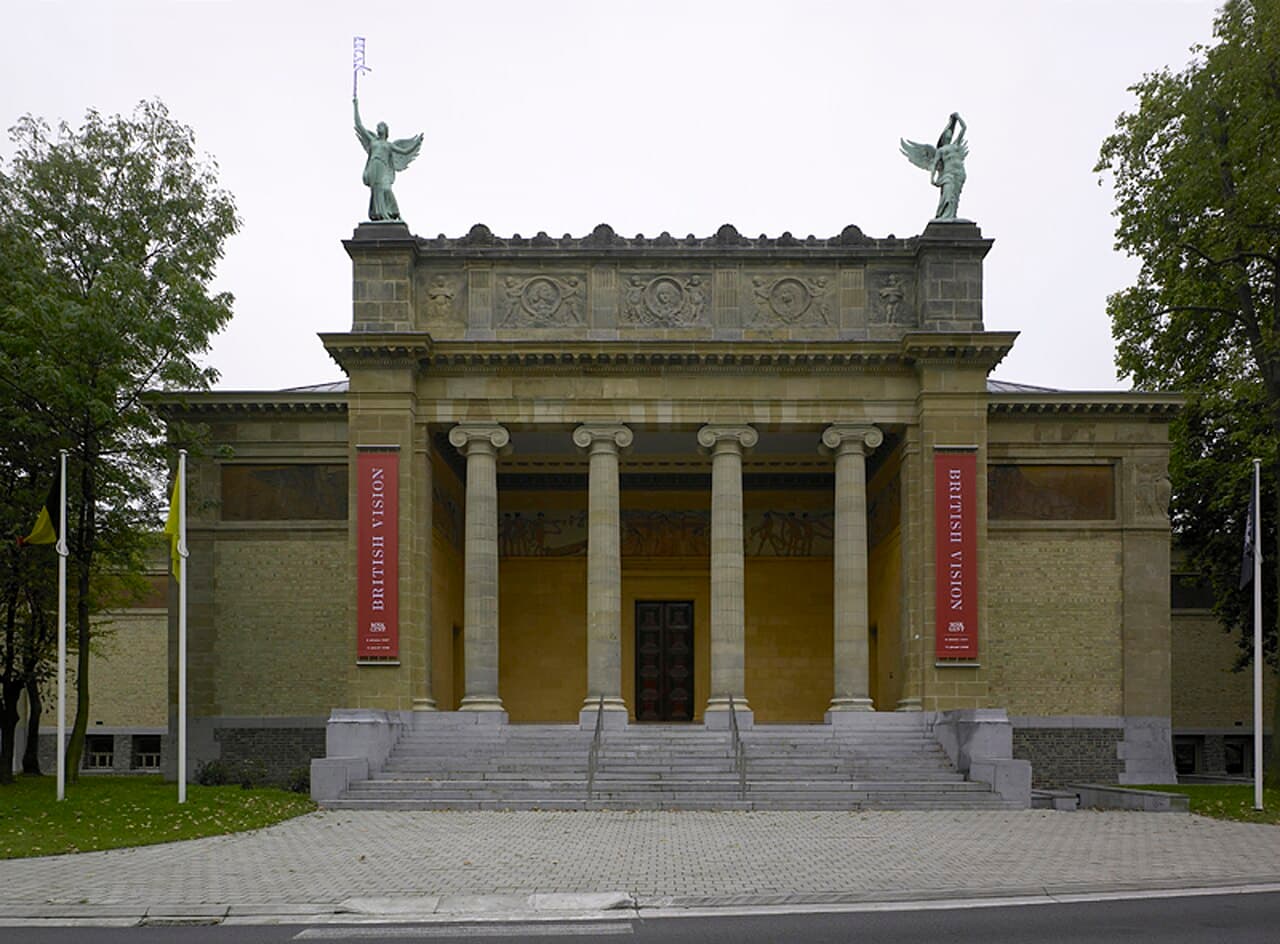 Top sight
A signature stop locals and returning travelers point to in Ghent.
A signature stop locals and returning travelers point to in Ghent.
A signature stop locals and returning travelers point to in Ghent.
A signature stop locals and returning travelers point to in Ghent.
Photo: Trougnouf (Benoit Brummer) · CC BY 4.0
A signature stop locals and returning travelers point to in Ghent.
A signature stop locals and returning travelers point to in Ghent.
A signature stop locals and returning travelers point to in Ghent.
A signature stop locals and returning travelers point to in Ghent.
Photo: marie-julie · Public domain
A signature stop locals and returning travelers point to in Ghent.
A pocket of Ghent with its own temperament — worth a deliberate detour when you're in the area.
A pocket of Ghent with its own temperament — worth a deliberate detour when you're in the area.
A pocket of Ghent with its own temperament — worth a deliberate detour when you're in the area.
A pocket of Ghent with its own temperament — worth a deliberate detour when you're in the area.
The quick answers travelers want before they commit to flights, neighborhoods, and how long to stay.
Ghent has no airport of its own, but is straightforward to reach by rail. The closest gateway is Brussels Airport (BRU) at Zaventem, roughly 67 km away. A direct train from the airport's underground station departs every 30 minutes and reaches Gent-Sint-Pieters in approximately 55 minutes (note: a small 'Diabolo' airport supplement applies on top of the standard fare). From Brussels city centre, intercity trains run every 30 minutes and the journey takes just 30 minutes, with a round-trip fare of approximately €22. From Bruges the ride is about 30 minutes; from Antwerp under an hour. London travellers can take the Eurostar to Brussels (approx. 2 hrs) then connect; the full London-to-Ghent journey runs 3–4 hours. Brussels South Charleroi Airport (CRL) is about 70 minutes by road; a Flibco coach runs several times daily to Gent-Sint-Pieters station. From Gent-Sint-Pieters station, the historic centre is roughly 3.2 km away — take tram lines 1, 2, 3, or 4 directly to Korenmarkt (the heart of the old town), or a taxi.
The historic core is compact and best explored on foot — virtually all major sights are within walking distance of each other. For longer journeys, De Lijn operates four tram lines (T1–T4) and an extensive bus network running from around 5:30 AM to 1:30 AM on weekdays (later on weekends). Trams run up to 8 times per hour during peak hours. A single ticket costs €3 and is valid for 60 minutes, allowing unlimited hops across buses and trams; pay contactlessly with a debit card or smartphone directly on board. For visitors, the CityCard Gent (€42 for 48 hrs / €48 for 72 hrs) is excellent value: it covers unlimited De Lijn trams and buses, free entry to all major attractions, a one-day bike hire, and a hop-on/hop-off water tram ride. The SNCB/De Lijn City Pass (24-hour or monthly) is the best option for longer stays. Note: Ghent's city centre is a Low Emission Zone and a pedestrian area — cars are not permitted; free Park & Ride sites on the outskirts connect to the tram network.
The shoulder seasons — April to June and September to October — are widely considered the best times to visit Ghent. Spring brings blooming canal banks, lively terrace culture, and moderate temperatures without the summer crush. Autumn delivers golden foliage, clear skies, and a noticeably calmer atmosphere once students return to class and summer tourists head home. Summer (July–August) is peak season: the legendary Ghent Festivities (Gentse Feesten), a free 10-day street festival in mid-July, transforms the entire inner city into a multi-stage celebration drawing huge crowds — an unmissable spectacle if you plan ahead for accommodation. Winter is quiet but atmospheric; the Ghent Winter Festivities in December fill the centre with over 150 wooden market stalls, pine trees, and a roller rink. Rain is possible year-round in this corner of Belgium, so a waterproof layer is always wise.
Start at St. Bavo's Cathedral to see the breathtaking Ghent Altarpiece by Van Eyck, then climb the adjacent UNESCO-listed Belfry for panoramic views over Ghent's three-tower skyline.
Walk to the Gravensteen (Castle of the Counts) for a self-guided audio tour of its dungeons and rooftop city views, then wander the cobbled lanes of Patershol for lunch at one of its neighbourhood restaurants.
Stroll the Graslei and Korenlei quays at dusk when the medieval gabled facades reflect in the Leie, then settle into a canal-side terrace bar for local Gruut or Dok Brewing Company craft beer.
Head to Citadel Park (take tram to Sint-Pietersstation area) for the Museum of Fine Arts (MSK) — Belgium's oldest public art museum — and neighbouring S.M.A.K. for contemporary works.
Explore the Design Museum Ghent, then duck into Werregarenstraatje (Graffiti Street) near Korenmarkt for Ghent's ever-changing sanctioned street-art corridor, and browse the vintage shops around Sint-Jacobs.
Dinner in Patershol's restaurant cluster, followed by drinks in the Vlasmarkt bar square — a favourite local gathering spot with a relaxed, neighbourhood feel.
Join a 45-minute guided canal boat tour from the Graslei for a water-level perspective on Ghent's medieval skyline, then visit the Museum of Industry (housed in a former cotton mill) to explore Belgium's industrial history.
Explore Dok Noord, the revitalised industrial quarter, stopping at Hal 16 food hall in a converted brick warehouse for lunch. Visit the Portus Ganda marina where the Scheldt and Leie rivers meet.
Pick up cuberdons (Ghent's iconic raspberry-flavoured nose-shaped candy) and Belgian pralines at Groentenmarkt, then end the trip with cocktails at The Cobbler inside the historic 1898 Post Hotel, overlooking the canal.
Real coworking spaces, laptop-friendly cafés, and libraries mapped near the center of the city — the closest, best-rated desks first.
No coworking-ready spots surfaced for this city yet.
Pick a different category or check back once we’ve indexed more desks for this city.
Ask for cafés, quiet neighborhoods, date-night spots, or a first 48-hour plan.
Mention calls, Wi-Fi needs, or how much of the day has to stay laptop-friendly.
Get faster answers on where to stay, when to move neighborhoods, and what to skip.
There aren’t any, yet!
Block off the weeks you're free. Wanderlust turns this dossier — flights, lodging, neighborhoods, timing — into a single draft itinerary in about ninety seconds.
Wanderlust Pro
Go deeper than the highlights — premium Ghent intel with hidden gems, top stays, and offline access on the ground. From $5.00/month, billed annually.