 City postcard
Antwerp
Belgium's diamond-and-fashion capital — a pocket-sized metropolis where Gothic grandeur meets avant-garde style.
Belgium's diamond-and-fashion capital — a pocket-sized metropolis where Gothic grandeur meets avant-garde style.
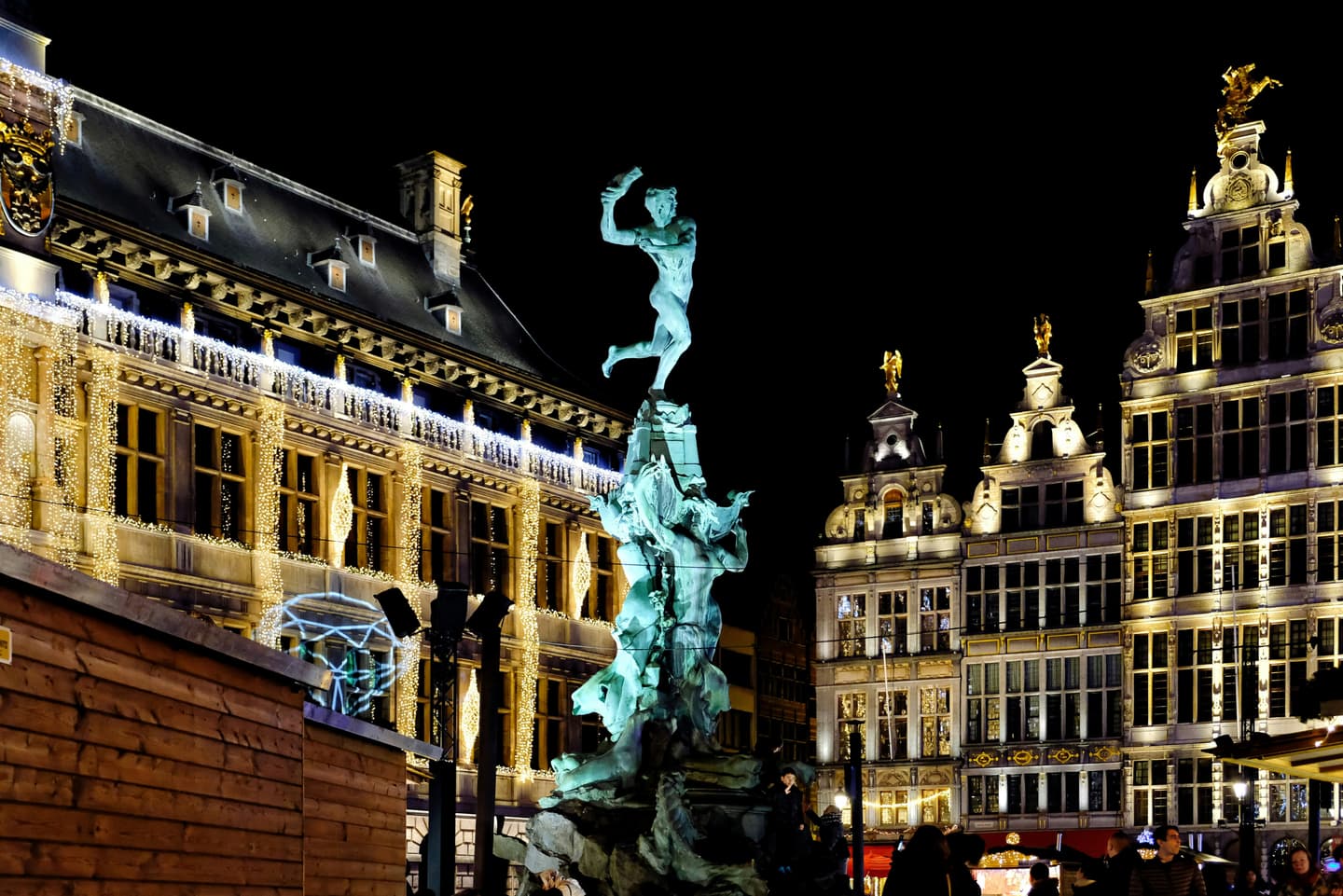
Antwerp is Belgium's second city and the de facto capital of Flanders, shaped by centuries of trade, art, and immigration. Once Europe's most important trading port and the hometown of Peter Paul Rubens, it has reinvented itself as a global hub for diamonds and cutting-edge fashion, while retaining a soaring Gothic cathedral and world-class museums. The city's compact, walkable centre rewards curious exploration — from the grand Grote Markt to the converted docklands of Eilandje — without ever feeling overwhelming.
City postcardBelgium's diamond-and-fashion capital — a pocket-sized metropolis where Gothic grandeur meets avant-garde style.
 Top sight
A signature stop locals and returning travelers point to in Antwerp.
 Top sight
A signature stop locals and returning travelers point to in Antwerp.
A signature stop locals and returning travelers point to in Antwerp.
Photo: Yair Haklai · CC BY-SA 4.0
A signature stop locals and returning travelers point to in Antwerp.
A signature stop locals and returning travelers point to in Antwerp.
A signature stop locals and returning travelers point to in Antwerp.
A signature stop locals and returning travelers point to in Antwerp.
Photo: Zinneke · CC BY-SA 3.0
A signature stop locals and returning travelers point to in Antwerp.
A signature stop locals and returning travelers point to in Antwerp.
A signature stop locals and returning travelers point to in Antwerp.
A pocket of Antwerp with its own temperament — worth a deliberate detour when you're in the area.
A pocket of Antwerp with its own temperament — worth a deliberate detour when you're in the area.
A pocket of Antwerp with its own temperament — worth a deliberate detour when you're in the area.
A pocket of Antwerp with its own temperament — worth a deliberate detour when you're in the area.
The quick answers travelers want before they commit to flights, neighborhoods, and how long to stay.
Most international visitors fly into Brussels Airport (BRU/Zaventem), Belgium's main hub. A direct SNCB/NMBS Intercity train runs from the airport's underground station (level −1) to Antwerp Central Station in roughly 30 minutes, with services every 30 minutes between 5 am and 11 pm; tickets start at around €16 including the Diabolo airport supplement. From Brussels city centre, up to 58 SNCB trains a day connect Brussels Central/Noord/Midi to Antwerp Central in 34–51 minutes, with fares from about €8. FlixBus is the budget option from Brussels at €4–6 for a ~1-hour ride. Antwerp also sits about 2 hours from both Paris and Amsterdam via Eurostar/high-speed rail connecting through Brussels. Antwerp's own small regional airport (ANR) handles limited European routes and is an alternative for nearby travellers.
Antwerp's compact historic centre is highly walkable; most major sights are within a 30-minute walk of Central Station. For longer distances, De Lijn operates a comprehensive network of trams, pre-metro (underground trams), and buses. A single ticket costs €3 and is valid for 60 minutes; a 24-hour day pass runs approximately €7.50. The easiest way to pay is by tapping a contactless debit or credit card on the validator — no pre-purchase needed. Frequent users can load journeys onto a MOBIB smart card or buy a 10-ride Lijnkaart, both available at De Lijn shops and many supermarkets. The Antwerp City Card bundles unlimited De Lijn travel with free or discounted museum entry across 24, 48, or 72 hours. Cycling is popular city-wide; the Velo bike-share scheme offers the first 30 minutes free, and rental bikes cost around €8/day. Uber and metered taxis are available, with taxi fares starting around €3.50.
The sweet spot for visiting Antwerp is April through October, when the weather is mild enough for open-air terraces, river walks, and cycling along the Scheldt. Spring (April–May) is particularly rewarding: temperatures range from 12–20 °C, cherry blossoms appear in parks like Spoor Noord, and crowds are thinner than in summer. May is widely considered the best single month — long days, comfortable temperatures, and the city's famous cycling culture in full swing. Summer (June–August) is Antwerp's most festive season: Zomer van Antwerpen transforms parks, dockside hangars, and a former gasworks into venues for open-air cinema, circus shows, and pop-up bars, while June sunsets stretch past 10 pm. Peak temperatures hover around 22–25 °C — comfortable rather than stifling. Early autumn (September–October) mirrors spring's appeal: crisp air, smaller crowds, and better accommodation rates, paired with the lively start of the cultural season in museums and galleries. Winter brings Christmas markets and festive lights to Groenplaats, though shorter days and grey skies suit the city's museum-heavy indoor offerings best.
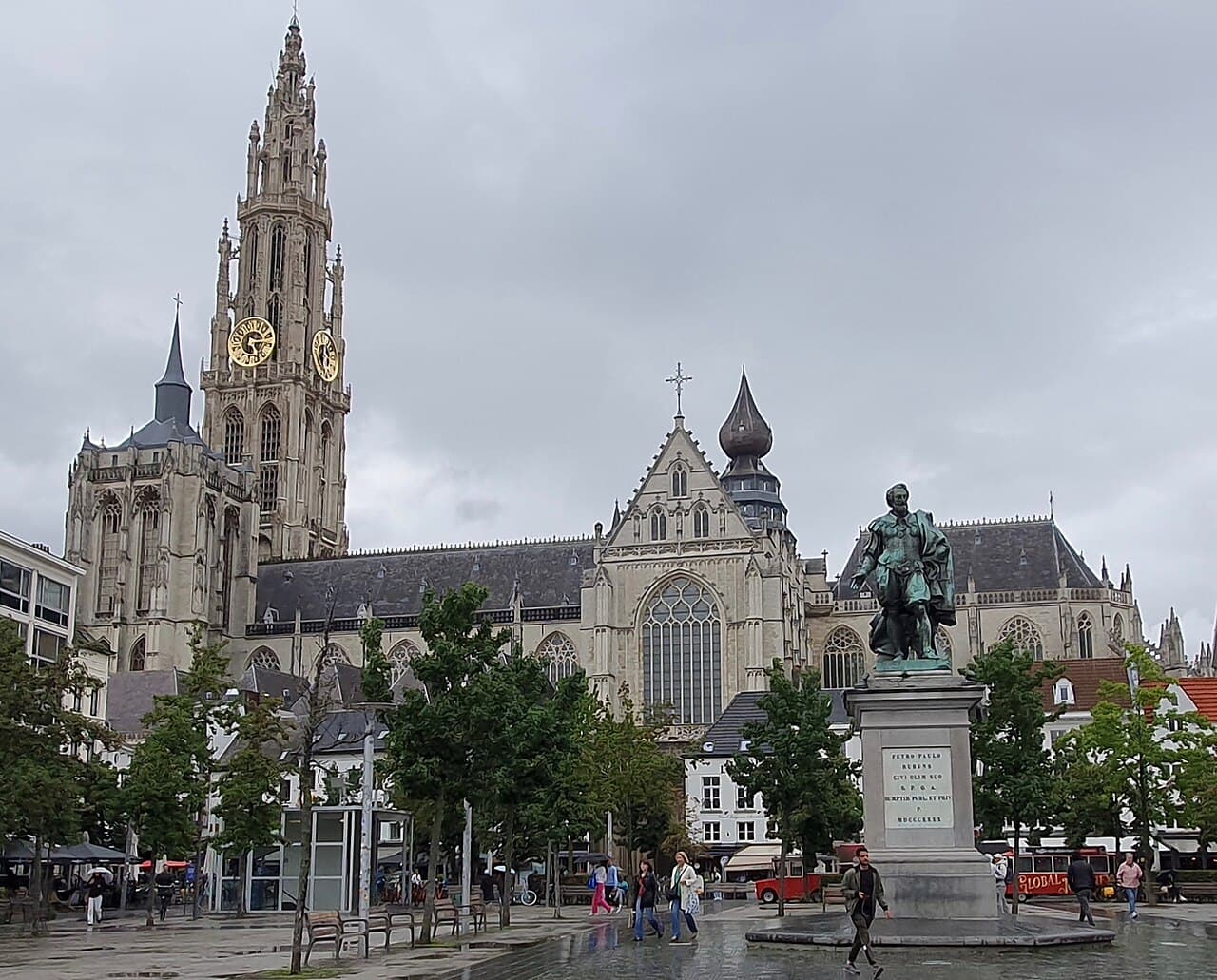
Start early at the Cathedral of Our Lady to appreciate Rubens' altarpieces before tour groups arrive. Stroll across the Grote Markt to admire the Renaissance guild houses and Brabo Fountain.
Visit the Rubens House to explore the Baroque master's richly decorated home and studio, then browse the Diamond District's Hoveniersstraat and the DIVA jewellery museum (€12 adult).
Head to the historic Groenplaats for dinner at one of the terrace restaurants, then end the night at a classic Antwerp café — ideally one with a Belgian beer menu running into the hundreds.
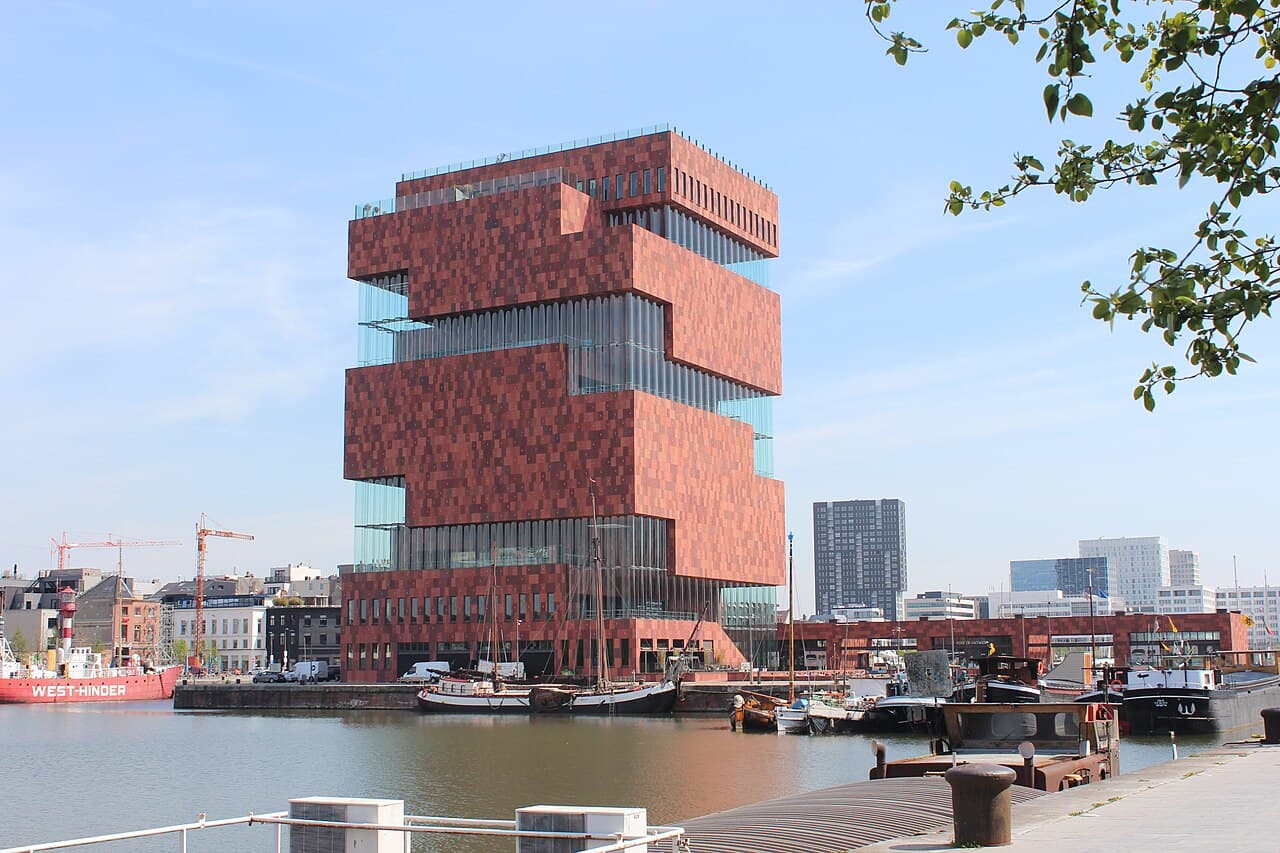
Take the tram to Eilandje and spend the morning at Museum aan de Stroom (MAS) — ride up to the free rooftop terrace for panoramic harbour views over the Scheldt.
Walk south through the rejuvenated docklands to Het Zuid. Browse the antique shops on Kloosterstraat, pop into the M HKA contemporary art museum, and explore the designer boutiques on Nationalestraat — home turf of the Antwerp Six.
Dine in Het Zuid's restaurant strip, then explore its craft-beer bars and independent boutiques as the neighbourhood comes alive after dark.
Linger over Antwerpen-Centraal Station — widely called the 'railway cathedral', built 1895–1905 — before visiting the Museum Plantin-Moretus to see the world's oldest surviving printing presses.
Walk or cycle through the Sint-Annatunnel (free, open 24h) beneath the Scheldt to Linkeroever for sweeping views of the city skyline, then detour to Zurenborg to admire its Art Nouveau streetscapes.
Return to the Old Town for a final evening at one of Antwerp's legendary brown cafés — seek out Café Beveren on the Vismijn for its rare 1937 Decap dance organ and cheap local beers.
Real coworking spaces, laptop-friendly cafés, and libraries mapped near the center of the city — the closest, best-rated desks first.
No coworking-ready spots surfaced for this city yet.
Pick a different category or check back once we’ve indexed more desks for this city.
Ask for cafés, quiet neighborhoods, date-night spots, or a first 48-hour plan.
Mention calls, Wi-Fi needs, or how much of the day has to stay laptop-friendly.
Get faster answers on where to stay, when to move neighborhoods, and what to skip.
There aren’t any, yet!
Block off the weeks you're free. Wanderlust turns this dossier — flights, lodging, neighborhoods, timing — into a single draft itinerary in about ninety seconds.
Wanderlust Pro
Go deeper than the highlights — premium Antwerp intel with hidden gems, top stays, and offline access on the ground. From $5.00/month, billed annually.