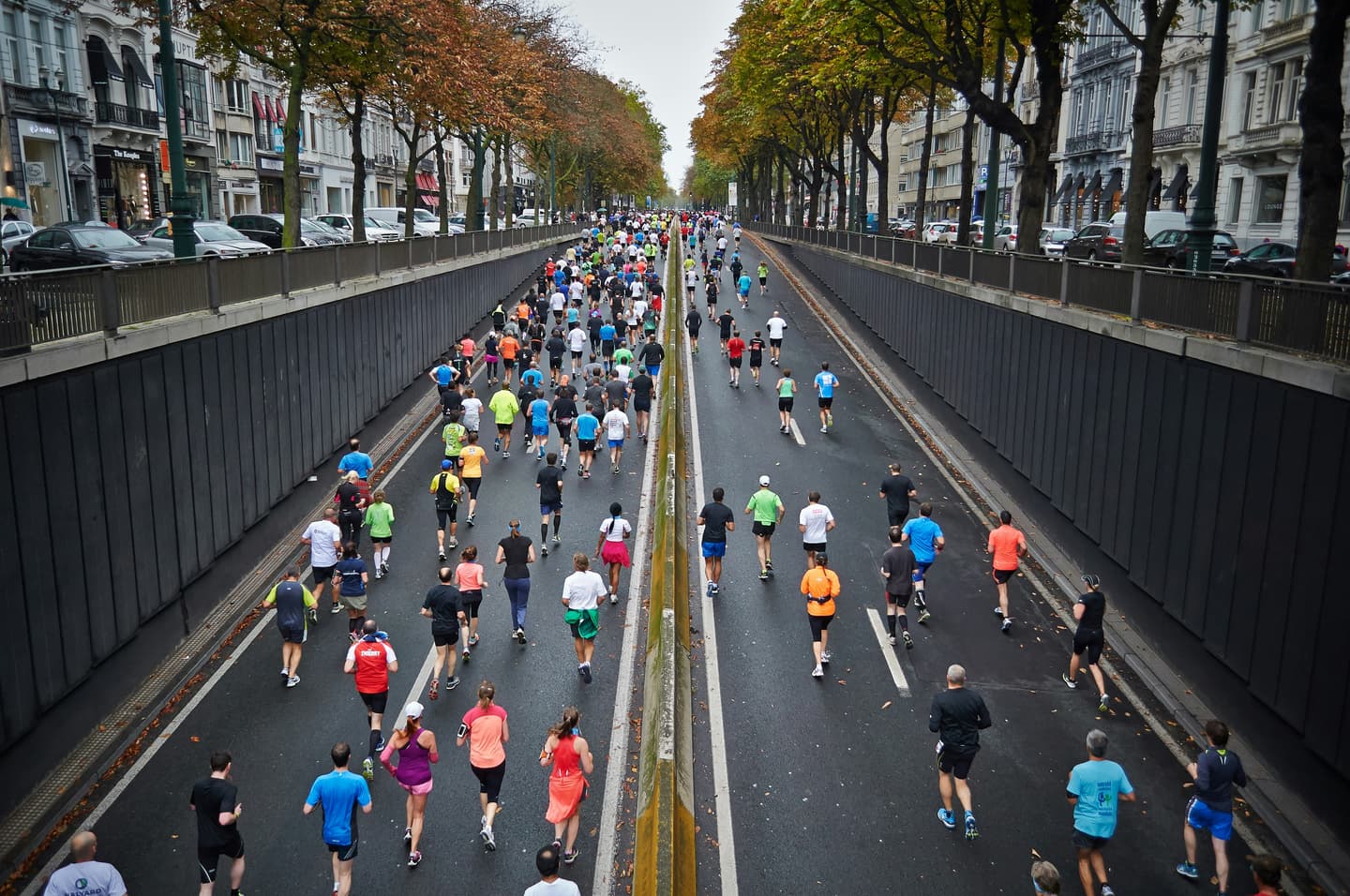
 City postcard
Brussels
Belgium's multifaceted capital — where EU powerhouse meets comic-strip murals, world-class beer, and Art Nouveau streets.
Belgium's multifaceted capital — where EU powerhouse meets comic-strip murals, world-class beer, and Art Nouveau streets.
Brussels is Belgium's bilingual capital and the de facto seat of the European Union, blending grand medieval squares with Art Nouveau architecture and a fiercely cosmopolitan food scene. Its compact, walkable historic core sits within reach of artsy, café-lined neighborhoods like Ixelles and Saint-Gilles, making it equally rewarding for first-timers and long-term residents. The city punches above its weight culturally — with more museums per capita than almost any other European capital — while easy Eurostar and rail links place Amsterdam, Paris, and London within two to three hours.
City postcardBelgium's multifaceted capital — where EU powerhouse meets comic-strip murals, world-class beer, and Art Nouveau streets.
 Top sight
A signature stop locals and returning travelers point to in Brussels.
 Top sight
A signature stop locals and returning travelers point to in Brussels.
 Top sight
A signature stop locals and returning travelers point to in Brussels.
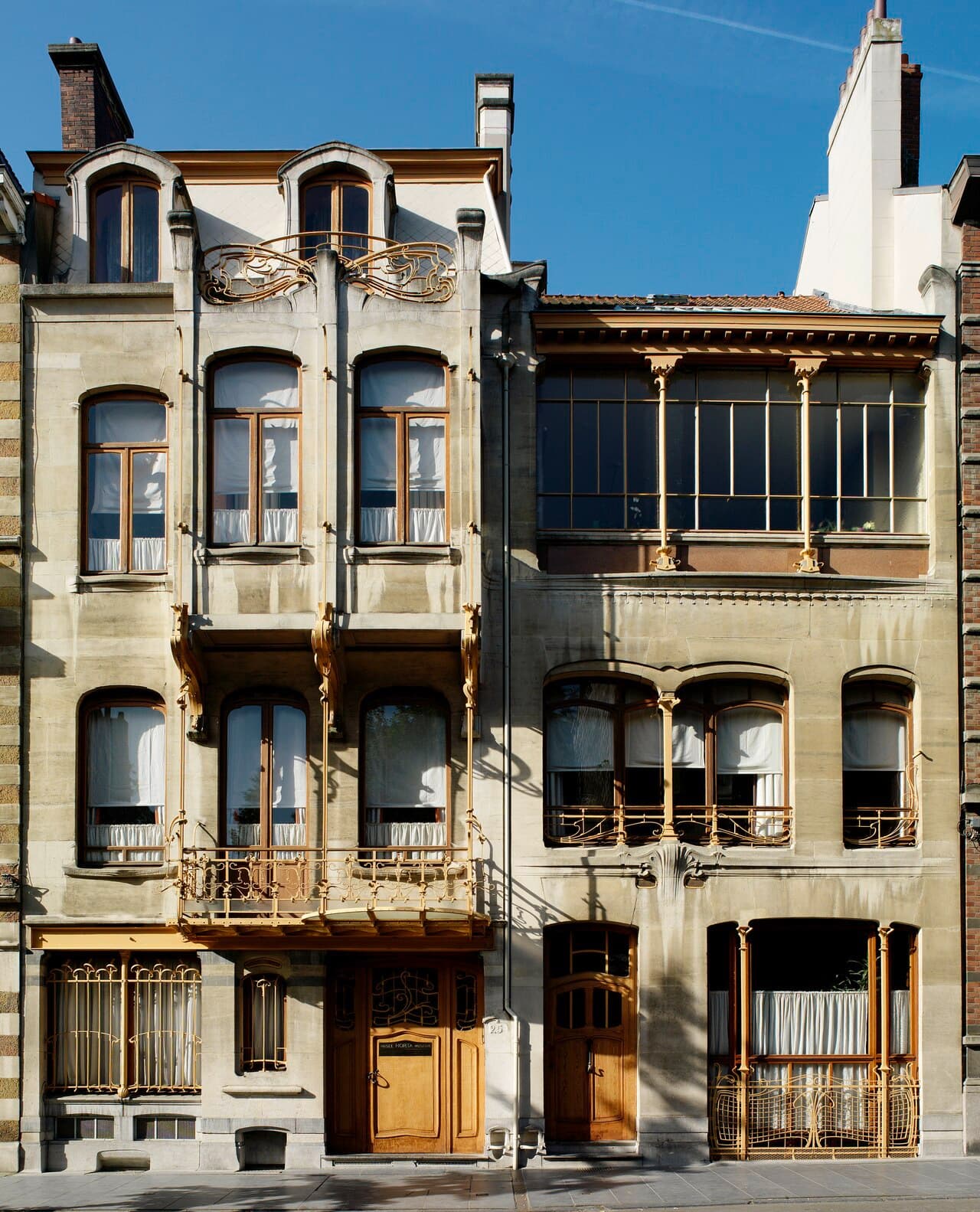 Top sight
A signature stop locals and returning travelers point to in Brussels.
A signature stop locals and returning travelers point to in Brussels.
Photo: Celuici · CC BY-SA 4.0
A signature stop locals and returning travelers point to in Brussels.
Photo: Marek Śliwecki · CC BY-SA 4.0
A signature stop locals and returning travelers point to in Brussels.
A signature stop locals and returning travelers point to in Brussels.
A signature stop locals and returning travelers point to in Brussels.
Photo: Otter · CC BY-SA 4.0
A signature stop locals and returning travelers point to in Brussels.
A signature stop locals and returning travelers point to in Brussels.
A signature stop locals and returning travelers point to in Brussels.
Photo: Paul Louis · CC BY-SA 4.0
A pocket of Brussels with its own temperament — worth a deliberate detour when you're in the area.
A pocket of Brussels with its own temperament — worth a deliberate detour when you're in the area.
A pocket of Brussels with its own temperament — worth a deliberate detour when you're in the area.
A pocket of Brussels with its own temperament — worth a deliberate detour when you're in the area.
The quick answers travelers want before they commit to flights, neighborhoods, and how long to stay.
Brussels Airport (BRU) in Zaventem sits 12 km northeast of the city center. The fastest and most popular option is the SNCB Airport Express train: the station is directly beneath the terminal, trains depart every 10–15 minutes, and the ride to Brussels-Central takes around 17–18 minutes. A standard adult ticket costs approximately €10.80 (plus a mandatory €6.70 airport supplement). Trains also stop at Brussels-North and Brussels-South (Midi), the latter being the Eurostar hub. Bus Line 12 (Airport2City, operated by STIB) is the budget alternative at €8.40 contactless, running to the European Quarter in roughly 30–45 minutes. Taxis cost €45–55 to the center and take 20–30 minutes in normal traffic; Uber and Bolt also operate from the airport. Brussels-Midi station is the arrival point for Eurostar services from London (under 2 hours), Thalys/Izy from Paris (~1h20), and high-speed trains from Amsterdam and Cologne.
Brussels's public transport is operated by STIB/MIVB and covers the city via four metro lines, 17 tram lines spanning 147 km, and an extensive bus network. Services run daily from around 06:00 to midnight; on Friday and Saturday nights, 11 Noctis bus lines operate from Brussels-Central until 03:00. A single 1-hour journey (valid across metro, tram, and bus with transfers) costs €2.30 when paying contactless or €2.80 for a paper ticket. A daily cap of €8.50 applies when using contactless payment — making four or more trips equivalent to a day pass. The STIB/MIVB app and the multimodal Floya app both offer real-time journey planning, ticket purchase, and shared e-scooter/bike booking. The historic city center is highly walkable; most major sights are within a 10–20 minute walk of each other. The Villo! bike-share scheme and Cambio car-sharing supplement public transit, and Uber/Bolt ride-hailing are widely available.
Spring (April–June) is widely regarded as the prime window: temperatures are mild (12–20°C), the city's many parks and green squares burst into bloom, and outdoor café terraces fill up without summer crowds. Early autumn (September–October) offers similar conditions and excellent museum visiting weather with fewer tourists than peak summer. July and August are warm and lively — outdoor festivals, flea markets, and long evenings in Ixelles — but hotel rates peak and the city can feel busy. Winter earns its own case: Brussels hosts some of Europe's most atmospheric Christmas markets, and Grand Place is famously illuminated with a spectacular light show from late November through early January. March can be grey and rainy, but shoulder-season pricing makes it attractive for budget travelers.
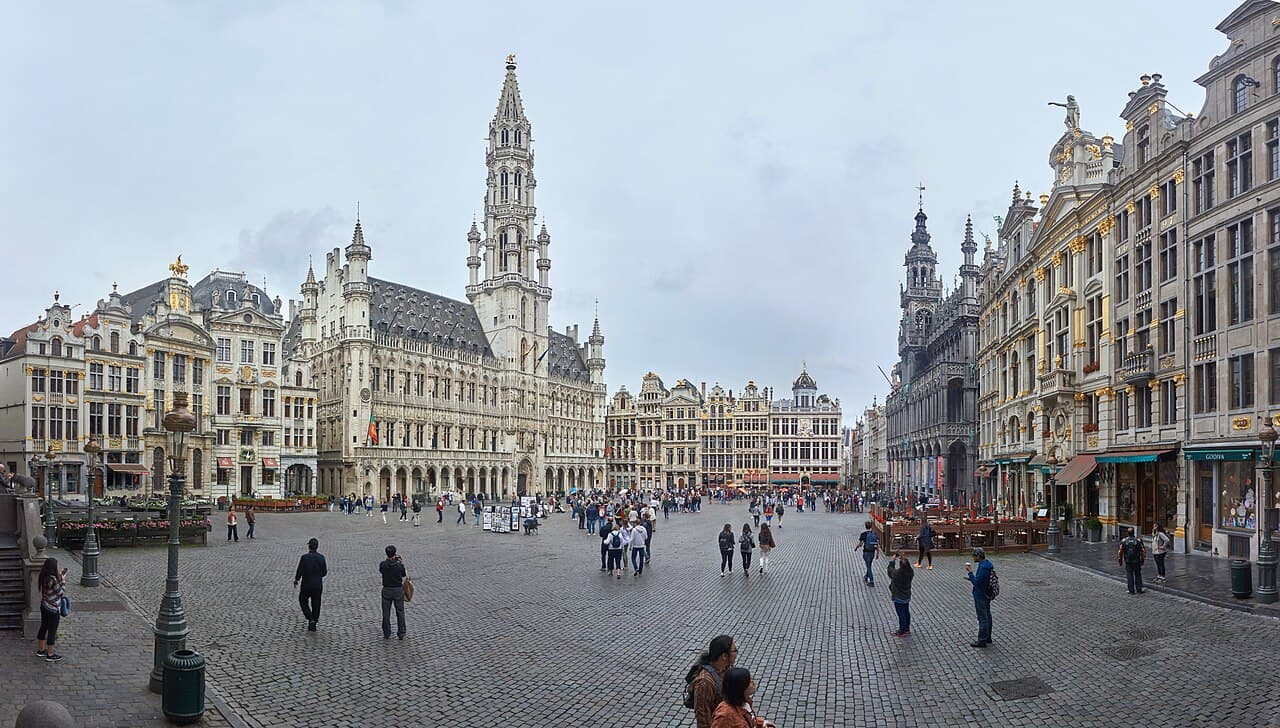
Start at the Grand Place — arrive early to experience the UNESCO-listed square before the crowds. Explore the Gothic Town Hall and the Maison du Roi (Brussels City Museum). Duck into the nearby Galeries Royales Saint-Hubert for coffee and Belgian chocolate.
Walk to the Manneken Pis and check the costume calendar for themed dress days. Head to the Belgian Beer World inside the renovated Bourse for an immersive tour of Belgium's brewing heritage, ending on the rooftop Beerlab terrace. Continue to the Mont des Arts for sweeping panoramic views over the lower city.
Dinner in the Sablon district — try moules-frites or waterzooi at a local brasserie, then browse the evening antique stalls on Place du Grand Sablon. End the night with a craft beer at one of the many bars around the Ilot Sacré.
Spend the morning at the Royal Museums of Fine Arts of Belgium near Place Royale — allow at least two hours for the Old Masters collection and the Magritte Museum. Pick up the Brussels Card for free entry to 46 museums.
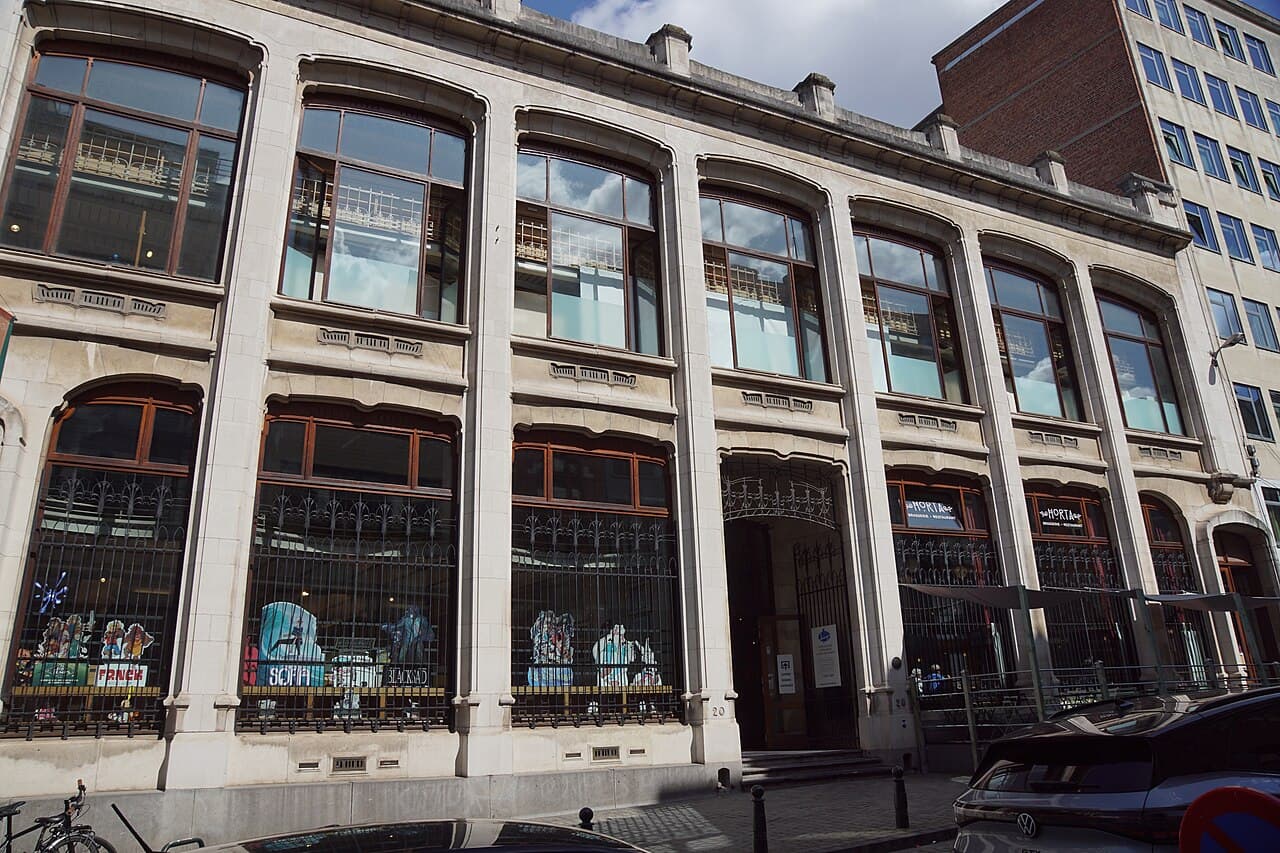
Head to the Belgian Comic Strip Center in the Saint-Géry quarter — the building itself (a Horta-designed Art Nouveau warehouse) is as impressive as the exhibits. Afterward, explore the Dansaert neighborhood: concept stores, designer studios, and a thriving street art scene line its walkable blocks.
Cross into Saint-Gilles for dinner — the neighborhood's Art Nouveau façades, Place Van Meenen terraces, and eclectic restaurant scene (Italian, Thai, Belgian bistros) make it a local favorite. Finish with a local beer at one of the lively bars around Parvis de Saint-Gilles.
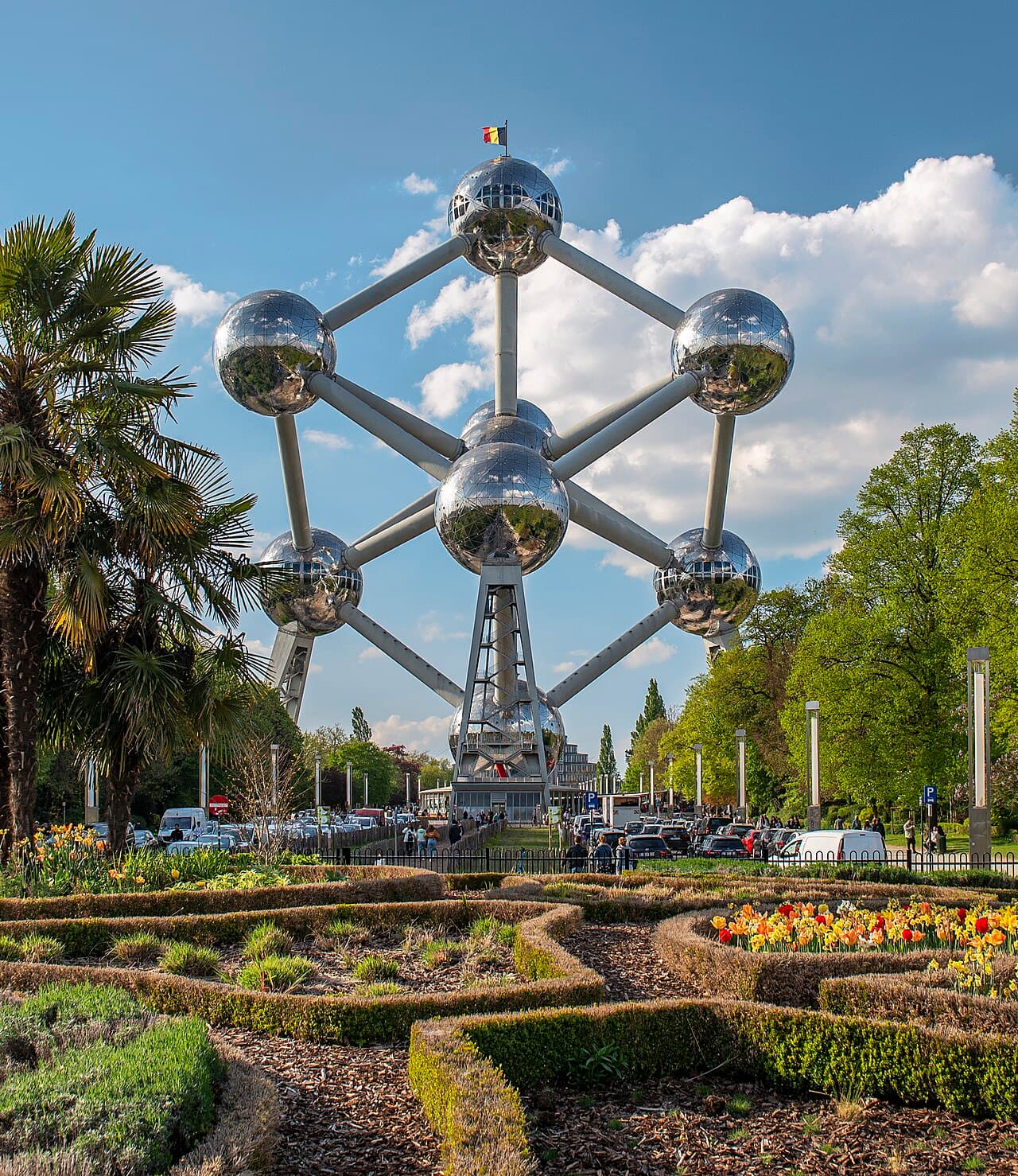
Take the metro to Laeken and visit the Atomium — book timed tickets in advance. Explore its panoramic sphere and interactive exhibitions. Nearby, walk through the Japanese Tower and the grounds of the Royal Greenhouses of Laeken (open seasonally in spring).
Return south to Ixelles — stroll along Avenue Louise for upscale shopping, then lose yourself in the smaller streets around Rue du Bailli and the Ixelles Ponds. Visit the WIELS Contemporary Art Centre if you enjoy cutting-edge exhibitions.
Join locals at Flagey Square for the classic Brussels experience: sit on the steps, grab a beer and a bag of frites from Frit'Flagey, and watch the city wind down. End the trip with dinner at one of Ixelles's excellent neighbourhood restaurants.
Real coworking spaces, laptop-friendly cafés, and libraries mapped near the center of the city — the closest, best-rated desks first.
No coworking-ready spots surfaced for this city yet.
Pick a different category or check back once we’ve indexed more desks for this city.
Ask for cafés, quiet neighborhoods, date-night spots, or a first 48-hour plan.
Mention calls, Wi-Fi needs, or how much of the day has to stay laptop-friendly.
Get faster answers on where to stay, when to move neighborhoods, and what to skip.
There aren’t any, yet!
Block off the weeks you're free. Wanderlust turns this dossier — flights, lodging, neighborhoods, timing — into a single draft itinerary in about ninety seconds.
Wanderlust Pro
Go deeper than the highlights — premium Brussels intel with hidden gems, top stays, and offline access on the ground. From $5.00/month, billed annually.