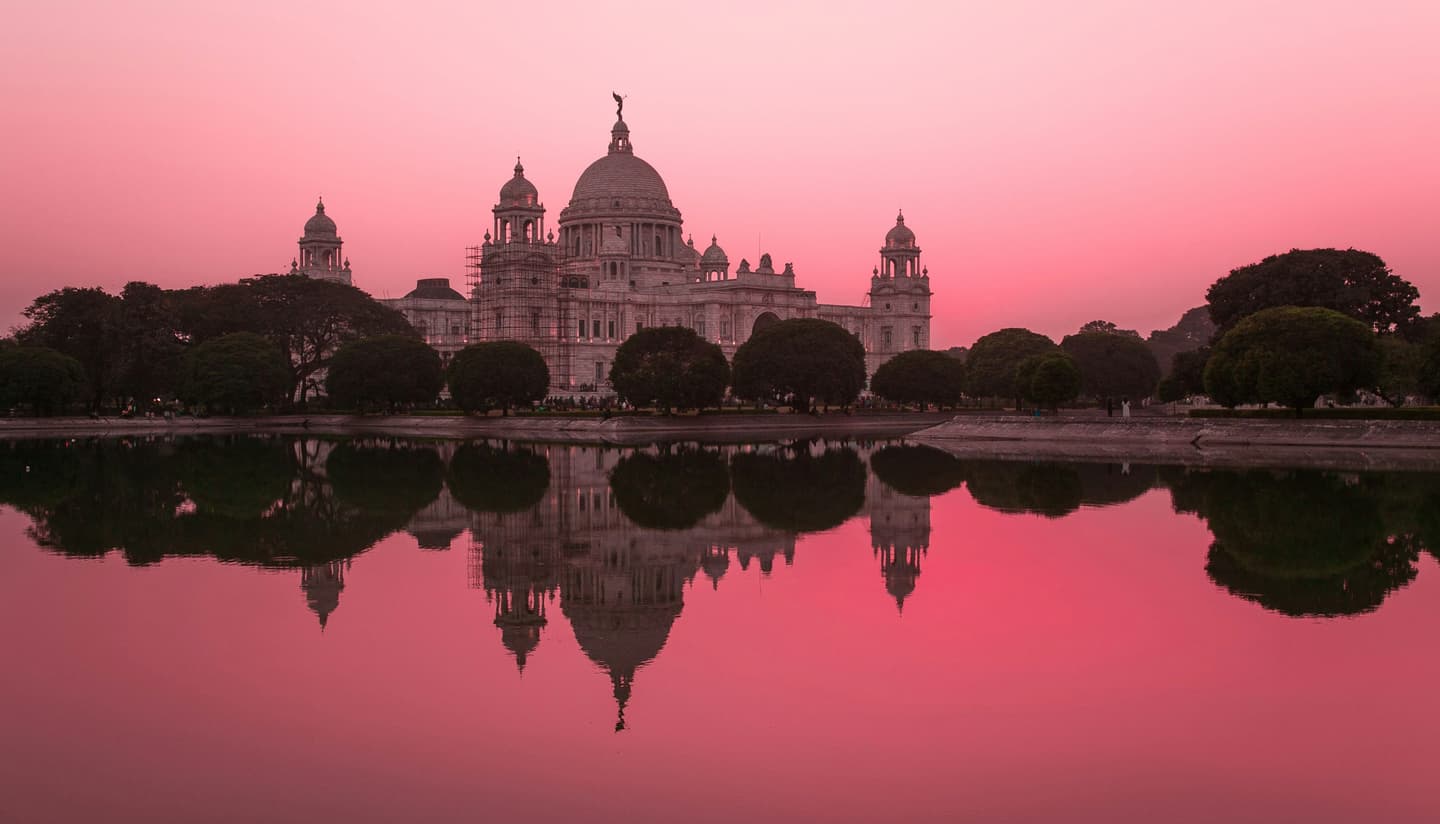
 City postcard
Delhi
India's electrifying capital — where Mughal grandeur, colonial avenues, and street-food chaos collide.
India's electrifying capital — where Mughal grandeur, colonial avenues, and street-food chaos collide.
Delhi, India's capital and one of the world's largest cities, layers millennia of history into a single relentless metropolis. Old Delhi pulses with spice markets, sandstone mosques, and Mughal fortresses, while New Delhi's broad colonial boulevards lead to embassies, galleries, and contemporary dining. The city rewards adventurous visitors with an unmatched density of UNESCO-listed monuments, spiritual landmarks, and culinary diversity — all at a fraction of the cost of most global capitals.
City postcardIndia's electrifying capital — where Mughal grandeur, colonial avenues, and street-food chaos collide.
 Top sight
A signature stop locals and returning travelers point to in Delhi.
 Top sight
A signature stop locals and returning travelers point to in Delhi.
 Top sight
A signature stop locals and returning travelers point to in Delhi.
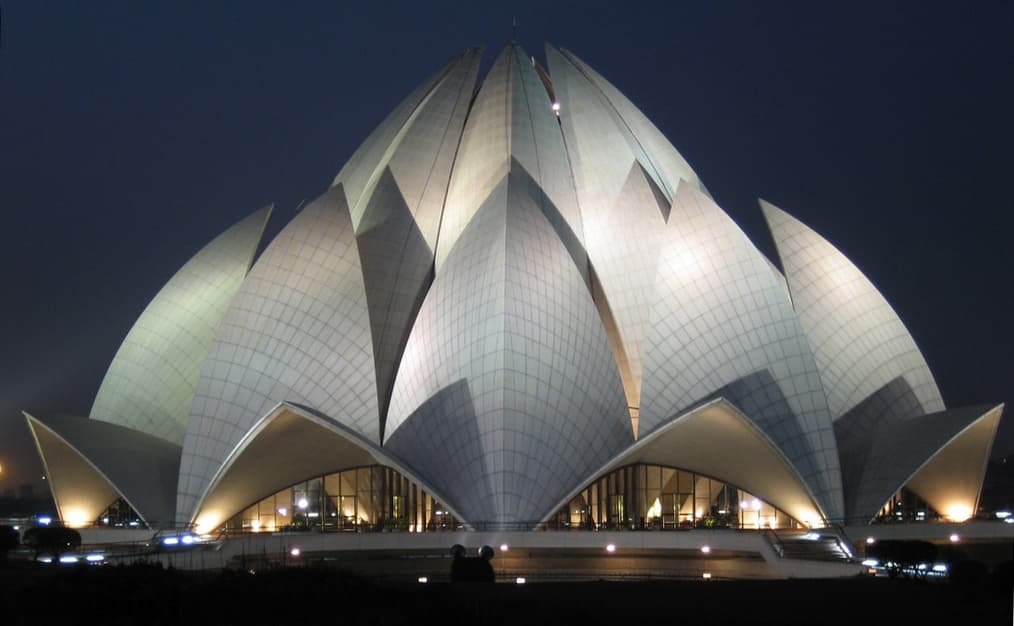 Top sight
A signature stop locals and returning travelers point to in Delhi.
A signature stop locals and returning travelers point to in Delhi.
Photo: PerSona77 · CC BY-SA 3.0
A signature stop locals and returning travelers point to in Delhi.
A signature stop locals and returning travelers point to in Delhi.
A signature stop locals and returning travelers point to in Delhi.
Photo: Quintin Soloviev · CC BY 4.0
A signature stop locals and returning travelers point to in Delhi.
A signature stop locals and returning travelers point to in Delhi.
Photo: Goutam1962 · CC BY-SA 4.0
A signature stop locals and returning travelers point to in Delhi.
Photo: Vandelizer · CC BY 2.0
A signature stop locals and returning travelers point to in Delhi.
A pocket of Delhi with its own temperament — worth a deliberate detour when you're in the area.
A pocket of Delhi with its own temperament — worth a deliberate detour when you're in the area.
A pocket of Delhi with its own temperament — worth a deliberate detour when you're in the area.
A pocket of Delhi with its own temperament — worth a deliberate detour when you're in the area.
Wanderlust Pro
Pro members see insider tips for Delhi: a short list of restaurants, cafés and sights, picked by AI as local suggestions to double-check before you go.
The quick answers travelers want before they commit to flights, neighborhoods, and how long to stay.
Delhi is served by Indira Gandhi International Airport (DEL), which has two main terminals: T1 for low-cost domestic carriers and T3 for all international and full-service domestic flights. The fastest way into the city is the Airport Express Line (Orange Line) of the Delhi Metro, which connects the airport to New Delhi Railway Station in the city center with fares ranging from ₹11 to ₹60 (~US$0.15–$0.75). Pre-paid taxis from the arrivals hall cost around ₹400–₹500 (~US$5–$6) to central Delhi, with the trip taking 25–40 minutes depending on traffic. App-based rides via Uber or local app Ola are also widely available, typically at slightly higher rates than standard cabs. DTC air-conditioned buses depart from Terminal 3 every 30 minutes to key hubs like Connaught Place and the Interstate Bus Terminal, with fares starting at ₹27 (~US$0.35).
The Delhi Metro is the backbone of city transport — a 374 km, 10-line rapid transit network with 271 stations serving Delhi and satellite cities like Noida, Gurugram, and Ghaziabad. Fares run ₹10–₹60 (~US$0.12–$0.75) per trip based on distance, with a daily ridership of over 6 million. Tourists can purchase a Tourist Card for unlimited short-duration travel. Auto-rickshaws and cycle-rickshaws fill the gap for last-mile connections in narrow old-city lanes; always agree on a fare or insist on the meter. Uber and Ola are reliable and widely used across the city. Note that auto-rickshaws are no longer permitted at the airport. Cash is essential in markets, as many vendors do not accept cards.
October to March is universally cited as the best time to visit Delhi, with temperatures hovering between 15–25°C and the city's festival calendar in full swing — Dussehra, Diwali, and Republic Day all fall in this window. October and November offer warm days and mild evenings ideal for outdoor sightseeing, while February is arguably the sweet spot: pollution drops, fog clears, and Lodhi Garden blooms. March brings Holi and lingering spring warmth, though hotel rates spike — book six weeks ahead. Avoid peak summer (April–June), when temperatures can exceed 45°C and the 'loo' desert winds make outdoor exploration brutal. The monsoon (July–September) brings relief from heat but delivers heavy rainfall — July and August alone see around 250 mm monthly — and traffic chaos. Winter (December–January) is cold but comes with a serious caveat: Delhi's air quality frequently reaches hazardous levels due to crop-burning smog, so travelers with respiratory sensitivities should plan around late November and early January.
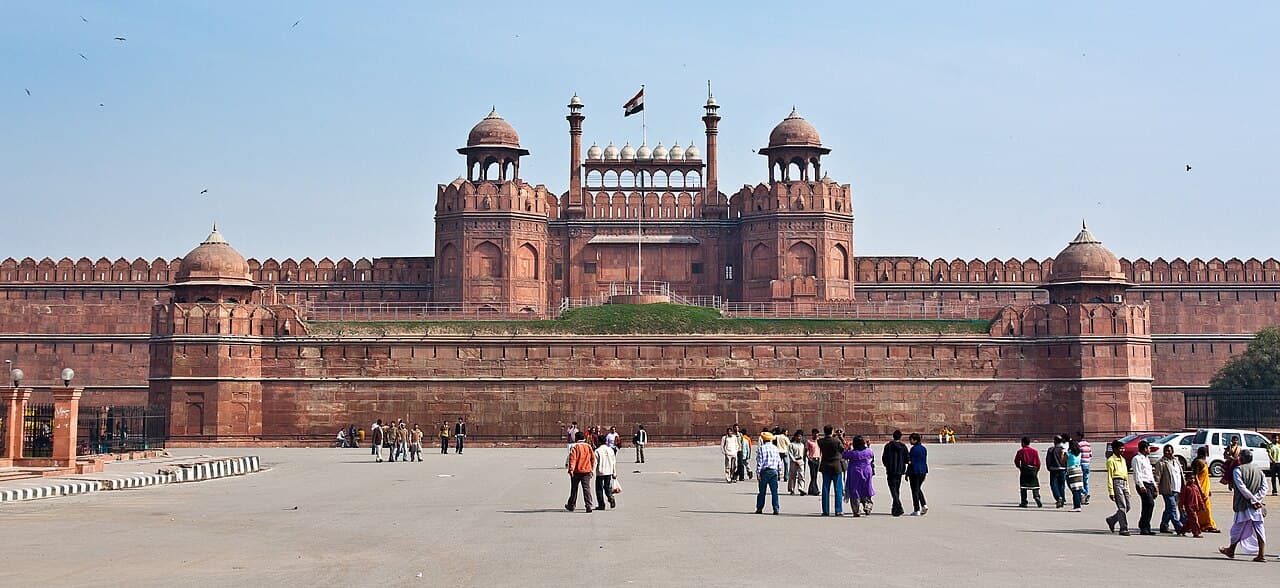
Start at the Red Fort (Lal Qila), Delhi's iconic 17th-century sandstone citadel and UNESCO World Heritage Site. Explore the Diwan-i-Aam and palace chambers before the midday crowds arrive.
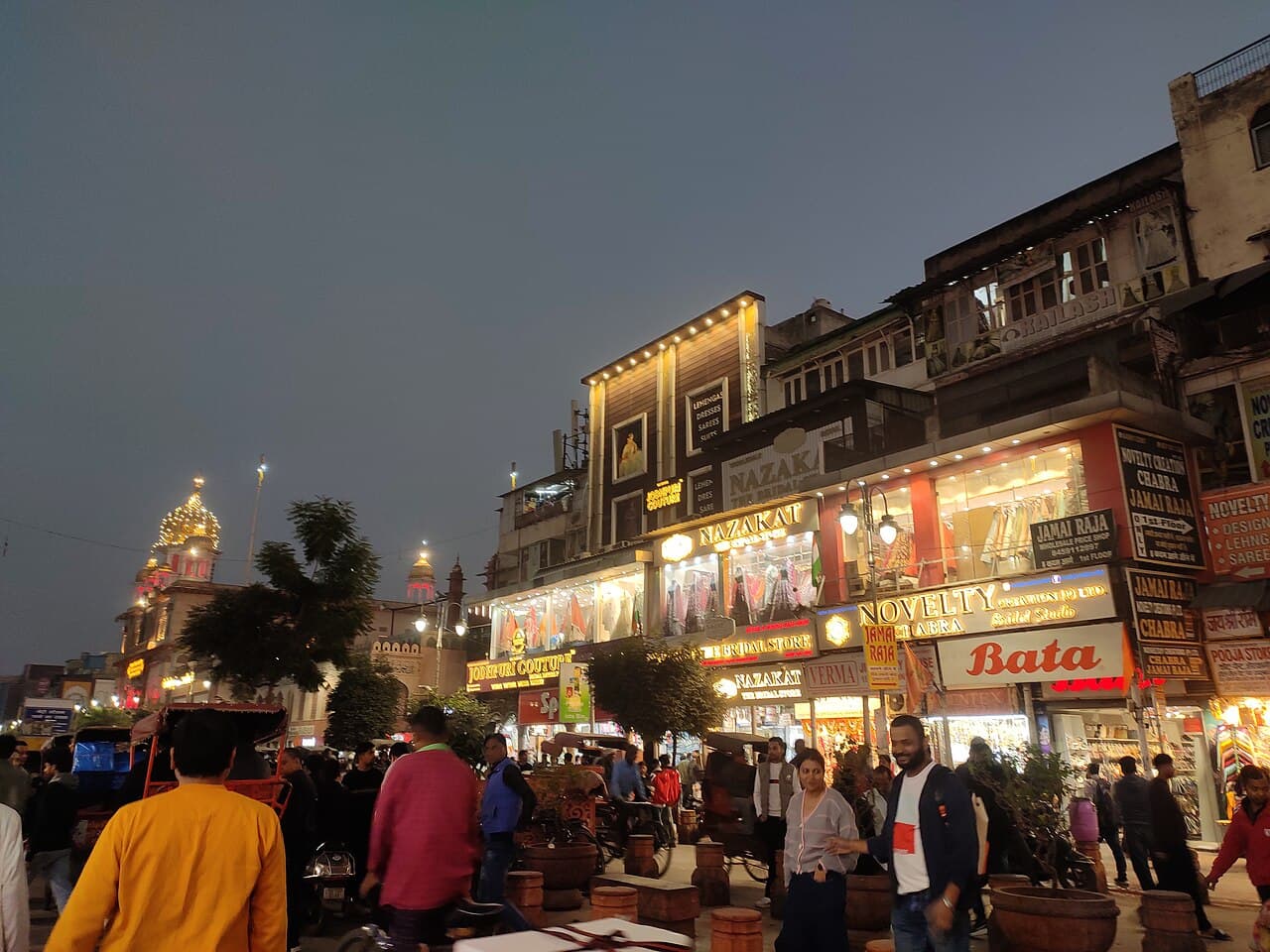
Walk south to Jama Masjid, India's largest mosque, then plunge into the labyrinthine lanes of Chandni Chowk for spice shopping and a stop at Paranthe Wali Gali for crispy stuffed flatbreads. Visit Raj Ghat, the memorial to Mahatma Gandhi.
Head to the neighbourhood around Jama Masjid for Old Delhi's legendary kebab and korma street stalls, best enjoyed after dark when the crowds thin slightly.
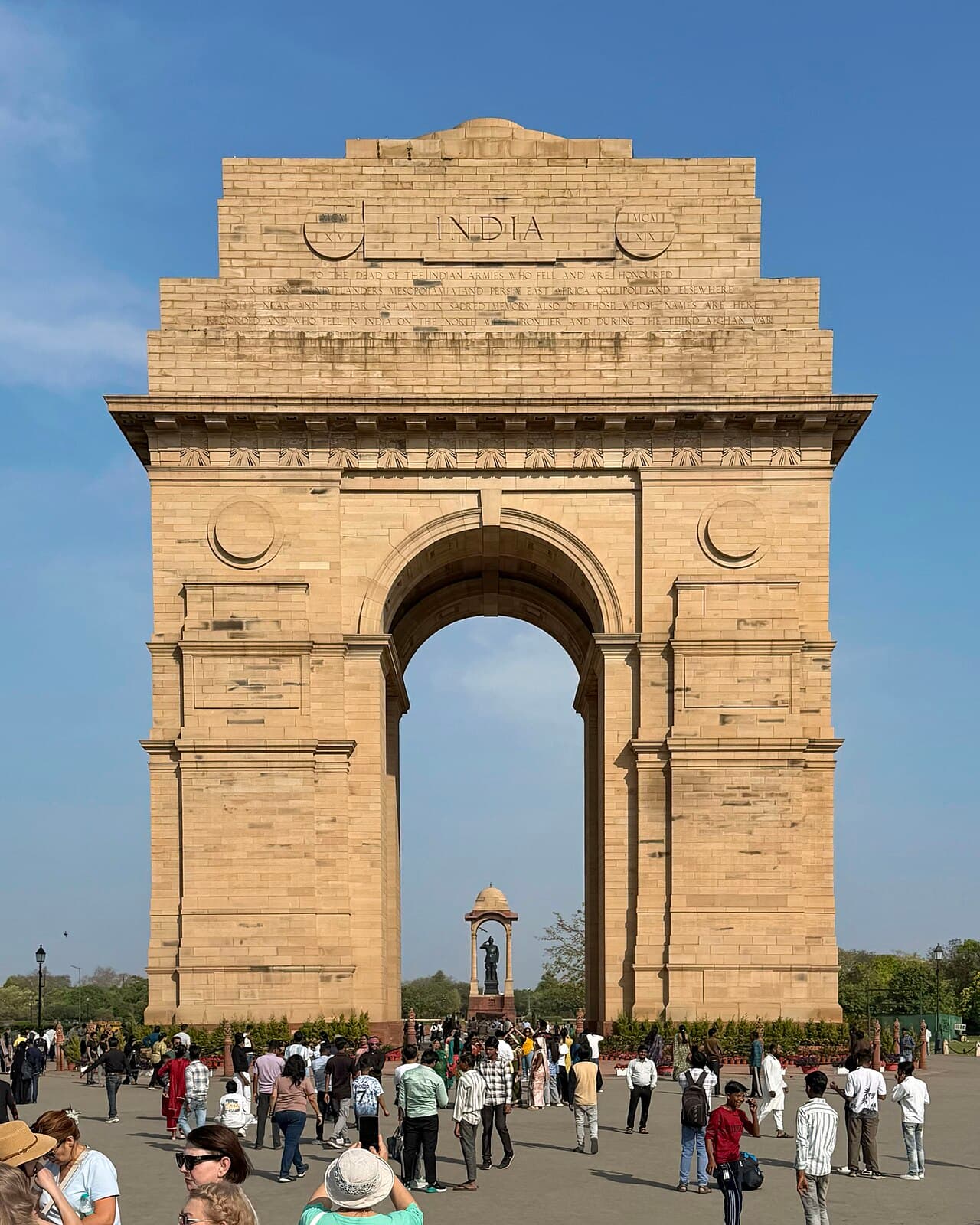
Stroll the ceremonial Rajpath boulevard from India Gate to Rashtrapati Bhavan, then visit the Jantar Mantar astronomical observatory nearby. Stop at Gurudwara Bangla Sahib for a moment of calm — entry is free and open to all.
Explore Humayun's Tomb, the Mughal garden-tomb complex that prefigured the Taj Mahal, then spend the late afternoon wandering Lodhi Garden among ancient tombs and joggers.
Dine or bar-hop in Connaught Place, the colonial-era circular market at the heart of New Delhi, or explore the boutiques and restaurants of Khan Market.
Head to Qutub Minar — a soaring 12th-century minaret, the most visited monument in India — and the surrounding Qutub Complex. Arrive early to beat the heat and queues.
Visit the vast Swaminarayan Akshardham Temple complex for its extraordinary carvings and cultural exhibitions. Allow at least three hours; photography is not permitted inside.
End the trip in Hauz Khas Village — a medieval reservoir and tomb complex that has evolved into Delhi's hippest enclave of cafés, rooftop bars, galleries, and boutiques.
Real coworking spaces, laptop-friendly cafés, and libraries mapped near the center of the city — the closest, best-rated desks first.
No coworking-ready spots surfaced for this city yet.
Pick a different category or check back once we’ve indexed more desks for this city.
Ask for cafés, quiet neighborhoods, date-night spots, or a first 48-hour plan.
Mention calls, Wi-Fi needs, or how much of the day has to stay laptop-friendly.
Get faster answers on where to stay, when to move neighborhoods, and what to skip.
There aren’t any, yet!
Block off the weeks you're free. Wanderlust turns this dossier — flights, lodging, neighborhoods, timing — into a single draft itinerary in about ninety seconds.
Wanderlust Pro
Insider tips for Delhi, unlimited AI-built itineraries, and travel companions you can invite to plan a trip together. From $5.00/month, billed annually.
Wanderlust Pro
Pro members see insider tips for Delhi: a short list of restaurants, cafés and sights, picked by AI as local suggestions to double-check before you go.