Top sight
Top sight
Kerala's "Queen of the Arabian Sea" — where spice-scented history, Chinese fishing nets, and buzzing backwaters converge.

Kochi (formerly Cochin) is a collection of islands and peninsulas on India's southwestern Malabar Coast, where six centuries of maritime trade have layered Portuguese churches, Dutch palaces, a 450-year-old synagogue, and colonial-era spice warehouses onto a lush tropical backdrop. The city splits between heritage-rich Fort Kochi and Mattancherry in the west, and the modern commercial hub of Ernakulam on the mainland, all linked by ferries, metro, and bridges. Beyond its storied old quarter, Kochi is Kerala's gateway city — the natural launch pad for backwater cruises, Munnar's hill stations, and Ayurvedic retreats. It is also an important centre for Keralan performing arts, offering guaranteed nightly Kathakali and Kalaripayattu performances.
More cities for these months: Where to go in January · Where to go in February · Where to go in March · Where to go in November · Where to go in December
Insider tips · Wanderlust Pro
Practical tips on the sights and neighbourhoods in this Kochiguide — when to go, what most visitors miss. Written with AI about the guide's own places; double-check details before you go. Pro members see every tip.
The quick answers travelers want before they commit to flights, neighborhoods, and how long to stay.
Cochin International Airport (COK) at Nedumbassery is the sole international gateway, located about 31 km from central Kochi — roughly a 45-minute taxi ride. As of June 2026, some 26 airlines serve COK from 32 airports worldwide, with IndiGo, Air India Express, and Akasa Air handling the bulk of domestic traffic; major Gulf carriers (Emirates, Etihad, flydubai, SpiceJet) offer direct links from Dubai and Abu Dhabi. The busiest domestic routes are Bengaluru and New Delhi. There is no direct metro to the airport; from Aluva metro station (the northern terminus), the Kochi Metro 'Metro Connect' electric bus covers the Aluva–Cochin Airport route for ₹80 (~$1). Pre-paid taxis from the airport to Fort Kochi run approximately ₹800–1,200. Ernakulam Junction (ERS) and Ernakulam Town (ERN) railway stations connect Kochi to the national rail network, with frequent trains to Thiruvananthapuram, Mumbai, and Chennai. Long-distance KSRTC and private buses arrive at the Ernakulam bus terminus on the mainland.
Kochi's most unique transit feature is its integrated metro–bus–water network. The Kochi Metro Blue Line runs 25.16 km from Aluva (north) to Tripunithura Terminal (south) with 25 stations, operating 6 AM–10 PM; fares range from ₹10 to ₹60 depending on distance. The Kochi1 smart card works across metro, city buses, and the Water Metro, and WhatsApp ticketing offers up to 10% off standard fares. The Kochi Water Metro connects the mainland to Fort Kochi, Willingdon Island, and other islands — the most scenic and practical way to reach the heritage quarter. KSRTC and private city buses cover most areas cheaply; the state-run 'Thiru-Kochi' blue-white buses are the most reliable. Auto-rickshaws are plentiful and use meters (insist on them); app-based cabs (Ola, Uber) are available across the city. Traffic congestion can be heavy on the mainland during peak hours.
Kochi has a tropical monsoon climate with warm temperatures year-round (28–31°C daytime highs). The undisputed sweet spot is October through February: the monsoon has retreated, skies are clear, and temperatures drop to a comfortable 17–30°C range — ideal for walking Fort Kochi's colonial lanes, taking backwater cruises, and attending open-air cultural events. December is the most festive month, combining the Cochin Carnival (parades, fireworks, beach celebrations) with the internationally acclaimed Kochi-Muziris Biennale, which runs through March. November and January offer the same pleasant weather with somewhat smaller crowds. March sees temperatures beginning to climb, making sightseeing increasingly sweaty but still manageable. The heavy southwest monsoon arrives in June and dominates through September, bringing dramatic rainfall that turns the backwaters lush and green — atmospheric for hardy travellers but disruptive for island-hopping and outdoor touring. April–May is the hottest and most humid period; travel is possible but demanding.
Start at the iconic Chinese Fishing Nets on Fort Kochi Beach to watch the morning catch, then walk to St. Francis Church — India's oldest European church — just minutes away. Stroll the atmospheric Parade Ground and browse the colonial Portuguese and Dutch architecture lining the lanes.
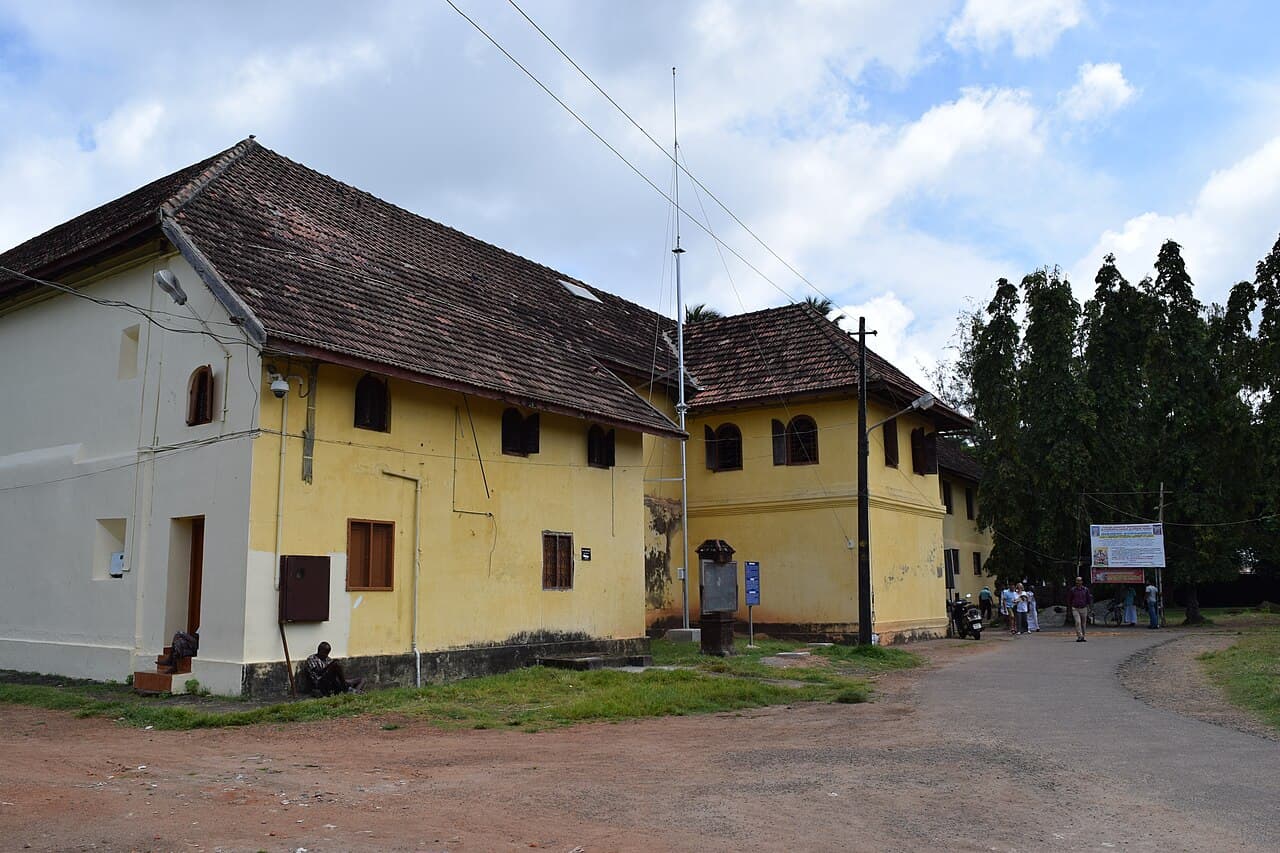
Head to Mattancherry by auto-rickshaw or on foot. Explore the Mattancherry Palace (Dutch Palace) with its stunning Ramayana murals, then wander into Jew Town to visit the Pardesi Synagogue and browse the spice and antique shops on Synagogue Lane.
Watch a live Kathakali performance at one of Fort Kochi's cultural centres (shows typically begin at 6 PM with a make-up demonstration). Dinner at a rooftop restaurant in Fort Kochi — try karimeen (pearl spot fish) pollichathu, a Keralan classic.
Board the Kochi Water Metro from Fort Kochi Jetty for a scenic crossing to Ernakulam. Visit the Kerala Folklore Museum, which houses one of the most impressive collections of traditional Keralan art, architecture, and ritual objects in the state.
Take the metro to Marine Drive for a stroll along Ernakulam's waterfront promenade, then head to the Hill Palace Museum — the largest archaeological museum in Kochi — set within a sprawling heritage estate in Tripunithura (accessible via the metro's southern terminus).
Return to Ernakulam for dinner on MG Road or Broadway market. Browse the spice stalls and textile shops of Broadway before heading back to Fort Kochi via Water Metro.
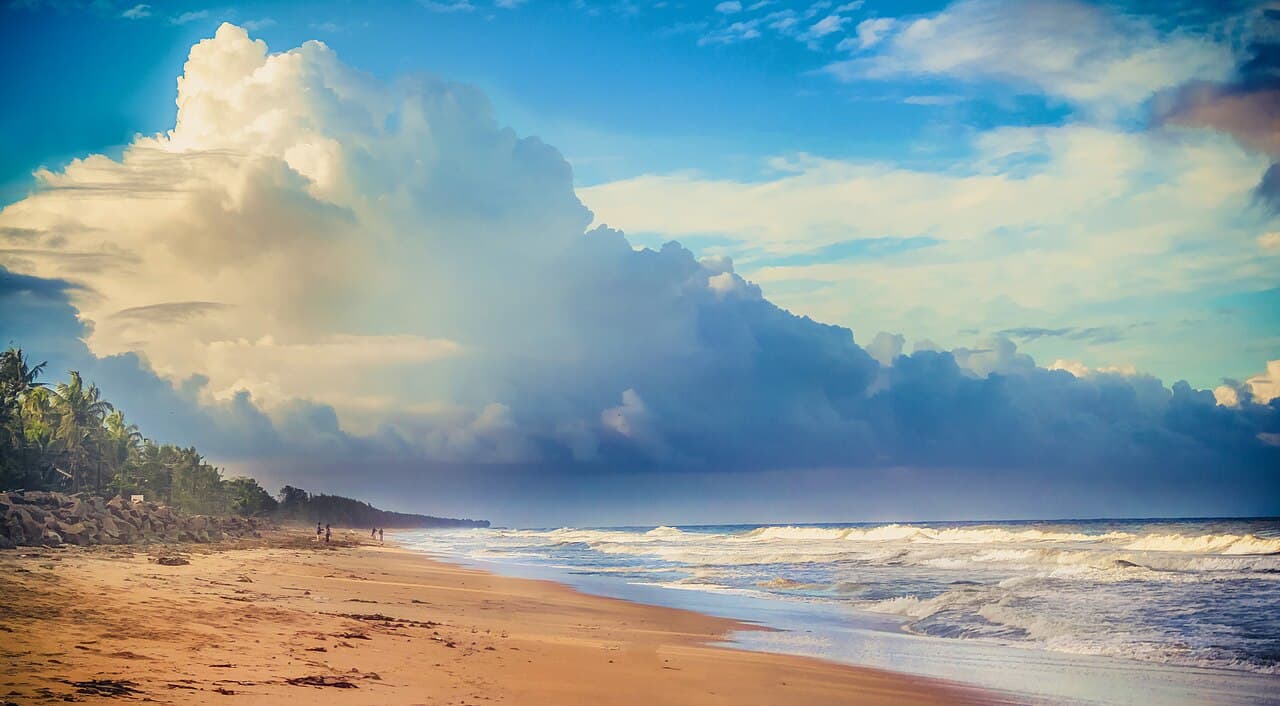
Take a bus or auto-rickshaw north to Cherai Beach on Vypin Island — a calm, palm-fringed stretch about 25 km from Fort Kochi. Swim, kayak, or simply relax; dolphins are occasionally spotted near the Vypin coast.
Return to Fort Kochi for a traditional Ayurvedic massage or treatment at one of the many reputable spas in the heritage quarter. Afterwards, explore the neighbourhood's street art murals — legacies of the Kochi-Muziris Biennale — scattered across walls throughout the old town.
Sunset from Fort Kochi Beach watching the fishing nets silhouetted against the Arabian Sea — the city's most iconic view. End with a farewell dinner at a heritage-hotel restaurant, sampling Kerala sadya (a traditional banana-leaf feast) if available.
Real coworking spaces, laptop-friendly cafés, and libraries mapped near the center of the city — the closest, best-rated desks first.
No coworking-ready spots surfaced for this city yet.
Pick a different category or check back once we’ve indexed more desks for this city.
Ask for cafés, quiet neighborhoods, date-night spots, or a first 48-hour plan.
Mention calls, Wi-Fi needs, or how much of the day has to stay laptop-friendly.
Get faster answers on where to stay, when to move neighborhoods, and what to skip.
Written by signed-in Wanderlust members. We don't check that a reviewer has visited.
No reviews of Kochi yet.
Tell the planner your dates, who's coming, your budget and pace, and it drafts a day-by-day itinerary you can edit.
Wanderlust Pro
Insider tips for Kochi, unlimited AI-built itineraries, and travel companions you can invite to plan a trip together. From $5.00/month, billed annually.
Insider tips · Wanderlust Pro
Practical tips on the sights and neighbourhoods in this Kochiguide — when to go, what most visitors miss. Written with AI about the guide's own places; double-check details before you go. Pro members see every tip.