Top sight
Top sight
India's Little Lhasa — where Himalayan peaks meet Tibetan spirituality, trekking trails, and bohemian café culture.
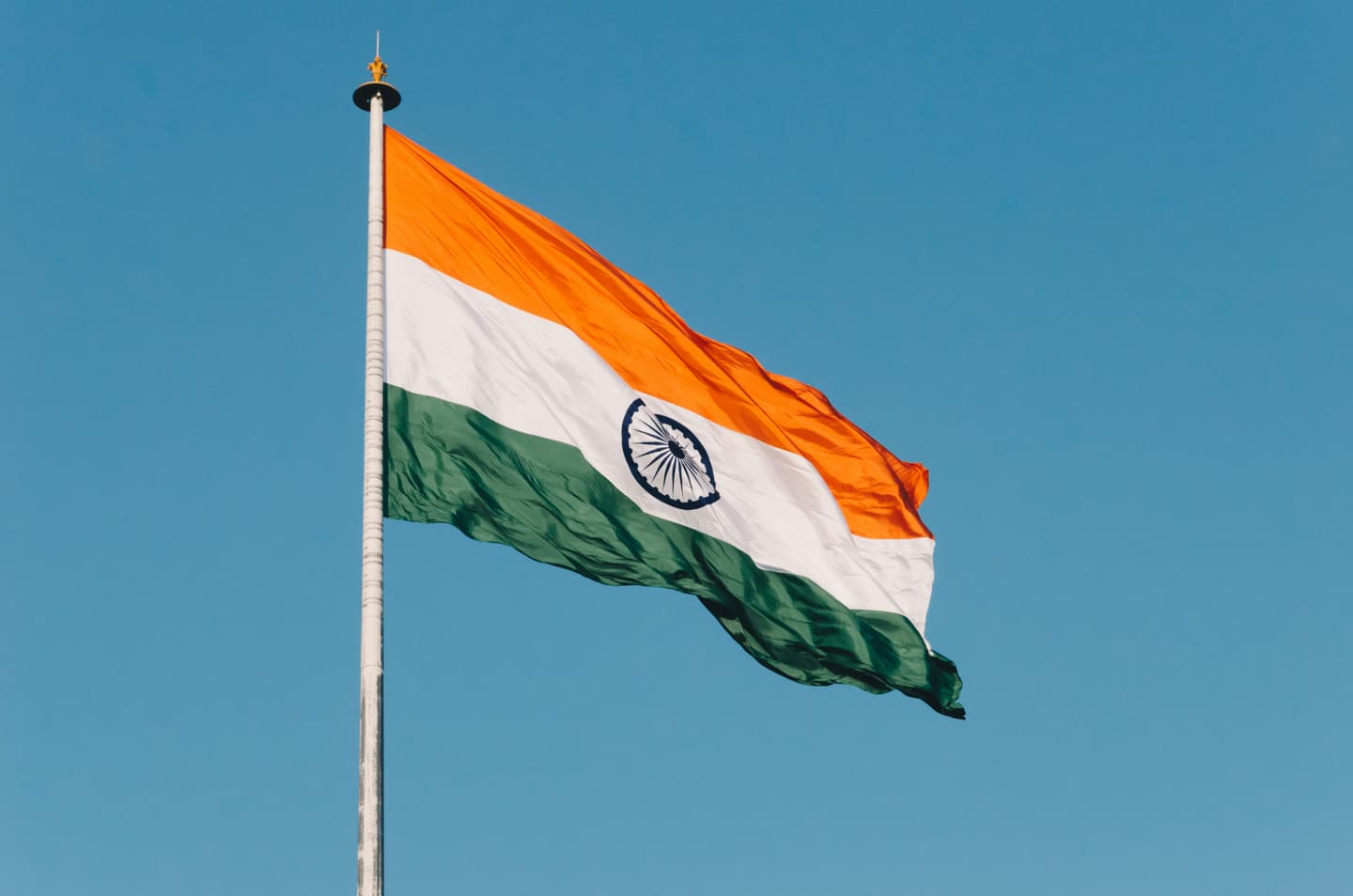
Perched at 2,082 m in the Dhauladhar Range of Himachal Pradesh, McLeod Ganj is the seat of the Tibetan government-in-exile and the residence of the Dalai Lama. Long nicknamed "Little Lhasa," the town blends Tibetan Buddhist monasteries and meditation centres with eclectic cafés, backpacker guesthouses, and dramatic mountain trekking. It offers a rare combination of spiritual immersion, Himalayan adventure, and a laid-back international traveller scene in one compact hillside town.
More cities for these months: Where to go in March · Where to go in April · Where to go in May · Where to go in June · Where to go in September · Where to go in October
Insider tips · Wanderlust Pro
Practical tips on the sights and neighbourhoods in this McLeod Ganjguide — when to go, what most visitors miss. Written with AI about the guide's own places; double-check details before you go. Pro members see every tip.
The quick answers travelers want before they commit to flights, neighborhoods, and how long to stay.
The closest airport is Dharamsala (Gaggal) Airport (DHM), about 20 km from McLeod Ganj. Direct daily flights operate from Delhi (approx. 1 hr); a taxi from the airport costs ₹1,000–₹2,000 (~$12–$24) and takes around 45 minutes. By rail, the nearest broad-gauge station is Pathankot, roughly 90 km west; trains from Delhi take about 11 hours. From Pathankot, HRTC state buses run to Kangra and Dharamshala, or taxis can take you directly to McLeod Ganj. An HRTC bus from Kangra to McLeodganj costs just $1–$3 and takes about 24 minutes. Overnight Volvo buses from Delhi ISBT to Dharamshala are a popular and economical option for budget travellers.
McLeod Ganj's compact centre is very walkable; most attractions near the Main Square are reachable on foot. Bhagsu and Bhagsu Nag are about 2 km from downtown and can be walked. Local HRTC buses run between McLeod Ganj Bus Stand and Lower Dharamshala roughly every 15–30 minutes from around 6 AM to 9 PM, with fares as low as ₹10–₹20 (~$0.12–$0.24). Shared and private taxis are plentiful at designated stands — always confirm the fare before boarding. Ride-sharing apps like Uber and Ola are unreliable here; local taxis are the dominant private hire option. For day trips around the Kangra Valley, hiring a car with driver is recommended. Self-drive rentals are not advised given the steep mountain roads and limited parking.
Spring and early summer (March–June) are peak season and widely regarded as the best time to visit. Temperatures range from 15°C to 30°C, skies are clear, and trails to Triund and Indrahar Pass are fully open. Expect crowds and book accommodation well in advance, especially in May and June. Autumn (September–November) is a quieter, equally rewarding window — crisp mountain air, fewer tourists, and brilliant views of the snow-dusted Dhauladhar range. October and November are particularly good, with bright, sunny days and cool nights. Monsoon (July–September) brings lush greenery and a dramatic Bhagsu Waterfall, but also heavy rainfall (up to 290–380 cm), frequent landslides, and slippery trekking trails — the least practical season for outdoor activities. Winter (December–February) delivers snowfall and a magical atmosphere, and coincides with festivals like the International Himalayan Festival (December) and Tibetan New Year/Losar (February–March), but roads can become treacherous and many guesthouses reduce services.
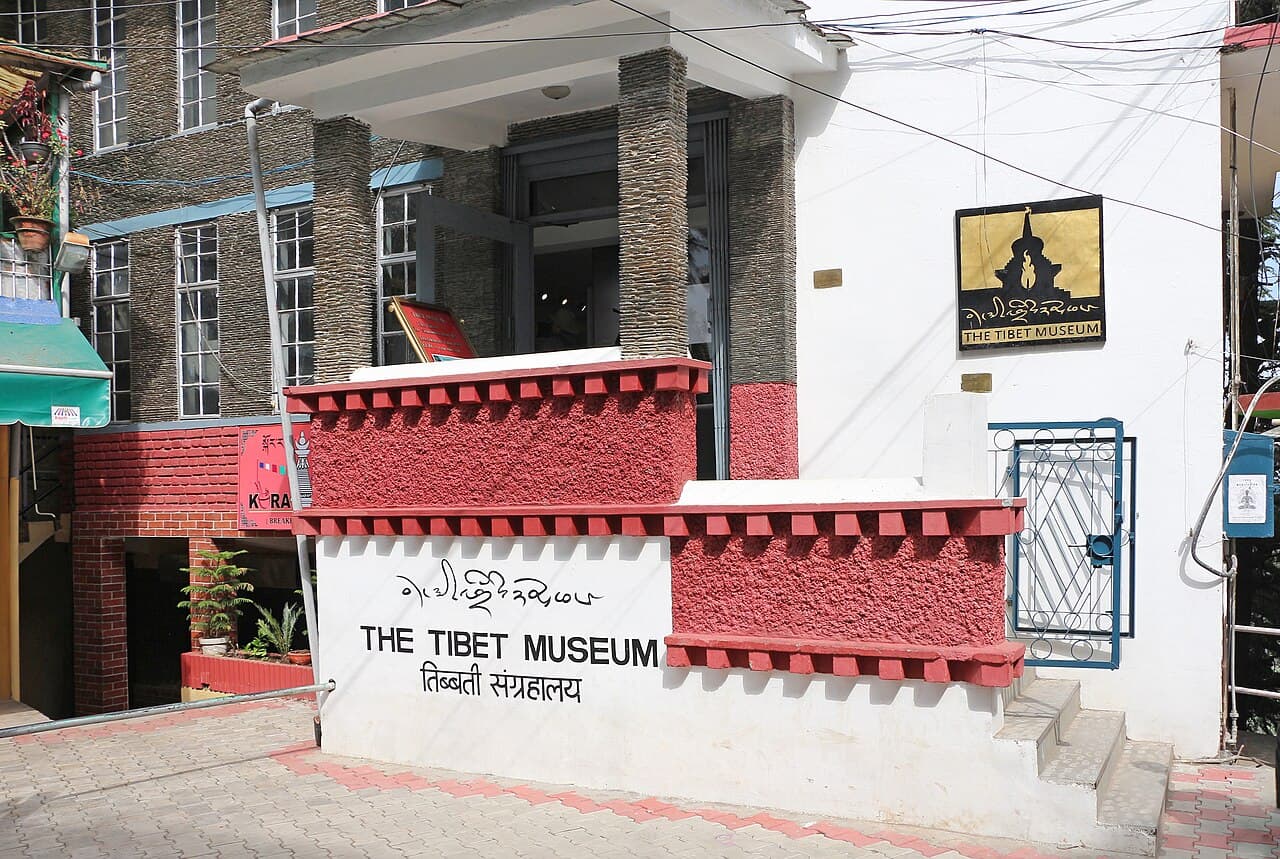
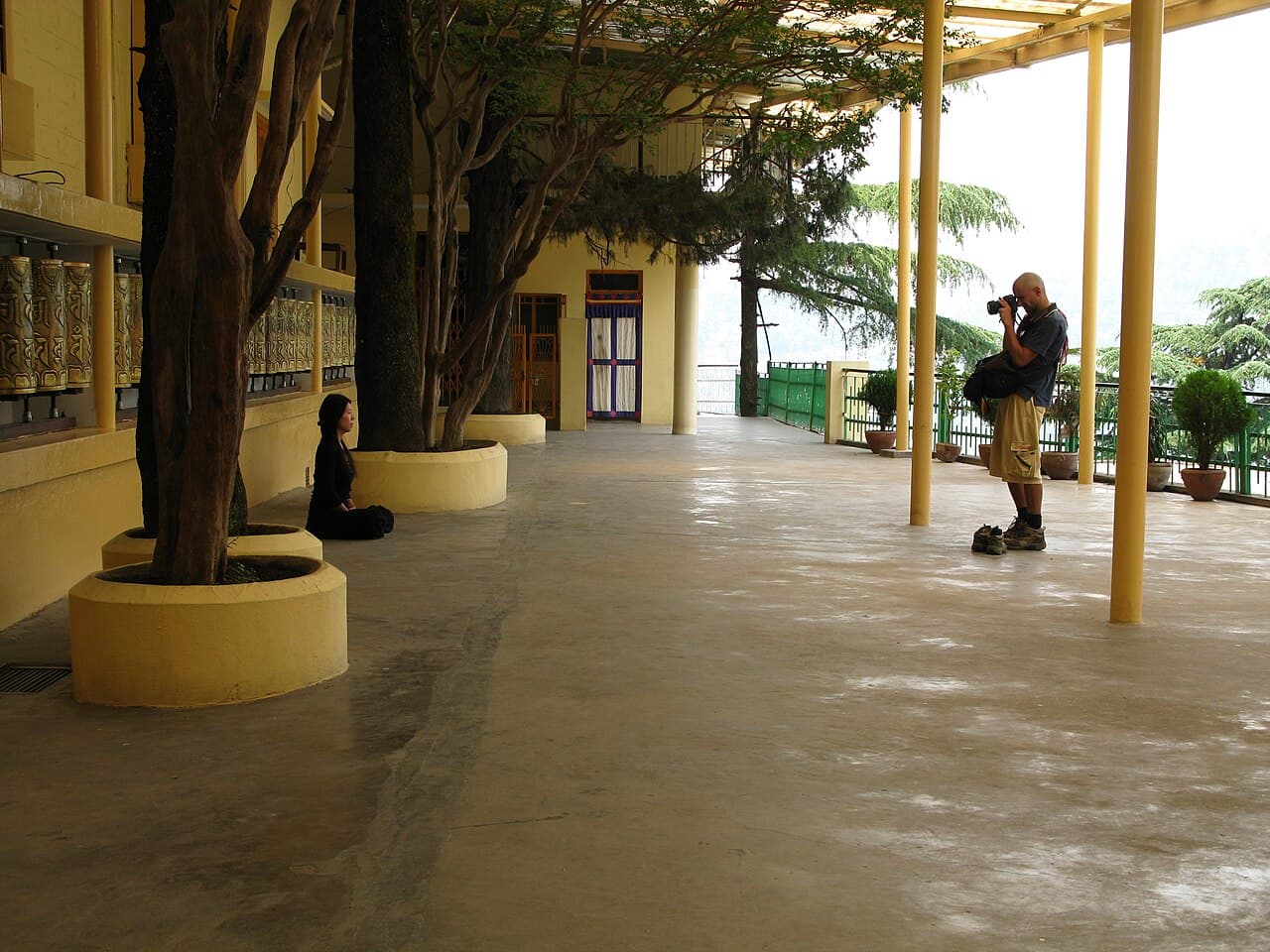
Arrive and get oriented with a walk to the Tsuglagkhang Temple Complex (Dalai Lama Temple). Witness monks in morning prayer, explore the Namgyal Monastery, and visit the Tibet Museum to understand the history of the Tibetan exile.
Stroll through the Main Square market for Tibetan handicrafts, prayer flags, and souvenirs. Have lunch at one of the many Tibetan-run cafés serving momos and thukpa noodle soup.
Explore Temple Road's bookshops and café strip. Dinner at a rooftop restaurant with views of the Dhauladhar peaks.
Walk 2 km to the Bhagsunag Temple — a medieval Shiva temple surrounded by pine forest and a sacred pool — then continue uphill to the striking Bhagsu Waterfall. Stop at the famous Shiva Café perched above the falls.
Head up to the bohemian village of Dharamkot for lunch. Visit the Tushita Meditation Centre for a drop-in session or guided tour, and enjoy panoramic Kangra Valley views from the trails above the village.
Return to McLeod Ganj for a quiet dinner, or join a cultural talk or film screening at one of the Tibetan community centres.
Set off early for the Triund Hill trek — a moderate 9 km trail from McLeod Ganj gaining around 800 m of elevation. The route passes through rhododendron and oak forest with increasingly dramatic views.
Reach Triund ridge (2,828 m) for panoramic 180° views of the Dhauladhar Range and the Kangra Valley plains below. Pack a lunch or grab snacks from the small stalls at the top.
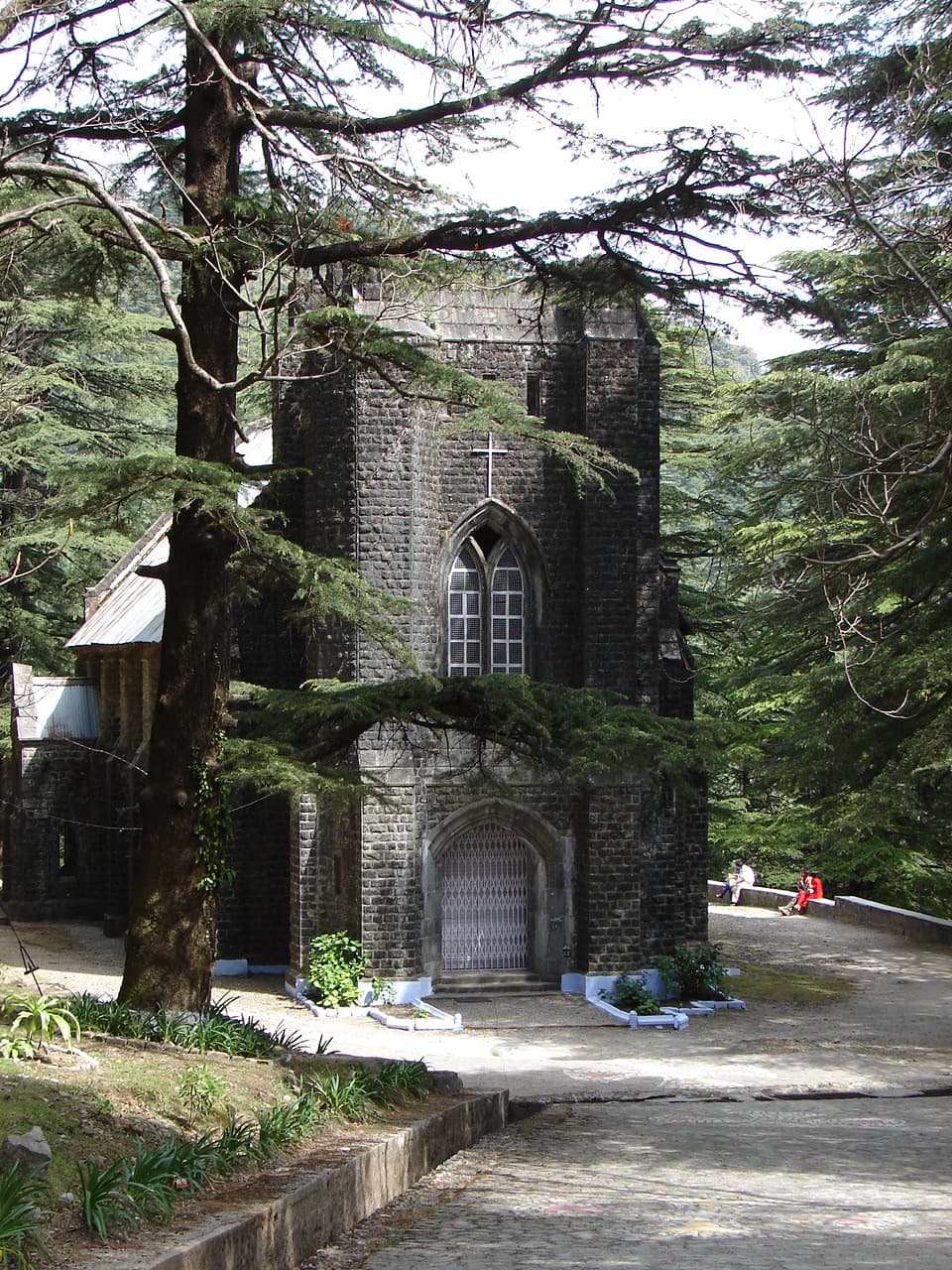
Descend back to McLeod Ganj before dark. Relax at a café on Temple Road for a final meal, or take a short detour via the colonial-era St. John in the Wilderness Church in Forsyth Ganj.
Real coworking spaces, laptop-friendly cafés, and libraries mapped near the center of the city — the closest, best-rated desks first.
No coworking-ready spots surfaced for this city yet.
Pick a different category or check back once we’ve indexed more desks for this city.
Ask for cafés, quiet neighborhoods, date-night spots, or a first 48-hour plan.
Mention calls, Wi-Fi needs, or how much of the day has to stay laptop-friendly.
Get faster answers on where to stay, when to move neighborhoods, and what to skip.
Written by signed-in Wanderlust members. We don't check that a reviewer has visited.
No reviews of McLeod Ganj yet.
Tell the planner your dates, who's coming, your budget and pace, and it drafts a day-by-day itinerary you can edit.
Wanderlust Pro
Insider tips for McLeod Ganj, unlimited AI-built itineraries, and travel companions you can invite to plan a trip together. From $5.00/month, billed annually.
Insider tips · Wanderlust Pro
Practical tips on the sights and neighbourhoods in this McLeod Ganjguide — when to go, what most visitors miss. Written with AI about the guide's own places; double-check details before you go. Pro members see every tip.