Top sight
Top sight
Java's cultural soul — ancient temples, royal palaces, batik workshops, and two UNESCO World Heritage Sites on your doorstep.
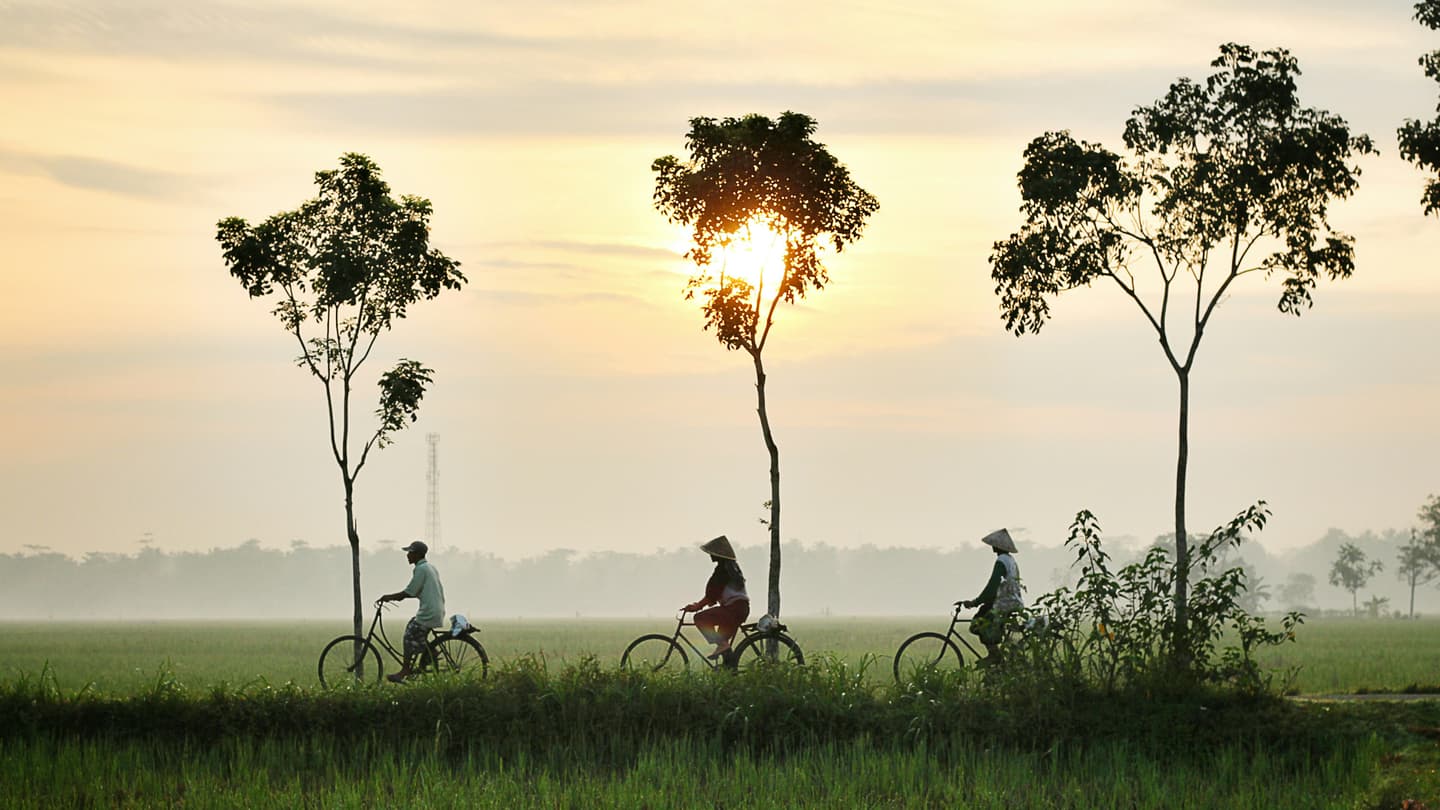
Yogyakarta, affectionately known as Jogja, is the cultural and intellectual heart of Indonesia — the only region still governed by a sultanate and the proud custodian of classical Javanese arts, from batik and wayang to gamelan. Its city centre was listed as a UNESCO World Heritage Site in 2023, and it sits within easy reach of both Borobudur and Prambanan, two more UNESCO-listed monuments. Whether you're exploring the labyrinthine lanes of the Kraton, haggling on Malioboro Street, or watching sunrise paint the stupas of Borobudur in gold, Yogyakarta delivers an unmatched depth of living heritage on a shoestring budget.
More cities for these months: Where to go in May · Where to go in June · Where to go in July · Where to go in August · Where to go in September
Insider tips · Wanderlust Pro
Practical tips on the sights and neighbourhoods in this Yogyakartaguide — when to go, what most visitors miss. Written with AI about the guide's own places; double-check details before you go. Pro members see every tip.
The quick answers travelers want before they commit to flights, neighborhoods, and how long to stay.
Yogyakarta is served by Yogyakarta International Airport (YIA), which has direct connections from Jakarta, Bali, Singapore, and Kuala Lumpur, with most long-haul travellers transiting through Jakarta (CGK), Bali (DPS), or Singapore (SIN). From YIA to the city centre (Malioboro area), the journey takes roughly 60–120 minutes. The most affordable option is a combination of a short taxi to a transit hub followed by the Trans Jogja BRT; alternatively, the airport train links YIA via Maguwo station to Yogyakarta (Tugu) Station in the city centre — tickets on short local services start from around IDR 8,000. Private airport transfers booked through Klook or Grab start from approximately USD 14.85 for up to 2 passengers, with door-to-door service taking 40–60 minutes in normal traffic. DAMRI shuttle buses also depart every 60 minutes from YIA to various city drop-off points. By rail from Jakarta, the intercity train to Yogyakarta (Tugu) Station — at the top of Jalan Malioboro — is a popular and comfortable option, with executive and business class services offering air-con, food service, and toilets.
Within Yogyakarta, the Trans Jogja BRT network covers the city core and surrounding regencies across 20 routes with fares of around IDR 3,500 (~USD 0.22) per ride, operating 05:30–20:30. For on-demand rides, Grab and Gojek are the go-to apps — Gojek's ojek (motorbike taxi) option is fastest and cheapest for solo travellers. Traditional becak (cycle-rickshaws) and horse-drawn andong carriages add local colour around the Kraton and Malioboro areas; always negotiate fares upfront. Renting a scooter (IDR 60,000–100,000/day) is popular for independent day trips to Prambanan or the southern beaches. For Borobudur day trips, most visitors hire a private car or join a shared tour, as direct public transit is limited.
Yogyakarta has a tropical climate with two distinct seasons. The dry season (May–October) is the sweet spot for most visitors: rainfall drops sharply from May, humidity falls, and daytime temperatures settle between 25°C and 31°C with cooler evenings around 21°C. June through August is the photographic peak — sunrise at Borobudur is one of the most iconic scenes in Southeast Asia, with clear visibility stretching to Mount Merapi and Mount Merbabu on the horizon. Note that June–August is also peak tourist season, when Borobudur sunrise slots can sell out weeks in advance and accommodation prices spike. May and September are excellent shoulder alternatives: good weather, thinner crowds, and better value. The Waisak (Vesak Day) lantern ceremony at Borobudur — typically falling in May — is a bucket-list cultural event worth planning around. The wet season (November–April) brings heavy afternoon downpours peaking at 325–390 mm in January–February, but mornings usually stay dry until midday, and accommodation discounts of 40–50% make it compelling for budget-conscious slow travellers. Avoid planning heavy outdoor days in November–March if flexibility is limited.
Start at Taman Sari Water Castle — arrive early to beat the crowds and explore the bathing pools, underground mosque, and winding kampung lanes. Walk east through the batik workshops of Kampung Taman.
Head to Kraton Ngayogyakarta (Sultan's Palace) between 9–11am to catch a traditional court dance performance included with admission. Browse the palace museum's wayang puppets, gamelan instruments, and royal artefacts. Stroll north along Malioboro Street for street food and souvenir shopping.
Dinner at a local warung near Prawirotaman — try gudeg (young jackfruit stew) or soto ayam. Catch a wayang kulit shadow puppet performance at the Sonobudoyo Museum (Tuesdays, 20:00–21:30, IDR 50,000 for foreigners).
Pre-dawn departure for Borobudur — the world's largest Buddhist monument and a UNESCO World Heritage Site, built in the 9th century. Climb the nine stacked platforms at sunrise for panoramic views over jungle and volcanoes. Alternatively, watch from Setumbu Hill viewpoint (~1 hour from the city) for a misty aerial perspective.
Drive 40 km east to the Prambanan Temple Complex — a spectacular 9th-century Hindu monument completed in 856 AD. Explore the towering Shiva, Brahma, and Vishnu shrines. Consider extending to Ratu Boko Palace ruins (19 km from the city) for sunset views.
Return to Yogyakarta and unwind in Prawirotaman's café strip. Optionally catch the Ramayana Ballet performance at Prambanan's open-air stage (seasonal).
Visit Kotagede — Yogyakarta's historic former Mataram capital — to explore its silver-smithing workshops, old Javanese-colonial alleyways, and the royal cemetery. Pick up handmade silver jewellery direct from artisans.
Join a Merapi jeep tour from Kaliurang for a thrilling off-road adventure across volcanic lava fields on the slopes of Mount Merapi (~28 km north of the city). Visit the lava museum and Cold Lava River.
Head back to Malioboro for a final evening of street food — satay, bakpia pastries, and fresh coconut. Browse the night market stalls and soak in the city's electric, unhurried atmosphere before departure.
Real coworking spaces, laptop-friendly cafés, and libraries mapped near the center of the city — the closest, best-rated desks first.
No coworking-ready spots surfaced for this city yet.
Pick a different category or check back once we’ve indexed more desks for this city.
Ask for cafés, quiet neighborhoods, date-night spots, or a first 48-hour plan.
Mention calls, Wi-Fi needs, or how much of the day has to stay laptop-friendly.
Get faster answers on where to stay, when to move neighborhoods, and what to skip.
Written by signed-in Wanderlust members. We don't check that a reviewer has visited.
No reviews of Yogyakarta yet.
Tell the planner your dates, who's coming, your budget and pace, and it drafts a day-by-day itinerary you can edit.
Wanderlust Pro
Insider tips for Yogyakarta, unlimited AI-built itineraries, and travel companions you can invite to plan a trip together. From $5.00/month, billed annually.
Insider tips · Wanderlust Pro
Practical tips on the sights and neighbourhoods in this Yogyakartaguide — when to go, what most visitors miss. Written with AI about the guide's own places; double-check details before you go. Pro members see every tip.