Top sight
Top sight
Bali's spiritual and artistic heartland, cradled by emerald rice terraces, jungle temples, and a thriving wellness scene.

Ubud is the cultural capital of Bali, sitting at a higher elevation inland, surrounded by lush rice fields and dense jungle. It blends Hindu spirituality, world-class art, and an incredibly vibrant food and wellness scene in a compact, walkable town centre. Beyond the town, day trips to Tegalalang rice terraces, Tegenungan Waterfall, and Mount Batur reward explorers who venture further. Beloved by digital nomads, yogis, and culture lovers alike, Ubud is an unmissable stop on any Bali itinerary.
More cities for these months: Where to go in April · Where to go in May · Where to go in June · Where to go in July · Where to go in August · Where to go in September
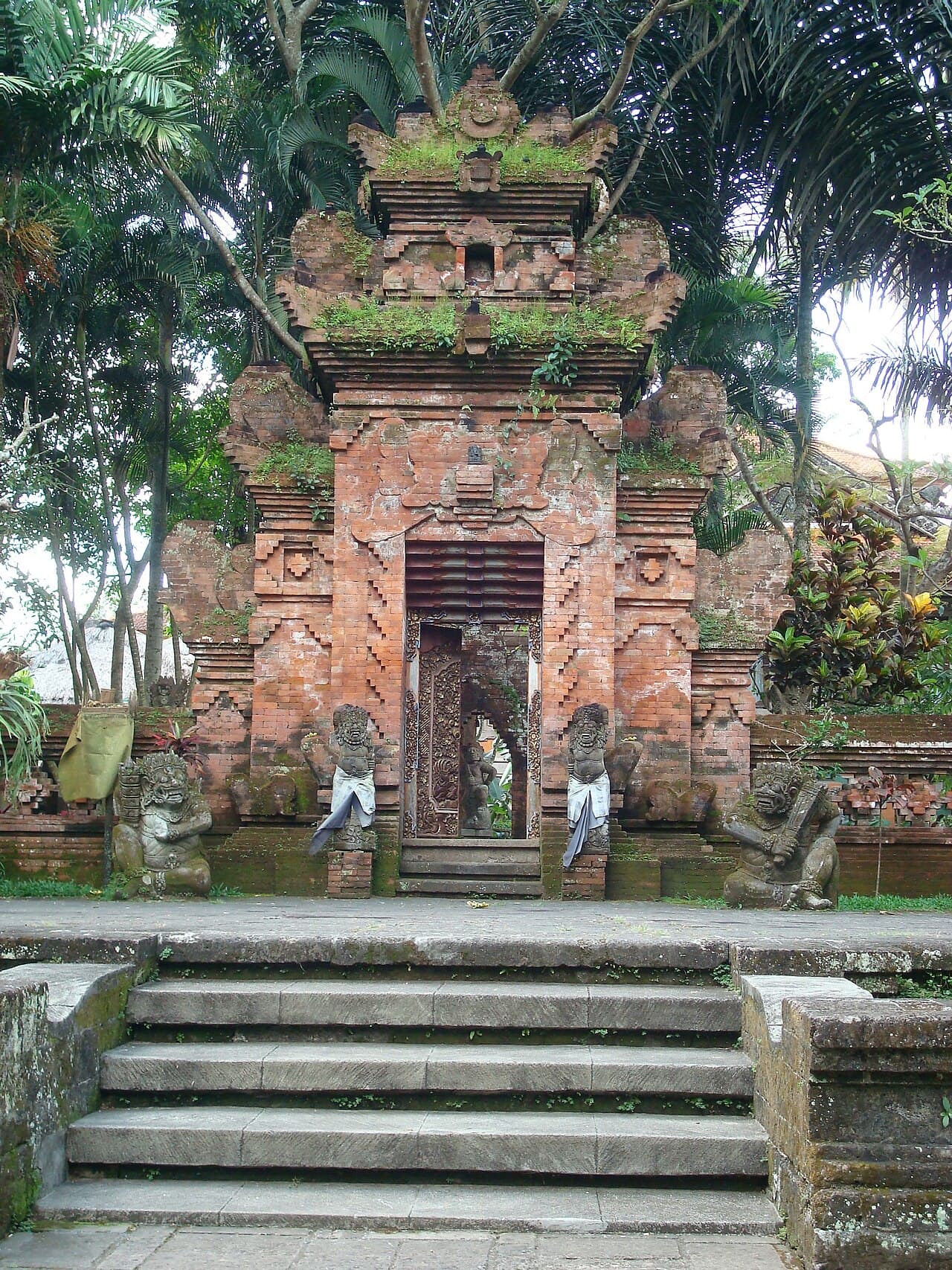

There are over 580 different languages and dialects spoken in Indonesia – some say there could be as many as 1,200 dialects. Though Bahasa is now the predominant language in Bali, there is a concerted effort to keep the Balinese language alive.
Very trippy, minimalistic, the place seems to be infused with a scent, mezcal-based cocktails
Insider tips · Wanderlust Pro
Practical tips on the sights and neighbourhoods in this Ubudguide — when to go, what most visitors miss. Written with AI about the guide's own places; double-check details before you go. Pro members see every tip.
The quick answers travelers want before they commit to flights, neighborhoods, and how long to stay.
The gateway to Ubud is Bali Ngurah Rai International Airport (DPS), located in Tuban near Kuta — approximately 35–40 km south of Ubud town. The drive takes 60–90 minutes under normal traffic conditions, but can stretch to 2–3 hours during peak hours (7–9 AM and 4–7 PM), particularly through the Denpasar corridor. Morning transfers are consistently faster. Official airport taxis charge a fixed rate of around IDR 350,000–500,000 (~$22–32 USD). Ride-hailing apps Grab and Gojek are slightly cheaper at IDR 300,000–450,000 (~$19–29 USD), with fares displayed upfront. Pre-booked private transfers run IDR 450,000–700,000 (~$29–45 USD) and are the most stress-free option, with meet-and-greet service at the arrivals hall. Budget travellers can connect via the Teman Bus from the airport parking area to East Denpasar terminal and onward to central Ubud, though this multi-leg route is slow and not recommended with heavy luggage. There is no direct rail link to Ubud.
Ubud's compact town centre — from Saraswati Temple to Ubud Palace and the Monkey Forest — is very walkable, though footpaths can be narrow and uneven. For sights beyond the centre, such as Tegalalang rice terraces or outlying waterfalls, you'll need wheels. The most comfortable option is hiring a private car and driver (IDR 450,000–750,000/day, ~$29–48 USD), ideal for multi-stop day trips; local drivers know the back roads and can dodge ceremony traffic. Grab and Gojek are the main ride-hailing apps: short hops around Ubud run just IDR 12,000–30,000 by scooter (~$0.75–$2) or IDR 50,000–100,000 by car (~$3–$6). Note that some areas near the town centre are informal 'no-go zones' for app-based drivers due to local taxi operators, so you may need to walk a short distance to your pickup point. Renting a scooter (roughly IDR 70,000–100,000/day) gives maximum flexibility but roads are narrow and one-lane bridges cause regular bottlenecks — avoid peak hours (8:00–9:30 AM and 5:00–6:30 PM). Perama Shuttle offers shared bus connections to other Bali hubs such as Kuta, Seminyak, and Sanur.
Ubud has two clear seasons: a dry season from April to October and a wet season from November to March. The dry season is peak travel time, with warm, sunny days (27–30°C/80–86°F) and cool evenings — Ubud's higher inland elevation keeps it a few degrees more comfortable than the southern beach resorts. April to June is widely considered the sweet spot: reliable sunshine, lower humidity, and fewer crowds than the July–August peak. July and August bring the largest influx of tourists, so book accommodation well in advance. September and October remain excellent, with the rains not yet fully setting in. The wet season (November–March) brings daily downpours, but the landscape turns an electric green, prices drop, and the crowds thin out considerably — a rewarding trade-off for flexible travellers. January is the wettest month, with an average of 325 mm of rainfall. If you visit in March, be aware of Nyepi (the Balinese Day of Silence), when the entire island effectively shuts down for 24 hours — a culturally extraordinary, if logistically challenging, experience.
Start early at Saraswati Temple before the crowds arrive, then stroll Jalan Raya Ubud to Ubud Royal Palace. Browse the traditional Ubud Art Market for handicrafts, textiles, and silver jewellery.
Head south on foot to the Sacred Monkey Forest Sanctuary — allow at least 90 minutes to explore the temple complex and observe the long-tailed macaques. Refuel with a long lunch at one of the organic cafés lining Jalan Monkey Forest.
Catch a Kecak fire-and-trance dance performance at Ubud Palace (performances most evenings from around 7:30 PM), then dinner at a warung on Jalan Dewi Sita.
Hire a private driver for the day. Head to Campuhan Ridge Walk at dawn for a misty sunrise stroll through coconut groves, then drive north to the iconic Tegalalang Rice Terraces — arrive before 9 AM to beat tour groups.
Continue to Tegenungan Waterfall for a refreshing swim, then wind through the craft villages of Celuk (silverwork) and Mas (woodcarving) on the way back towards Ubud.
Book a traditional Balinese cooking class — most include a morning market visit but evening-only sessions are available. End the night with cocktails at a jungle-view bar in Sanggingan.
Rise early for white-water rafting on the Ayung River — a two-hour Grade II–III run through lush gorge scenery, offered by several operators from around $35–45 USD including transfers.
Dry off and head to the Agung Rai Museum of Art (ARMA) for an afternoon of Balinese and Indonesian modern art, followed by a leisurely walk through the museum's tropical garden.
Splurge on a sunset dinner at one of Ubud's valley-view restaurants overlooking the Campuhan gorge, then pick up last-minute gifts at the night market stalls near the Ubud Traditional Market.
Real coworking spaces, laptop-friendly cafés, and libraries mapped near the center of the city — the closest, best-rated desks first.
Ubud.Space Coworking and Coffee
Gianyar, 80571, Indonesia
Ubud Co-Working
Jl. Raya Andong No.92, Gianyar, 80571, Indonesia
Donia Virtual Office
Jl. Sukma Kesuma No.82, Gianyar, 80571, Indonesia
Outpost Ubud Nyuh Kuning Coworking
Nyuh Kuning Rd, Gianyar, 80571, Indonesia
BB's Cafe and Deli
Jalan Raya, Gianyar, 80571, Indonesia
Indosat Cafe Lotus. PT
Jl. Raya Ubud No.14, Gianyar, 80571, Indonesia
Gelato Secrets
Jalan Raya Ubud, Gianyar, 80571, Indonesia
Asiatique restaurant
Jl. Gootama No.3, Gianyar, 80571, Indonesia
Woobud Library
Gianyar, 80571, Indonesia
Book Trip
Gianyar, 80571, Indonesia
Ask for cafés, quiet neighborhoods, date-night spots, or a first 48-hour plan.
Mention calls, Wi-Fi needs, or how much of the day has to stay laptop-friendly.
Get faster answers on where to stay, when to move neighborhoods, and what to skip.
Written by signed-in Wanderlust members. We don't check that a reviewer has visited.
Neighborhood explainers, cost breakdowns, and field notes if you want more than the quick brief.
Explore Ubud, the cultural heart of Bali, known for its lush rice terraces, ancient temples, and vibrant arts scene.

Experience the magic of Ubud in just one day with this perfect itinerary. Start your morning with the breathtaking sunrise at Tegalalang Rice Terraces, followed by an adventurous visit to the Sacred Monkey Forest. Savor authentic Balinese cuisine for lunch before exploring the cultural gems of Ubud Palace and Saraswati Temple.
Ubud is a popular destination for digital nomads, offering a mix of productivity and relaxation. With coworking spaces, networking events, and scenic spots for breaks, remote workers can maintain a balanced routine. From working at cafés to enjoying local culture, Ubud provides an ideal environment for a flexible and fulfilling lifestyle.
Explore living costs in Ubud, Bali: housing, utilities, food, transport, healthcare. Discover how careful planning makes Ubud an idyllic, affordable home.

Tell the planner your dates, who's coming, your budget and pace, and it drafts a day-by-day itinerary you can edit.
Wanderlust Pro
Insider tips for Ubud, unlimited AI-built itineraries, and travel companions you can invite to plan a trip together. From $5.00/month, billed annually.
Insider tips · Wanderlust Pro
Practical tips on the sights and neighbourhoods in this Ubudguide — when to go, what most visitors miss. Written with AI about the guide's own places; double-check details before you go. Pro members see every tip.