 City postcard
Sanur
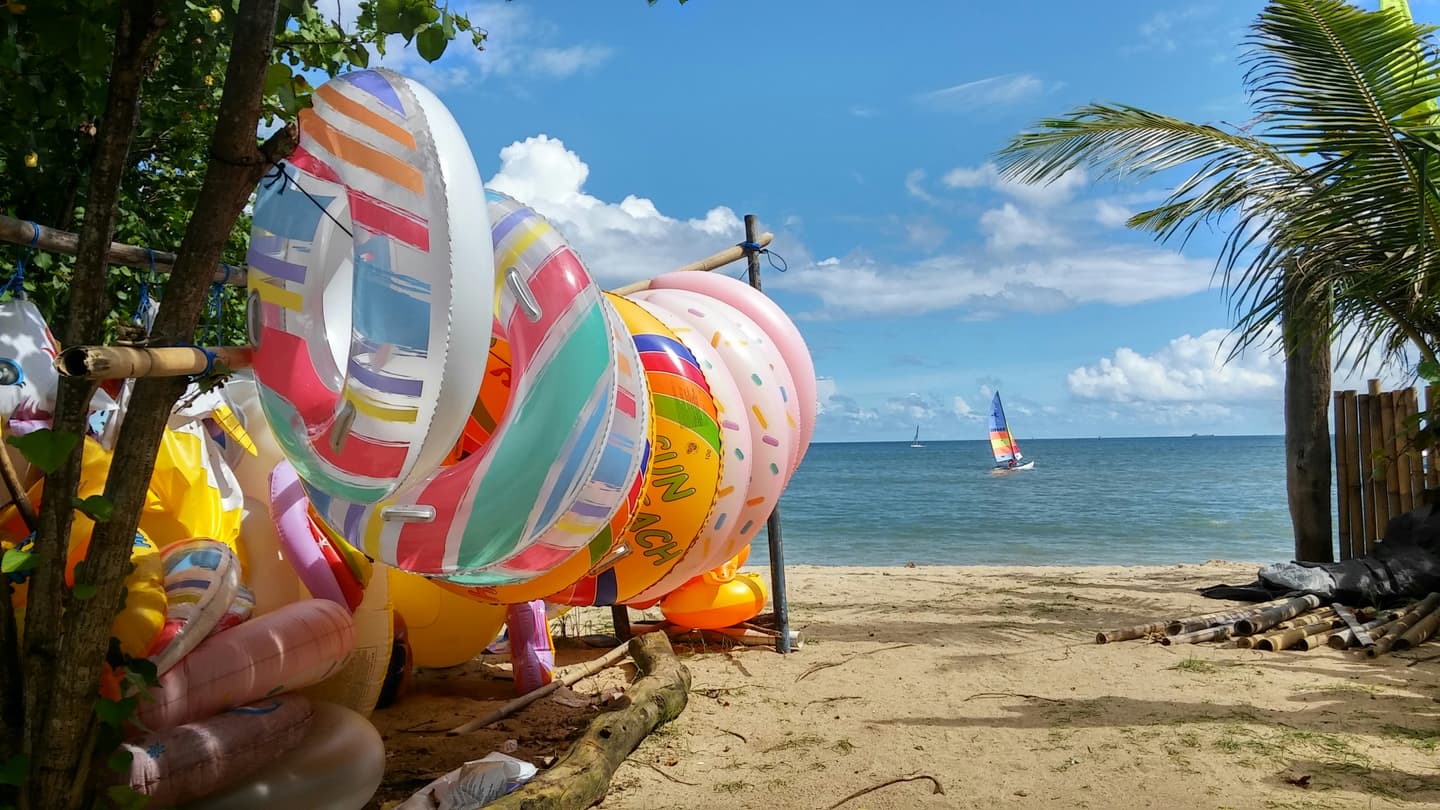
Bali's original beach town — calm seas, sunrise walks, and a slower tempo that the island's trendier spots can't match.
Bali's original beach town — calm seas, sunrise walks, and a slower tempo that the island's trendier spots can't match.
Sanur is a laid-back beachside town on Bali's southeast coast, about 25–30 minutes from Ngurah Rai International Airport. Protected by a coral reef, its waters are calm and shallow — ideal for families, swimmers, and water-sport beginners — while a 5-kilometre paved beachfront promenade invites leisurely cycling and sunrise strolls. Unlike the party scenes of Kuta or Canggu, Sanur blends authentic Balinese community life, a growing café and dining scene, and easy fast-boat access to the Nusa Islands, making it one of Bali's most versatile bases.
City postcardBali's original beach town — calm seas, sunrise walks, and a slower tempo that the island's trendier spots can't match.
 Top sight
A signature stop locals and returning travelers point to in Sanur.
A signature stop locals and returning travelers point to in Sanur.
A signature stop locals and returning travelers point to in Sanur.
A signature stop locals and returning travelers point to in Sanur.
Photo: Frypie · CC BY-SA 4.0
A signature stop locals and returning travelers point to in Sanur.
A signature stop locals and returning travelers point to in Sanur.
A signature stop locals and returning travelers point to in Sanur.
A signature stop locals and returning travelers point to in Sanur.
A signature stop locals and returning travelers point to in Sanur.
A pocket of Sanur with its own temperament — worth a deliberate detour when you're in the area.
A pocket of Sanur with its own temperament — worth a deliberate detour when you're in the area.
A pocket of Sanur with its own temperament — worth a deliberate detour when you're in the area.
A pocket of Sanur with its own temperament — worth a deliberate detour when you're in the area.
Wanderlust Pro
Pro members see insider tips for Sanur: a short list of restaurants, cafés and sights, picked by AI as local suggestions to double-check before you go.
The quick answers travelers want before they commit to flights, neighborhoods, and how long to stay.
Sanur is served by Ngurah Rai International Airport (DPS) in Denpasar, approximately 15 km away. The journey takes 30–40 minutes in light traffic, but can stretch to an hour during peak periods. The most convenient arrival option is a pre-booked private transfer, which typically costs around IDR 200,000–250,000 (≈ USD 13–16) and includes a meet-and-greet at arrivals. Official metered airport taxis are available at the prepaid counter inside the terminal; fares to Sanur typically run IDR 150,000–200,000 (≈ USD 10–13). Ride-hailing apps Grab and Gojek are available via a dedicated lounge at arrivals and are often the cheapest option. Perama shuttle buses also depart from Sanur's Jalan Hang Tuah to the airport (IDR 35,000) and to major destinations including the Gili Islands (IDR 275,000) and Ubud. Visitors should note that as of February 2024, all foreign arrivals must pay a mandatory tourism levy of IDR 150,000 (≈ USD 10) in addition to any visa fees.
Sanur's compact layout makes it one of Bali's most walkable and cycleable destinations. The 5-kilometre beachfront promenade connects the majority of hotels, cafés, and beach clubs — cycling it is a quintessential Sanur experience, and bike rentals are widely available. For longer journeys within and beyond Sanur, Grab and Gojek ride-hailing apps offer affordable point-to-point rides (e.g. Sanur to Kuta runs around IDR 98,000). The Kura Kura Bus and Teman Bus public services do operate through Sanur, but stops are limited and inconvenient for travellers with luggage. For day trips to Ubud, Nusa Penida, or other parts of Bali, hiring a private car and driver through your hotel or a local operator is the most practical and cost-effective choice for groups. Fast boats to Nusa Penida and Nusa Lembongan depart regularly from Sanur Harbour.
Sanur enjoys a classic tropical climate with warm temperatures year-round (27–31°C / 81–88°F), divided into a dry season (April–October) and a wet season (November–March). The dry season is the undisputed best window: skies are mostly clear, humidity drops, and the reef-protected lagoon sits glassy and inviting. June and September are the sweet spot — weather is near-perfect and crowds are more manageable than the peak July–August school holiday rush. If kitesurfing is your goal, the windier months of June through August are ideal, as the offshore reef creates a flat-water lagoon perfect for beginners and experts alike. May also delivers reliably dry, sunny days with thinner crowds. The wet season (December–February) brings afternoon downpours and higher humidity, but Sanur fares better than Kuta or Canggu — the beach stays relatively clean and the promenade remains enjoyable in the mornings. Budget-conscious travellers can find lower accommodation rates and quieter beaches during October–November and January–February (excluding the Christmas–New Year peak).
Wake before dawn and head to Sanur Beach for a classic east-coast Bali sunrise — one of the few spots on the island where the sun rises directly over open ocean. Walk or rent a bicycle and ride the 5 km beachfront promenade from Jalan Hang Tuah south to Mertasari Beach, stopping to watch colourful jukung fishing boats.
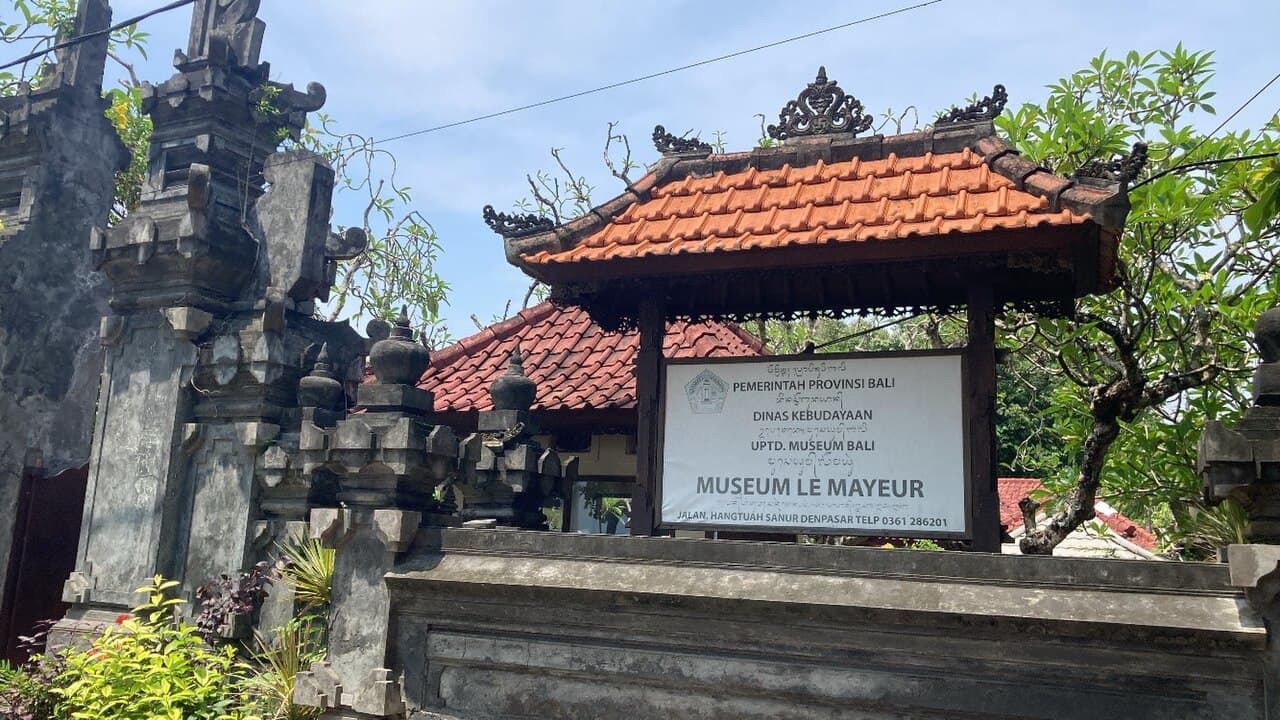
Fuel up at one of the laid-back cafés along Jalan Danau Tamblingan, then visit the Le Mayeur Museum — the former home of Belgian impressionist Adrien-Jean Le Mayeur and his Balinese Legong dancer wife, Ni Pollok — for a dose of colonial-era artistic history.
Head to Pasar Sindhu Night Market (open from 5 PM) for authentic Balinese street food: sate lilit, nasi campur, babi guling, and fresh coconut water, with most dishes costing just IDR 15,000–50,000. Bring cash only.
Take an early fast boat from Sanur Harbour to Nusa Penida (roughly 45 minutes). Explore the island's dramatic cliffs, Kelingking Beach viewpoint, and crystal-clear snorkelling bays.
Snorkel at Crystal Bay or Angel's Billabong, or take a guided tour to see manta rays at Manta Point — May through October offers the best underwater visibility.
Return by fast boat to Sanur before sunset. Unwind with a traditional Balinese massage at one of Sanur's many wellness spas, then enjoy a relaxed dinner along the beachfront strip.
Explore the Blanjong Temple and its 10th-century inscribed stone pillar — one of Bali's oldest written records — tucked away in the south of Sanur. Continue to the Sea Turtle Conservation Centre to see baby turtles and learn about local conservation efforts.
During June–August, head to the beach to watch (or try) kitesurfing — the protected lagoon and reliable winds make Sanur Bali's top kitesurfing spot. Alternatively, browse the art and craft vendors along the promenade or explore ICON Mall for a modern Balinese shopping experience.
End your Sanur stay with sunset drinks at a beachfront café or bar along the promenade, followed by a final dinner at one of the established restaurants on Jalan Danau Tamblingan, sampling a mix of Balinese, Indonesian, and international cuisine.
Real coworking spaces, laptop-friendly cafés, and libraries mapped near the center of the city — the closest, best-rated desks first.
No coworking-ready spots surfaced for this city yet.
Pick a different category or check back once we’ve indexed more desks for this city.
Ask for cafés, quiet neighborhoods, date-night spots, or a first 48-hour plan.
Mention calls, Wi-Fi needs, or how much of the day has to stay laptop-friendly.
Get faster answers on where to stay, when to move neighborhoods, and what to skip.
There aren’t any, yet!
Block off the weeks you're free. Wanderlust turns this dossier — flights, lodging, neighborhoods, timing — into a single draft itinerary in about ninety seconds.
Wanderlust Pro
Insider tips for Sanur, unlimited AI-built itineraries, and travel companions you can invite to plan a trip together. From $5.00/month, billed annually.
Wanderlust Pro
Pro members see insider tips for Sanur: a short list of restaurants, cafés and sights, picked by AI as local suggestions to double-check before you go.